Cost to Travel Europe for 1 Month?

Dreaming of backpacking through Europe, but worried about the cost? You’re not alone! Many travelers put off their European adventure, thinking it’s only for the wealthy. But with careful planning and smart choices, a month-long European adventure is within reach. If you’re wondering about the cost to travel Europe, this guide breaks down everything you need to plan your trip without overspending.
How much does it cost to travel Europe for a month?
The cost to travel Europe for a month ranges from €1,500 to €4,000+, depending on your travel style. Budget travelers spend around €50 per day, while mid-range travelers spend €80–€130 per day.
Cost to Travel Europe: Full Budget Breakdown
Understanding the cost to travel Europe in detail helps you plan a realistic budget based on your travel style and expectations.
Traveling in Europe involves various expenses. Let’s break down the main cost categories to help you estimate your budget:
- Accommodation: Hostels, budget hotels, Airbnb, or even overnight buses/trains.
- Transportation: Flights, trains, buses, and local transport within cities.
- Food: Groceries, restaurant meals, and snacks.
- Activities: Sightseeing, museums, tours, and entertainment.
- Miscellaneous: Travel insurance, visas (if required), souvenirs, and unexpected expenses.
Estimating Your 1-Month Europe Trip Cost: A Detailed Breakdown
The cost of traveling Europe for a month can vary dramatically depending on your travel style. Here’s a look at budget ranges:
Budget Traveler: €1,500 – €2,500
This budget focuses on affordability. You’ll be staying in hostels (dorm rooms), cooking most of your meals, using budget airlines and buses, and taking advantage of free activities. Expect to spend roughly €50-€83 per day.
For budget travelers, the cost to travel Europe can stay surprisingly low if you prioritize hostels, buses, cheap meals, and free activities.
- Accommodation: Hostels (€20-€30/night)
- Transportation: Budget airlines & buses (€200-€400 total)
- Food: Groceries & occasional cheap eats (€20/day)
- Activities: Free walking tours, parks, affordable museums (€10/day)
Mid-Range Traveler: €2,500 – €4,000
This budget allows for more comfort and flexibility. You can stay in private rooms in hostels or budget hotels, eat out more often, and enjoy a wider range of activities. Expect to spend roughly €83-€133 per day.
As comfort increases, the cost to travel Europe also rises depending on accommodation, food, transport, and paid experiences.
- Accommodation: Private hostel rooms or budget hotels (€40-€60/night)
- Transportation: Combination of trains, buses, and some flights (€300-€600 total)
- Food: Mix of restaurants and self-catering (€30/day)
- Activities: Paid tours, museums, and some entertainment (€20/day)
Luxury Traveler: €4,000+
This budget offers the highest level of comfort and convenience. You’ll stay in hotels, eat at nice restaurants, and enjoy premium experiences. Expect to spend €133+ per day.
- Accommodation: Hotels (€80+/night)
- Transportation: Trains & occasional flights (€600+ total)
- Food: Restaurants (€50+/day)
- Activities: Private tours, premium experiences (€40+/day)
Understanding the real cost to travel Europe helps you create a realistic budget and avoid unexpected expenses during your trip.
Factors Influencing the Cost of Your Europe Trip
Several factors will influence the final cost of your European adventure:
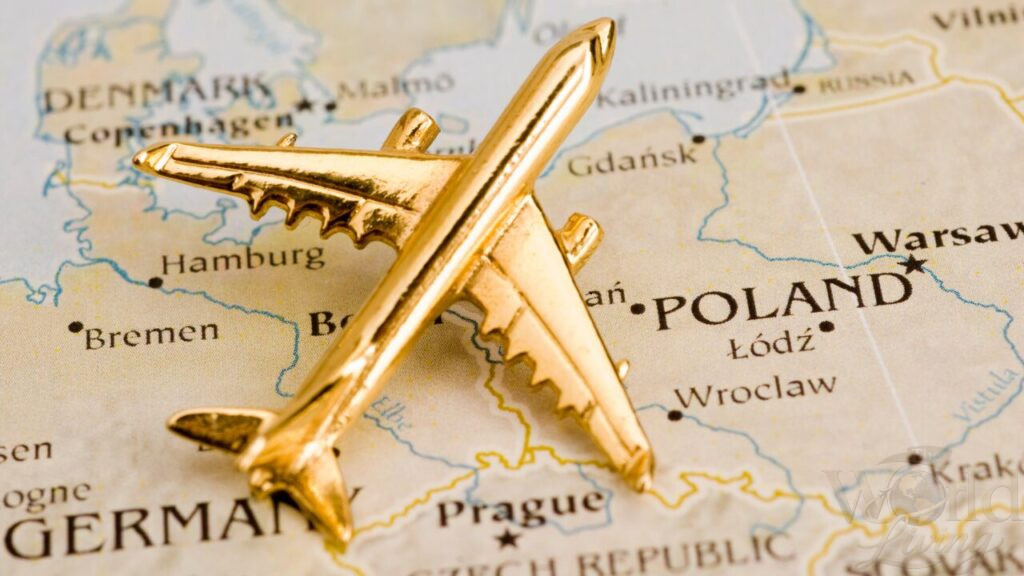
- Destination: Western Europe (e.g., Switzerland, Norway) is generally more expensive than Eastern Europe (e.g., Bulgaria, Romania).
- Time of Year: Traveling during peak season (summer, holidays) will increase costs for flights and accommodation.
- Accommodation Choices: Hostels are the cheapest option, while hotels are the most expensive.
- Transportation Preferences: Budget airlines and buses are cheaper than trains and rental cars.
- Eating Habits: Cooking your own meals will save you significant money compared to eating out.
- Activity Choices: Free activities like walking tours and visiting parks are cheaper than paid tours and attractions.
Hidden Costs of Traveling in Europe
While planning your trip, many travelers focus only on the obvious expenses, but there are several hidden costs that can significantly increase your overall Europe travel cost. These include city taxes, luggage fees, currency exchange charges, and last-minute bookings.
Even small expenses like public toilets, baggage storage, or tourist taxes per night can add up quickly. Understanding these hidden costs of traveling in Europe can help you create a more accurate budget and avoid surprises during your trip.
Detailed Cost Breakdown: Example Itineraries
To give you a clearer picture, here are example itineraries with estimated costs:
Budget Backpacking in Eastern Europe (€1,800)
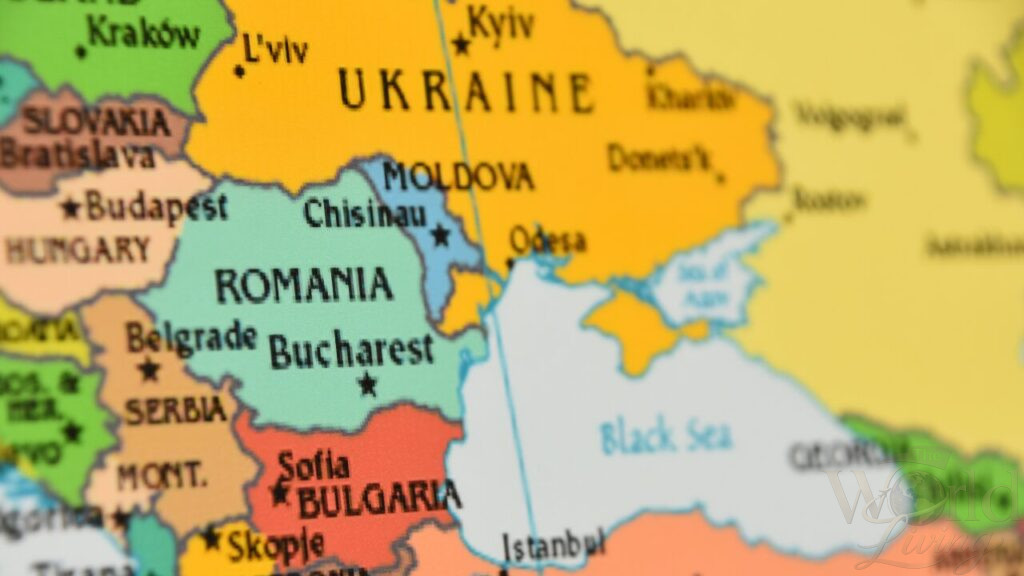
- Countries: Poland, Czech Republic, Hungary, Croatia, Romania
- Accommodation: Hostels (€25/night x 30 nights = €750)
- Transportation: Buses and trains (€300)
- Food: Groceries and cheap eats (€20/day x 30 days = €600)
- Activities: Free walking tours, parks, and some affordable museums (€150)
Mid-Range Trip to Western Europe (€3,500)
- Countries: France, Italy, Spain
- Accommodation: Budget hotels and Airbnb (€50/night x 30 nights = €1500)
- Transportation: Trains and some budget flights (€700)
- Food: Mix of restaurants and self-catering (€30/day x 30 days = €900)
- Activities: Paid tours, museums, and some entertainment (€400)
Tips for Saving Money While Traveling in Europe
Here are some proven strategies to reduce your travel expenses:
- Travel during the off-season: Enjoy lower prices and fewer crowds. The shoulder seasons (spring and fall) offer a good balance.
- Book flights and accommodation in advance: Secure the best deals by booking early, especially for popular destinations.
- Consider alternative accommodation: Hostels, guesthouses, and Airbnb can be much cheaper than hotels.
- Cook your own meals: Visit local markets and prepare your own food to save on restaurant costs.
- Take advantage of free activities: Many cities offer free walking tours, parks, and museums.
- Use public transportation: Avoid taxis and opt for buses, trams, and subways.
- Look for discounts and deals: Student discounts, city passes, and online deals can save you money.
- Travel slowly: Spending more time in each location reduces transportation costs.
- Pack light: Avoid checked baggage fees by packing only essentials.
- Stay in one place longer: Negotiate discounts for longer stays in hostels or apartments.
These strategies can significantly reduce the overall cost to travel Europe without making the trip feel too limited or stressful.
Best Time to Visit Europe on a Budget

The shoulder seasons (April-May and September-October) are ideal for budget travelers. The weather is pleasant, crowds are smaller, and prices are lower than during the peak summer months.
Pro Tips for Budget-Conscious European Travel
- Embrace the free walking tours: Almost every major European city offers free walking tours. They’re a fantastic way to get oriented and learn about the local history and culture. Tip your guide if you enjoyed the tour!
- Picnics over restaurants: Instead of eating out for every meal, grab some bread, cheese, and fruit from a local market and enjoy a picnic in a park. It’s a budget-friendly and enjoyable way to experience the local culture.
- Take advantage of free museum days: Many museums offer free admission on certain days of the month. Check the museum’s website for details.
- Look for happy hour deals: Many bars and restaurants offer happy hour specials, with discounted drinks and appetizers.
- Download offline maps: Save on data roaming charges by downloading offline maps of the cities you’ll be visiting.
Expert Tips for Planning Your European Adventure
- Research your destinations thoroughly: Understand the local customs, transportation options, and potential scams.
- Create a detailed itinerary: Plan your route, accommodation, and activities in advance.
- Book transportation and accommodation in advance: This is especially important during peak season.
- Pack appropriately for the weather: Check the weather forecast before you pack and bring appropriate clothing and gear.
- Learn some basic phrases in the local language: Even a few words can go a long way in showing respect and making your trip more enjoyable.
- Be aware of your surroundings: Take precautions against pickpockets and other petty crime.
- Stay connected: Purchase a local SIM card or use Wi-Fi to stay in touch with family and friends.
- Be flexible: Things don’t always go according to plan, so be prepared to adjust your itinerary as needed.
FAQ: Traveling Europe on a Budget
How much money do I need per day in Europe?
On a tight budget, you can get by on €50-€83 per day, covering hostel accommodation, self-catered meals, and free activities. A mid-range budget of €83-€133 allows for more comfort and dining out.
What is the cheapest way to travel around Europe?
Budget airlines and long-distance buses are the cheapest ways to travel between cities. Within cities, use public transportation or walk.
Which countries are cheapest to visit in Europe?
Eastern European countries like Bulgaria, Romania, Hungary, and Poland are generally cheaper than Western European countries.
Is it better to book accommodation in advance?
Yes, booking accommodation in advance, especially during peak season, is highly recommended to secure the best prices and availability.
What are some free things to do in Europe?
Many cities offer free walking tours, parks, museums (on certain days), and historical sites that you can explore without spending money.
What is the average cost to travel Europe?
The average cost to travel Europe ranges from €50 to €130 per day, depending on your travel style, destinations, accommodation, and activities. Budget travelers can spend less in Eastern Europe, while Western Europe usually requires a higher daily budget.
Key Takeaways for Your European Budget Trip
- Traveling Europe for a month is possible on a budget with careful planning.
- Eastern Europe is generally cheaper than Western Europe.
- Traveling in the off-season can save you money on flights and accommodation.
- Cooking your own meals and taking advantage of free activities can significantly reduce your expenses.
- Flexibility and research are key to a successful budget trip.
With the right planning and a sense of adventure, a month-long trip to Europe doesn’t have to be just a dream. By prioritizing your spending, making smart choices, and embracing the unexpected, you can create memories that will last a lifetime, proving that you don’t need a fortune to explore the world.
With smart planning, the cost to travel Europe can fit almost any budget, making your dream trip more realistic and affordable.