Is Solo Travel in Europe Safe for Beginners?
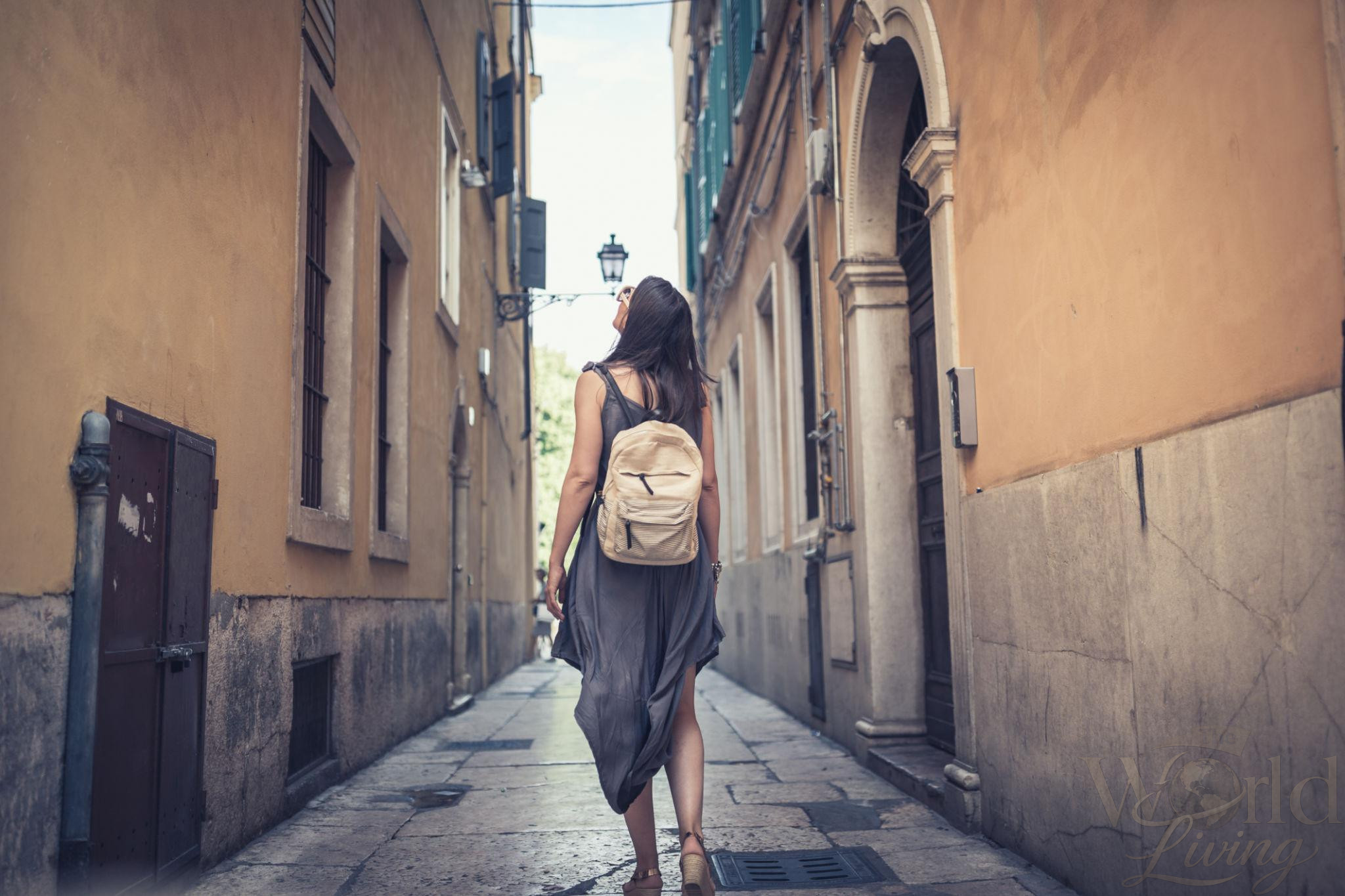
If you’re wondering whether solo travel in Europe is safe for beginners in 2026, the short answer is yes, with smart planning. Europe is one of the most beginner-friendly regions in the world for first-time solo travelers, especially if you choose the right cities, travel at sensible times, and stay aware of your surroundings.
Solo travel in Europe is becoming increasingly popular, especially among beginners looking for safe and flexible travel experiences.
Many first-time travelers ask if solo travel in Europe is safe for beginners in 2026, especially when planning their first independent trip.
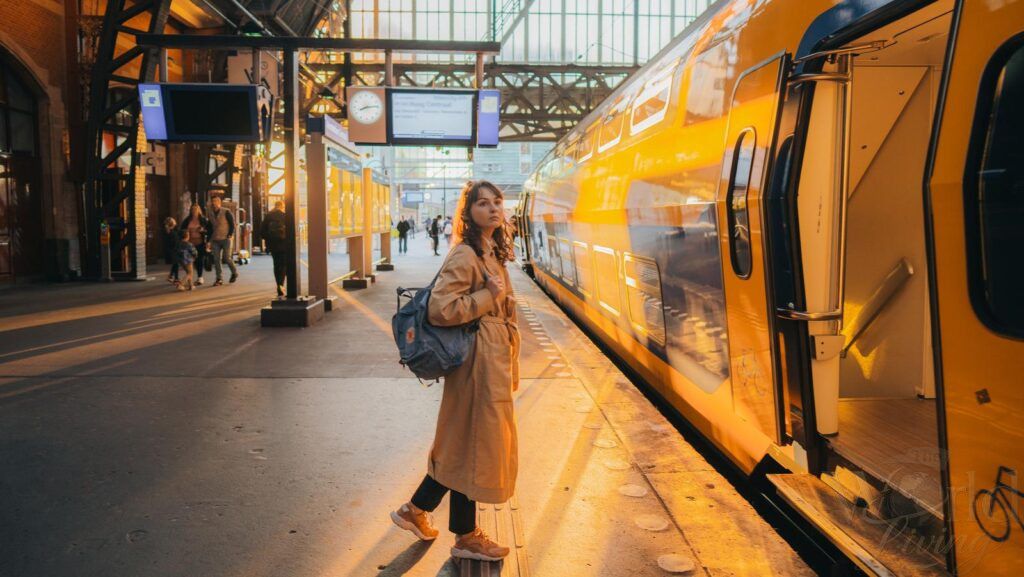
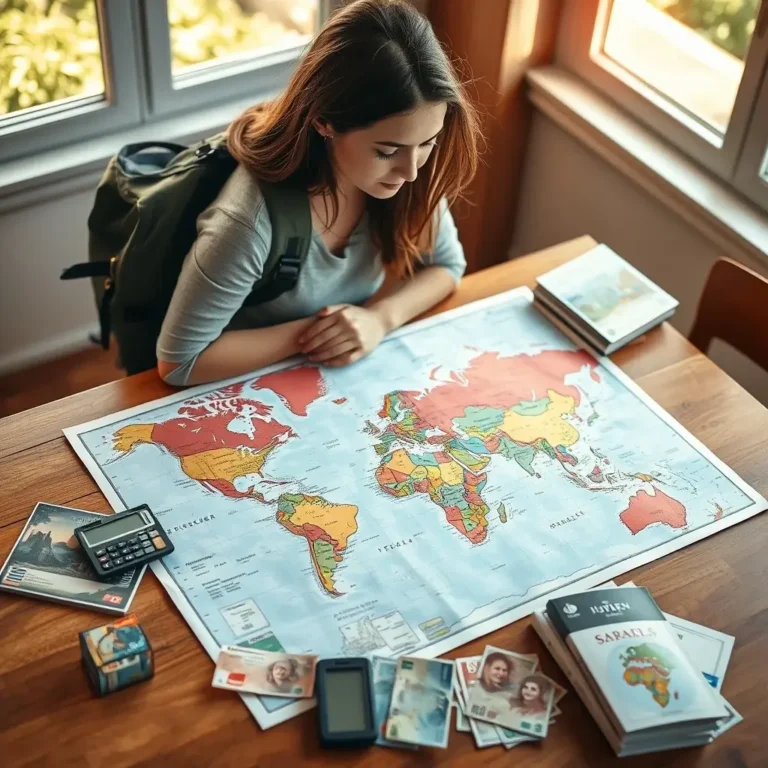
This guide will help you understand where solo travel in Europe feels easiest, how to stay safe without becoming anxious, what it really costs, and how to make your first trip feel exciting instead of overwhelming. If you’ve been putting off a solo adventure because you’re worried about safety, this article is for you.
Is solo travel in Europe safe for beginners in 2026?
Why Solo Travel in Europe Is Safe for Beginners in 2026
Yes, solo travel in Europe is generally safe for beginners in 2026, especially in well-traveled countries like Portugal, Spain, Italy, France, the Netherlands, Austria, Denmark, and Germany. Major cities and popular tourist areas are used to visitors traveling alone, and public transport is usually reliable, clean, and easy to navigate.
That said, “safe” does not mean risk-free. Like anywhere else, the biggest issues are usually petty theft, scams, getting lost late at night, and overconfidence after a few smooth days. The key is not to avoid solo travel, but to travel with awareness.
Why Europe works well for first-time solo travelers
Europe is a great choice if you want independence without too much logistical stress. Many cities are walkable, English is widely spoken in tourist areas, and trains make it easy to move between destinations without renting a car.
Another advantage is that you can tailor your trip to your comfort level. If you want a very easy first solo experience, you can stay in one city for 4 to 7 days and use it as a base. If you want more variety, you can build a route with short train rides between cities.
Best countries in Europe for beginner solo travelers
Some destinations are especially friendly for people traveling alone for the first time. These places tend to have strong infrastructure, good safety reputations, and plenty of things to do during the day and evening.
- Portugal – relaxed pace, friendly locals, strong value for money
- Spain – lively cities, excellent transport, easy social atmosphere
- Netherlands – easy public transport and very walkable cities
- Austria – clean, organized, and calm for first-timers
- Italy – incredible food and culture, though you need to stay alert in crowded places
- Denmark – very safe and efficient, though more expensive
- Ireland – English-speaking and welcoming for solo visitors
If you’re nervous, start with a city that is easy to manage and has strong tourist infrastructure. Lisbon, Amsterdam, Vienna, Barcelona, Copenhagen, Dublin, and Madrid are often good starting points, depending on your budget and interests.
How safe is solo female travel in Europe?
Solo female travel in Europe is common and usually very manageable, but it still requires the same common-sense precautions you would use anywhere. Many women travel alone across Europe every year without issues, especially when they stay in central neighborhoods, book reputable accommodation, and avoid isolated areas late at night.
In general, trust your instincts. If a street feels uncomfortable, go somewhere brighter and busier. If a driver, host, or stranger seems overly persistent, end the interaction quickly. Confidence matters more than perfection, and simple boundaries go a long way.
Practical safety habits for women traveling alone
- Choose accommodation with strong recent reviews and a 24-hour reception if possible
- Use rideshare apps or licensed taxis late at night
- Share your live location with someone you trust
- Keep your phone charged and carry a portable battery
- Avoid walking alone through empty areas after dark
- Don’t leave drinks unattended in bars or clubs
These habits are not about fear; they are about making your trip smoother and more enjoyable. The more prepared you are, the more relaxed you’ll feel.
Common risks to know before you go
The most common solo travel problems in Europe are rarely dramatic, but they can ruin your day if you’re not prepared. Petty theft is the biggest one, especially in busy tourist areas, transit hubs, and crowded attractions. Pickpockets often target distracted travelers who keep wallets, passports, or phones in easy-to-grab places.
Scams also happen. You may see fake charity petitions, “helpful” strangers offering unsolicited assistance at ATMs, or taxi drivers taking longer routes. None of this should scare you off, but it does mean you should stay alert in the same way you would in any major city.
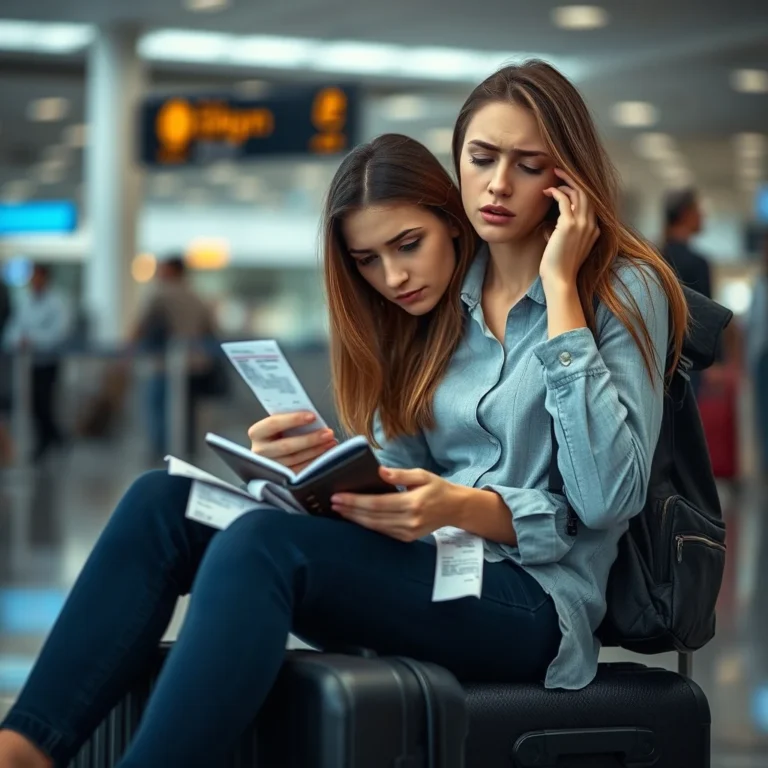
When planning solo travel in Europe, understanding common risks like pickpocketing can help you stay prepared without stress.
How to protect yourself without feeling paranoid
Use a crossbody bag that zips securely, keep valuables in front pockets or hidden pouches, and carry only what you need for the day. Make digital copies of your passport, travel insurance, and bookings. Store your emergency contact and embassy details in your phone and offline.
A useful rule for beginners is simple: if something feels rushed, unusual, or too good to be true, slow down and verify it. Most travel mistakes happen when people are tired, rushed, or trying to be polite.
Best time to visit Europe for solo travel in 2026
The best time to visit Europe for solo travel depends on your priorities. For beginners, late spring and early autumn are usually ideal because the weather is comfortable, crowds are manageable, and cities feel lively without being overwhelming.
Here’s a simple breakdown:
- April to June – one of the best times for first-time solo travelers; pleasant weather and longer daylight hours
- September to October – warm enough for sightseeing, fewer crowds than peak summer
- July to August – busiest and hottest in many cities, but great for festivals and beach trips
- November to March – cheaper in many places, but shorter days and colder weather in much of Europe
If you want an easier first trip, avoid arriving in the middle of a huge festival or holiday period unless you specifically want that atmosphere. Shoulder season is often the sweet spot for safety, comfort, and cost.
How much does solo travel in Europe cost in 2026?
Costs vary widely across Europe, but solo travelers can build a trip at almost any budget. Western and Northern Europe are usually more expensive, while parts of Southern and Eastern Europe can be much more affordable. Your biggest expenses will typically be accommodation, transport, and meals.
Estimated daily budget for solo travelers
- Budget traveler: €60–€100 per day
- Mid-range traveler: €120–€220 per day
- Comfort-focused traveler: €250+ per day
In cheaper cities, a dorm bed may cost €25–€45, a basic private room €70–€120, and a meal at a casual restaurant around €12–€25. In places like Copenhagen, Zurich, or Amsterdam, those numbers can be noticeably higher.
Typical solo travel costs to expect
- Accommodation: €30–€150 per night depending on city and style
- Local transport: €2–€5 for public transit tickets in many cities
- Intercity trains: €20–€150 depending on distance and booking time
- Museum or attraction entry: €10–€30
- Coffee: €2–€5
- Lunch or dinner: €12–€35
To save money, book trains early, travel midweek, and stay near public transport instead of in the most expensive central districts. A little planning can cut your costs significantly.
How to choose the right first destination
If this is your first solo trip, don’t try to see all of Europe at once. The best beginner itineraries usually involve one or two countries with excellent transport links and a pace that leaves room for rest. A trip that looks impressive on social media can feel exhausting in real life.
Think about your personality. If you like structure, choose Vienna, Amsterdam, or Copenhagen. If you want warmth, food, and a more relaxed rhythm, look at Lisbon, Seville, or Valencia. If you want easy cultural immersion, Rome, Florence, or Prague are strong options.
Good beginner solo trip ideas
- Lisbon + Porto for a friendly and affordable first experience
- Amsterdam + Utrecht for easy transit and walkability
- Vienna + Salzburg for clean, safe, and organized travel
- Barcelona + Madrid for a mix of beach, city life, and culture
- Dublin + Galway for English-speaking ease and warm hospitality
For your first time, a city break of 4 to 6 days is often better than a fast-moving multi-country itinerary. It gives you space to settle in, learn the transport system, and build confidence.
Accommodation tips for safe solo travel in Europe
Where you stay matters a lot when traveling alone. A cheap room far outside the center can end up costing more in transit, energy, and stress. For beginners, a safe and convenient location is usually worth paying a little extra for.
Look for accommodation near central train stations, major metro lines, or walkable neighborhoods with restaurants and shops. Read reviews carefully, especially the most recent ones, and pay attention to comments about cleanliness, staff helpfulness, and neighborhood safety at night.
What to look for when booking
- Well-reviewed hotels, hostels, or guesthouses with recent reviews
- Female-only dorms if you want extra comfort in hostels
- 24-hour reception or easy self-check-in
- Good lighting and secure entry
- Private bathroom if that makes you feel more comfortable
If you’re unsure, book the first two nights in advance and leave the rest flexible. That gives you a safety net while still allowing spontaneous changes.
Pro Tips for solo travel in Europe
Small habits can make a huge difference when you’re traveling alone. These are the kinds of tips experienced solo travelers rely on because they reduce stress and keep the trip enjoyable.
- Arrive in daylight when possible so you can find your accommodation easily
- Download offline maps before leaving the airport or train station
- Keep one card separate from your wallet in case of loss or theft
- Book major transport in advance for cheaper fares and less stress
- Learn a few local phrases even if many people speak English
- Build in rest time so you don’t get drained by constant sightseeing
- Use day tours if you want structure and easy social interaction
One of the best parts of solo travel is freedom, but freedom works best when you give yourself a loose plan. You do not need to overbook every hour to feel successful.
How to meet people while traveling solo
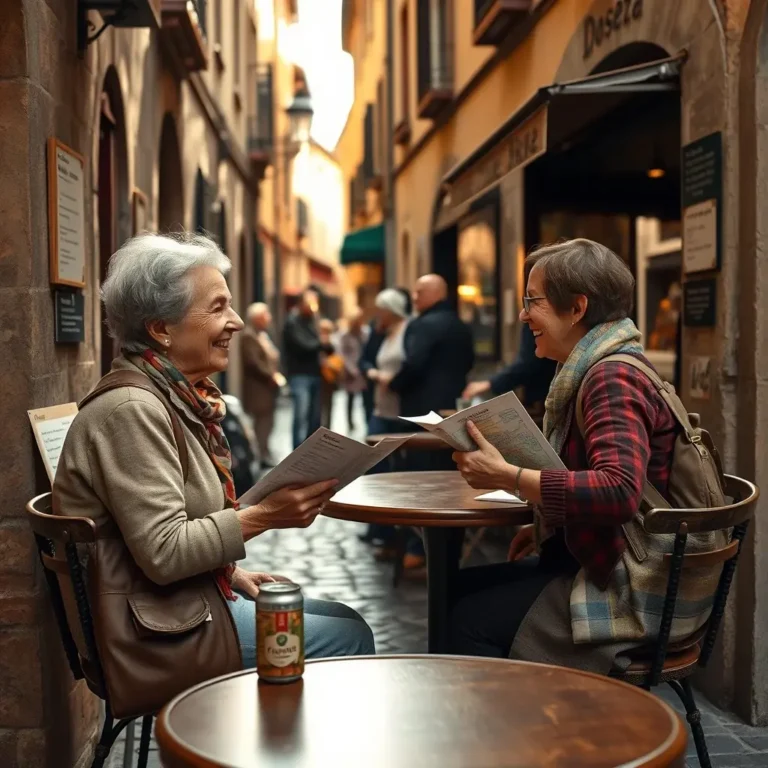
Traveling alone does not have to mean feeling lonely. Europe has lots of easy ways to meet people if you want company, from walking tours and cooking classes to hostels, group day trips, and coworking spaces. Even a casual conversation in a café can become the highlight of your trip.
If you prefer a lower-pressure approach, start with shared experiences rather than forced socializing. A small-group wine tasting in Porto, a museum tour in Paris, or a food tour in Rome gives you a chance to meet others without needing to “perform” socially.
Best ways to connect safely
- Join reputable group tours with strong reviews
- Stay in social hostels, even if you book a private room
- Use apps and local event listings for traveler meetups
- Take classes, such as cooking, cycling, or language workshops
Stay cautious with new acquaintances, just as you would at home. Meet in public places, avoid sharing too much personal information too quickly, and trust your gut if something feels off.
Key takeaways
- Solo travel in Europe is safe for beginners when you plan well and stay aware.
- Start with beginner-friendly destinations like Lisbon, Vienna, Amsterdam, or Dublin.
- Petty theft is the main risk, so use secure bags and stay alert in crowded areas.
- The best time to go is usually April to June or September to October.
- Budget around €60–€100 per day for budget travel, or more for comfort.
- Choose central, well-reviewed accommodation to reduce stress and improve safety.
- Build in downtime so your first solo trip feels enjoyable, not rushed.
FAQ about solo travel in Europe
Is Europe safe for a first-time solo traveler?
Yes, Europe is one of the safest and easiest regions for first-time solo travel, especially if you choose popular cities, stay in reputable accommodation, and avoid risky late-night situations.
What is the safest country in Europe for solo female travelers?
Countries like Denmark, Austria, the Netherlands, and Portugal are often considered very safe and beginner-friendly, but your experience also depends on the city, neighborhood, and your travel habits.
Is solo travel in Europe expensive?
It can be, but it doesn’t have to be. You can travel on a modest budget by choosing affordable cities, booking transport early, staying in hostels or budget hotels, and eating a mix of casual meals and local bakeries or markets.
Should I stay in hostels when traveling alone?
Hostels are a great option if you want to meet people and save money. If you want more privacy, choose a private room in a hostel or a small guesthouse with strong reviews.
How do I avoid looking like a tourist?
Move confidently, keep your phone out only when needed, use a crossbody bag, and plan routes before you leave. Dressing simply and staying alert often helps you blend in more easily.
For beginners, solo travel in Europe in 2026 is less about bravery and more about smart choices. Pick one or two easy destinations, travel during shoulder season, and give yourself enough structure to feel secure while still leaving room for discovery. Once you take that first trip, you may find that the confidence you built on the road follows you home.