What Makes Local Food So Different From Restaurant Food
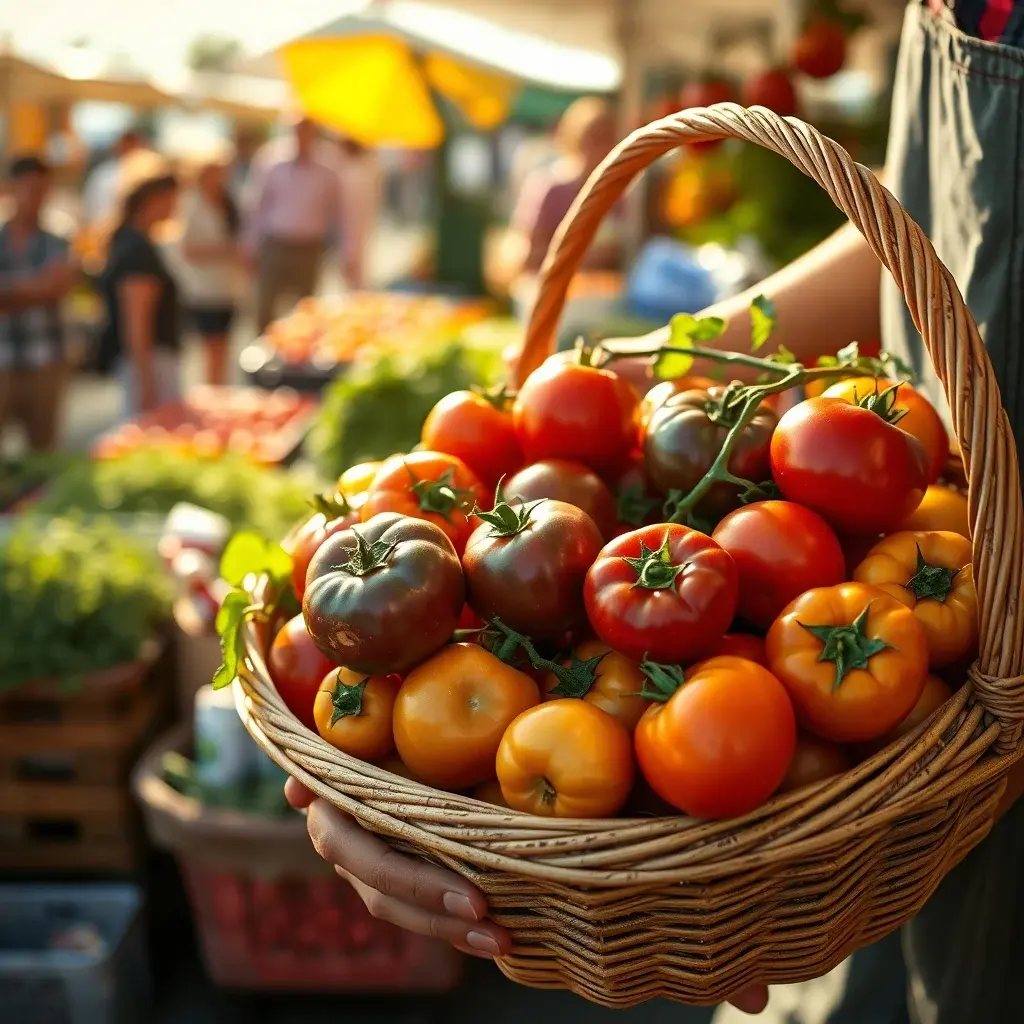
Ever wonder why that tomato you bought at the farmer’s market tastes like sunshine compared to the pale imitation on your restaurant salad? There’s a world of difference between local food and what you typically find on a restaurant menu. This article explores those differences, giving you the inside scoop on why local food often reigns supreme and how to make the most of it.
The Core Differences Between Local Food and Restaurant Food
The distinction between local food and restaurant fare isn’t just about taste; it’s about the entire journey from farm to table. Here’s a breakdown of the key areas where they diverge:
Sourcing and Seasonality
Local food is, by definition, sourced from nearby farms, often within a specific radius (e.g., 100 miles). This proximity allows farmers to harvest produce at its peak ripeness, resulting in superior flavor and nutritional content. It also means that the available ingredients change with the seasons. Restaurant food, on the other hand, often relies on large-scale distributors who source ingredients from all over the world, prioritizing consistency and availability over seasonality.
Freshness and Quality
The shorter distance local food travels translates to increased freshness. Produce retains more of its vitamins and minerals and hasn’t been subjected to long periods of storage or transportation. Restaurant ingredients may have been harvested weeks or even months before they reach your plate.
Supporting the Local Economy
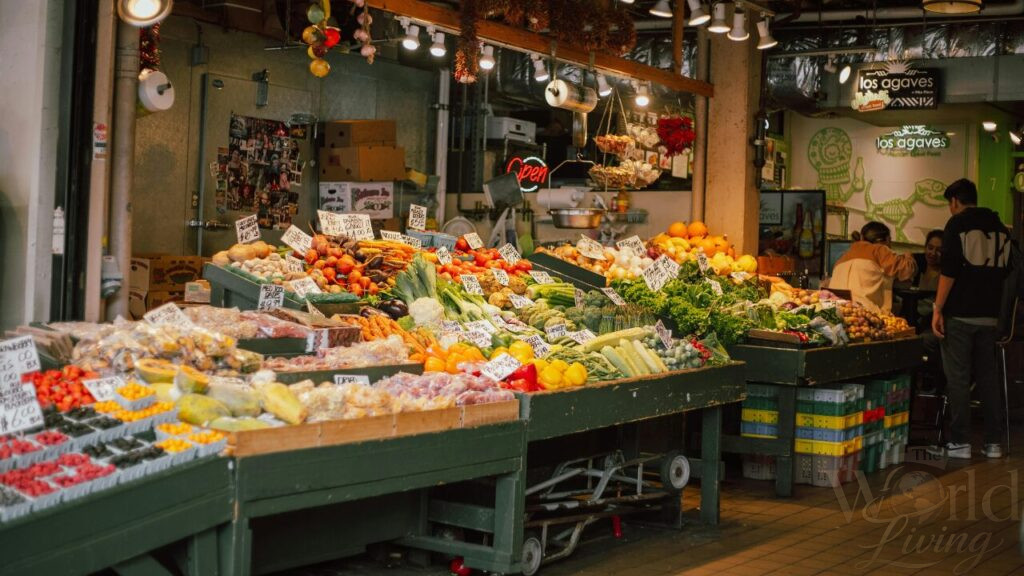
When you buy local food, you’re directly supporting the farmers and producers in your community. This strengthens the local economy and helps preserve farmland. Restaurant food purchases often benefit large corporations rather than individual farmers.
Environmental Impact
Local food generally has a lower carbon footprint than restaurant food. The reduced transportation distances minimize fuel consumption and greenhouse gas emissions. Local farmers may also employ more sustainable farming practices, such as crop rotation and reduced pesticide use.
Variety and Uniqueness
Local farms often grow unique or heirloom varieties of fruits and vegetables that aren’t available through mainstream suppliers. This provides a greater diversity of flavors and textures. Restaurants often stick to standardized ingredients to ensure consistency across their dishes.
Why Does Local Food Taste Better?
The superior taste of local food is due to a combination of factors:
- Peak Ripeness: Fruits and vegetables are harvested when they’re fully ripe, allowing their natural sugars and flavors to develop.
- Freshness: The shorter time between harvest and consumption means that the produce retains more of its flavor and aroma.
- Variety: Unique and heirloom varieties often have more complex and interesting flavors than commercially grown varieties.
- Growing Practices: Local farmers may use techniques that enhance flavor, such as soil enrichment and careful irrigation.
The Restaurant Food Perspective
It’s important to acknowledge that restaurants face different challenges than individual consumers. They need to ensure a consistent supply of ingredients, maintain stable prices, and meet the demands of a diverse customer base. Sourcing exclusively from local farms can be difficult or impossible for many restaurants, especially those that operate year-round or serve a wide range of cuisines.
Cost Considerations
Local food is often more expensive than conventionally sourced ingredients. Restaurants need to balance the cost of ingredients with their menu prices and profit margins. However, some restaurants are finding creative ways to incorporate local ingredients into their menus without significantly raising prices.
Availability and Consistency
Relying solely on local farms can be risky, as weather conditions and other factors can affect crop yields. Restaurants need to ensure a consistent supply of ingredients to meet customer demand. This is where large-scale distributors can offer a reliable alternative.
Menu Planning and Adaptability
Restaurants may need to adjust their menus based on the availability of local ingredients. This requires flexibility and creativity from chefs. Some restaurants embrace this challenge and create seasonal menus that showcase the best of what’s available locally.
How to Find and Enjoy Local Food
Ready to experience the difference that local food can make? Here are some tips for finding and enjoying it:
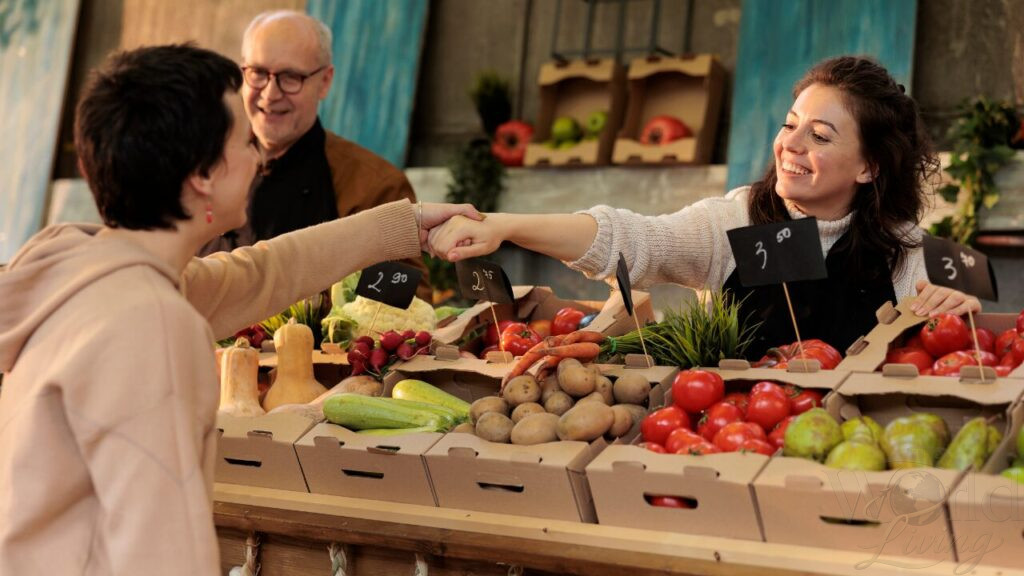
- Visit Farmers Markets: Farmers markets are a great place to meet local farmers and purchase fresh, seasonal produce.
- Join a CSA (Community Supported Agriculture) Program: CSAs allow you to buy a share of a local farm’s harvest, receiving a regular supply of fresh produce throughout the growing season.
- Look for Restaurants that Source Locally: Many restaurants are now highlighting local ingredients on their menus. Ask your server about the origin of the food.
- Grow Your Own: Even a small garden can provide you with a steady supply of fresh herbs, vegetables, and fruits.
Expert Tips for Savoring Local Flavors
- Talk to the Farmers: Ask them about their growing practices and how to best prepare their produce.
- Embrace Seasonal Cooking: Plan your meals around what’s in season to enjoy the freshest and most flavorful ingredients.
- Don’t Be Afraid to Experiment: Try new and unusual varieties of fruits and vegetables.
- Preserve the Harvest: Canning, freezing, and drying are great ways to extend the life of local produce and enjoy it year-round.
Understanding the Cost of Local Food
Local food often comes with a higher price tag, but understanding the reasons behind the cost can help you appreciate its value:
- Sustainable Practices: Local farmers may invest in sustainable practices that are more expensive but better for the environment.
- Fair Labor Practices: Local farms may pay their workers higher wages and provide better benefits.
- Smaller Scale Production: Local farms often operate on a smaller scale than large-scale commercial farms, which can increase production costs.
- Direct Marketing: Selling directly to consumers through farmers markets and CSAs can eliminate the middleman and allow farmers to receive a fairer price for their products.
Key Takeaways
- Local food emphasizes freshness, seasonality, and supporting local farmers.
- Restaurant food often prioritizes consistency, affordability, and year-round availability.
- The superior taste of local food is due to peak ripeness, freshness, and unique varieties.
- Finding and enjoying local food can be as simple as visiting a farmers market or joining a CSA.
- Understanding the cost of local food helps to appreciate its value and support sustainable farming practices.
FAQ About Local vs. Restaurant Food
What are the benefits of eating local food?
The benefits include fresher, more flavorful food, support for the local economy, reduced environmental impact, and greater variety.
Is local food always more expensive than restaurant food?
While often pricier, the added cost reflects sustainable practices and fair wages, contributing to a healthier community and environment.
How can I tell if a restaurant is truly sourcing local ingredients?
Ask your server about the origin of the food and look for restaurants that highlight local farms and producers on their menus.
What is the best time of year to buy local food?
The best time to buy local food is during the peak growing season for your region, when produce is at its freshest and most abundant.
Are there any downsides to eating local food?
The availability of local food may be limited by seasonality and weather conditions. It can also be more expensive than conventionally sourced food.
Ultimately, the choice between local food and restaurant food depends on your priorities and preferences. While restaurants provide convenience and consistency, opting for locally sourced ingredients, whether at home or when dining out, offers a richer culinary experience, supports your community, and promotes a more sustainable food system.