Traditional Foods in Japan You Must Try Beyond Sushi
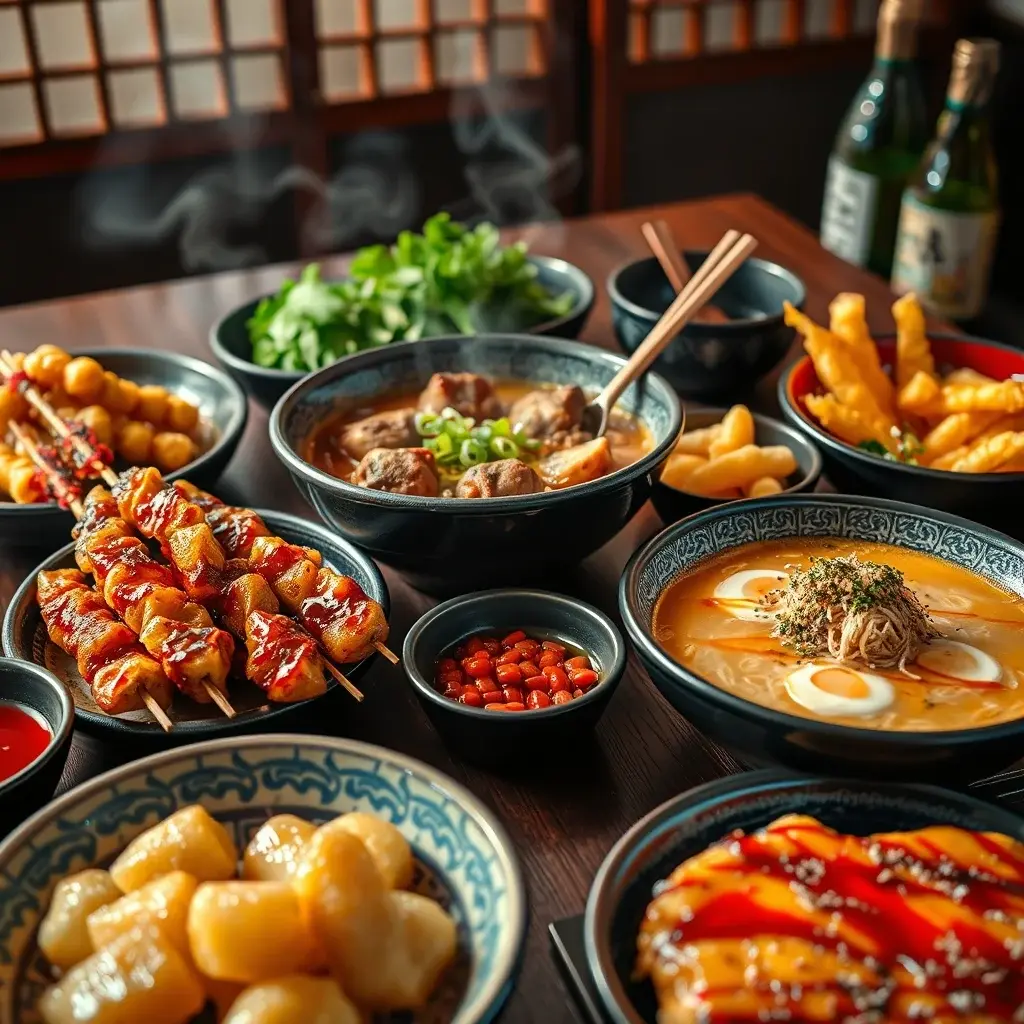
Struggling to choose what to eat in Japan beyond the usual sushi and ramen? You’re not alone. Many travelers miss out on the incredible variety of traditional foods in Japan, sticking to the familiar and overlooking some truly unique culinary experiences. This guide will take you on a gastronomic journey, showcasing must-try dishes that offer a deeper understanding of Japanese culture and flavor.
Beyond Sushi: Exploring Authentic Traditional Foods in Japan
Japan’s culinary landscape is far more diverse than many realize. From hearty comfort food to delicate, seasonal creations, there’s a dish to satisfy every palate. Forget the tourist traps and dive into the heart of Japanese cuisine with these recommendations.
Yakitori: Grilled Skewers of Delight
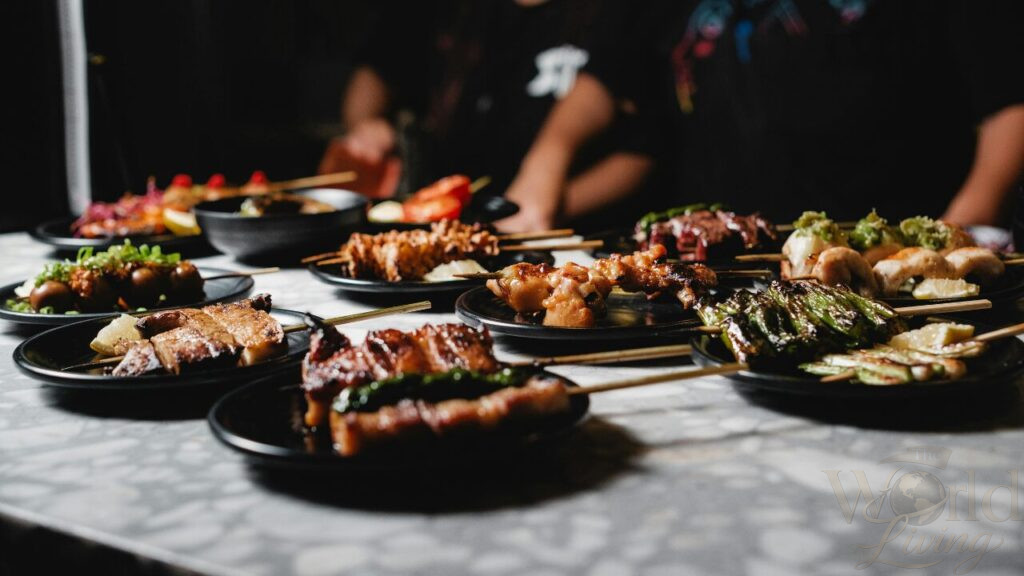
Yakitori, grilled chicken skewers, are a staple of Japanese street food and izakayas (Japanese pubs). Each skewer is carefully prepared and seasoned, offering a variety of flavors and textures.
- Momo: Chicken thigh, a classic choice.
- Negima: Chicken and scallion, a flavorful combination.
- Tsukune: Chicken meatballs, often dipped in egg yolk.
Estimated Cost: ¥150–¥300 per skewer.
Best Time to Visit: Year-round.
Local Tip: Look for yakitori-ya (yakitori restaurants) that use binchotan charcoal for a superior smoky flavor.
Tempura: Light and Crispy Perfection
Tempura is a dish of lightly battered and deep-fried seafood and vegetables. The key is the delicate batter and precise frying technique, resulting in a crispy exterior and tender interior.
- Ebi: Shrimp tempura, a popular choice.
- Kakiage: Mixed vegetable tempura, a colorful and flavorful option.
- Nasu: Eggplant tempura, surprisingly delicious.
Estimated Cost: ¥1,000–¥3,000 per person.
Best Time to Visit: Year-round, with seasonal vegetables offering unique variations.
Local Tip: Dip tempura in tentsuyu sauce and grated daikon radish for the best flavor.
Okonomiyaki: A Savory Pancake
Okonomiyaki is a savory pancake containing a variety of ingredients, such as cabbage, meat, and seafood. It’s often cooked on a griddle in front of you and topped with okonomiyaki sauce, mayonnaise, and bonito flakes.
There are two main styles of okonomiyaki:
- Osaka-style: The ingredients are mixed together before cooking.
- Hiroshima-style: The ingredients are layered on top of each other.
Estimated Cost: ¥800–¥1,500 per person.
Best Time to Visit: Year-round.
Local Tip: Try both Osaka and Hiroshima styles to see which you prefer.
Ramen: More Than Just Noodles
While often seen as a quick and cheap meal, ramen is a deeply complex and regional dish. Different regions of Japan boast unique ramen styles, each with its own broth, noodles, and toppings.
- Tonkotsu Ramen: Rich pork bone broth, popular in Kyushu.
- Shoyu Ramen: Soy sauce-based broth, a classic Tokyo style.
- Miso Ramen: Miso-based broth, hearty and warming, especially in Hokkaido.
Estimated Cost: ¥800–¥1,200 per bowl.
Best Time to Visit: Year-round.
Local Tip: Don’t be afraid to slurp your noodles – it’s considered a sign of enjoyment!
Udon and Soba: Noodle Alternatives
Beyond ramen, Japan offers other delicious noodle options: udon and soba. Udon noodles are thick and chewy, while soba noodles are thin and made from buckwheat flour.
- Kake Udon/Soba: Simple noodles in a broth, often topped with scallions and tempura flakes.
- Tempura Udon/Soba: Noodles topped with tempura.
- Zaru Soba: Cold soba noodles served with a dipping sauce.
Estimated Cost: ¥600–¥1,000 per bowl.
Best Time to Visit: Year-round.
Local Tip: Try zaru soba in the summer for a refreshing meal.
Kaiseki: A Multi-Course Culinary Art Form
Kaiseki is a traditional multi-course Japanese dinner, showcasing seasonal ingredients and culinary techniques. It’s a refined and elegant dining experience, often served in ryokans (traditional Japanese inns).
Estimated Cost: ¥10,000–¥30,000 per person.
Best Time to Visit: Varies depending on seasonal ingredients.
Local Tip: Make reservations well in advance, especially for popular restaurants.
Shabu-Shabu and Sukiyaki: Hot Pot Experiences
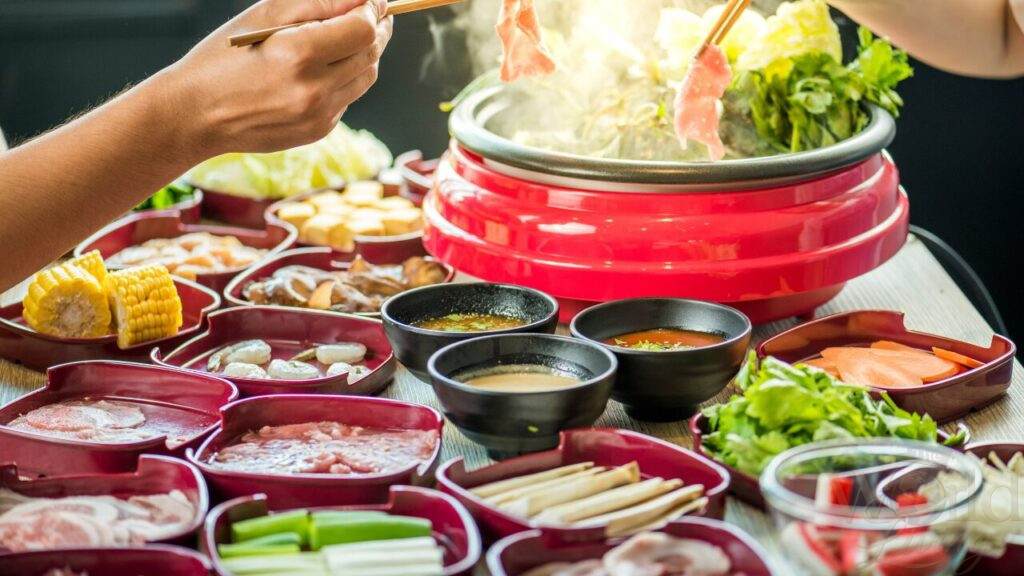
Shabu-shabu and sukiyaki are hot pot dishes where thinly sliced meat and vegetables are cooked in a simmering broth at the table. They’re perfect for sharing and offer a communal dining experience.
- Shabu-shabu: Meat is quickly swished in the broth and dipped in a sesame or ponzu sauce.
- Sukiyaki: Meat and vegetables are cooked in a sweet soy sauce-based broth and often dipped in raw egg.
Estimated Cost: ¥4,000–¥8,000 per person.
Best Time to Visit: Year-round, especially enjoyable in colder months.
Local Tip: Don’t overcook the meat in shabu-shabu; a quick swish is all it needs.
Unagi: Grilled Eel
Unagi, or grilled eel, is a delicacy in Japan. It’s often served glazed with a sweet and savory sauce and is believed to be a summer stamina booster.
Estimated Cost: ¥2,000–¥5,000 per person.
Best Time to Visit: Summer, especially during the Day of the Ox (Doyo no Ushi no Hi).
Local Tip: Look for restaurants that grill their eel fresh, rather than using pre-grilled eel.
Motsunabe: Fukuoka’s Soul Food
Motsunabe is a hot pot dish originating from Fukuoka, featuring beef or pork offal (motsu), vegetables, and garlic chives in a miso or soy sauce-based broth. It’s a hearty and flavorful dish, perfect for adventurous eaters.
Estimated Cost: ¥3,000–¥6,000 per person.
Best Time to Visit: Year-round, especially enjoyable in colder months.
Local Tip: Try it with a side of champon noodles to soak up the delicious broth at the end.
Pro Tips for Exploring Japanese Cuisine
- Don’t be afraid to try new things: Japanese cuisine is full of surprises, so step outside your comfort zone and experiment.
- Learn basic Japanese phrases: Knowing a few basic phrases like “arigato” (thank you) and “oishii” (delicious) will go a long way.
- Eat like a local: Venture beyond the tourist areas and explore local restaurants and markets.
- Ask for recommendations: Don’t hesitate to ask locals for their favorite dishes and restaurants.
Expert Tips
- Utilize Tabelog: Tabelog is a popular Japanese restaurant review website.
- Consider a food tour: A food tour can be a great way to sample a variety of dishes and learn about Japanese cuisine.
- Visit a depachika: Depachika are basement food halls in department stores, offering a wide array of gourmet foods and snacks.
FAQ About Traditional Japanese Food
What is the most popular traditional food in Japan?
While sushi is widely known, ramen, tempura, and yakitori are also incredibly popular and considered staple traditional foods in Japan.
Is Japanese food expensive?
Japanese food can range from very affordable (like ramen and udon) to quite expensive (like kaiseki and high-end sushi). There’s something for every budget.
What are some common ingredients in Japanese cuisine?
Common ingredients include soy sauce, miso, dashi (fish broth), rice, and various types of seaweed.
Are there vegetarian options in Japanese cuisine?
Yes, there are vegetarian options, such as vegetable tempura, tofu dishes, and some noodle dishes. However, it’s important to check ingredients carefully, as dashi (fish broth) is often used.
What is the best time to visit Japan for food?
Japan is a great place to visit year-round for food. Each season offers unique ingredients and dishes.
Key Takeaways
- Japanese cuisine is incredibly diverse and offers much more than just sushi.
- Explore regional specialties and don’t be afraid to try new things.
- Enjoy the communal dining experiences of hot pot dishes like shabu-shabu and sukiyaki.
- Utilize online resources and local recommendations to find the best restaurants.
Exploring the world of traditional foods in Japan is an adventure for your taste buds and a way to connect with the culture. So, venture beyond the familiar, embrace the unknown, and discover the delicious secrets that Japanese cuisine has to offer. You won’t be disappointed.