Why Experiencing Different Cultures Matters
Ever feel stuck in a routine, like you’re seeing the world through the same lens every day? Experiencing different cultures is the ultimate antidote, shaking up your perspectives and injecting a vibrant dose of understanding into your life. It’s more than just ticking off destinations on a map; it’s about immersing yourself in new ways of life, tasting unfamiliar flavors, and connecting with people who see the world differently.
In this article, we’ll explore the profound beauty of cultural immersion, offering practical tips and insights to help you make the most of your journey. From navigating language barriers to respecting local customs, we’ll cover everything you need to know to experience the world in a more meaningful and enriching way. Prepare to have your horizons broadened and your appreciation for humanity deepened.
The Power of Experiencing Different Cultures
There’s a world of difference between seeing a photo of the Eiffel Tower and standing beneath its towering iron lattice, feeling the Parisian breeze on your face. Experiencing different cultures offers a multi-sensory immersion that goes far beyond surface-level tourism. It challenges your assumptions, fosters empathy, and expands your understanding of the human experience.
- Broadens Perspectives: Stepping outside your comfort zone exposes you to new ways of thinking, living, and interacting.
- Fosters Empathy: By understanding different cultures, you develop a deeper appreciation for the challenges and triumphs of others.
- Enhances Creativity: Exposure to new ideas and perspectives can spark creativity and innovation in your own life.
- Promotes Personal Growth: Navigating unfamiliar situations builds resilience, adaptability, and self-confidence.
Planning Your Cultural Immersion Trip
The key to a truly enriching cultural experience lies in thoughtful planning. It’s not just about booking a flight and finding a hotel; it’s about researching the local culture, learning a few basic phrases, and being open to new experiences.
Choosing Your Destination
Consider your interests and goals when selecting your destination. Are you fascinated by ancient history? Do you want to learn a new language? Are you eager to try exotic cuisine? Choose a place that aligns with your passions and offers opportunities for cultural immersion.
Researching Local Customs
Before you go, take the time to learn about the local customs and etiquette. What is considered polite or impolite behavior? What are the dress codes? What are the common greetings? Understanding these nuances will help you avoid unintentional offense and show respect for the local culture.
Learning Basic Phrases
Even a few basic phrases in the local language can go a long way in building rapport and showing respect. Learn how to say hello, thank you, please, and excuse me. Locals will appreciate your effort and be more likely to welcome you into their community.
Best Time to Visit
The best time to visit depends on your destination and interests. Consider the weather, festivals, and holidays when planning your trip. Research peak tourist seasons to avoid crowds and potentially higher prices.
Tips for Immersing Yourself in a New Culture
Once you arrive at your destination, put your research into practice and embrace the opportunity to immerse yourself in the local culture. Here are a few tips to help you make the most of your experience:
Embrace the Unknown
Be open to trying new things, even if they seem unfamiliar or uncomfortable. Step outside your comfort zone and embrace the unknown. You might be surprised at what you discover.
Eat Like a Local
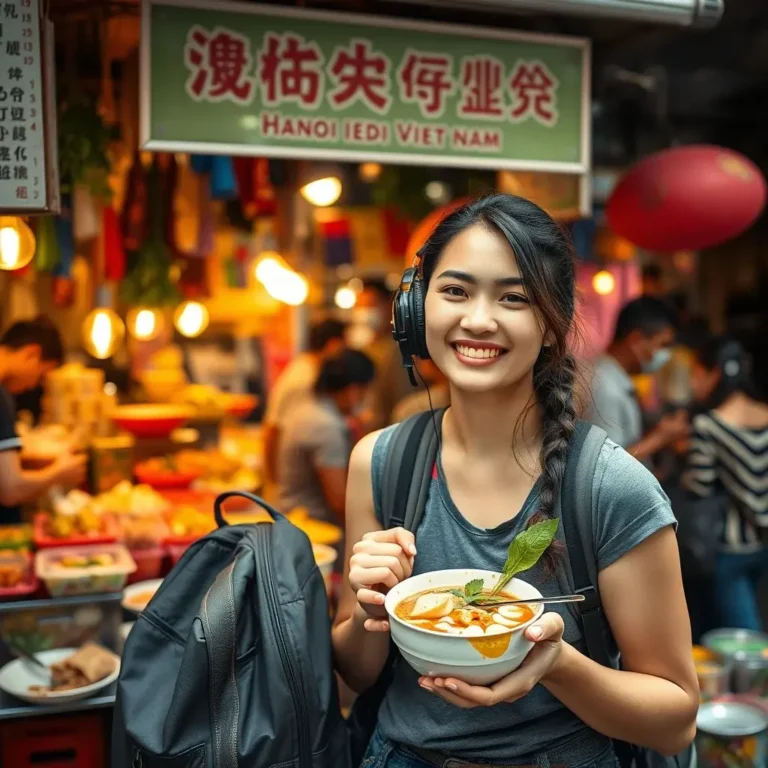
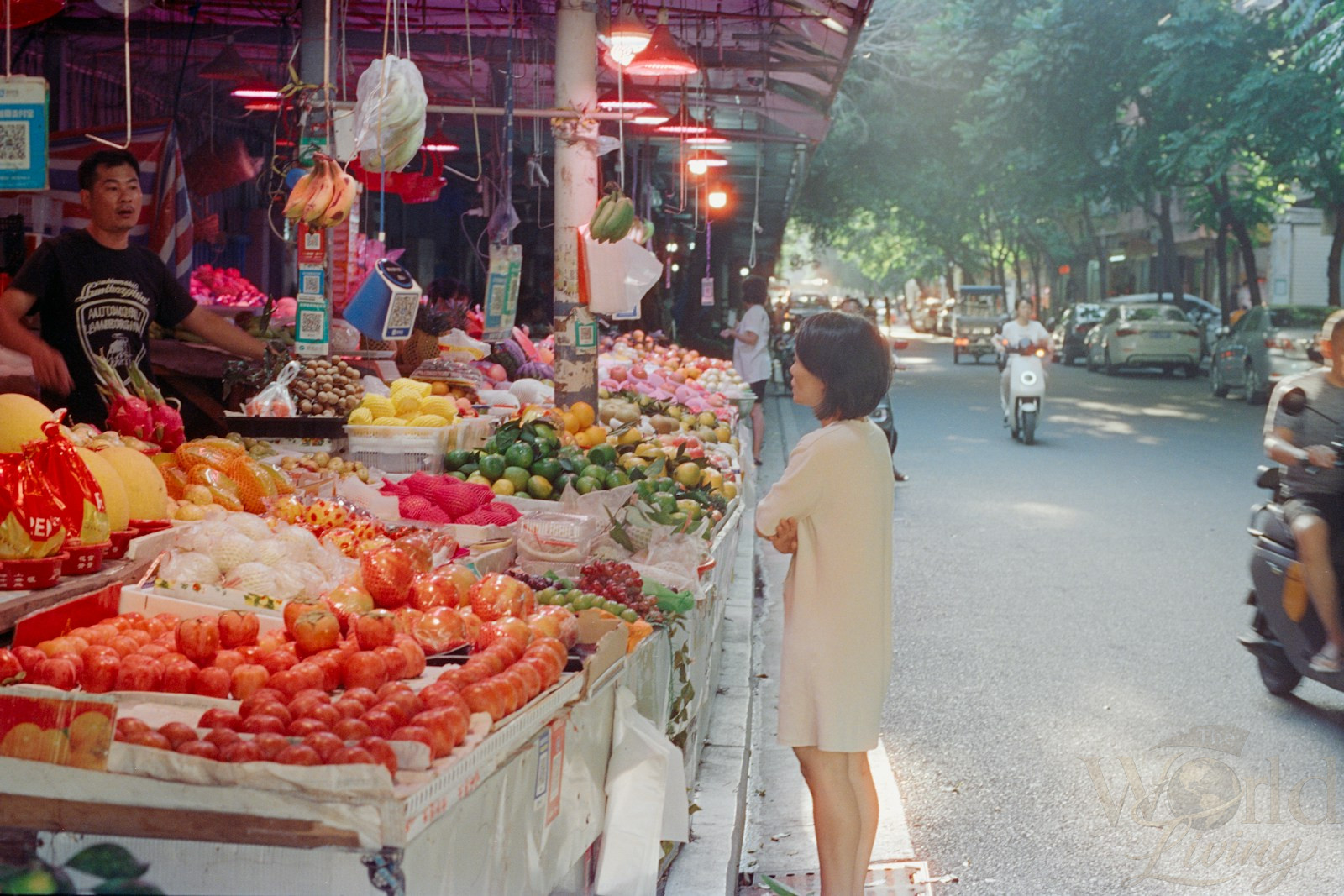
Food is an integral part of any culture. Venture beyond the tourist restaurants and try the local delicacies. Visit local markets, sample street food, and learn about the ingredients and preparation methods.
Attend Local Events
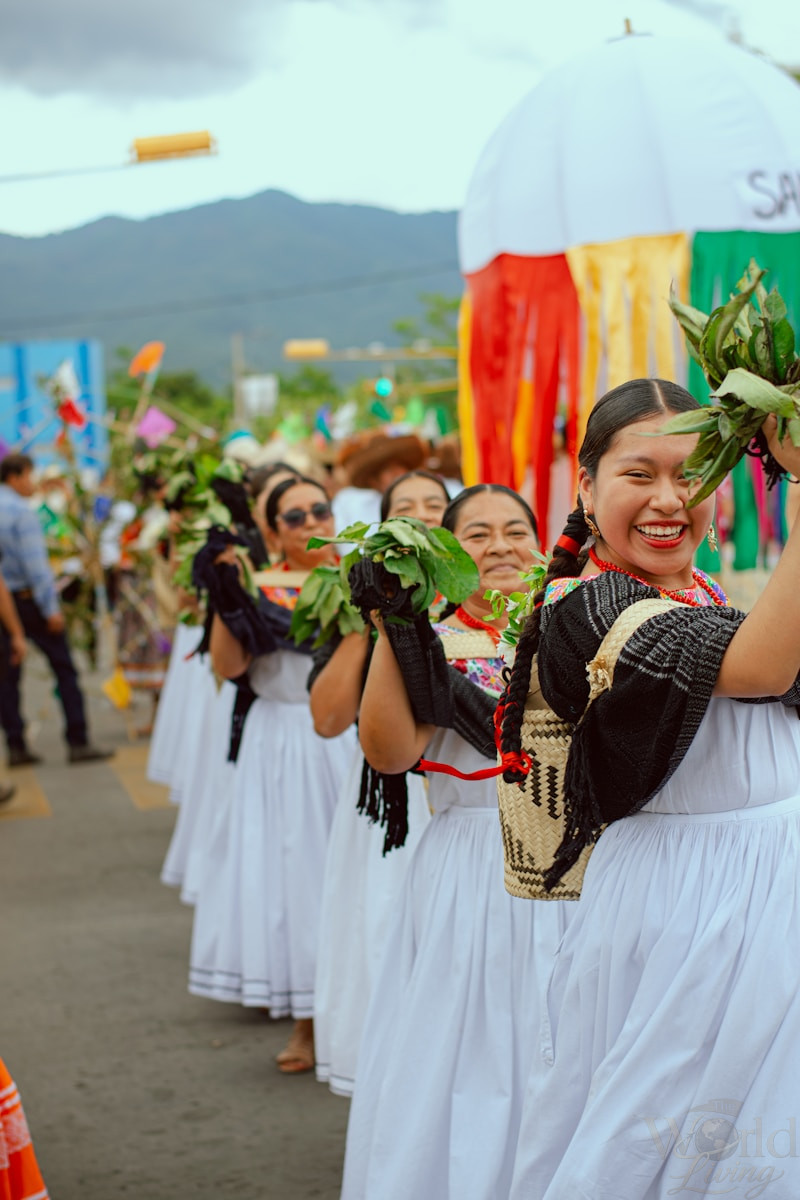
Look for local events, festivals, and celebrations. These events offer a glimpse into the heart of the culture and provide opportunities to interact with locals. Check local listings or ask your hotel concierge for recommendations.
Engage with Locals
Don’t be afraid to strike up conversations with locals. Ask them about their lives, their culture, and their favorite things to do in the area. Be respectful, curious, and open-minded.
Respect Local Customs
Always be mindful of local customs and etiquette. Dress modestly when visiting religious sites, remove your shoes when entering someone’s home, and avoid public displays of affection in conservative cultures. Observing these customs shows respect and helps you build positive relationships with locals.
Learn from Your Mistakes
You’re bound to make mistakes along the way. Don’t be discouraged. Learn from your errors and move on. Apologize sincerely if you accidentally offend someone and use the experience as an opportunity to learn more about the culture.
Common Challenges and How to Overcome Them
Cultural immersion can be challenging at times. You may experience culture shock, language barriers, or feelings of isolation. Here are a few tips for overcoming these challenges:
Culture Shock
Culture shock is a common reaction to being in a new and unfamiliar environment. It can manifest as feelings of anxiety, frustration, or homesickness. To cope with culture shock, try to maintain a routine, connect with other travelers, and focus on the positive aspects of your experience.
Language Barriers
Language barriers can make it difficult to communicate and connect with locals. Use translation apps, learn basic phrases, and be patient and understanding. Non-verbal communication, such as gestures and facial expressions, can also be helpful.
Feeling Isolated
It’s natural to feel isolated when you’re away from your familiar support system. Connect with other travelers, join local groups or activities, and stay in touch with friends and family back home. Remember that you’re not alone and that many other people have experienced similar feelings.
The Long-Term Benefits of Cultural Experiences
The benefits of experiencing different cultures extend far beyond your trip. Cultural immersion can have a profound and lasting impact on your personal and professional life.
- Increased Empathy and Understanding: You’ll develop a greater appreciation for the diversity of human experience and be more empathetic to the challenges faced by others.
- Improved Communication Skills: You’ll become a more effective communicator, able to navigate cultural differences and build rapport with people from diverse backgrounds.
- Enhanced Problem-Solving Abilities: You’ll become more adaptable and resourceful, able to think outside the box and find creative solutions to challenges.
- Greater Self-Awareness: You’ll gain a deeper understanding of your own values, beliefs, and biases.
Pro Tips for Cultural Immersion
- Travel Slowly: Spend more time in fewer places to truly immerse yourself in the local culture.
- Stay in Local Accommodations: Choose guesthouses, homestays, or Airbnb over large hotels to connect with locals.
- Take a Cooking Class: Learn to prepare local dishes and gain insights into the culture through its cuisine.
- Volunteer: Give back to the community by volunteering your time and skills.
Key Takeaways
- Experiencing different cultures broadens your perspectives and fosters empathy.
- Careful planning and research are essential for a successful cultural immersion trip.
- Embrace the unknown, engage with locals, and respect local customs.
- Overcome challenges by staying positive, connecting with others, and learning from your mistakes.
- The long-term benefits of cultural experiences include increased empathy, improved communication skills, and greater self-awareness.
FAQ About Cultural Immersion
What is the best way to experience different cultures authentically?
The best way is to immerse yourself in the local community, engage with locals, try new foods, and participate in local events. Avoid tourist traps and seek out authentic experiences.
How can I prepare for potential culture shock?
Research the culture beforehand, learn some basic phrases, and be open to new experiences. Maintain a routine, connect with other travelers, and focus on the positive aspects of your trip.
What are some ethical considerations when traveling to different cultures?
Respect local customs, dress modestly when visiting religious sites, and avoid activities that exploit or harm local communities. Support sustainable tourism practices.
How can I overcome language barriers when traveling abroad?
Use translation apps, learn basic phrases, and be patient and understanding. Non-verbal communication can also be helpful.
Ultimately, the beauty of experiencing different cultures lies in its transformative power. It challenges our assumptions, broadens our perspectives, and fosters a deeper understanding of the human experience. So, pack your bags, open your mind, and prepare to embark on a journey of discovery that will change the way you see the world. The experience of different cultures is waiting to enrich your life in ways you never imagined.