The Best Travel Strategies for First-Time Travelers
Planning your first big trip? Overwhelmed? You’re not alone. Many first-time travelers get bogged down in the details and miss out on the joy of the experience. That’s why having solid travel strategies in place is absolutely essential. This guide will cut through the noise and give you practical, actionable steps to make your first adventure smooth, stress-free, and unforgettable.
Essential Travel Strategies for First-Time Travelers
So, you’re ready to explore the world! But where do you start? Here’s a breakdown of the most important travel strategies to consider before you even pack your bags.
1. Define Your Travel Style and Preferences
Before diving into destinations, take a moment to understand your travel personality. Are you a budget backpacker or a luxury explorer? Do you prefer bustling cities or quiet countryside retreats? Identifying your preferences will help you choose destinations and activities that truly resonate with you. Consider these questions:
- What’s your budget?
- What kind of activities do you enjoy (hiking, museums, nightlife)?
- What level of comfort are you seeking?
- Who are you traveling with (solo, couple, family)?
2. Choose Your Destination Wisely
Once you know your travel style, research destinations that align with your interests and budget. Read travel blogs, browse travel guides, and watch documentaries to get a feel for different places. Consider factors such as:
- Visa requirements
- Safety and security
- Language barriers
- Cultural norms
- Climate
Pro Tip: Start with a destination that’s relatively easy to navigate for first-timers. Western Europe, Canada, and Australia are often good choices.
3. Plan Your Budget Meticulously
Budgeting is crucial for any trip, but especially for first-time travelers who might underestimate costs. Create a detailed spreadsheet that includes:
- Transportation (flights, trains, buses)
- Accommodation (hotels, hostels, Airbnb)
- Food and drinks
- Activities and entrance fees
- Travel insurance
- Visas and vaccinations
- Souvenirs
- Contingency fund (for unexpected expenses)
Estimated Costs: A budget trip to Southeast Asia can cost around $30-$50 per day, while a mid-range trip to Europe might be $100-$150 per day. Luxury travel can easily exceed $300+ per day.
4. Book Flights and Accommodation in Advance
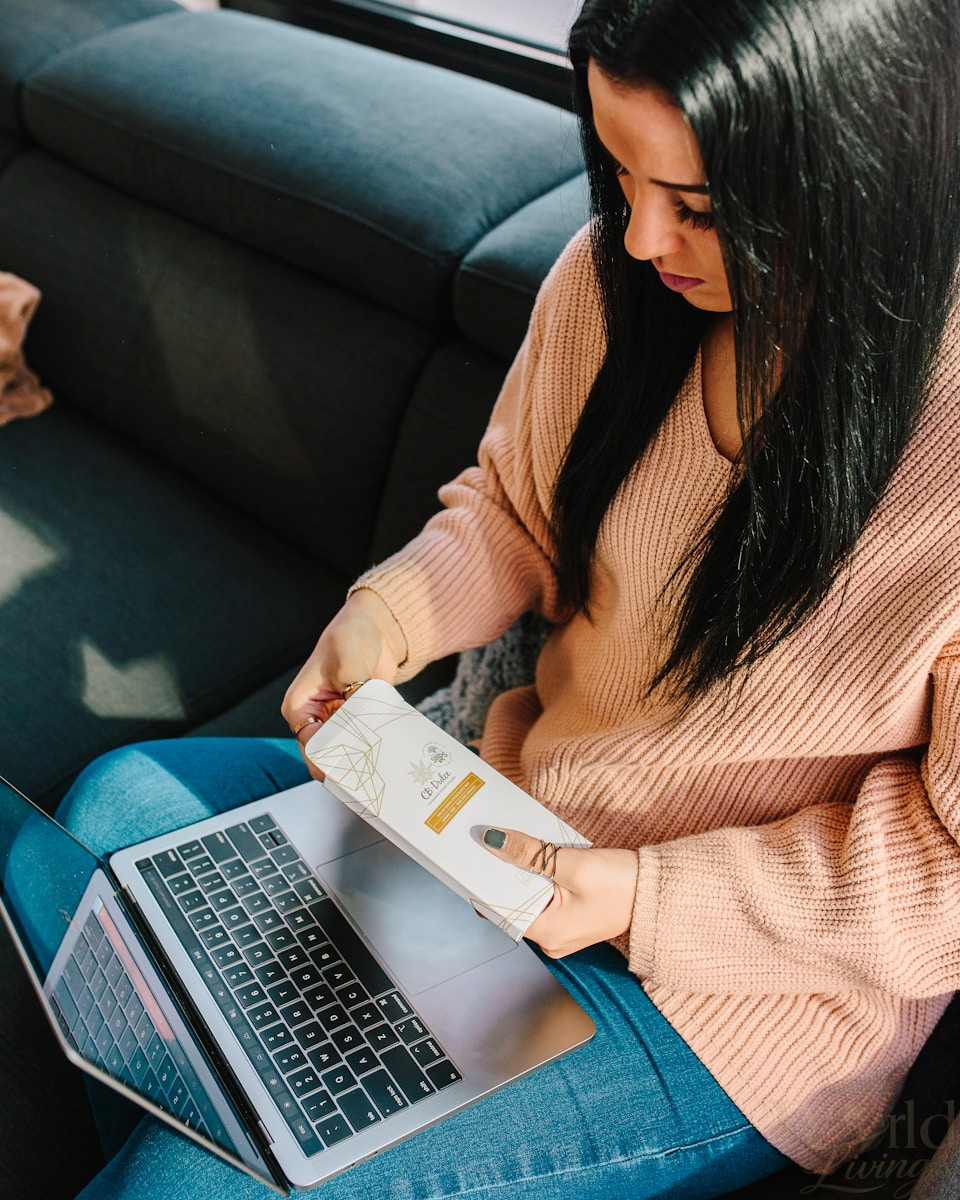
Waiting until the last minute to book flights and accommodation can be a costly mistake. Aim to book your flights at least 2-3 months in advance for the best deals. Use websites like Skyscanner, Google Flights, and Kayak to compare prices. For accommodation, consider booking through Booking.com, Airbnb, or Hostelworld, depending on your budget and preferences.
5. Pack Smart, Not Hard
Overpacking is a common mistake among first-time travelers. Create a packing list and stick to it. Choose versatile clothing items that can be mixed and matched. Consider using packing cubes to maximize space. Don’t forget essential items such as:
- Passport and visa
- Travel insurance details
- Medications
- Universal adapter
- Phone and charger
- Comfortable shoes
Pro Tip: Roll your clothes instead of folding them to save space and minimize wrinkles.
6. Get Travel Insurance
Travel insurance is non-negotiable. It protects you against unexpected events such as medical emergencies, trip cancellations, lost luggage, and theft. Compare different policies and choose one that suits your needs and budget. World Nomads and Allianz Travel are reputable providers.
7. Learn Basic Phrases in the Local Language
Knowing a few basic phrases in the local language can go a long way in making your trip more enjoyable and respectful. Learn greetings, basic directions, and how to order food. Apps like Duolingo and Memrise can be helpful.
Local Tip: Locals appreciate the effort, even if your pronunciation isn’t perfect!
8. Stay Connected
Staying connected is important for safety, navigation, and communication. Consider purchasing a local SIM card or using an international roaming plan. Wi-Fi is often available in hotels, cafes, and public spaces.
9. Be Aware of Your Surroundings
Pay attention to your surroundings and be mindful of potential scams or petty theft. Avoid walking alone at night in unfamiliar areas. Keep your valuables secure and out of sight. Trust your instincts and don’t be afraid to ask for help if you feel uncomfortable.
10. Embrace the Unexpected
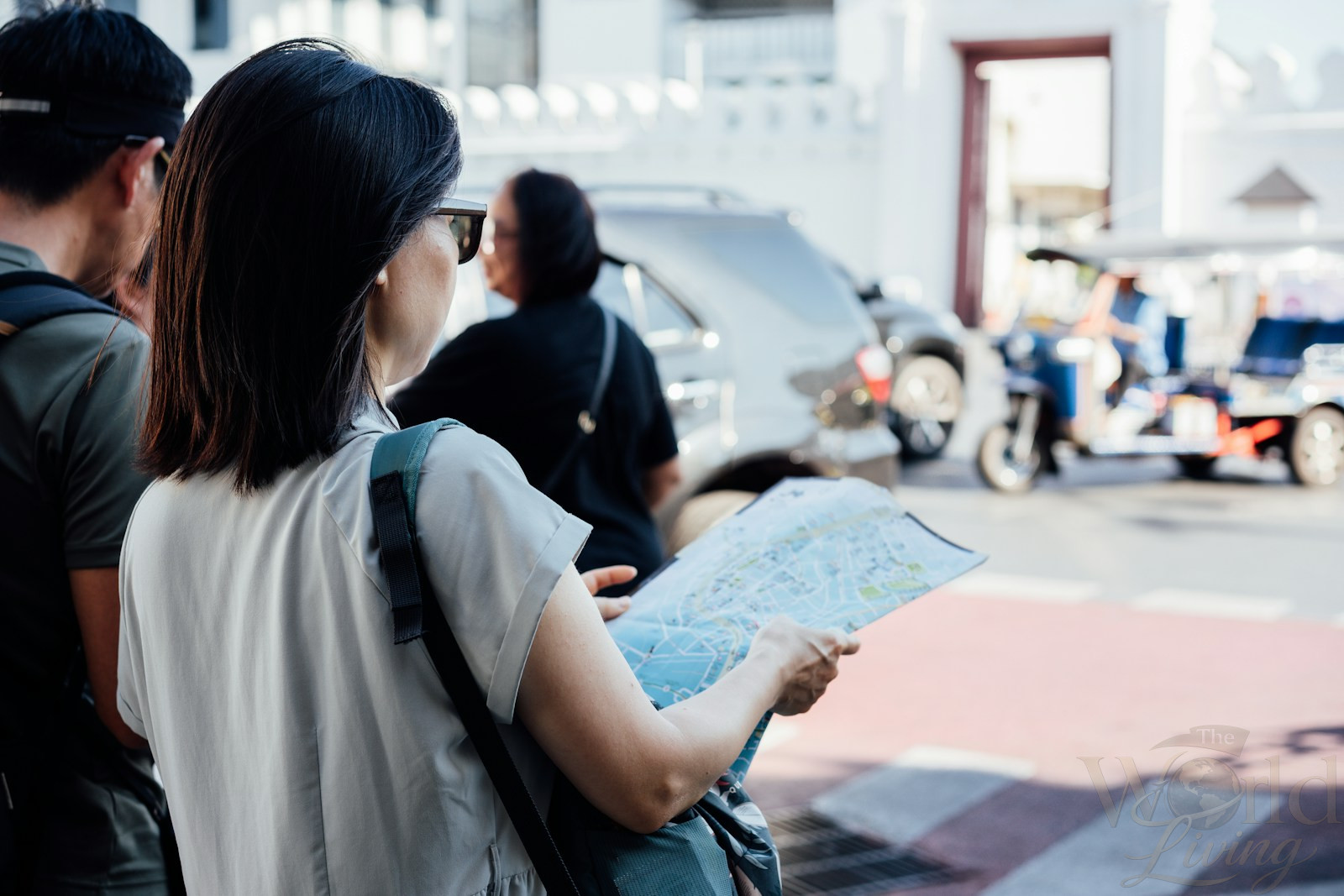
Things don’t always go according to plan when you’re traveling. Flights get delayed, buses get missed, and unexpected detours happen. Instead of getting stressed, embrace the unexpected and see it as an opportunity for adventure. Be flexible, adaptable, and open to new experiences.
Advanced Travel Strategies to Enhance Your Experience
Once you’ve mastered the basics, here are some advanced travel strategies to take your trips to the next level.
1. Leverage Travel Rewards Programs
Sign up for airline and hotel loyalty programs to earn points and miles that can be redeemed for free flights and accommodation. Consider getting a travel credit card that offers bonus points and perks such as airport lounge access and travel insurance.
2. Travel Off-Season
Traveling during the off-season can save you money on flights and accommodation, and you’ll also avoid the crowds. The shoulder seasons (spring and fall) often offer the best weather and prices.
3. Immerse Yourself in the Local Culture
Go beyond the tourist attractions and immerse yourself in the local culture. Take a cooking class, learn a traditional craft, attend a local festival, or volunteer with a community organization. These experiences will give you a deeper understanding of the place and its people.
4. Use Technology to Your Advantage
There are countless travel apps and websites that can help you plan your trip, navigate new places, and stay connected. Use apps like Google Maps, Citymapper, and Maps.me for navigation. Use apps like TripAdvisor and Yelp to find restaurants and attractions. Use apps like XE Currency Converter to manage your finances.
5. Stay Healthy on the Road
Traveling can take a toll on your health. Get vaccinated before you go, pack a first-aid kit, and stay hydrated. Be mindful of what you eat and drink, and avoid tap water in countries where it’s not safe. Get enough sleep and exercise regularly.
Expert Tips for First-Time Travelers
- Research visa requirements well in advance. Don’t leave this to the last minute!
- Make copies of important documents. Keep them separate from the originals.
- Inform your bank and credit card companies of your travel dates to avoid having your cards blocked.
- Download offline maps before you go in case you don’t have internet access.
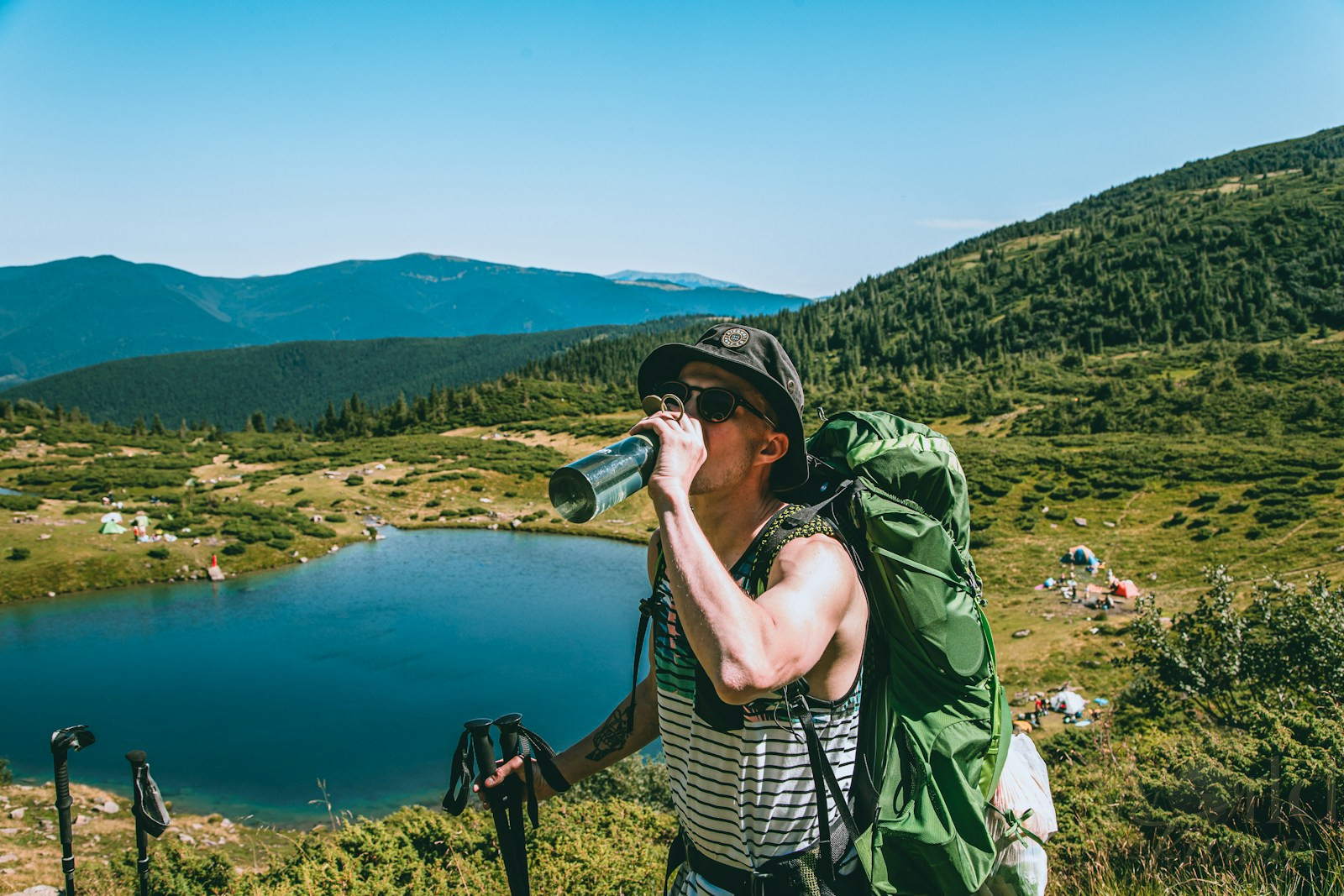
- Pack a reusable water bottle to stay hydrated and reduce plastic waste.
Key Takeaways for First-Time Travel Strategies
- Plan ahead and book in advance.
- Budget carefully and track your expenses.
- Pack light and smart.
- Get travel insurance.
- Be aware of your surroundings and stay safe.
- Embrace the unexpected and have fun!
FAQ About Travel Strategies
What are the best travel strategies for saving money?
Travel during the off-season, book in advance, stay in hostels or Airbnb, cook your own meals, use public transportation, and take advantage of free activities.
How can I stay safe while traveling?
Be aware of your surroundings, avoid walking alone at night, keep your valuables secure, trust your instincts, and get travel insurance.
What should I pack for my first trip?
Pack light, choose versatile clothing items, and don’t forget essential items such as your passport, visa, medications, and a universal adapter.
What are some common mistakes first-time travelers make?
Overpacking, not budgeting properly, not getting travel insurance, and not researching their destination are common mistakes.
How important is travel insurance?
Travel insurance is extremely important. It protects you against unexpected events such as medical emergencies, trip cancellations, and lost luggage.
By implementing these travel strategies, your first trip will be an enriching and positive experience. Remember to stay open-minded, be respectful of local cultures, and most importantly, enjoy the journey. The world is waiting to be explored!