Why Travel Is More About Feelings Than Places

Ever come back from a trip and struggle to explain what made it so special? It’s easy to list the sights, the food, and the activities, but the real magic of travel often lies in something deeper. This article will explore why travel is more about feelings than places, diving into how emotions shape our experiences and why that matters for truly meaningful adventures.
The Illusion of the Perfect Place
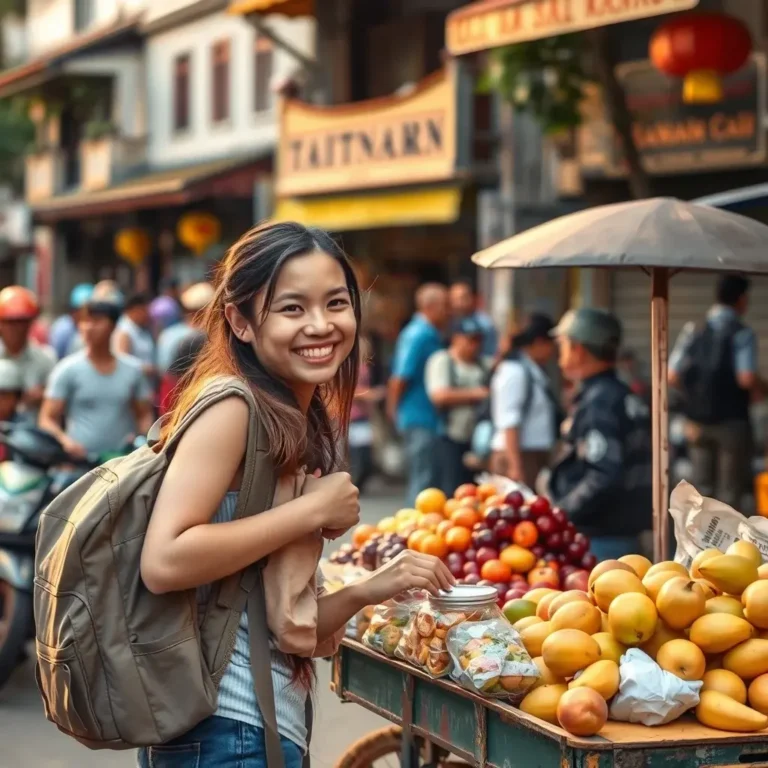
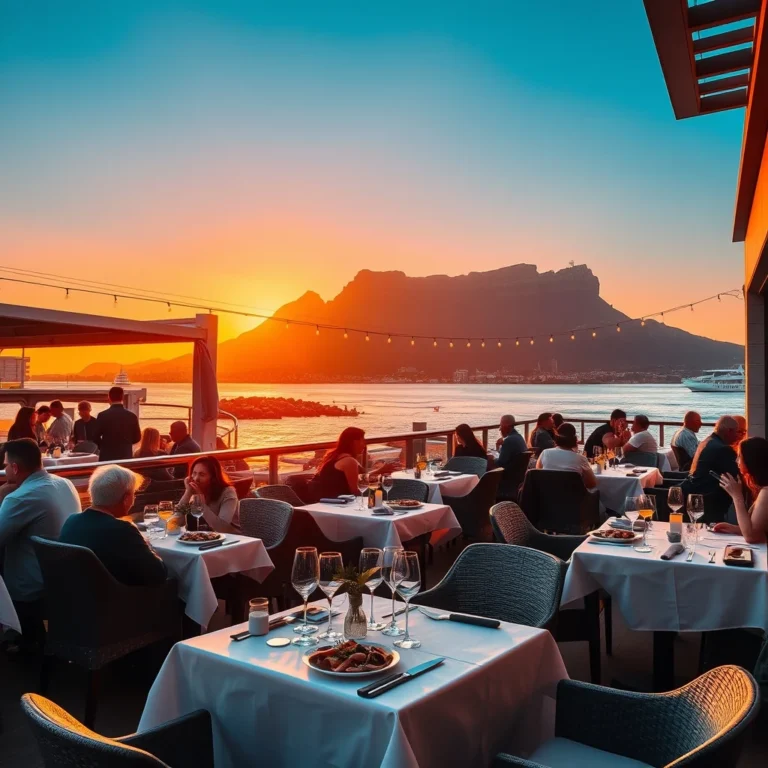
We often chase the perfect destination, fueled by Instagram photos and travel brochures promising paradise. But here’s the thing: paradise is subjective. A pristine beach might bore one person while another finds it blissful. A bustling city could exhilarate one traveler and overwhelm another. What truly matters is how a place makes you feel.
Think about it: Have you ever visited a highly-rated attraction and felt…underwhelmed? Or stumbled upon a hidden gem that unexpectedly moved you? The difference often lies in the emotional connection you form with the experience.

Why Feelings Matter More Than Landmarks
Landmarks are impressive, no doubt. But feelings are what transform a trip from a sightseeing tour into a life-enriching journey. Here’s why:
- Memories are Emotionally Tagged: Our brains prioritize memories associated with strong emotions. You might forget the exact date you visited the Eiffel Tower, but you’ll likely remember the feeling of awe and excitement you experienced while standing beneath it.
- Feelings Shape Perspective: How you feel influences how you perceive a place. If you’re stressed and rushed, even the most beautiful scenery can feel chaotic. If you’re relaxed and open, you’re more likely to appreciate the small details and connect with the local culture.
- Authentic Connection: Travel experiences that resonate emotionally allow you to connect with yourself and others on a deeper level. Sharing a laugh with a local, witnessing a breathtaking sunrise, or overcoming a challenge – these moments create lasting bonds and a sense of belonging.
The Science Behind Travel and Emotions
Studies show that travel can have a profound impact on our mental and emotional well-being. Exposure to new environments stimulates creativity, reduces stress, and boosts our overall happiness. But it’s not just about the change of scenery; it’s about the emotions we experience along the way.
The anticipation of a trip can be just as exciting as the trip itself. Planning and dreaming about your destination releases dopamine, a neurotransmitter associated with pleasure and reward. During your travels, encountering new cultures and challenges can foster resilience and adaptability. And upon returning home, the memories and experiences you’ve gathered can provide a sense of accomplishment and renewed perspective.
How to Prioritize Feelings Over Places in Your Travel Planning
So, how can you plan trips that prioritize emotional connection? It starts with shifting your focus from ticking off landmarks to creating experiences that resonate with your values and interests.
- Reflect on Your Values: What truly matters to you? Adventure, relaxation, connection, learning? Use your values as a guide when choosing destinations and activities.
- Consider Your Travel Style: Are you an extrovert who thrives in bustling environments, or do you prefer quiet and solitude? Choose destinations and activities that align with your personality.
- Embrace Spontaneity: Leave room for unexpected detours and spontaneous adventures. Some of the most memorable travel experiences are the ones you didn’t plan.
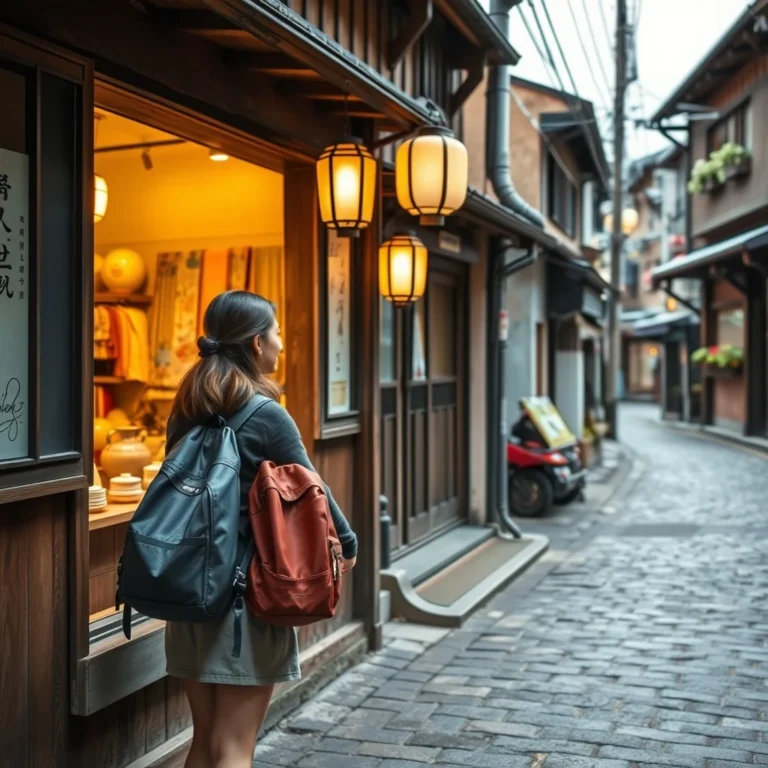
- Connect with Locals: Interact with locals, learn about their culture, and share your stories. Meaningful connections can transform a trip from a superficial experience into a deeply enriching one.
Pro Tips for Emotionally Fulfilling Travel
- Travel Solo At Least Once: Solo travel forces you to rely on yourself, connect with your surroundings, and confront your fears. It can be incredibly empowering.
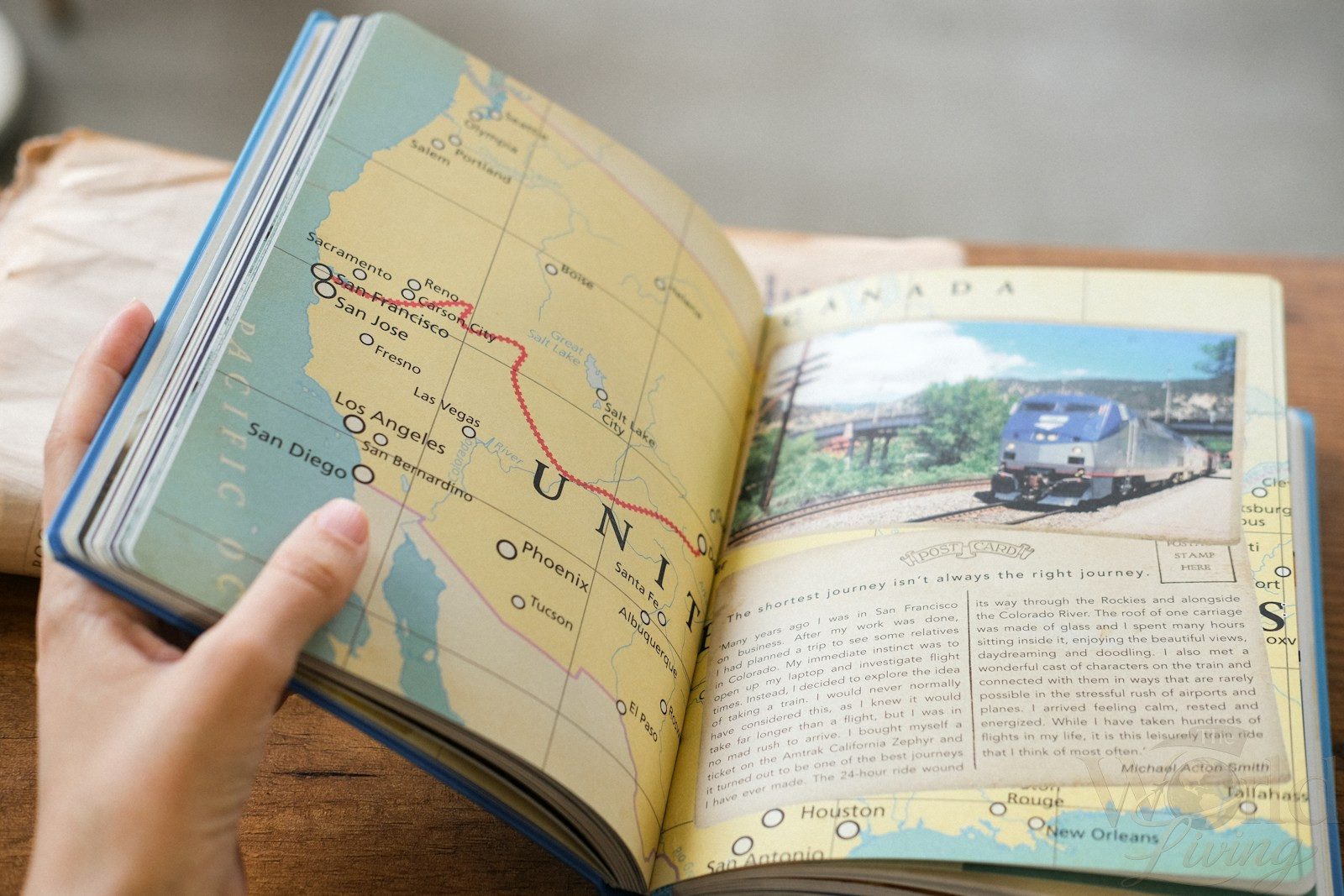
- Keep a Travel Journal: Jot down your thoughts, feelings, and observations throughout your trip. This will help you process your experiences and remember the emotions you felt.
- Disconnect to Reconnect: Put away your phone and truly immerse yourself in your surroundings. Pay attention to the sights, sounds, and smells around you.
Examples of Emotionally Resonant Travel Experiences
Here are a few examples of travel experiences that often evoke strong emotions:
- Witnessing a sunrise over the Himalayas: The sheer scale and beauty of the mountains can inspire awe and a sense of connection to something larger than yourself.
- Volunteering at an animal shelter in Costa Rica: Helping animals in need can evoke feelings of compassion and fulfillment.
- Learning to cook traditional pasta in Italy: Sharing a meal with locals and learning about their culinary traditions can foster a sense of connection and belonging.
- Hiking through a rainforest in the Amazon: Immersing yourself in the vibrant ecosystem can evoke feelings of wonder and appreciation for the natural world.
Best Time to Visit for Optimal Emotional Impact
While any time is potentially a good time to travel, considering the season and local events can enhance your experience. For example, visiting Japan during cherry blossom season (spring) can evoke feelings of renewal and beauty. Attending a local festival can immerse you in the culture and create lasting memories. Researching the best time to visit a destination based on weather and events can contribute to a more positive emotional experience.
Estimated Costs: Investing in Experiences
Budgeting for travel isn’t just about flights and accommodation. It’s about allocating resources for experiences that will enrich your life. Consider spending more on activities that align with your values, such as cooking classes, guided tours, or volunteering opportunities. Prioritize experiences over material possessions, and you’ll find that your travel budget stretches further in terms of emotional return on investment.
Key Takeaways: Why Travel Is More About Feelings Than Places
- Focus on experiences that resonate with your values.
- Embrace spontaneity and unexpected detours.
- Connect with locals and learn about their culture.
- Prioritize emotional connection over ticking off landmarks.
- Travel is more about feelings than places.
FAQ: Understanding the Emotional Side of Travel
How do I overcome travel anxiety?
Plan ahead, practice relaxation techniques, and focus on the positive aspects of your trip. Consider starting with shorter trips to build confidence.
What if a place doesn’t live up to my expectations?
Adjust your expectations and focus on finding the hidden gems and unexpected joys. Remember that every experience is a learning opportunity.
Why is it important to connect with locals when traveling?
Connecting with locals provides a deeper understanding of the culture and creates meaningful relationships. It can transform a superficial trip into a truly immersive experience.
How can I make my travels more sustainable and responsible?
Support local businesses, reduce your environmental impact, and respect the local culture. Responsible travel enhances the emotional connection you have with a place.
Why is travel more about feelings than places?
Because feelings create lasting memories, shape our perspective, and foster authentic connections. Travel experiences that resonate emotionally enrich our lives and broaden our horizons.
Ultimately, the best travel experiences aren’t about the places you visit, but the feelings you cultivate along the way. By prioritizing emotional connection, you can transform your trips into truly meaningful and life-changing adventures. So next time you plan a trip, ask yourself: How do I want to feel? Because that’s the key to understanding why travel is more about feelings than places.