
Cape Town City Guide: Beaches, Mountains, and More

Using a reliable Cape Town City Guide can turn what feels like an overwhelming scramble into a smooth, enjoyable adventure. Many travelers waste precious hours figuring out transport, entry fees, and the best times to hit each attraction, only to end up missing out on hidden gems. With a clear plan in hand, you can spend more time soaking up the sun on Camps Bay and less time staring at maps.
Cape Town City Guide: Top Attractions
When you open a well‑researched Cape Town City Guide, the first thing you notice is how the city blends urban energy with natural grandeur. Table Mountain looms over the downtown core, while the Atlantic seaboard offers endless stretches of sand. A good guide doesn’t just list sights; it clusters them logically so you can move from one highlight to the next without backtracking.

Table Mountain and Signal Hill
Start your day early to beat the cable car queues. The guide should note that the first cable car departs at 8:00 am and that tickets are cheaper if you buy online the night before. After the summit, a short walk to Signal Hill offers panoramic views of the city bowl—perfect for a sunrise photo if you’re an early riser.
Beaches Along the Atlantic Seaboard
From Clifton’s four sheltered coves to the lively vibe of Camps Bay, the coastline is a major draw. A Cape Town City Guide will tell you that Clifton 4th Beach is the most sheltered and thus ideal for families, while Camps Bay’s promenade buzzes with cafés and street performers after sunset. Remember to bring a windbreaker; the Cape Doctor can pick up quickly.
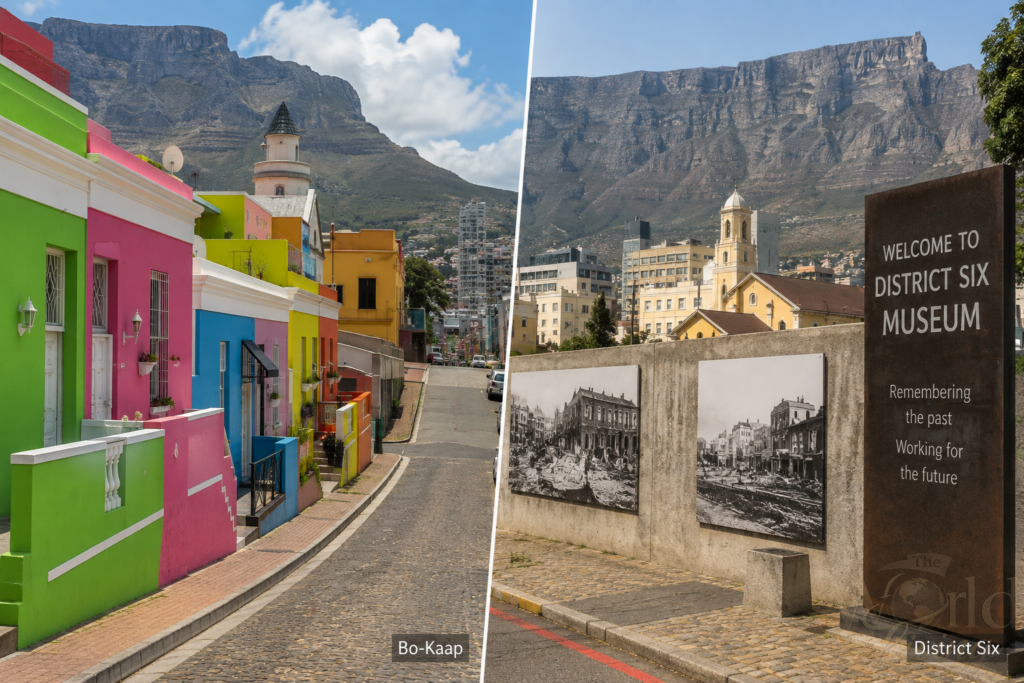
Historic Bo-Kaap and District Six
Culture lovers should allocate half a day to the colorful streets of Bo‑Kaap, where the guide highlights the best spots for sampling koeksisters and learning about Cape Malay heritage. A short walk away, the District Six Museum offers a poignant look at forced removals during apartheid—information that a generic listicle often overlooks.
Best Time to Visit Cape Town
Seasonality shapes everything from whale‑watching opportunities to hiking conditions. The guide emphasizes that the summer months (November to February) bring the warmest beach weather but also the peak tourist crowds and highest accommodation rates. Conversely, the winter months (June to August) offer cooler temperatures, fewer visitors, and the chance to see southern right whales along the coast.
Shoulder Seasons for Balance
Many seasoned travelers recommend the shoulder periods of March‑May and September‑October. During these windows, you still enjoy pleasant daytime temperatures (around 20‑25 °C), lower hotel prices, and shorter lines at major attractions. A Cape Town City Guide will often include a handy table showing average rainfall and sunshine hours per month to help you decide.
Cost Breakdown: Budgeting Your Cape Town City Guide Trip
Understanding typical expenses helps you avoid nasty surprises. The guide breaks down costs into accommodation, food, transport, and activities, giving you a realistic daily budget for backpacker, mid‑range, and comfort traveler profiles.
Accommodation Options
Hostels in the City Centre start at about ZAR 200 per night for a dorm bed, while private rooms in guesthouses hover around ZAR 600‑ZAR 900. If you prefer luxury, hotels near the V&A Waterfront can exceed ZAR 2,000 per night. The guide suggests booking at least two weeks in advance for the best rates, especially during summer.
Food and Drink
Street food like a bunny chow costs roughly ZAR 40‑ZAR 60, while a sit‑down meal at a mid‑range restaurant averages ZAR 180‑ZAR 250 per person. For those who want to self‑cater, the guide points out the large Pick n Pay and Woolworths supermarkets where you can buy fresh produce for under ZAR 100 per day.
Transport and Activities
MyCiTi bus routes offer a cheap way to get around, with a single ride at ZAR 13.70 and a day pass at ZAR 64. For more flexibility, renting a compact car starts at ZAR 350 per day, excluding fuel. Entrance fees: Table Mountain cable car ZAR 360 (adult), Robben Island ferry ZAR 400, and most museums are free or under ZAR 50.
How to Use a Cape Town City Guide for Beach Hopping
Beach hopping is one of the most enjoyable ways to experience the city’s coastline, but without a plan you can waste time traveling between spots. This section shows you how to turn your Cape Town City Guide into a personalized beach itinerary that balances relaxation, water sports, and sunset views.
Cape Town City Guide: Morning at Clifton 4th Beach
Begin early at Clifton 4th, where the water is calm and the sand is soft. The guide recommends arriving before 9:00 am to secure a good spot near the shade of the cliffs. Pack a light snack and sunscreen; the guide notes that the nearest café opens at 10:00 am, so you’ll want to bring your own refreshments.
Midday Adventure at Camps Bay
After a morning swim, take the MyCiTi bus or a short drive to Camps Bay. The guide highlights the beachfront promenade as perfect for a leisurely stroll, a beach volleyball game, or trying out stand‑up paddleboarding (rentals start at ZAR 150 per hour). Lunch at one of the seafood spots along the beach averages ZAR 220 per person.
Evening Sunset at Llandudno
For a quieter finish, head to Llandudno, a little further south where the crowds thin out. The guide points out that the beach faces west, offering unobstructed sunset views over the Atlantic. Bring a light jacket; temperatures can drop quickly after the sun dips below the horizon.
Pro Tips for Using Your Cape Town City Guide
Even the best guide becomes more valuable when you apply a few local tricks. These tips come from frequent visitors and residents who know how to stretch your rand, avoid tourist traps, and discover experiences that aren’t in the brochures.
- Buy a MyCiTi day pass if you plan to use public transport more than three times a day; it saves money and time.
- Visit the V&A Waterfront’s food market on a Saturday morning for fresh, affordable bites and live music.
- When hiking Table Mountain, start from the Kirstenbosch Botanical Gardens entrance for a shaded, scenic route that’s less crowded than the Platteklip Gorge path.
- Keep a small amount of cash (ZAR 50‑ZAR 100) for informal market stalls; many vendors don’t accept cards.
- Download offline maps of the city centre and beach areas; cell service can be spotty near the cliffs.
Key Takeaways
- A solid Cape Town City Guide saves time by clustering attractions logically.
- Visit Table Mountain early to avoid long cable‑car lines.
- Clifton 4th is family‑friendly; Camps Bay offers vibe and water sports; Llandudno is perfect for sunset solitude.
- Summer means hot beaches but higher prices; shoulder seasons give the best balance.
- Budget roughly ZAR 600‑ZAR 900 per day for mid‑range comfort, including accommodation, food, transport, and activities.
- Use MyCiTi buses or a rental car for flexible beach hopping.
- Always carry sunscreen, a windbreaker, and a bit of cash for market purchases.
Frequently Asked Questions
Is a Cape Town City Guide necessary for first‑time visitors?
While you can explore the city without one, a guide dramatically reduces planning stress and helps you discover spots that most tourists miss, such as the hidden tidal pools at Glen Beach or the best viewpoint for sunrise over Lion’s Head.
How often should I update my Cape Town City Guide?
Check for updates at least once a year, especially regarding public transport fares, entry fee changes, and new attractions like the Zeitz MOCAA expansion. Many reputable guides release annual editions or offer digital updates.
Can I rely on a free online Cape Town City Guide instead of a printed one?
Free resources are useful for quick reference, but they often lack depth on costs, local etiquette, and off‑the‑beaten‑path tips. A comprehensive paid guide usually includes detailed maps, contact numbers, and insider advice that free versions omit.
What’s the best way to carry my Cape Town City Guide while exploring?
A lightweight, water‑resistant travel folder or a digital copy on your tablet works well. If you prefer paper, choose a guide with a sturdy binding and consider a small zip‑lock bag to protect it from sudden showers.
Does a Cape Town City Guide include safety tips?
Yes, reputable guides highlight areas to avoid after dark, recommend reputable taxi services, and advise on keeping valuables secure—especially on busy beaches and in crowded markets.
Armed with a thoughtful Cape Town City Guide, you’ll spend less time worrying about logistics and more time enjoying the city’s stunning beaches, dramatic mountains, and vibrant culture. Let the guide be your compass, and let Cape Town’s natural beauty do the rest.