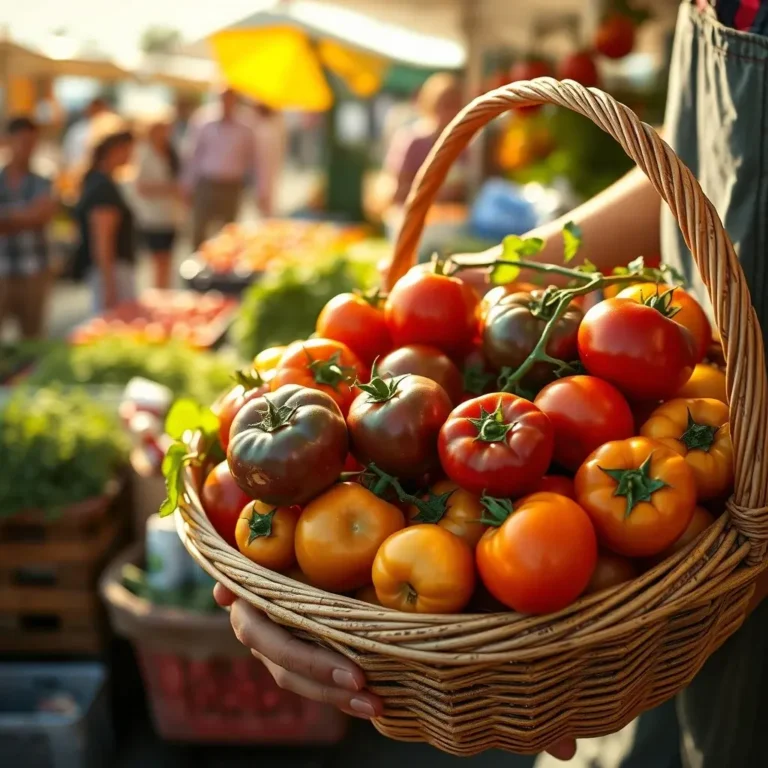
Best Olive Oil Tasting Tours in Greece
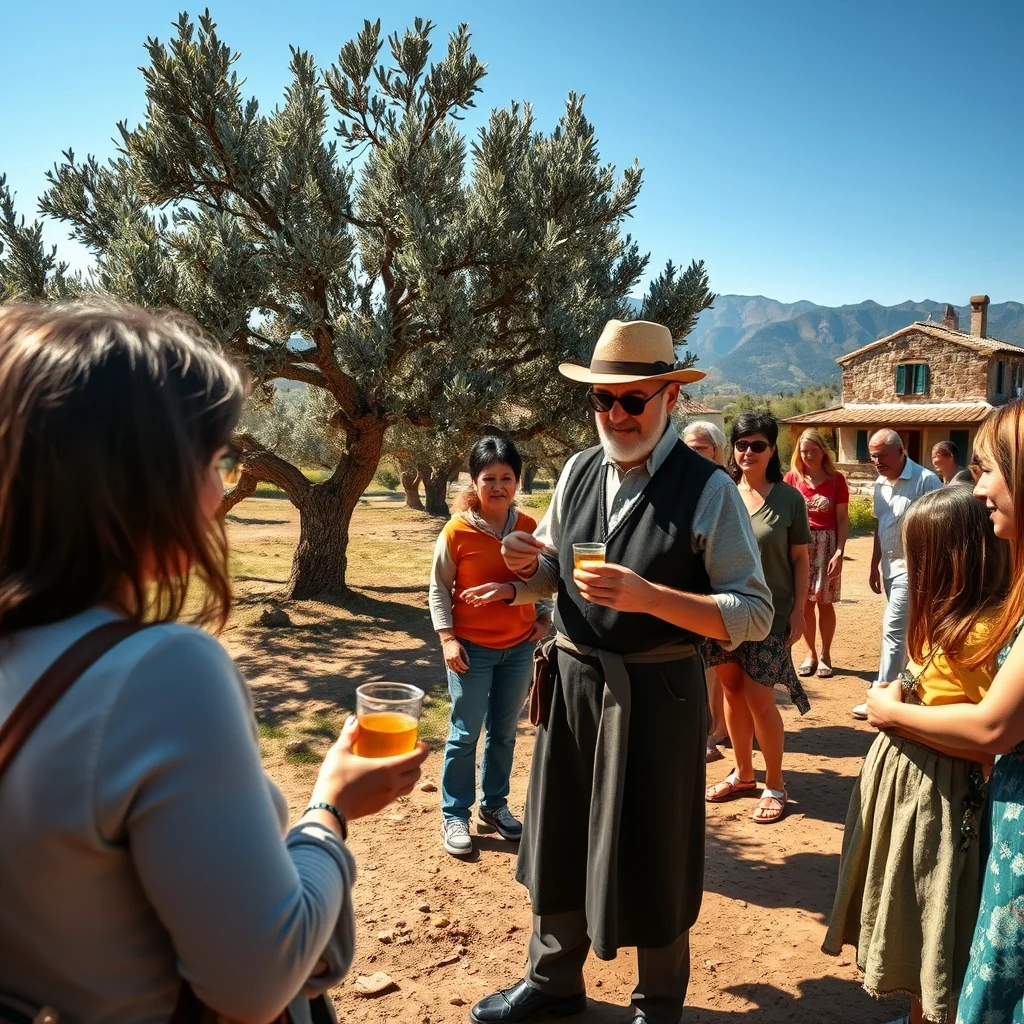
If you’ve ever wondered why Greek olive oil tastes nothing like the bland stuff back home, you’re not alone. I learned this the hard way on a rushed trip to Crete—buying a bottle from a roadside stand without understanding its origin or production. That’s when I realized the real magic isn’t in the bottle you bring home, but in the experience of tasting it where it’s made. These best olive oil tasting tours in Greece take you straight into groves, mills, and family kitchens, offering a deeper appreciation for one of the Mediterranean’s most iconic staples.
Why Olive Oil Tours Are Worth It
Greece produces over 300,000 tons of olive oil annually, making it one of the world’s top producers. But beyond the numbers, there’s a rich tradition tied to every drop. Joining a tour gives you access to family-run estates, centuries-old groves, and traditional extraction methods that mass-market brands can’t replicate. You’ll also learn how to read labels, identify quality, and pair oils with local dishes—skills that transform casual cooking into something special.
Top Regions for Olive Oil Tours
Crete leads the pack with over 40% of Greece’s total production, followed closely by Peloponnese and Lesvos. Each region offers unique terroir—some oils are peppery and robust, others delicate and grassy. On Crete, many tours include visits to Vrisano or Toplou monasteries, where monks have pressed olives for generations. In Peloponnese, you’ll find boutique producers near Kalamata who blend innovation with age-old techniques. Lesvos, meanwhile, is famous for its early harvests and award-winning extra virgin varieties.
What to Expect on a Typical Tour
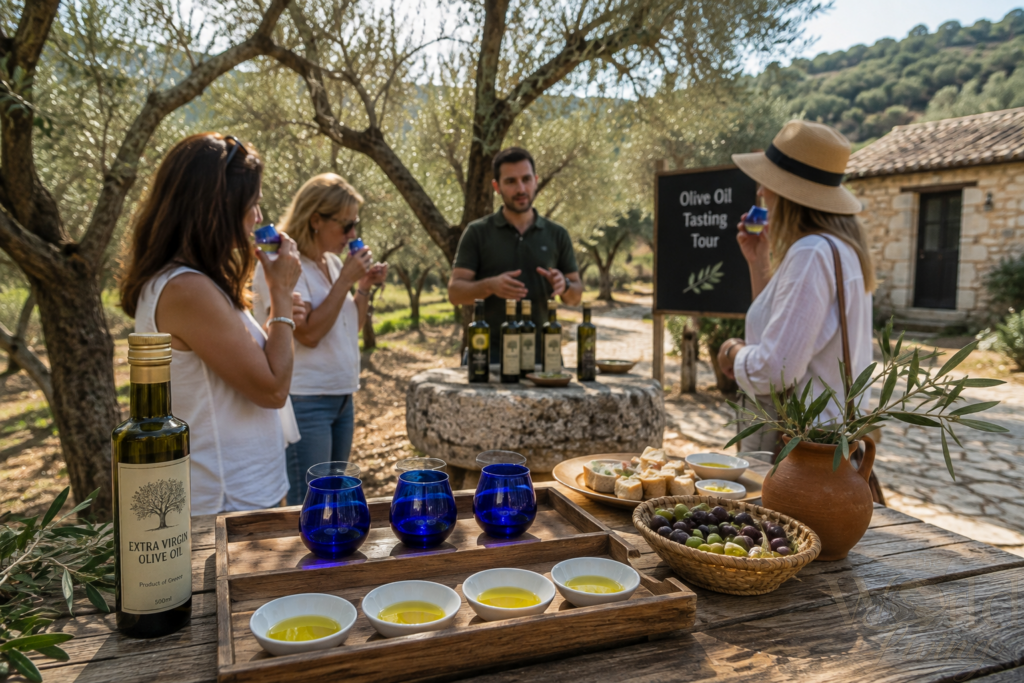
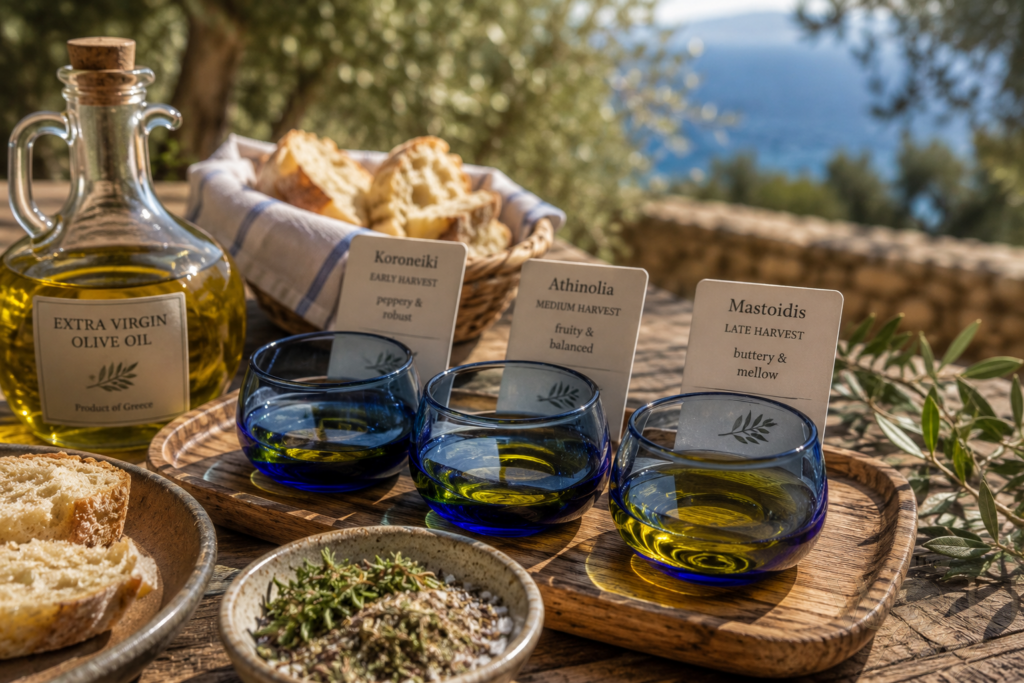
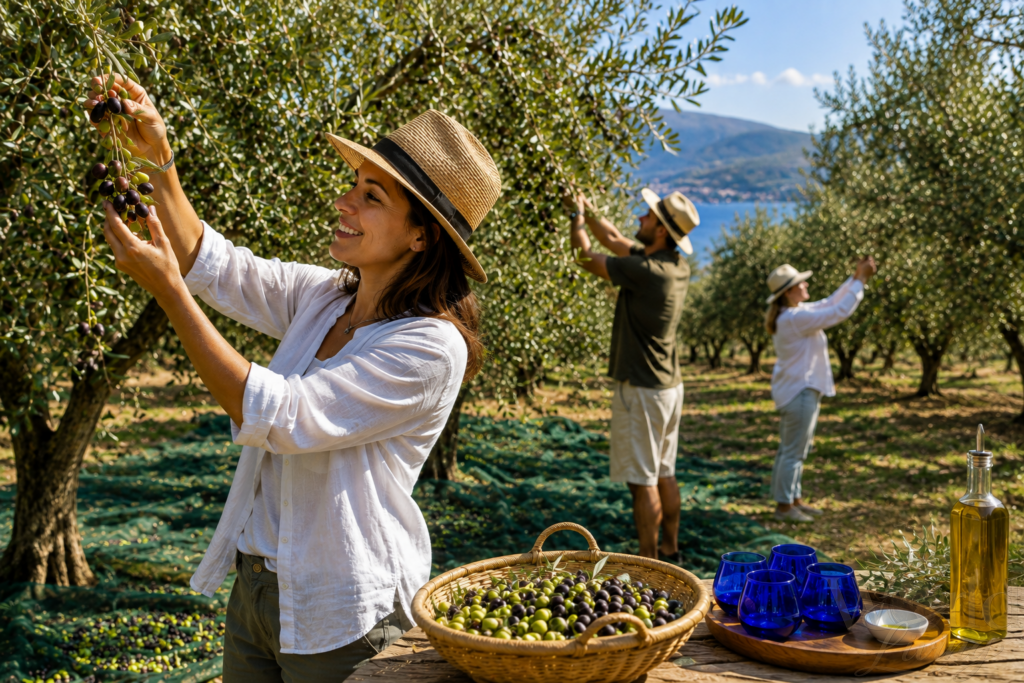
Most tours begin with a walk through the grove, where guides explain different olive varieties like Koroneiki, Kalamata, and Manzanilla. You’ll see how olives are harvested—by hand or with combs—and then head to the mill for the pressing process. The highlight is always the tasting session, where you sample oils at various stages of ripeness and learn about flavor profiles. Many tours end with a meal featuring locally sourced ingredients drizzled with fresh oil, giving you a full sensory experience.
Booking Tips and Best Times to Visit
The ideal time for olive oil tours runs from October to January, aligning with the harvest season. This is when groves are busiest, and many estates offer special events like nighttime harvesting or oil blending workshops. Booking ahead is crucial, especially for small family-run operations that only accommodate groups of 10–15 people. Look for tours certified by organizations like the Greek National Tourism Organization or those partnered with local agricultural cooperatives to ensure authenticity.
How Much Does It Cost?
Prices vary widely depending on location and duration. Basic group tastings start around €20–€30 per person, while private tours with meals can cost €80–€150. Luxury experiences, such as overnight stays at organic farms or custom Blending sessions with master producers, go up to €300+. For budget-conscious travelers, consider joining a food tour that includes olive oil stops—it’s a great way to sample multiple regions without breaking the bank.
Insider Tips for Maximizing Your Experience
To get the most out of your tour, come prepared with questions about cultivation practices, storage tips, and regional differences. Bring a notebook or use your phone to record notes—you’ll want to remember which oils stood out. Also, ask if the estate sells bottles directly; buying on-site often means fresher oil at better prices than imported versions. Lastly, don’t skip the chance to participate in hands-on activities like leaf tasting or oil infusion workshops—they add depth to the experience.
Where to Book Reliable Tours
Platforms like GetYourGuide, Withlocals, and Airbnb Experiences host verified olive oil tours led by locals. For a more curated approach, look into specialized operators like Greek Culinary Studio or Edible Tours, which focus exclusively on food and drink experiences. Always check reviews, confirm what’s included (transportation, meals, take-home bottles), and verify the producer’s credentials before booking. A quick Google search plus a few social media checks usually reveals any red flags.
FAQs About Olive Oil Tasting Tours
Is it safe to drink olive oil straight?
Yes, high-quality extra virgin olive oil is perfectly safe to consume on its own. In fact, doing so helps you appreciate its true flavor profile without interference from other ingredients.
Can I bring olive oil back to my country?
Most countries allow small quantities of olive oil for personal use, but regulations vary. Check customs rules beforehand and pack bottles carefully to avoid spills during transit.
What should I wear on an olive oil tour?
Comfortable clothing and closed-toe shoes are recommended, especially if the tour involves walking through groves or visiting working mills.
Are olive oil tours suitable for kids?
Many family-friendly tours welcome children, particularly those that include interactive elements like harvests or cooking demonstrations.
How long does a typical tour last?
Tours range from 2 hours to half a day, depending on the itinerary. Full-day options often include lunch and multiple estate visits.
Pro Tips for First-Time Visitors
- Arrive hungry—many tours include tastings paired with local foods.
- Ask about seasonal offerings like early harvest oils or limited editions.
- Take advantage of photo opportunities in scenic groves and historic mills.
- Consider combining olive oil tours with wine or cheese tastings for a fuller culinary journey.
Key Takeaways
- The best olive oil tasting tours in Greece combine education, culture, and flavor.
- Crete, Peloponnese, and Lesvos are top destinations for authentic experiences.
- Tour costs range from €20 to €300+, depending on exclusivity and inclusions.
- October to January is peak season, so book early to secure spots.
- Always verify tour providers through trusted platforms and reviews.
Whether you’re a food enthusiast, history buff, or simply curious about what makes Greek olive oil so exceptional, these tours offer unmatched insight into a cornerstone of Mediterranean life. By choosing the best olive oil tasting tours in Greece, you’re not just sampling a product—you’re connecting with centuries of tradition, craftsmanship, and community. Start planning your trip today, and let each pour tell a story.
For more travel inspiration, check out our guides on Greek food tours and visiting Crete. To learn more about sustainable tourism in Greece, visit the official Greek National Tourism Organization site.
Hellenic Olive Oil Organization and Statista agriculture reports provide further reading on production standards and market trends.