Buenos Aires Tango Bars: Experience the Ultimate Nightlife

You’ve probably heard that Buenos Aires is the birthplace of tango, but what does that really mean for travelers? If you’re here looking for more than just a touristy night out, you’ll quickly learn that the city’s tango bars offer an authentic, soul-stirring experience. Unlike generic clubs, these hidden spots let you dive into the heart of Argentine culture without the hassle of overpriced drinks or fake dancers. Whether you’re a first-time visitor or a seasoned traveler, finding the right Buenos Aires Tango Bars can transform your night into something unforgettable.
Why Buenos Aires Tango Bars Are a Must-Visit
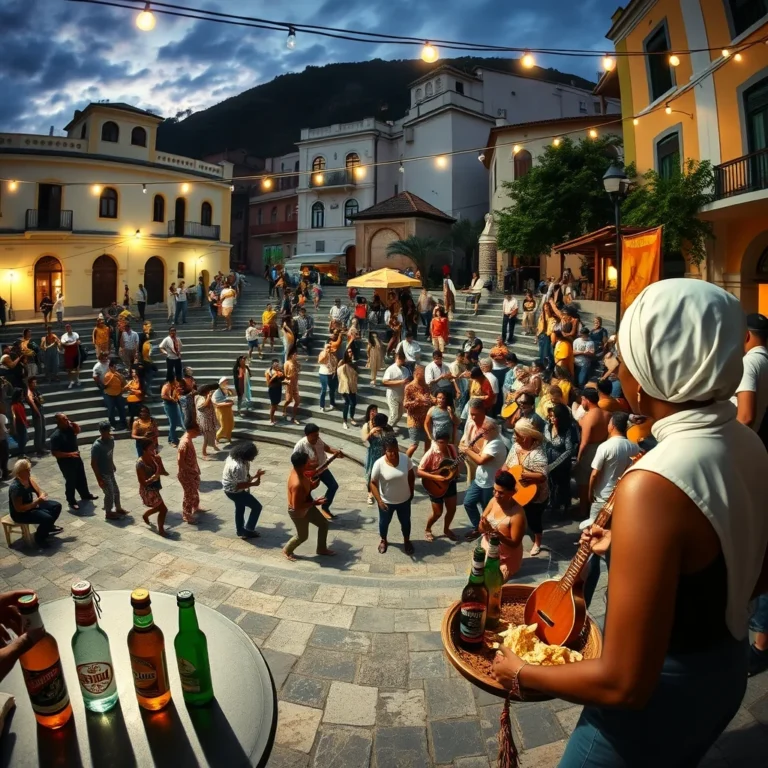
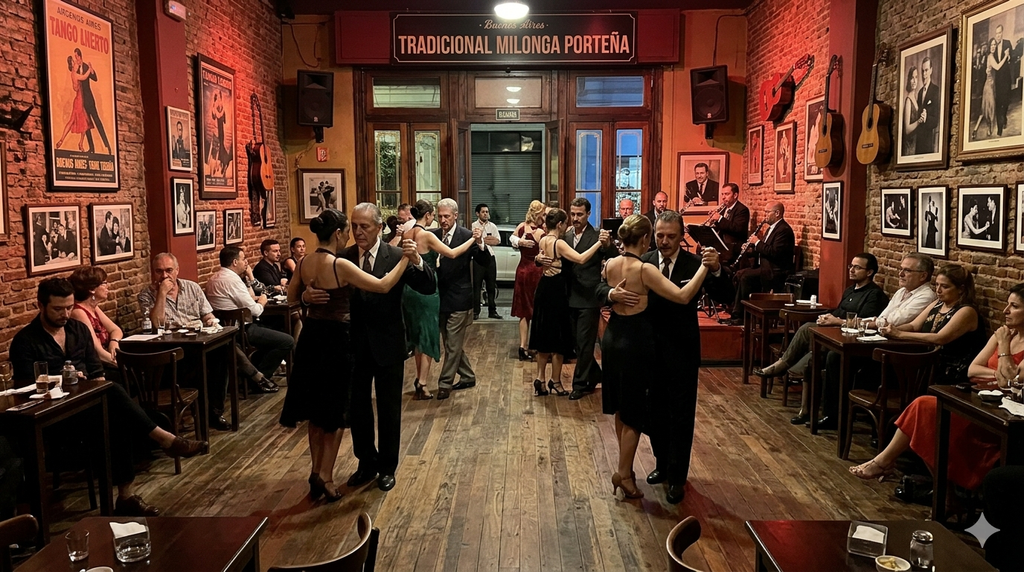
Tango isn’t just a dance in Buenos Aires—it’s a language. The Buenos Aires Tango Bars are where locals and visitors converge to celebrate this art form. These venues aren’t about flashy lights or loud music; they’re intimate spaces filled with passion. You’ll often find couples dancing in dimly lit rooms, their movements telling stories of love and longing. For many, this is the closest they’ll get to experiencing tango as it was meant to be.
What Makes Buenos Aires Tango Bars Unique?
Unlike mainstream dance floors, Buenos Aires Tango Bars prioritize authenticity. Most require no prior experience, and instructors are often on hand to guide newcomers. The atmosphere is electric yet respectful, with a focus on the music and connection between dancers. Many bars also serve traditional Argentine drinks like mate or tereré, adding to the immersive experience. If you’re unsure where to start, asking locals for recommendations is a surefire way to find hidden gems.
Top 5 Buenos Aires Tango Bars for Every Traveler
Not all Buenos Aires Tango Bars are created equal. Some cater to tourists, while others are frequented by lifelong locals. Here are five spots that stand out for their atmosphere, skill of dancers, and cultural value.
Café de los Angelitos
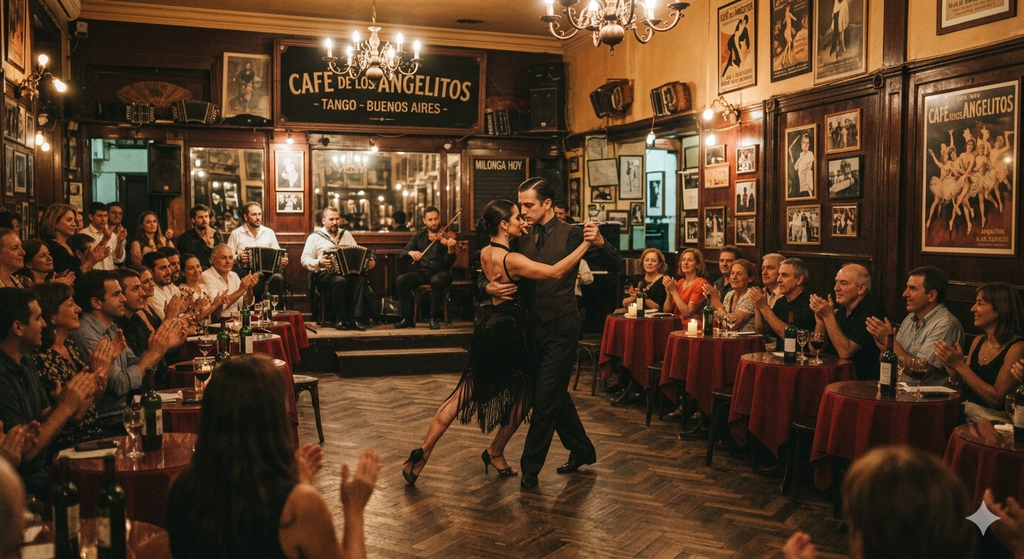
This iconic spot is a favorite among both tourists and locals. Known for its cozy setup and skilled dancers, Café de los Angelitos offers lessons for beginners and open dancing for advanced pairs. The bar’s location in San Telmo makes it easy to combine with other neighborhood explorations. Be prepared to pay a modest cover charge, but the experience is worth it.
La Catedral
For those seeking a more vibrant scene, La Catedral is a must-visit. Located in the heart of Palermo, this bar combines traditional tango with a lively crowd. The music here is often played by live orchestras, creating an immersive soundscape. While it’s busier than some spots, the energy is unmatched. Tip: Arrive early to secure a good spot near the dance floor.
El Beso de Tango
This intimate bar in La Boca is perfect for first-timers. With its small capacity, El Beso de Tango ensures a personal experience. The owners often join in on the dancing, offering tips to visitors. The cost is low, making it an accessible option for budget-conscious travelers. Don’t miss their signature tango con cafe—a play on words that blends coffee with the dance.
La Trova
If you’re looking for a modern twist, La Trova in Palermo Soho is ideal. This bar mixes traditional tango with contemporary music, attracting a younger crowd. The dance floor is spacious, and the lighting is designed to highlight the dancers. Pro tip: Visit on weekends when the energy peaks, but keep in mind that it can get crowded.
Tango Club La Cumparsita
For a more traditional experience, La Cumparsita in Retiro is a legendary choice. This bar has been a tango hub since the 1940s, hosting some of the city’s greatest dancers. While it’s pricier, the historical significance and expert instructors make it a worthwhile splurge. Many visitors come here specifically to learn from the masters.
Planning Your Visit to Buenos Aires Tango Bars
To make the most of your Buenos Aires Tango Bars experience, timing and preparation are key. Most bars operate from late evening until late at night, with peak hours between 10 PM and 2 AM. Weekends are busier, so arriving early ensures you won’t miss out. Dress codes vary, but comfort is essential—tango requires movement, and restrictive clothing can hinder your enjoyment.
Costs and What to Expect
Prices at Buenos Aires Tango Bars range from $10 to $30 USD per night, depending on the venue. This usually includes entry, a drink, and sometimes a lesson. Some bars offer discounts for groups or repeat visitors. While tango itself is free to observe, participating requires a basic understanding or willingness to learn. Many bars provide introductory sessions for a small fee.
Insider Tips for Success
- Learn a few basic steps before arriving. Even a simple giro or cross can impress dancers.
- Respect the space—tango is about connection, not competition.
- Ask for recommendations from locals or your hotel. Hidden bars often offer the best experiences.
- Check the music schedule. Some bars play specific tango styles, like milongas or candombe.
Beyond the Dance Floor
While Buenos Aires Tango Bars are the highlight, the city offers much more. After dancing, explore nearby neighborhoods like San Telmo or San Isidro for traditional asados (barbecues) or visit a local barrio for a authentic meal. Many bars also host cultural events, such as tango music nights or dance workshops, which can deepen your understanding of the art form.
Common Mistakes to Avoid
Tourists often make two key errors when visiting Buenos Aires Tango Bars. First, they assume all bars are the same, leading to disappointment. Second, they arrive unprepared, either in terms of knowledge or timing. Another pitfall is ignoring local customs, like not asking before joining a dance. To avoid these, do your research and approach the experience with an open mind.
Pro Tips for a Deeper Experience
To truly connect with Buenos Aires Tango Bars, consider these advanced tips. First, learn the history behind the dance. Tango in Buenos Aires emerged from a mix of European and African influences, and understanding this adds depth to your appreciation. Second, engage with locals. A simple hola or compliment on their dancing can lead to invitations to join in. Finally, explore the music—listen to tango classics like El Cumparsito or Libertango before your visit to get a sense of the rhythm you’ll experience.
In summary, Buenos Aires Tango Bars are a gateway to the city’s rich cultural heritage. By choosing the right venues, respecting local customs, and embracing the dance, you’ll not only enjoy a memorable night but also gain a deeper appreciation for one of the world’s most passionate art forms. Whether you’re dancing under the lights or simply soaking in the atmosphere, these bars offer an experience that transcends tourism.
In conclusion, Buenos Aires Tango Bars offer more than just a dance—they provide a window into the soul of Argentina. Whether you’re seeking romance, culture, or adventure, these venues deliver a unique blend of all three. By choosing the right spots and embracing the local way of dancing, you’ll create memories that last a lifetime.
Key Takeaways
- Buenos Aires Tango Bars are essential for authentic cultural experiences.
- Start with beginner-friendly spots like Café de los Angelitos or El Beso de Tango.
- Visit on weekends for maximum energy, but arrive early to secure a spot.
- Learn basic steps in advance to enhance your participation.
FAQ Section
What are the best Buenos Aires Tango Bars for first-timers?
For beginners, El Beso de Tango and Café de los Angelitos are ideal. They offer patient instructors, affordable rates, and welcoming atmospheres. Avoid overly touristy spots like La Catedral if you’re unsure about your skills.
How much does it cost to visit a Buenos Aires Tango Bar?
Entry fees range from $10 to $30 USD per night, depending on the venue. Most include a drink, and some offer lessons for an extra fee. Budget-conscious travelers should prioritize smaller bars like El Beso de Tango.
Is it necessary to know tango before visiting Buenos Aires Tango Bars?
Not at all! Most Buenos Aires Tango Bars cater to all skill levels. Many provide free or low-cost introductory lessons. However, learning a few basic steps beforehand can significantly enhance your experience.
What time should I visit Buenos Aires Tango Bars?
Most bars are open from 9 PM to 2 AM, with peak hours between 10 PM and midnight. Weekends are busiest, so arriving before 10 PM ensures a better experience. Weekdays can be quieter but still offer quality dancing.
Can I take photos in Buenos Aires Tango Bars?
Some bars allow photography during open dancing, but always ask first. Respect the dancers’ privacy, and avoid using flash, which can disrupt the mood. Many venues have strict rules about photography during lessons or private sessions.