Eating Like a Local: A Full Experience Guide
Ever feel like you’re missing out on the real deal when you travel? You visit the famous landmarks, snap the photos, but the food just feels…touristy? If you’re craving an authentic culinary adventure, this experience guide is your ticket to eating like a local, no matter where you go. We’ll explore how to ditch the tourist traps and discover the hidden gems where locals actually eat.
This guide provides actionable steps and insider tips to ensure you experience the true flavors of your destination. You’ll learn how to find the best local eateries, what to order, and how to immerse yourself in the food culture. Say goodbye to mediocre meals and hello to unforgettable culinary experiences!
Why Bother Eating Like a Local?
Beyond just satisfying your hunger, eating like a local offers a deeper connection to a place and its people. It’s about:
- Authenticity: Discovering flavors and dishes that reflect the region’s culinary heritage.
- Culture: Understanding the stories and traditions behind the food.
- Community: Supporting local businesses and farmers.
- Value: Often, local eateries offer better quality and lower prices than tourist-oriented restaurants.
Plus, let’s be honest, it’s usually way more delicious!
Finding Hidden Culinary Gems
The biggest challenge to eating like a local is finding those authentic spots. Here’s how to uncover them:
Ask the Right People
Forget generic online reviews. The best recommendations come from locals themselves.
- Hotel staff: Ask for their favorite nearby lunch spot, not just the hotel restaurant.
- Taxi/Uber drivers: They know the city inside and out.
- Shopkeepers: Local business owners often frequent the best neighborhood eateries.
Venture Off the Beaten Path
Touristy areas are usually filled with overpriced, inauthentic restaurants. Explore side streets and residential neighborhoods. Look for places that are:
- Crowded with locals (especially during lunch and dinner).
- Have menus in the local language (or only partially translated).
- Look simple and unpretentious.
Use Social Media Strategically
While generic review sites can be unreliable, social media can be a goldmine if used correctly. Search for local food bloggers or Instagrammers and see where they’re eating. Use location-based searches on Instagram and look at tagged photos to find hidden gems.
Decoding the Menu and Ordering Like a Pro
Once you’ve found a promising local eatery, the next hurdle is navigating the menu. Here’s how to do it:
Embrace the Language Barrier
Don’t be afraid to ask for help! Most locals are happy to explain dishes and make recommendations. A few basic phrases in the local language can go a long way.
Look for Regional Specialties
Identify dishes that are unique to the region. These are often the most authentic and flavorful options. Don’t be afraid to try something new and unfamiliar.
Observe What Others Are Ordering
Take a look around and see what the locals are eating. If a particular dish seems popular, it’s probably a good choice.
Pro Tip: Trust Your Gut
If a place feels authentic and welcoming, go for it! Sometimes the best culinary experiences are the ones you stumble upon unexpectedly.
Mastering Local Dining Etiquette
Beyond the food itself, understanding local dining customs is crucial for a truly immersive experience.
Tipping Customs
Tipping practices vary widely around the world. Research the local customs before you go to avoid any awkward situations. In some countries, tipping is expected, while in others, it’s considered rude.
Table Manners
Basic table manners are universal, but some cultures have specific customs. For example, in some Asian countries, it’s considered impolite to stick your chopsticks upright in a bowl of rice.
Engaging with Locals
Be respectful and friendly to the staff and other diners. A smile and a simple greeting can go a long way. Show genuine interest in the local culture and cuisine.
Best Time to Visit for Food Lovers
The best time to visit a destination for food lovers often coincides with local festivals and harvest seasons. Research local events and plan your trip accordingly. Spring and fall often offer pleasant weather and an abundance of fresh produce.
Estimated Costs of Eating Locally
One of the great benefits of eating like a local is that it’s often more budget-friendly than dining in tourist traps. Expect to pay:
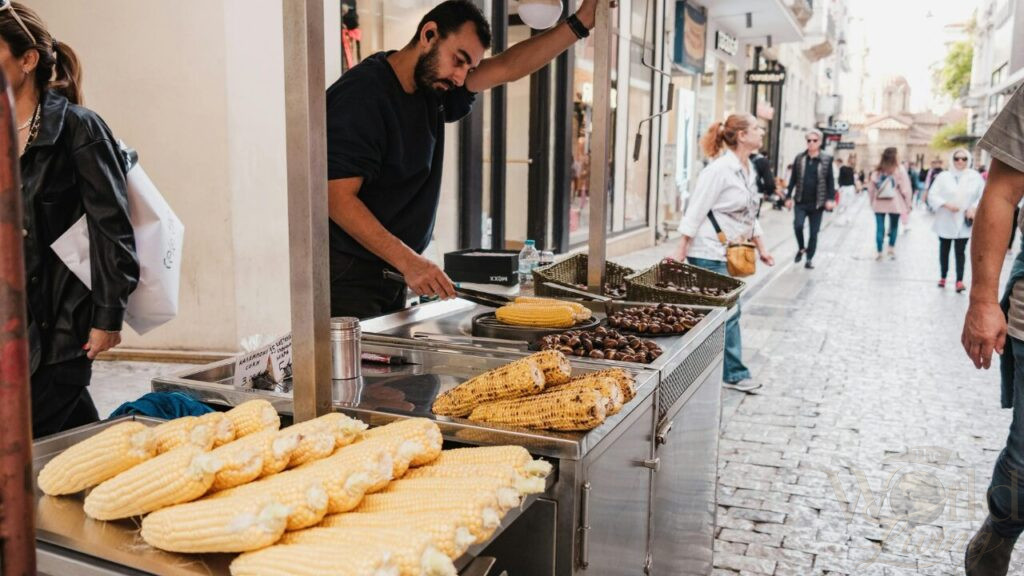
- Street food: $5-$15 per meal
- Local restaurants: $10-$30 per meal
- Markets: Variable, depending on what you buy
These are just estimates, of course, and prices will vary depending on the destination and the specific eatery.
Expert Tips for the Adventurous Eater
- Learn a few basic phrases in the local language: “Hello,” “Thank you,” “Delicious!”
- Carry cash: Many small local eateries don’t accept credit cards.
- Be open to trying new things: Don’t be afraid to step outside your comfort zone.
- Don’t be afraid to haggle at markets: It’s often expected.
- Always ask about allergies or dietary restrictions: Even if you don’t see it on the menu.
Key Takeaways for Eating Like a Local
- Ask locals for recommendations.
- Venture off the beaten path.
- Embrace the language barrier.
- Be respectful of local customs.
- Be adventurous and try new things.
FAQ: Eating Like a Local
What if I have dietary restrictions?
Communicate your needs clearly to the restaurant staff. Learning a few key phrases in the local language can be helpful. Many restaurants are willing to accommodate dietary restrictions if you give them advance notice.
How do I avoid getting sick from street food?
Choose vendors that appear clean and hygienic. Look for places with high turnover, as this indicates that the food is fresh. Avoid eating raw or undercooked foods.
Is it safe to eat in local markets?
Generally, yes, but use your common sense. Choose vendors that appear reputable and avoid eating anything that looks or smells suspicious. Ensure the food is properly cooked and stored.
What’s the best way to find authentic restaurants online?
Look for blogs and social media accounts run by local food enthusiasts. These sources often provide more reliable and unbiased recommendations than generic review sites. You can also use online forums and travel communities to ask for recommendations from other travelers who have visited the area.
How can I be sure I’m truly eating like a local and not just at a tourist trap?
Observe the clientele. If the restaurant is filled with tourists, it’s probably not an authentic local experience. Look for places where locals are eating and socializing. Pay attention to the atmosphere and the overall vibe of the restaurant. If it feels genuine and welcoming, it’s likely a good sign.
External Resources
Eating like a local is more than just a meal; it’s an immersion into a culture, a conversation with the community, and a memory that will last long after you’ve returned home. So, ditch the familiar, embrace the unknown, and get ready for a culinary adventure that will truly transform your travel experience.