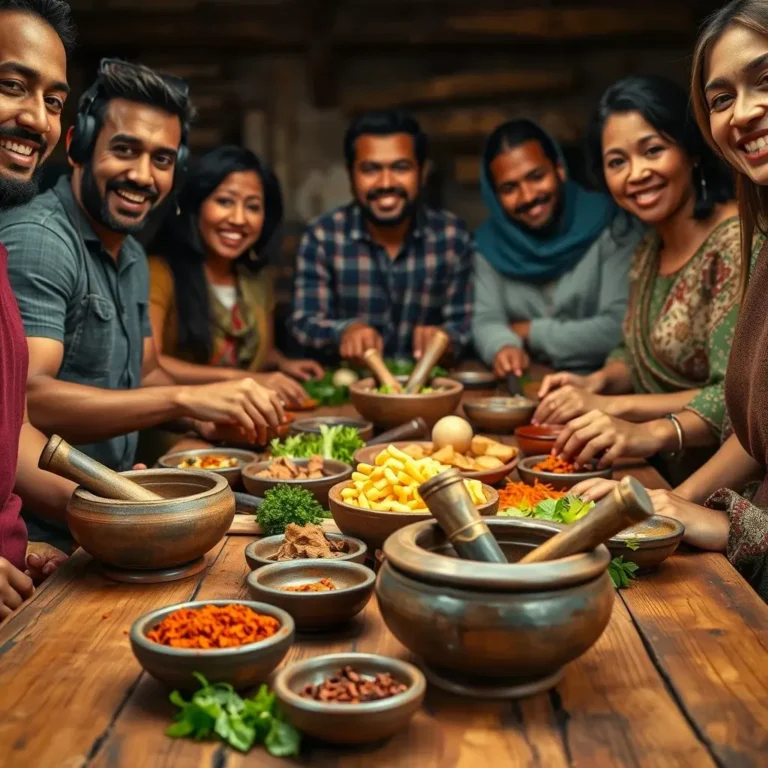
How Much It Really Costs to Travel Asia in 2026
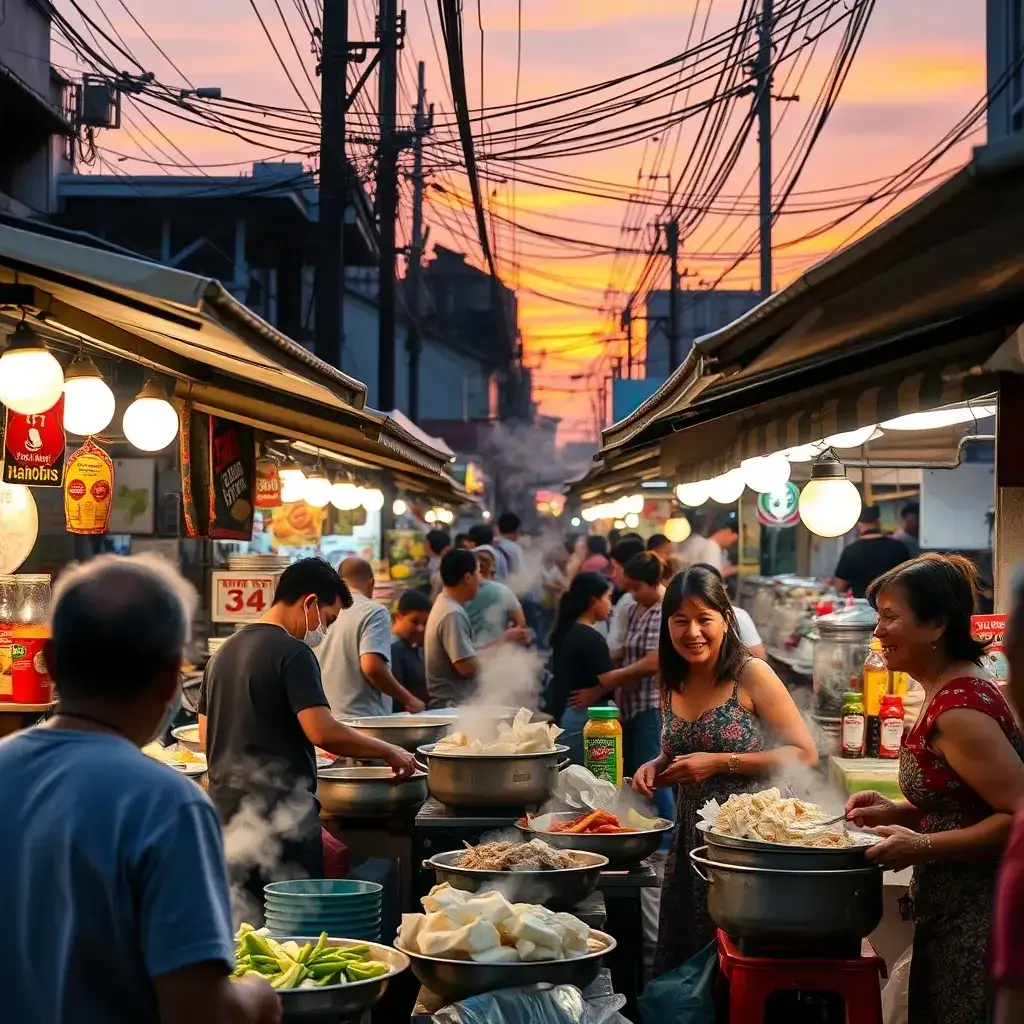
Planning a trip to Asia in 2026? You’re probably wondering about the big question: how much will it really cost? Forget those vague budget estimates – let’s break down the actual expenses you can expect, so you can start saving and stop guessing.
This guide will provide a realistic look at the costs of traveling in Asia, covering everything from accommodation and transportation to food and activities. We’ll explore budget-friendly options and ways to splurge (if you want to!), ensuring you can tailor your trip to your specific needs and desires. You’ll gain the knowledge to plan an incredible adventure without blowing your entire savings.
How Much It Really Costs to Travel Asia in 2026?: A Detailed Breakdown
The cost of traveling in Asia in 2026 can vary dramatically depending on your travel style, destination choices, and how far in advance you book. Southeast Asia is generally more budget-friendly than East Asia, but even within those regions, prices can fluctuate. Let’s delve into the key factors affecting your budget:
Accommodation Costs
Accommodation will likely be one of your biggest expenses. Here’s a general idea of what you can expect:
- Hostels: $5–$15 per night (dorm bed)
- Budget Guesthouses/Hotels: $15–$30 per night (private room)
- Mid-Range Hotels: $40–$80 per night
- Luxury Hotels/Resorts: $100+ per night
Pro Tip: Consider booking accommodations in advance, especially during peak season. Websites like Booking.com and Agoda offer a wide range of options and often have deals available. Also, look for guesthouses or family-run hotels for a more authentic (and often cheaper) experience.
Transportation Costs
Getting around Asia can be surprisingly affordable, especially if you utilize local transportation. Here’s a breakdown:
- Local Buses: $0.50–$2 per ride
- Trains: $5–$50+ depending on distance and class
- Flights: $30–$200+ depending on destination and airline
- Taxis/Ride-Sharing: Varies greatly depending on location; negotiate prices beforehand
Expert Tip: Embrace the local transportation! It’s often the cheapest and most authentic way to experience a country. For longer distances, consider overnight trains to save on accommodation costs. Download ride-sharing apps like Grab (Southeast Asia) for potentially better taxi rates.
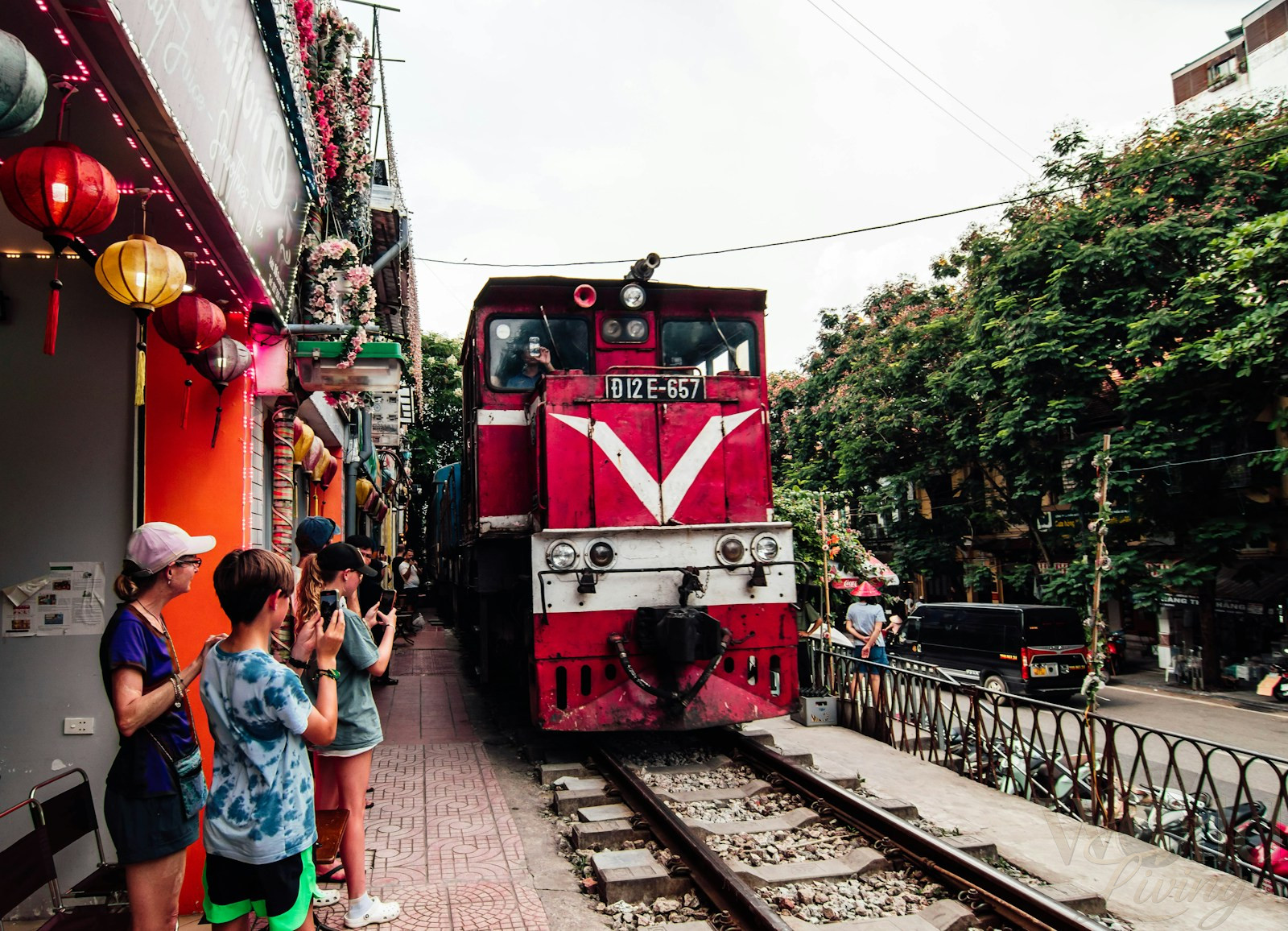
Food Costs
Food can be incredibly cheap in Asia, especially if you eat like a local. Here’s what to expect:
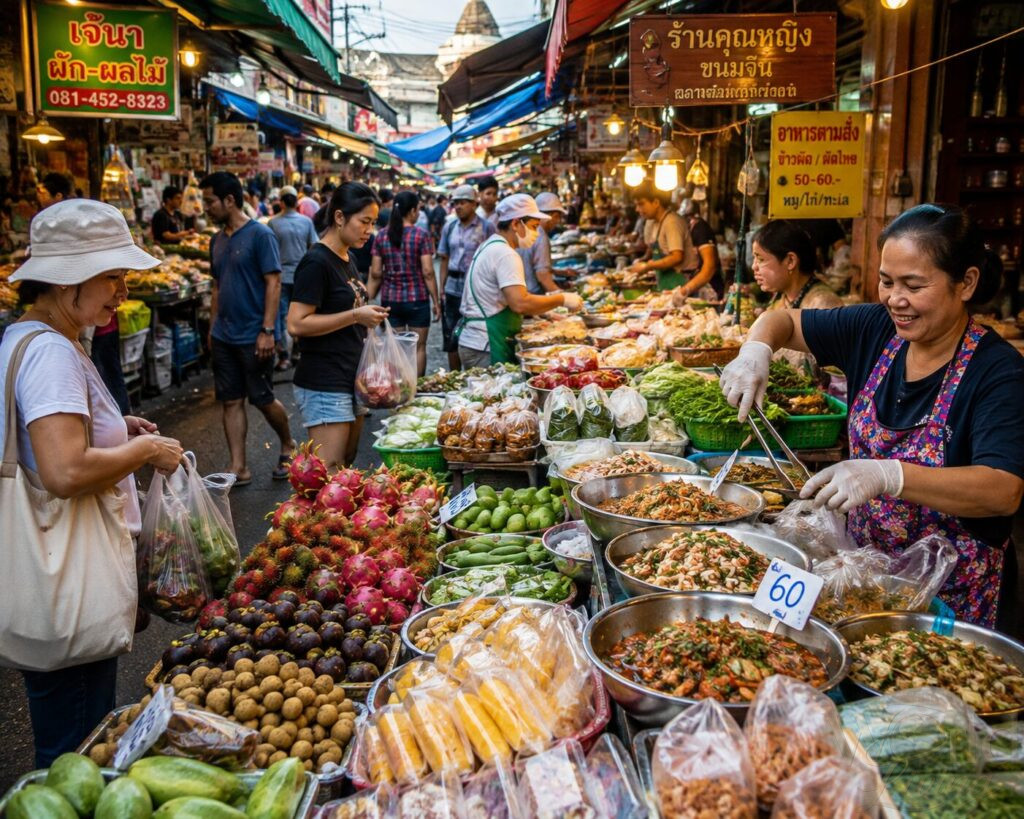
- Street Food: $1–$5 per meal
- Local Restaurants: $3–$10 per meal
- Western-Style Restaurants: $10–$30+ per meal
What most people don’t realize is the sheer variety of delicious and affordable street food available. Don’t be afraid to try new things! Look for stalls with long lines of locals – that’s usually a good sign. Be mindful of food safety and hygiene, especially in less developed areas.
Activity and Entertainment Costs
Activities and entertainment costs can vary widely depending on your interests. Here are some examples:
- Temples/Historical Sites: $2–$20 per entry
- National Parks: $5–$30 per entry
- Cooking Classes: $20–$50
- Scuba Diving: $40–$80 per dive
To be honest, entertainment costs really depend on what you want to do. Research free or low-cost activities in advance, such as hiking, visiting local markets, or exploring free museums. Consider purchasing a city pass if you plan to visit multiple attractions.
Sample Budgets for Traveling Asia in 2026
Let’s look at some sample daily budgets based on different travel styles:
- Budget Backpacking: $20–$40 per day (hostels, street food, local transportation)
- Mid-Range Travel: $50–$100 per day (budget hotels, a mix of local and Western food, some tours)
- Luxury Travel: $150+ per day (luxury hotels, fine dining, private tours)
These are just estimates, of course. Your actual spending will depend on your individual choices. Remember to factor in visa costs, travel insurance, and any pre-trip expenses (e.g., vaccinations, new gear).
Best Time to Visit Asia to Save Money
Traveling during the shoulder season (the months between peak and off-peak seasons) can often save you money on flights and accommodation. The weather is still generally pleasant, and there are fewer crowds. Consider these times:
- Southeast Asia: March-May and September-October
- East Asia: April-May and September-November
Avoid traveling during major holidays like Chinese New Year, as prices tend to skyrocket.
Expert Tips for Saving Money While Traveling in Asia
Want to stretch your budget even further? Here are some additional tips:
- Travel Slowly: The longer you stay in one place, the less you’ll spend on transportation.
- Cook Your Own Meals: If your accommodation has a kitchen, take advantage of it and prepare some of your own meals.
- Bargain Respectfully: Haggling is common in many Asian countries, but always do it politely and respectfully.
- Use Free Wi-Fi: Avoid roaming charges by using free Wi-Fi hotspots whenever possible.
- Get a Local SIM Card: A local SIM card will give you access to cheaper data and calls.
Common Mistakes to Avoid When Budgeting for Asia
Don’t fall into these common budgeting traps:
- Underestimating Transportation Costs: Internal flights and long-distance trains can add up quickly.
- Forgetting Visa Fees: Research visa requirements and costs in advance.
- Not Factoring in Activities: Set aside a realistic budget for activities and entrance fees.
- Overspending on Western Food: Stick to local cuisine to save money.
FAQ About the Cost to Travel Asia
Is it cheaper to travel in Southeast Asia or East Asia?
Generally, Southeast Asia (countries like Thailand, Vietnam, and Cambodia) is significantly cheaper than East Asia (countries like Japan, South Korea, and Taiwan).
How much spending money do I need per day in Asia?
As a budget backpacker, you can get by on $20-$40 per day. A mid-range traveler should budget $50-$100 per day, while luxury travelers can expect to spend $150+ per day.
What is the best way to carry money in Asia?
A combination of cash (local currency) and a travel credit card is ideal. Use your credit card for larger purchases and ATMs to withdraw cash as needed. Be aware of ATM fees.
Does the cost to travel Asia include flights?
The sample budgets provided typically don’t include the cost of international flights to and from Asia. Factor those in separately.
What are some free things to do in Asia?
Many cities offer free walking tours, and you can always explore local markets, temples (some have free entry), parks, and beaches without spending a dime.
Key Takeaways: Budgeting for Your Asian Adventure
- Plan your budget carefully, taking into account accommodation, transportation, food, and activities.
- Travel during the shoulder season for lower prices.
- Embrace local transportation and cuisine.
- Be mindful of visa requirements and travel insurance.
- Don’t be afraid to bargain (respectfully).
Ultimately, the cost to travel Asia in 2026 depends on your choices. By planning ahead, being mindful of your spending, and embracing the local culture, you can have an amazing and affordable adventure. So, start planning your dream trip today, keeping a close eye on how much it really costs to travel Asia and make those travel dreams a reality!