
How to Plan a Relaxing Trip That Feels Stress-Free

Ever notice how planning a vacation can sometimes feel more stressful than actually being at work? You’re not alone. Many travelers find the process of booking flights, finding accommodation, and organizing activities completely overwhelming. But it doesn’t have to be that way. This guide will show you how to plan a relaxing trip that leaves you feeling refreshed and excited, not burnt out before you even pack your bags.
We’ll break down the often-intimidating planning process into manageable steps, offering practical tips and insider knowledge to ensure your next getaway is truly relaxing.
How to Plan a Relaxing Trip Without Losing Your Mind
The key to a stress-free trip lies in thoughtful preparation. Here’s a step-by-step approach to help you organize your travel plans efficiently and enjoyably:
1. Define Your Travel Style and Priorities
Before diving into logistics, take a moment to reflect on what truly makes a vacation enjoyable for you. Are you an adventurous explorer, a culture enthusiast, or a relaxation seeker? Understanding your travel style will guide your decisions and prevent you from overcommitting to activities that don’t align with your interests.
- Consider your budget: Be realistic about how much you’re willing to spend.
- Think about your travel companions: Ensure everyone’s needs and preferences are considered.
- Identify your must-do activities: Focus on experiences that genuinely excite you.
2. Choose Your Destination Wisely
Selecting the right destination is crucial for a relaxing trip. Avoid destinations that are known for overcrowding or excessive costs if you’re seeking tranquility on a budget. Research lesser-known gems or consider traveling during the off-season for a more peaceful experience.

3. Set a Realistic Budget and Stick to It
Financial stress can quickly ruin a vacation. Establish a clear budget before you start booking anything. Factor in flights, accommodation, food, activities, transportation, and a buffer for unexpected expenses. Use budgeting apps or spreadsheets to track your spending and stay on course.
Pro Tip: Look for free activities and attractions to save money. Many cities offer free walking tours, parks, and museums on certain days.
4. Book Flights and Accommodation Strategically
Booking flights and accommodation in advance can save you money and reduce stress. Use flight comparison websites to find the best deals and consider flying on weekdays, which are often cheaper than weekends. For accommodation, read reviews carefully and choose options that offer flexibility in case your plans change.
5. Create a Flexible Itinerary
While it’s helpful to have a general plan, avoid over-scheduling your days. Leave room for spontaneity and relaxation. Build in downtime to recharge and enjoy your surroundings without feeling rushed.
Expert Tip: Plan one or two main activities per day and leave the rest open for exploration or relaxation.
6. Pack Smart and Light
Overpacking is a common source of travel stress. Create a packing list and stick to it. Choose versatile clothing items that can be mixed and matched. Consider using packing cubes to organize your belongings and save space. Don’t forget essential travel documents, medications, and chargers.
7. Embrace Technology (But Don’t Over-Rely on It)
Technology can be a valuable tool for planning and navigating your trip. Use travel apps for booking flights, finding accommodation, translating languages, and accessing maps. However, don’t become overly reliant on technology. Disconnect occasionally and immerse yourself in the present moment.
8. Learn Basic Phrases in the Local Language
Even knowing a few basic phrases in the local language can enhance your travel experience and make interactions with locals more enjoyable. Download a language learning app or purchase a phrasebook before your trip.
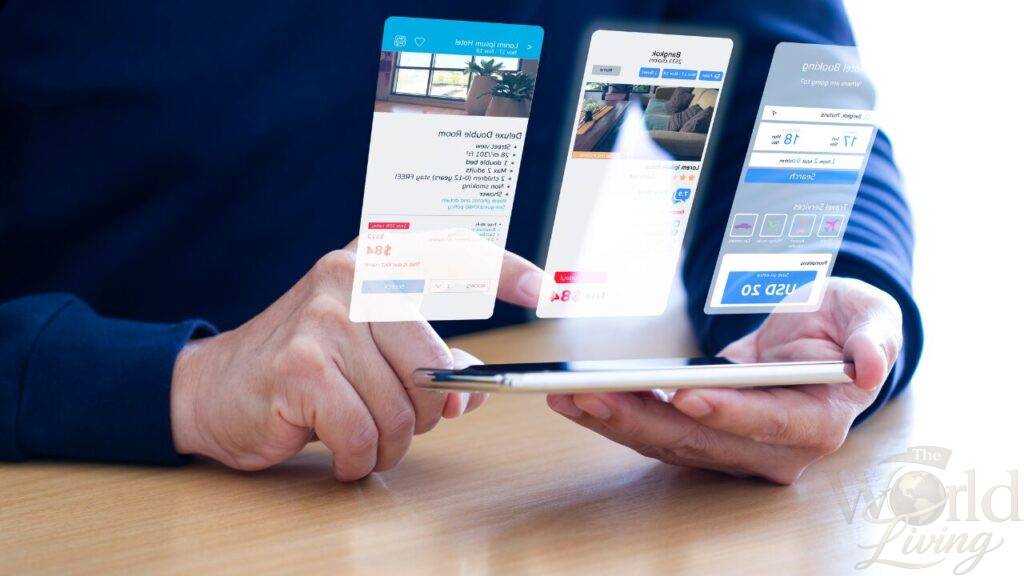
9. Stay Organized with Digital Tools
Utilize digital tools to keep your travel documents, confirmations, and itineraries organized. Apps like TripIt and Google Travel can help you consolidate all your travel information in one place, making it easy to access on the go.
10. Build in Buffer Time
Always add extra time to your schedule for unexpected delays or changes. This will prevent you from feeling rushed and stressed. Whether it’s extra time at the airport or a longer layover, buffer time can make a big difference in your overall travel experience.
Common Mistakes to Avoid When Planning a Trip
Many travelers make the same mistakes when planning their trips, leading to unnecessary stress and frustration. Here are some common pitfalls to avoid:
- Over-scheduling: Trying to cram too many activities into a short period.
- Ignoring your budget: Overspending and accumulating debt.
- Not researching your destination: Arriving unprepared and missing out on key experiences.
- Forgetting travel insurance: Facing unexpected medical or travel emergencies without coverage.
- Not packing appropriately: Bringing the wrong clothing or forgetting essential items.
Best Time to Visit
The best time to visit depends entirely on your destination and preferences. Research the climate, events, and tourist seasons for your chosen location. Traveling during the shoulder season (the months just before or after the peak season) often offers a good balance of pleasant weather, fewer crowds, and lower prices.
Estimated Costs
The cost of your trip will vary depending on your destination, travel style, and duration. As a general guideline, budget approximately $100-$200 per day for a mid-range trip, including accommodation, food, activities, and transportation. Luxury travel can easily exceed $300 per day, while budget travel can be done for as little as $50 per day.
Local Tips and Recommendations
To make your trip more enjoyable, consider these local tips:
- Try the local cuisine: Don’t be afraid to step outside your comfort zone and sample traditional dishes.
- Use public transportation: It’s often the most affordable and efficient way to get around.
- Talk to locals: They can offer valuable insights and recommendations.
- Learn a few basic phrases: It shows respect and can enhance your interactions.
FAQ: Planning a Trip
How far in advance should I plan a trip?
Ideally, you should start planning your trip at least 2-3 months in advance, especially if you’re traveling during peak season or to a popular destination. This will give you ample time to research, book flights and accommodation, and create a detailed itinerary.
What are the most important things to consider when planning a trip?
The most important things to consider include your budget, destination, travel style, and priorities. It’s also crucial to factor in travel insurance, visa requirements, and any necessary vaccinations.
How can I save money when planning a trip?
To save money, book flights and accommodation in advance, travel during the off-season, look for free activities, use public transportation, and cook your own meals occasionally.
What should I do if something goes wrong during my trip?
If something goes wrong, stay calm and assess the situation. Contact your travel insurance provider, local authorities, or the nearest embassy if necessary. Having a backup plan and emergency contact information can also be helpful.
Key Takeaways
- Start planning early to reduce stress and secure the best deals.
- Define your travel style and priorities to create a personalized itinerary.
- Set a realistic budget and stick to it to avoid financial strain.
- Embrace flexibility and leave room for spontaneity.
- Stay organized with digital tools and pack smart.
Planning a trip should be an exciting and enjoyable experience, not a source of stress. By following these tips and avoiding common mistakes, you can create a memorable and relaxing getaway that leaves you feeling refreshed and rejuvenated. Remember that the goal is to enjoy the journey, so take your time, savor the process, and look forward to the adventure that awaits. Taking the time to learn how to plan a trip effectively will make all the difference.