The Ultimate Berlin City Guide: History, Art & Nightlife

I still remember stepping off a flight from Mykonos into Berlin’s chaotic streets for the first time, completely unprepared and utterly overwhelmed by the scale of everything unfolding around me. That disorientation taught me that Berlin isn’t just a city — it’s a living, breathing puzzle that rewards patience and curiosity. This Berlin city guide was born from that moment of panic turned discovery, and I’ve distilled every lesson learned into a practical roadmap for anyone wanting to experience the capital authentically.
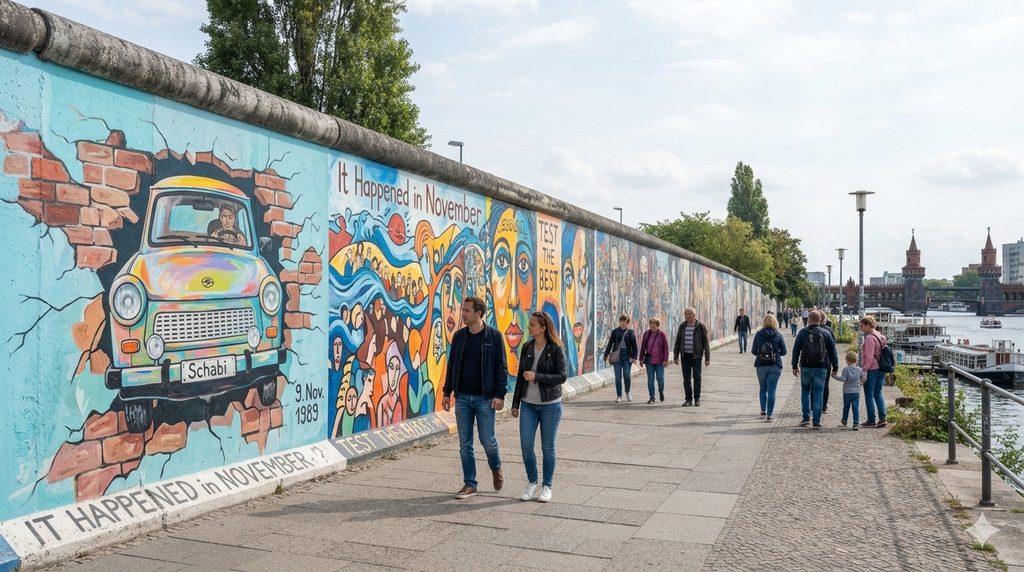
The heart of Berlin pulsates through its layered history, where concrete walls stand as reminders of division now transformed into open-air galleries. Walking along the ruins of the Berlin Wall, I watched how ordinary citizens repurposed destruction into art, creating a dialogue between past trauma and contemporary expression. That transformation defines more than just architecture — it shapes a collective identity that celebrates resilience through creativity.
Understanding Berlin requires acknowledging its tumultuous journey from divided city to unified metropolis. The physical scars of World War II and the Cold War have been incorporated into the urban fabric, turning historical sites into destinations themselves. For visitors who appreciate narrative depth, each landmark tells a chapter that extends far beyond mere sightseeing.
How to Use This Berlin City Guide
This guide moves through four layers of the city: the history that shaped it, the art scene that grew out of that history, the nightlife that gives Berlin its after-dark reputation, and the practical logistics — timing, transit, and budget — you’ll need to actually pull off a trip. Read straight through for the full picture, or jump to whichever section matches what’s pulling you to Berlin in the first place.
Historical Foundations That Shaped Today’s Berlin
Berlin’s origins trace back to two separate medieval settlements on opposite banks of the Spree River: Cölln, first documented in 1237, and Berlin itself, first mentioned in 1244. The two towns merged formally in 1307, sharing a joint town hall, and by 1451 the Elector of Brandenburg had made the twin settlement his permanent residence — centuries before Prussia existed as a kingdom at all. That distinction matters: Berlin had already been the political heart of Brandenburg for 250 years by the time it became a royal capital in the modern sense. It wasn’t until 1701, when Elector Frederick III crowned himself Frederick I, “King in Prussia,” that Berlin officially became the capital of the newly created Kingdom of Prussia — not 1691, as some accounts round it off to. That royal status intentionally positioned the city to control trade routes across Northern Europe, and it kicked off an architectural evolution that ranges from Baroque palaces to the industrial-era factories that Berliners repurpose into creative workspaces today.
One cannot discuss Berlin without addressing the shadow cast by the Berlin Wall. Constructed starting August 13, 1961, the barrier physically and psychologically divided families and communities for nearly three decades, until it fell on November 9, 1989. Today, the surviving segments serve as stark reminders while simultaneously functioning as tourist attractions. The East Side Gallery — at roughly 1.3 kilometers, the longest remaining stretch of the Wall — features murals painted by artists from around the world in 1990, transforming a symbol of oppression into a canvas for hope.
The Evolution of Berlin’s Cultural Landscape
Post-reunification brought both challenges and opportunities for Berlin’s cultural renaissance. Former government buildings and abandoned East German infrastructure were converted into museums, libraries, and coworking spaces, symbolizing a broader shift toward intellectual and artistic empowerment. The city’s reputation as a hub for alternative culture attracted creatives from across the globe, and clubs like Berghain and Tresor — both built inside disused industrial or power-plant infrastructure — became anchors of Berlin’s underground music scene through the 1990s and beyond.
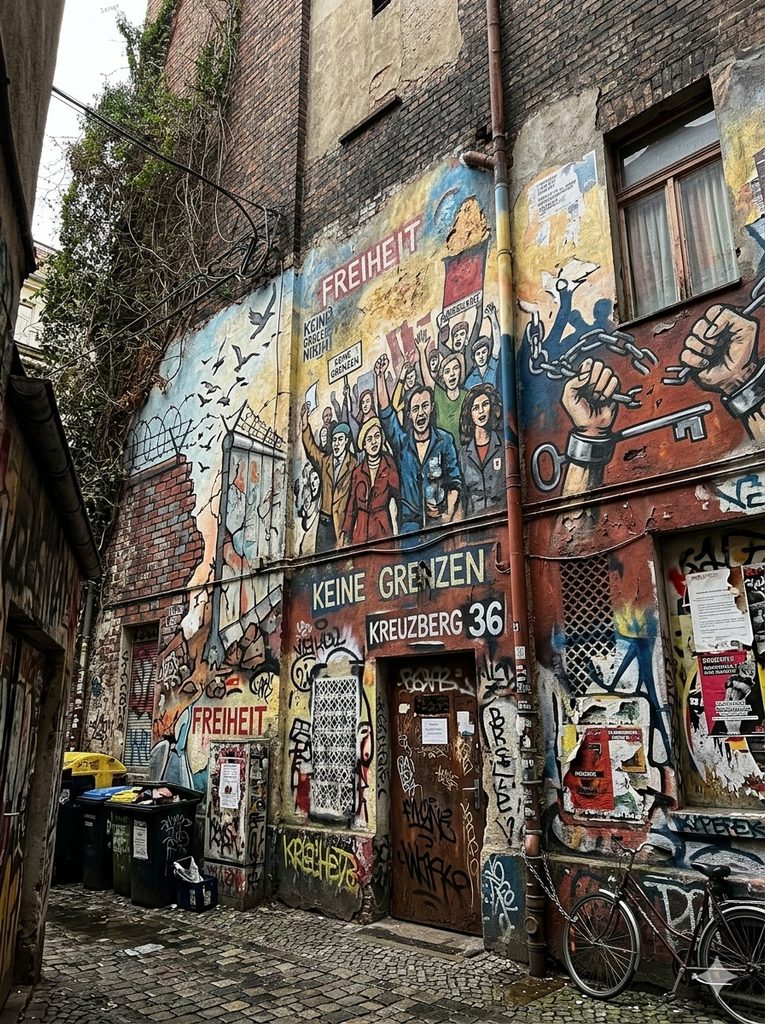
Art in Berlin operates at the intersection of rebellion and innovation. Street art has become a legitimate part of the city’s identity, particularly in neighborhoods like Friedrichshain and Kreuzberg, where walls tell stories of migration, politics, and personal struggle. The urban landscape itself functions as an outdoor museum, with graffiti, installations, and temporary exhibitions changing constantly. This dynamic approach to public art distinguishes Berlin from a static museum visit.
Exploring Berlin’s Art Scene Beyond the Museums
While world-class institutions draw millions of visitors to Museum Island each year, it’s worth knowing before you go that one of its five buildings, the Pergamon Museum, has been completely closed since October 2023 for a multi-year renovation — the famous Pergamon Altar and Ishtar Gate won’t be viewable again until the museum’s north wing partially reopens on June 4, 2027. In the meantime, the nearby Pergamonmuseum Panorama, a 360-degree recreation of the ancient city by artist Yadegar Asisi, is a genuinely good substitute, and the other four Museum Island buildings — the Altes Museum, Neues Museum, Alte Nationalgalerie, and Bode Museum — remain open as usual. Beyond Museum Island, Hamburger Bahnhof, Berlin’s museum for contemporary art housed in a converted 19th-century railway station, keeps the city’s more experimental side in view.
The true pulse of Berlin’s artistry, though, lies outside these institutional walls. Small galleries in backstreets offer emerging artists a platform, often featuring experimental works that challenge conventional aesthetics. These spaces require some navigation patience but reward visitors with intimate encounters with new talent — and, in areas that were once known for manufacturing, former warehouses now house studios, performance spaces, and collaborative workrooms that embody Berlin’s ability to take decay and turn it into something worth visiting.
Must-Visit Art Districts and Their Stories
Kreuzberg remains the epicenter of Berlin’s artistic resistance. Its narrow alleys conceal hidden courtyards where pop-up galleries appear overnight, inviting spontaneous exploration. The area’s multicultural demographic ensures that art reflects diverse perspectives, making each exhibition a conversation rather than a passive viewing experience.
Friedrichshain offers another compelling contrast, blending techno clubs with avant-garde galleries. Here, the boundary between nightlife and fine art blurs dramatically. Many venues double as exhibition spaces, hosting performances and installations that transform the entire space into a multi-sensory environment.
Nightlife that Defines Berlin’s Evening Energy
No discussion of Berlin is complete without addressing its nightlife, which distinguishes the city from quieter counterparts across Europe. The underground music scene in districts like Schöneberg and Neukölln operates on its own terms — a blend of exclusivity, daring performances, and community-driven energy. Late-night bars and techno clubs remain open until dawn, catering to a crowd that values intensity over polite social convention.
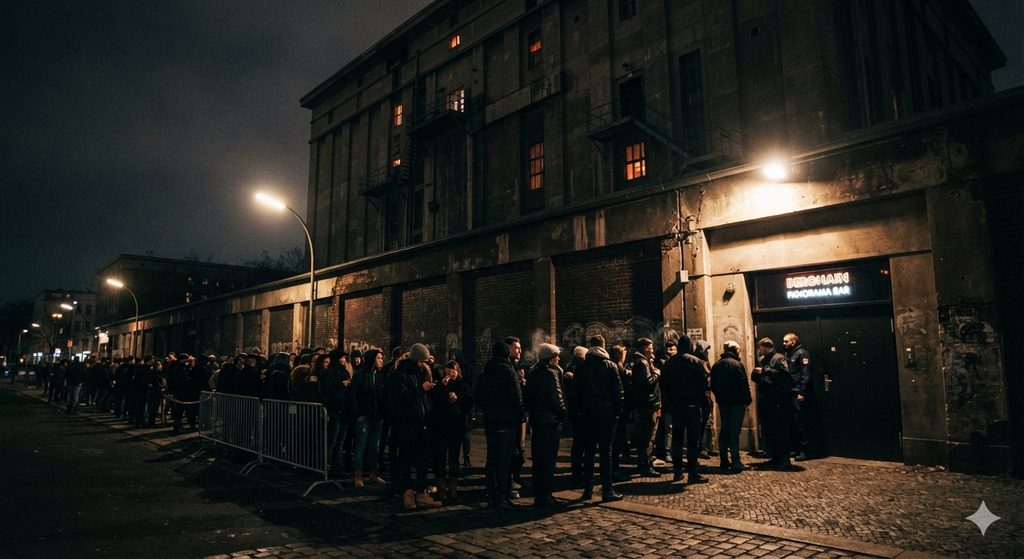
Berghain has achieved cult status not merely for its lineup but for its commitment to treating dancing as a communal ritual. The club’s strict, famously unpredictable entry policy means visitors face genuine odds of being turned away, yet the payoff for those who get in is an immersion into global dance culture few clubs anywhere can match. Nearby, Tresor occupies a former power station and continues the tradition of industrial-chic nightlife that Berlin is known for worldwide.
Navigating Berlin’s Nighttime District Map
Mapping Berlin’s nocturnal offerings requires understanding its decentralization. Unlike cities with one central entertainment district, Berlin spreads its night appeal across multiple neighborhoods. Each area cultivates a distinct character: the bohemian vibe of Kreuzberg, the electronic precision of Friedrichshain, and the more polished cocktail culture of Mitte and Prenzlauer Berg. Successful navigation demands a little research before arrival, since many venues run on rotating or unpublished schedules rather than fixed weekly programming.
When to Visit Berlin: Seasonal Considerations
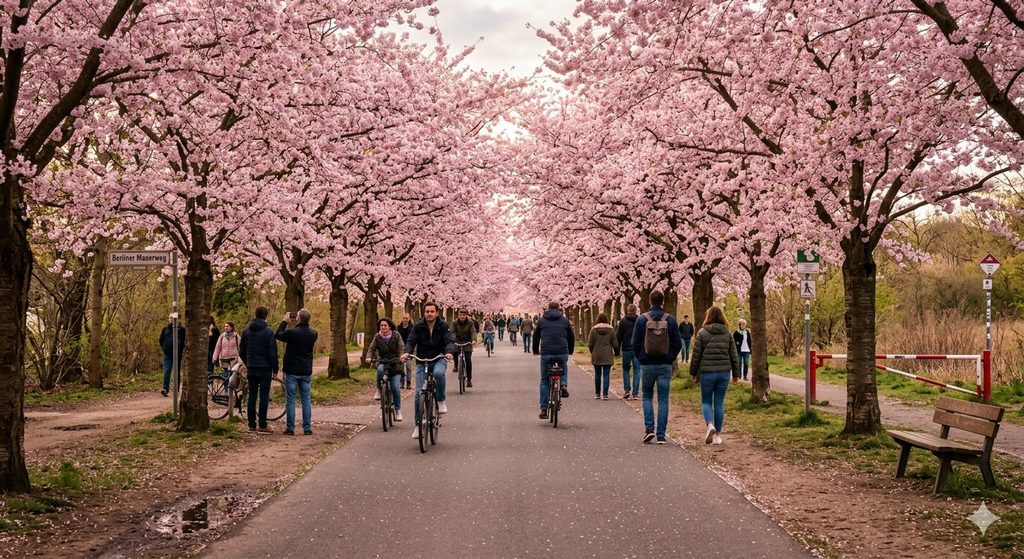
Timing your trip significantly changes the experience, since each season brings a distinct atmosphere. Winter (December to February) offers festive Christmas markets and cozy indoor venues, though the weather demands proper layers. Spring (March to May) brings cherry blossom season — the best-known display isn’t in Tiergarten, as some guides claim, but along the Mauerweg (Berlin Wall Trail) near Lichterfelde-Süd and Teltow, where more than 1,000 trees make up the TV-Asahi Cherry Blossom Avenue, planted with donations from Japan in the years after reunification as a gift marking the fall of the Wall. It’s a genuinely moving spot given what the land used to be. Summer (June to August) delivers the longest daylight hours and numerous open-air events, with crowds building steadily through the season.
Autumn (September to November) is arguably the sweet spot for visitors who want good weather alongside rich cultural programming — average temperatures sit between about 10°C and 18°C, comfortable for exploring without overwhelming summer heat or winter cold. It’s also when the city gets genuinely crowded for one weekend: the BMW Berlin Marathon runs in late September (the 2026 edition is set for September 27), drawing tens of thousands of runners and spectators to a course that finishes at the Brandenburg Gate. If you’re not running it, expect road closures and packed hotels that weekend — plan around it rather than into it.
Practical Planning: Getting Around Berlin
Berlin’s transit system, operated by BVG, forms the backbone of urban mobility. The U-Bahn (subway), S-Bahn (commuter rail), and trams connect major attractions efficiently. A day pass covers unlimited travel across these networks and is usually the better value if you’re making more than two or three trips in a day. The BVG app handles real-time departures, route planning, and ticket purchases in one place, which is worth downloading before you land.
Average trip times run 15 to 40 minutes depending on the route and time of day. Peak hours (roughly 7–9 AM and 5–7 PM) see the busiest congestion, so building in some flexibility helps. Cyclists also have access to an extensive network of bike lanes, and renting a bike has become an increasingly popular way for budget-conscious travelers to cover ground without relying on transit at all.
Budget-Friendly Exploration Strategies
Traveling on a budget in Berlin is genuinely workable, since the city offers abundant free and low-cost experiences. Parks like Tiergarten and Volkspark Friedrichshain offer picnic spaces and open-air relaxation at no cost. On the museum front, be aware that Berlin’s old “free on the first Sunday of the month” program (Museumssonntag) ended for good in December 2024 and hasn’t been relaunched — don’t build a museum day around it the way older guides suggest. What’s still reliably free: the Neue Nationalgalerie waives admission every Thursday evening from 4 to 8 PM, and several memorial sites and documentation centers, including the Topographie des Terrors and the East Side Gallery, are free year-round. A paid Museum Pass Berlin is worth it if you’re planning to hit three or more state museums over a few days.
Free walking tours, most notably through SANDEMANs — the company that pioneered the tip-based “free tour” model in Berlin back in 2003 — provide a solid introductory orientation to the city without a fixed cost; guides work for tips, so a reasonable tip at the end is expected, not optional.
Hostel culture thrives in Berlin’s alternative districts, with options ranging from dormitory-style beds to private rooms. Booking in advance during peak seasons (especially around the marathon weekend or major holidays) reduces prices substantially. Food-wise, currywurst stands and döner kebab shops deliver authentic flavors at accessible price points, and local bakeries and market stalls offer fresh pretzels, cheeses, and baked goods for a more substantial meal without much expense.
Top Recommendations for First-Time Visitors
Begin your journey with the Brandenburg Gate and the Reichstag building to grasp the city’s political symbolism (the Reichstag’s glass dome is free to visit but requires advance online booking). Then take in the East Side Gallery, experiencing history made visible. If your schedule allows, dedicate an afternoon to the Museum Island complex — just remember that the Pergamon Museum itself is currently closed, so plan around the Neues Museum, Alte Nationalgalerie, Altes Museum, and Bode Museum instead. Finally, venture into Kreuzberg’s Görlitzer Park for a casual evening stroll before dinner.
Each of these recommendations serves a purpose in building a balanced introduction to Berlin. The historical weight of the capital demands contemplation, while its contemporary art scene invites active participation. And the nightlife, pursued thoughtfully, turns an otherwise daytime-focused itinerary into a memorable narrative.
Insider Tips from Locals
Locals emphasize the value of learning a few basic German phrases, even though many residents speak English fluently — simple greetings and thank-yous go a long way toward goodwill. Embrace some spontaneity, too: some of Berlin’s best discoveries happen when you wander off a planned route. Café culture flourishes in side streets, where conversations meander organically between patrons.
Another practical tip: manage your expectations around crowd sizes. Popular sites can feel overwhelming during peak hours, while off-peak visits reveal quieter corners worth lingering in. Patience combined with flexibility tends to produce the most rewarding experiences.
Frequently Asked Questions About Berlin
How can I navigate Berlin’s public transportation system efficiently?
Buy a BVG day ticket for unlimited travel on buses, trams, and U-Bahn/S-Bahn lines. The BVG app provides real-time departure times and route planning. Downloading offline maps of the network beforehand is worthwhile, since connectivity can be spotty underground and in some older districts.
What is the best area for experiencing Berlin’s nightlife?
Schöneberg offers sophisticated bars and jazz clubs, while Friedrichshain leans into techno and dance venues. For a quieter, more intimate live-music experience, look toward smaller venues in Neukölln and Prenzlauer Berg.
Can I visit historic churches in Berlin?
Yes — St. Mary’s Church (Marienkirche), near Alexanderplatz, is one of Berlin’s oldest surviving churches, dating back to at least the 13th century. It’s been a Lutheran church since the Reformation and has a notable statue of Martin Luther standing outside it. Berlin also has the Berliner Dom (Berlin Cathedral) near Museum Island and numerous smaller Protestant and Catholic congregations throughout the city. Opening hours vary by site, so it’s worth checking ahead.
Expert Tips for Maximizing Your Berlin Trip
Combine your visit with a day trip to nearby Potsdam to see Sanssouci Palace, the former summer residence of Frederick the Great, and its extensive gardens. Buy tickets online in advance for major attractions to avoid long queues. Wear comfortable shoes given Berlin’s cobblestone stretches and, in places, uneven pavement. Finally, carry some cash — smaller cafés, bakeries, and market stalls don’t all accept cards.
Remember that Berlin rewards curious minds. What looks like chaos on arrival often reveals deeper meaning on closer examination. Let the city surprise you, and you’ll understand why so many travelers keep coming back.
Key Takeaways
- Berlin’s twin medieval origins (Berlin and Cölln, 1237–1244) and its long, layered political history predate the Prussian era by centuries.
- The Pergamon Museum is closed until at least June 2027 — don’t plan a Museum Island visit around it.
- Berlin’s cherry blossoms bloom most spectacularly along the former Wall trail, not in Tiergarten — a detail that ties directly back to the city’s history of division and reunification.
- The BMW Berlin Marathon runs in late September, not summer, and is worth planning your trip around (or away from) depending on your goals.
- Museumssonntag’s citywide free-admission Sundays ended in December 2024; budget for museum tickets or a Museum Pass instead.
Conclusion
This Berlin city guide covers the essential elements that make Berlin distinctive: a rich historical layer woven into daily life, an art scene that resists easy categorization, and a nightlife ecosystem that runs on its own rules. Whether you’re drawn to its museums, its street art, or its clubs, the capital offers an experience that goes beyond a typical checklist of sights. Dive into the city’s multifaceted character, keep the practical details above in mind so you’re not caught out by a closed museum or a marathon weekend, and let Berlin unfold at its own pace — that’s the essence of the adventure waiting for you.