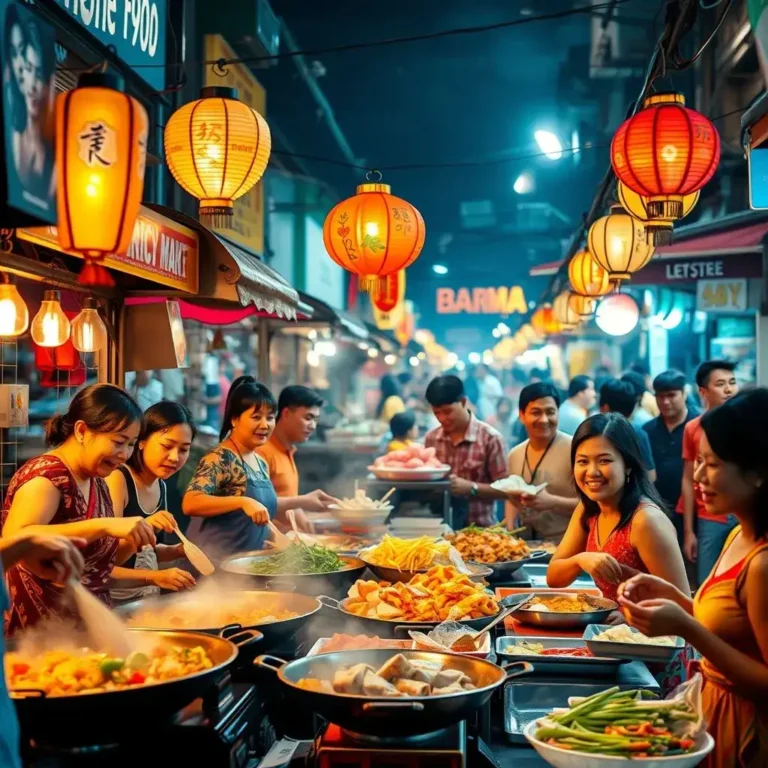
What Makes Japanese Food Culture So Unique
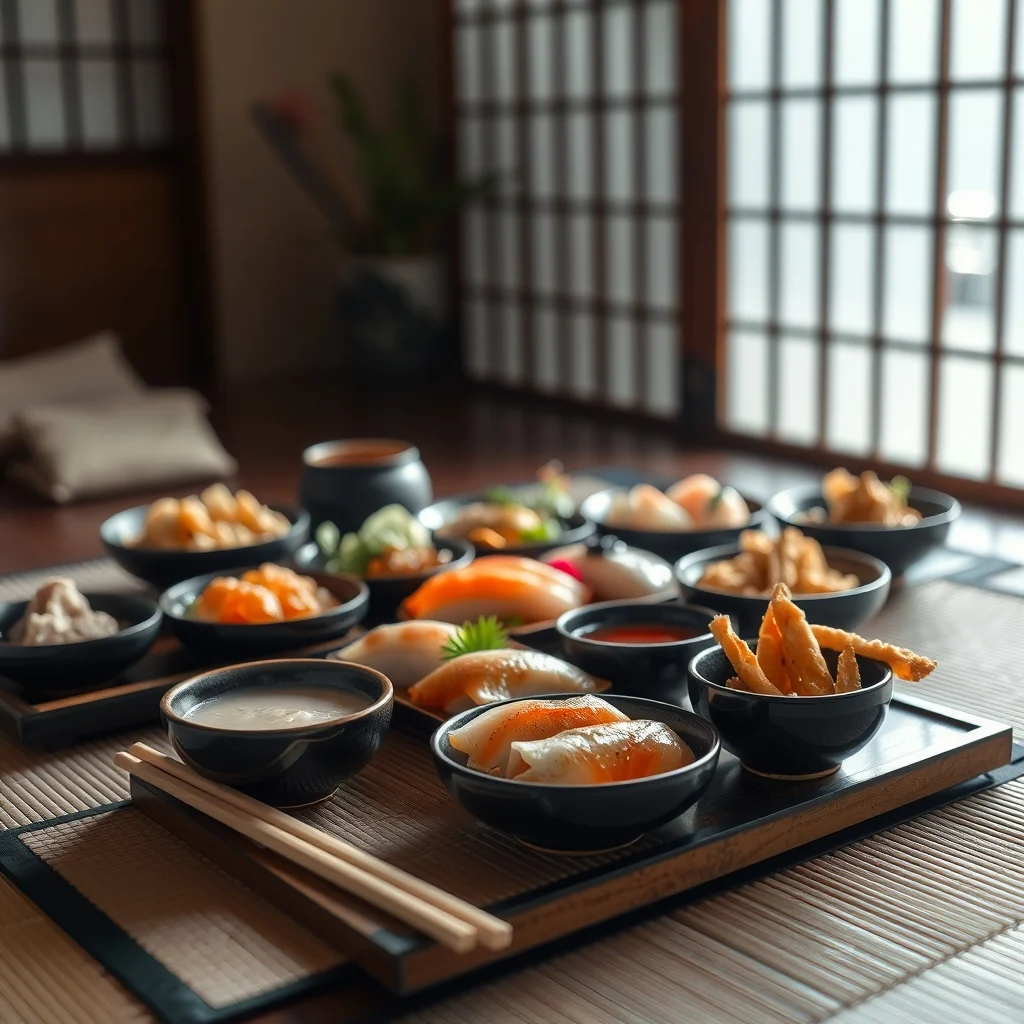
Have you ever wondered what makes Japanese food culture so incredibly captivating? It’s more than just sushi and ramen—Japanese food culture is a deeply rooted philosophy that celebrates seasonality, artistry, and respect for ingredients. This guide will help you understand Japanese food culture and why it continues to fascinate food lovers worldwide.
The Essence of Japanese Food Culture
Japanese food culture is an intricate tapestry woven from history, geography, and profound respect. Japanese food culture is a culinary journey that embodies balance, aesthetics, and a deep connection to nature. Let’s delve into the elements that make Japanese food culture so special.
Seasonality (旬 – Shun): Eating in Harmony with Nature
One of the cornerstones of Japanese food culture is shun, the concept of eating foods at their peak season. This isn’t just about taste; it’s about honoring the natural cycle and enjoying ingredients when they are most flavorful and nutritious.
Pro Tip: When dining at a Japanese restaurant, ask about the seasonal specials. You’ll often find unique dishes that showcase the freshest ingredients of the moment.
Emphasis on Freshness and Quality
The Japanese place an extraordinary emphasis on the freshness and quality of ingredients. This focus on quality defines Japanese food culture, ensuring that every dish highlights natural flavors.
Presentation: The Art of Food
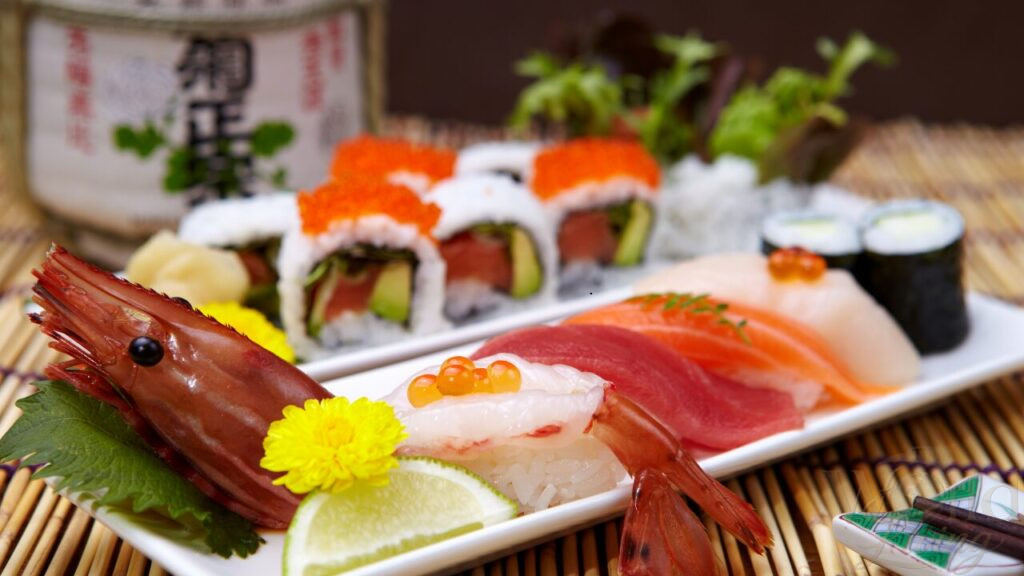
In Japan, food is not just about taste; it’s also about visual appeal. Dishes are meticulously arranged to create a harmonious balance of colors, textures, and shapes. The presentation is considered an integral part of the dining experience, reflecting the chef’s artistry and respect for the ingredients.
Key Components of Japanese Cuisine
To truly understand Japanese food culture, it’s essential to explore its core components. These elements contribute to the unique flavors and experiences that define Japanese dining.
Rice: The Staple of the Japanese Diet
Rice is the foundation of the Japanese diet, and it’s more than just a side dish. It’s a symbol of sustenance and is often treated with great reverence. Japanese rice is typically short-grain, which becomes sticky and slightly sweet when cooked, making it perfect for pairing with a variety of dishes.
Expert Tip: Pay attention to the rice served at different restaurants. High-quality rice can significantly enhance your dining experience.
Umami: The Fifth Taste Sensation
Umami, often described as a savory or meaty taste, is a key element in Japanese cuisine. It is derived from ingredients like seaweed (kombu), fermented soybeans (miso), and dried bonito flakes (katsuobushi). Umami adds depth and complexity to dishes, creating a satisfying and flavorful experience.
The Role of Soy Sauce and Miso
Soy sauce and miso are essential condiments and flavor enhancers in Japanese cooking. Soy sauce, made from fermented soybeans, wheat, salt, and water, adds a salty and umami-rich flavor. Miso, a fermented soybean paste, comes in various types, each with its unique flavor profile. Both are used in countless dishes, from soups and sauces to marinades and glazes.
Traditional Japanese Dining Etiquette
Understanding the etiquette surrounding Japanese food culture can enhance your dining experience and show respect for the tradition. While not all rules are strictly enforced today, being aware of them can help you navigate meals with grace.
Using Chopsticks Correctly
Chopsticks are the primary eating utensil in Japan, and there are several customs to observe. Avoid sticking chopsticks upright in a bowl of rice, as this resembles a funeral ritual. Also, refrain from passing food directly from chopstick to chopstick, as this is also associated with funeral practices. Instead, use your chopsticks to take food from a communal dish and place it on your plate.
Saying “Itadakimasu” and “Gochisousama”
Before starting a meal, it’s customary to say “Itadakimasu,” which translates to “I humbly receive.” This expresses gratitude for the food and the effort that went into preparing it. After finishing your meal, say “Gochisousama deshita,” which means “Thank you for the feast.” These phrases are simple yet meaningful ways to show appreciation.
The Importance of Cleanliness
Cleanliness is highly valued in Japanese culture, and this extends to dining. Keep your eating area tidy, avoid making a mess, and use the provided wet towel (oshibori) to clean your hands before eating. These practices reflect a respect for the food and the dining environment.
Exploring Different Types of Japanese Cuisine
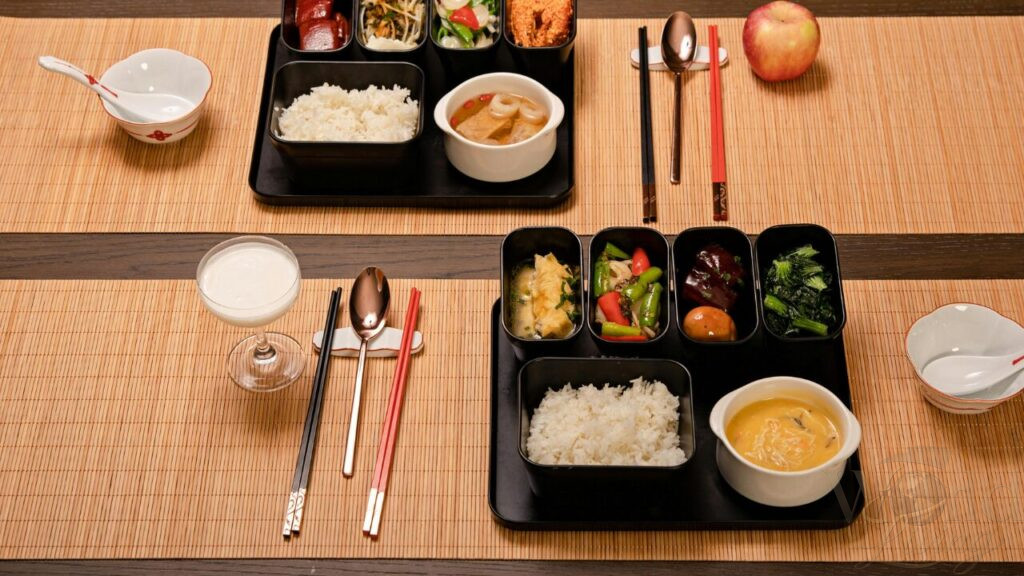
Japanese food culture encompasses a wide range of culinary styles, each with its unique characteristics and flavors.
Sushi and Sashimi: The Art of Raw Fish
Sushi and sashimi are perhaps the most iconic Japanese dishes. Sushi involves vinegared rice combined with various ingredients, such as raw fish, vegetables, and seaweed. Sashimi, on the other hand, is simply thinly sliced raw fish served with soy sauce and wasabi. The key to both dishes is the quality and freshness of the fish.
Ramen: A Noodle Lover’s Paradise
Ramen is a beloved noodle soup dish that varies widely depending on the region. Each ramen style features a unique broth, noodles, and toppings. From the rich and creamy tonkotsu ramen of Kyushu to the miso ramen of Hokkaido, there’s a ramen to suit every palate.
Tempura: Light and Crispy Delights
Tempura consists of lightly battered and deep-fried seafood and vegetables. The batter is typically made from flour, water, and egg, and the key is to keep it cold to achieve a light and crispy texture. Tempura is often served with a dipping sauce (tentsuyu) and grated daikon radish.
Best Time to Visit Japan for Food Lovers
While Japan offers culinary delights year-round, the best time to visit for food lovers depends on your preferences. Spring (March-May) and autumn (September-November) are particularly delightful, as they offer pleasant weather and seasonal ingredients like cherry blossoms and autumn vegetables.
Spring: Cherry Blossoms and Fresh Produce
Spring is celebrated with cherry blossom-themed foods and fresh spring vegetables like bamboo shoots and fava beans. Many restaurants offer special menus that showcase the flavors of the season.
Autumn: Harvest Festivals and Rich Flavors
Autumn is a time for harvest festivals and hearty, flavorful dishes. Sweet potatoes, chestnuts, and mushrooms are abundant, and you’ll find many dishes that incorporate these seasonal ingredients.
Estimated Costs of Experiencing Japanese Food Culture
The cost of experiencing Japanese food culture can vary widely depending on your dining choices. Street food and casual eateries can be quite affordable, while high-end restaurants and sushi bars can be expensive. On average, you can expect to spend:
- Budget Traveler: $30-$50 per day
- Mid-Range Traveler: $75-$150 per day
- Luxury Traveler: $200+ per day
FAQ About Japanese Food Culture
What is the most important aspect of Japanese food culture?
Seasonality (shun) is a critical aspect, emphasizing eating ingredients at their peak flavor and nutritional value, and honoring the natural cycle.
Are there any foods that are considered impolite to eat in public?
While generally acceptable, eating messy foods like large burgers or very saucy dishes in public might be frowned upon in some situations. It’s more about being considerate of those around you.
How important is presentation in Japanese cuisine?
Presentation is extremely important. Dishes are meticulously arranged to create a harmonious balance, reflecting the chef’s artistry and respect for ingredients.
What is “umami,” and why is it important?
Umami is the fifth taste, often described as savory. It’s crucial in Japanese cuisine, adding depth and complexity to dishes through ingredients like seaweed and miso.
What is the proper way to use chopsticks?
Avoid sticking chopsticks upright in rice or passing food directly from chopstick to chopstick. Use them to take food from communal dishes and place it on your plate.
Pro Tips for Immersing Yourself in Japanese Food Culture
- Visit Local Markets: Explore local markets to see fresh ingredients and sample regional specialties.
- Take a Cooking Class: Learn to prepare Japanese dishes yourself.
- Dine at Izakayas: Experience the casual atmosphere of an izakaya (Japanese pub).
- Try Regional Specialties: Each region in Japan has its unique culinary offerings.
Key Takeaways
- Seasonality (Shun): Embrace the concept of eating foods at their peak season.
- Presentation: Appreciate the artistry and attention to detail in food presentation.
- Etiquette: Respect traditional dining customs and practices.
- Variety: Explore the diverse range of Japanese culinary styles.
To truly appreciate Japanese food culture, you should be open to exploring new flavors, respecting traditions, and engaging with the local culinary scene. The more you experience Japanese food culture, the more you understand why it remains one of the most refined and respected culinary traditions in the world.