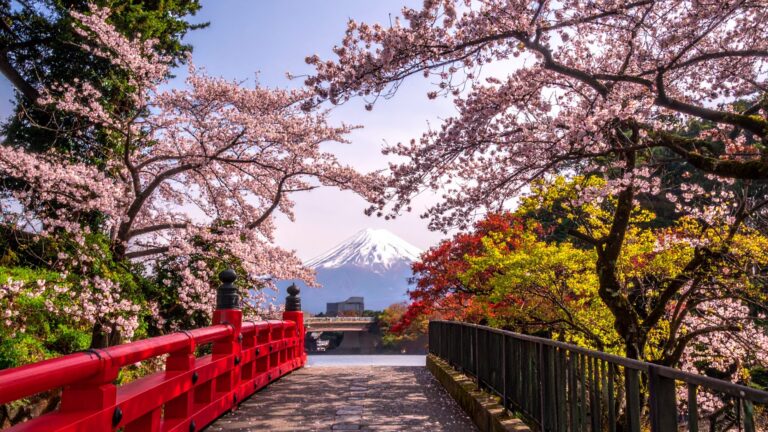
Why Nature Travel Feels So Powerful
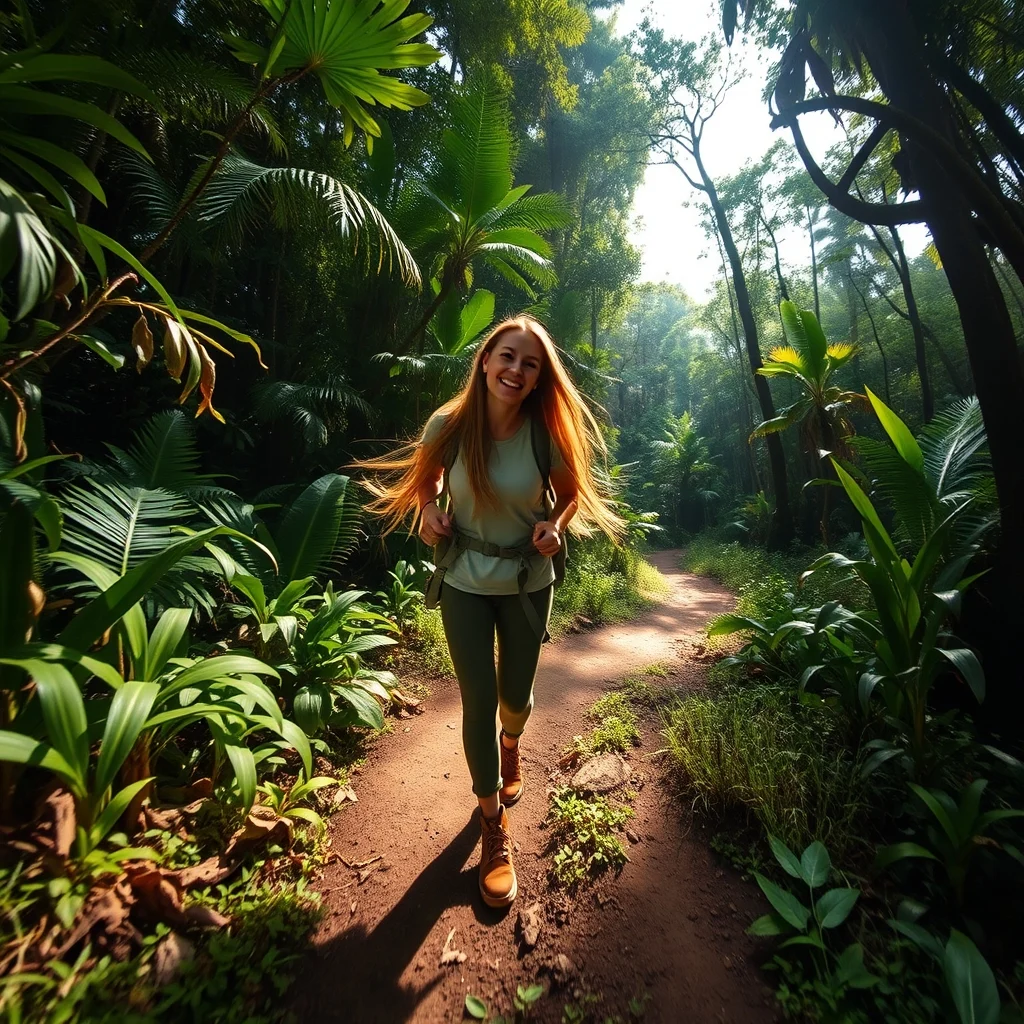
Have you ever felt completely rejuvenated after spending time in nature? There’s something profoundly healing and transformative about disconnecting from our daily routines and immersing ourselves in the natural world. More than just a vacation, nature travel offers a unique opportunity to reconnect with ourselves and the planet, leaving us feeling refreshed, inspired, and deeply grounded.
In this article, we’ll explore the powerful benefits of nature travel, providing practical tips and insights to help you plan your own transformative journey. We’ll delve into why being in nature is so good for our mental and physical health, and how to make the most of your time in the great outdoors. So, pack your bags (metaphorically for now!), and let’s dive in!
The Science Behind Nature’s Healing Power
It’s not just a feeling – science backs up the incredible benefits of spending time in nature. Studies have shown that being in natural environments can lower stress hormones, reduce blood pressure, and boost the immune system. This is thanks to several factors, including:
- Phytoncides: These airborne chemicals released by trees and plants have been shown to boost our immune system by increasing the activity of natural killer (NK) cells.
- Reduced Stress: Natural settings often provide a sense of calm and tranquility, allowing us to escape the stressors of modern life.
- Vitamin D: Spending time outdoors increases our exposure to sunlight, which is essential for vitamin D production.
Beyond the physical benefits, nature travel can also have a profound impact on our mental well-being. It can improve our mood, increase creativity, and enhance our sense of connection to the world around us.
Planning Your Transformative Nature Travel Experience
The beauty of nature travel is that it can take many forms, from a weekend camping trip to a multi-week backpacking adventure. The key is to choose an experience that aligns with your interests, fitness level, and budget.
Choosing Your Destination
When selecting a destination for your nature travel adventure, consider the following factors:
- Your Interests: Are you drawn to mountains, forests, beaches, or deserts? Choose a location that resonates with you.
- Your Fitness Level: Be realistic about your physical abilities. Opt for shorter hikes or less strenuous activities if you’re not an experienced hiker.
- Your Budget: Nature travel can be affordable or luxurious, depending on your choices. Camping and self-catering accommodations are generally more budget-friendly than hotels and restaurants.
Some popular nature travel destinations include:
- National Parks: The United States boasts a stunning array of national parks, from the Grand Canyon to Yellowstone.
- Costa Rica: This Central American country is a biodiversity hotspot, with lush rainforests, pristine beaches, and abundant wildlife.
- New Zealand: Known for its dramatic landscapes, New Zealand offers everything from glaciers to fjords to active volcanoes.
Best Time to Visit
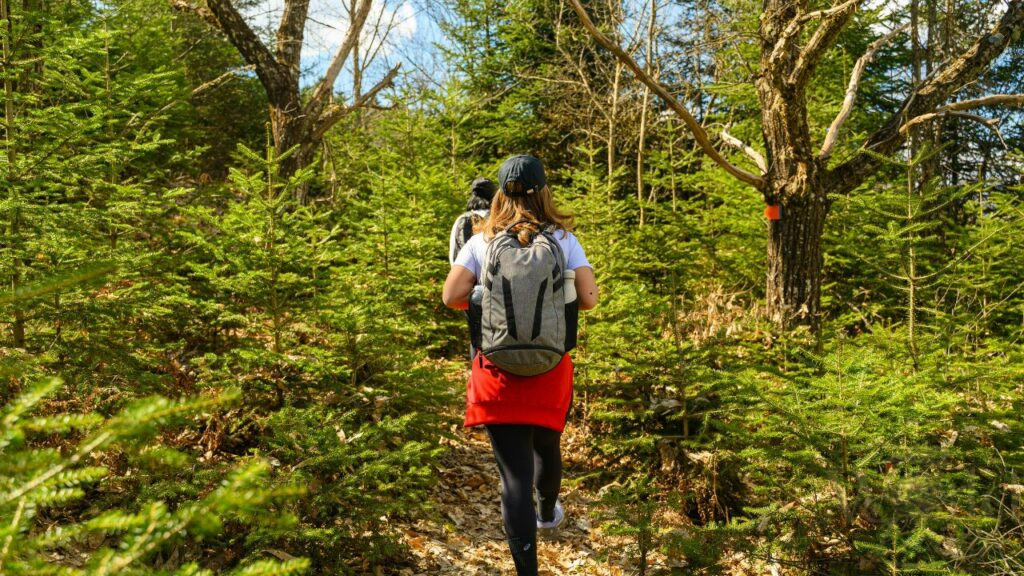
The best time to visit a particular destination will depend on the climate and your specific interests. For example, if you’re planning a hiking trip in the mountains, you’ll want to avoid the rainy season. Research the weather patterns and peak seasons for your chosen destination to ensure a pleasant and safe experience.
Estimated Costs
The cost of nature travel can vary widely depending on your destination, accommodation choices, and activities. Here’s a general idea of what you can expect to spend:
- Accommodation: Camping can cost as little as $20 per night, while hotels can range from $100 to $500+ per night.
- Transportation: Flights can be a significant expense, especially for international travel. Consider alternative transportation options like trains or buses to save money.
- Activities: Hiking is generally free, but other activities like guided tours, kayaking, or wildlife viewing can cost extra.
- Food: Self-catering can save you money on food, but you’ll also want to factor in the cost of eating out occasionally.
On average, a budget-friendly nature travel trip can cost around $50-$100 per day per person, while a more luxurious trip can easily cost $200+ per day.
What to Pack for Your Nature Getaway
Packing appropriately is crucial for a comfortable and enjoyable nature travel experience. Here’s a basic packing list:
- Comfortable Hiking Shoes: Essential for any outdoor activity.
- Moisture-Wicking Clothing: Helps regulate your body temperature and keeps you dry.
- Rain Gear: Be prepared for unexpected showers.
- Sunscreen and Insect Repellent: Protect yourself from the elements.
- First-Aid Kit: Include essential medications and supplies for minor injuries.
- Reusable Water Bottle: Stay hydrated throughout your adventures.
- Backpack: To carry your essentials while hiking.
Pro Tips for a Smooth Trip
- Plan Ahead: Book accommodations and activities in advance, especially during peak season.
- Check the Weather Forecast: Pack accordingly and be prepared for changing conditions.
- Learn Basic First Aid: Knowing how to treat minor injuries can be invaluable.
- Respect the Environment: Leave no trace behind. Pack out everything you pack in.
- Disconnect from Technology: Embrace the opportunity to unplug and reconnect with nature.
Expert Tips for an Enriched Nature Experience
To truly maximize the benefits of nature travel, consider these expert tips:
- Practice Mindfulness: Pay attention to your surroundings and engage all your senses.
- Go on a Solo Hike: Spending time alone in nature can be a powerful way to connect with yourself.
- Learn About the Local Flora and Fauna: Understanding the ecosystem can deepen your appreciation for nature.
- Take a Guided Tour: A local guide can provide valuable insights and help you discover hidden gems.
- Journal Your Experiences: Reflecting on your adventures can help you integrate the lessons you’ve learned.
Local Tips and Recommendations
Before you go, research local customs and etiquette. Learn a few basic phrases in the local language to show respect. Ask locals for recommendations on hidden gems and off-the-beaten-path experiences. Support local businesses and communities whenever possible.
FAQ About Nature Travel
What are the main benefits of nature travel?
Nature travel offers numerous benefits, including reduced stress, improved mood, boosted immune system, and increased creativity.
How can I make my nature travel more sustainable?
Choose eco-friendly accommodations, pack reusable items, support local businesses, and minimize your carbon footprint.
Is nature travel safe for solo travelers?
Yes, but it’s important to take precautions like researching your destination, informing someone of your itinerary, and carrying a personal safety device.
What if I’m not an experienced hiker?
Start with shorter, easier trails and gradually increase the difficulty as your fitness improves. Consider hiring a guide for more challenging hikes.
What should I do if I encounter wildlife?
Maintain a safe distance, avoid feeding animals, and follow park regulations. Store food properly to prevent attracting animals to your campsite.
Key Takeaways: Maximizing Your Nature Travel Adventure
- Nature travel is more than just a vacation; it’s an opportunity to reconnect with yourself and the planet.
- Planning is key to a successful and enjoyable nature travel experience.
- Respect the environment and support local communities.
- Embrace the opportunity to disconnect from technology and reconnect with nature.
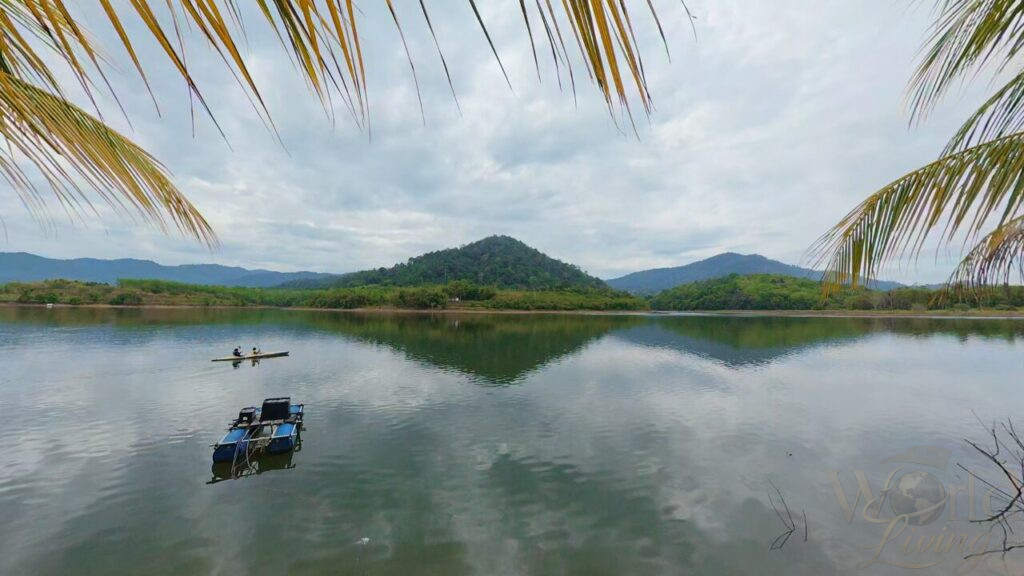
Nature travel provides a unique opportunity to disconnect from the stresses of modern life and reconnect with the natural world. By carefully planning your trip, packing appropriately, and embracing the experience, you can create a transformative journey that will leave you feeling refreshed, inspired, and deeply connected to the power of nature. So, get out there and experience the incredible benefits that nature travel has to offer!