Best Travel Backpack

The best travel backpack can change the way a journey feels. Instead of wrestling with broken zippers, aching shoulders, or wasted space, you move through airports, train stations, and city streets with a little more ease and a lot more confidence. That is why choosing the best travel backpack is not only about style or brand. It is about comfort, practicality, and finding a bag that fits the way you actually travel.
This guide is written for travelers who want more than a quick product roundup. It is an inspiring, practical look at what matters, what to avoid, and how to choose a backpack that supports both short escapes and longer adventures. If you have been searching for the best travel backpack, this article will help you narrow your options with clarity.
Quick takeaway: the best travel backpack is the one that fits your body, matches your travel style, and keeps essentials easy to access without becoming bulky or uncomfortable.
Why the Right Backpack Matters More Than People Think
A backpack is one of the few travel items you notice all day long. You feel it when you are rushing to catch a train, walking to your hotel after landing late, or climbing staircases in old city centers where elevators do not exist. A poor bag becomes part of the problem. A well-designed one quietly disappears into the background and lets the trip take center stage.
That is why many experienced travelers spend time comparing features instead of buying the first attractive option they see online. The best travel backpack should reduce friction. It should keep your belongings organized, sit comfortably on your back, and hold enough without encouraging you to overpack.
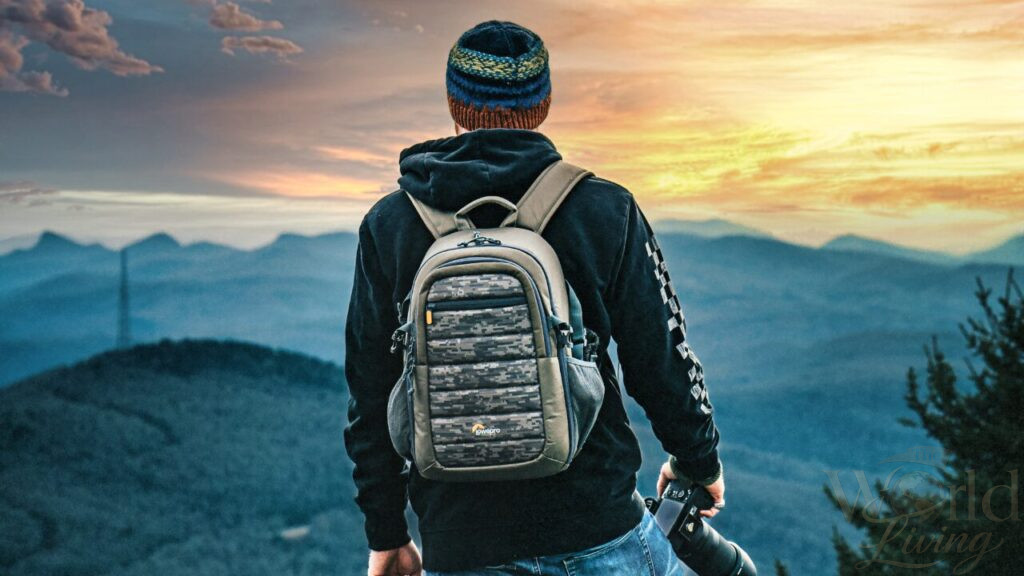
What the Best Travel Backpack Should Have
Comfort that lasts beyond the airport
Comfort comes first. Padded shoulder straps, a supportive back panel, balanced weight distribution, and an adjustable sternum strap can make a dramatic difference. If a backpack feels awkward after ten minutes, it will feel much worse after a full day of travel.
Smart organization
A good layout saves time and stress. Look for compartments that make sense: a main section for clothing, smaller pockets for essentials, a laptop sleeve if you travel with tech, and easy-access spaces for passports, chargers, or toiletries. The best travel backpack keeps everything reachable without turning into a maze of tiny pockets.
Durability you can trust
Travel gear gets dragged, lifted, compressed, and exposed to changing weather. Strong stitching, durable fabric, reliable zippers, and a shape that holds up over time matter more than flashy marketing claims. A backpack should feel dependable, not delicate.
A size that matches your travel style
Not everyone needs a giant bag. For many travelers, a compact carry-on backpack is the sweet spot. It encourages smarter packing and keeps you more mobile. Others may need extra space for colder climates, work equipment, or longer trips. The key is choosing capacity with intention, not simply choosing the largest option available.
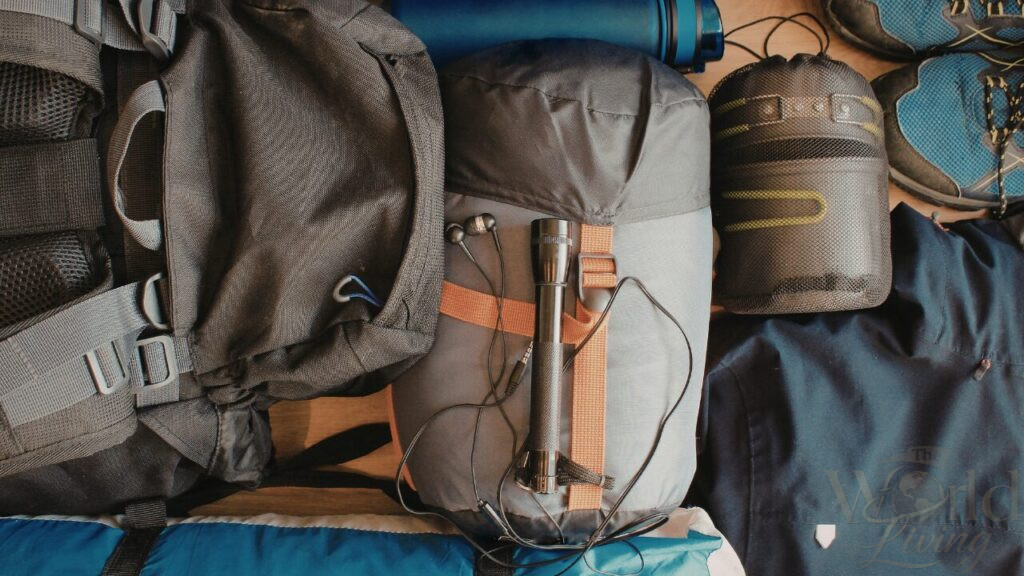
Best Travel Backpack Tips Before You Buy
Shopping for a backpack is easier when you know what matters most for your own trips. These best travel backpack tips can help you avoid expensive mistakes.
- Think about trip length. A weekend city break usually needs less space than a month-long multi-country trip.
- Consider how you move. If you often use trains, buses, and sidewalks, comfort and carry-on size matter more than sheer capacity.
- Check airline rules. A bag that works beautifully in theory may still be frustrating if it exceeds common cabin limits.
- Be honest about what you pack. Minimal travelers and heavy packers need different solutions.
- Do not buy only for looks. A sleek design helps, but function should win every time.
Backpack Sizes and Who They Suit
Small backpacks for short trips
Smaller travel backpacks are ideal for travelers who move often, prefer light packing, or take short trips. They are easier to lift, easier to store, and often work well as carry-on luggage. They also force more thoughtful packing, which many travelers eventually come to appreciate.
Medium backpacks for balanced travel
A mid-sized backpack suits travelers who want flexibility. It offers enough room for a wider range of clothing, shoes, and accessories while still staying manageable. For many people, this is where the best travel backpack category becomes most competitive, because it balances space and mobility well.
Larger backpacks for long-haul or gear-heavy travel
Larger options can work for extended travel, winter destinations, or travelers carrying camera gear, work equipment, or multiple pairs of shoes. The tradeoff is obvious: more space often means more weight, and more weight usually means less comfort if the bag is not well designed.
Features Worth Paying More For
Not every premium feature matters, but some upgrades are worth it. Water-resistant materials, locking zippers, hidden pockets, a clamshell opening, reinforced grab handles, and a ventilated back panel can genuinely improve daily use. These details may not sell the backpack on their own, but together they shape how easy it feels to travel with.
A clamshell opening, in particular, is often overlooked by first-time buyers. It allows the backpack to open like a suitcase, which makes packing and unpacking far easier than digging through a top-loading compartment. For many travelers, this becomes a non-negotiable feature once they have used it.
Common Mistakes People Make When Choosing a Travel Backpack
Many travelers buy based on aspiration instead of reality. They choose a rugged expedition pack for city travel, or a trendy bag with poor support because it looks good in photos. Others ignore fit, buy too large, or fail to test whether their essentials actually fit in a sensible way.
- Choosing a backpack that is too big and filling it just because the space exists.
- Ignoring torso fit and strap comfort.
- Assuming more compartments always mean better organization.
- Buying a cheap bag that saves money upfront but wears out quickly.
- Forgetting that the best travel backpack should work for movement, not just storage.
How to Match the Backpack to the Type of Traveler You Are
A digital nomad may value a padded laptop compartment and sleek urban styling. A weekend traveler may want something light and simple. An adventure-focused traveler may prioritize weather resistance and support. Someone visiting multiple European cities may care most about compact dimensions, security, and comfort while walking between stations and hotels.
This is where a good guide becomes more helpful than a generic recommendation list. The best travel backpack is not one universal model. It is the bag that suits your pace, your destination, and your packing habits.
Best Travel Backpack Tips for Smarter Packing
Even the best bag performs poorly when packed badly. These best travel backpack tips help the backpack work the way it was designed to work.
- Place heavier items close to your back for better balance.
- Use packing cubes to separate clothing types and reduce clutter.
- Keep travel documents, electronics, and medications in easy-access pockets.
- Do not overload external pockets, which can throw off the bag’s shape and weight distribution.
- Leave a little space for purchases or extra layers instead of packing to the absolute limit.
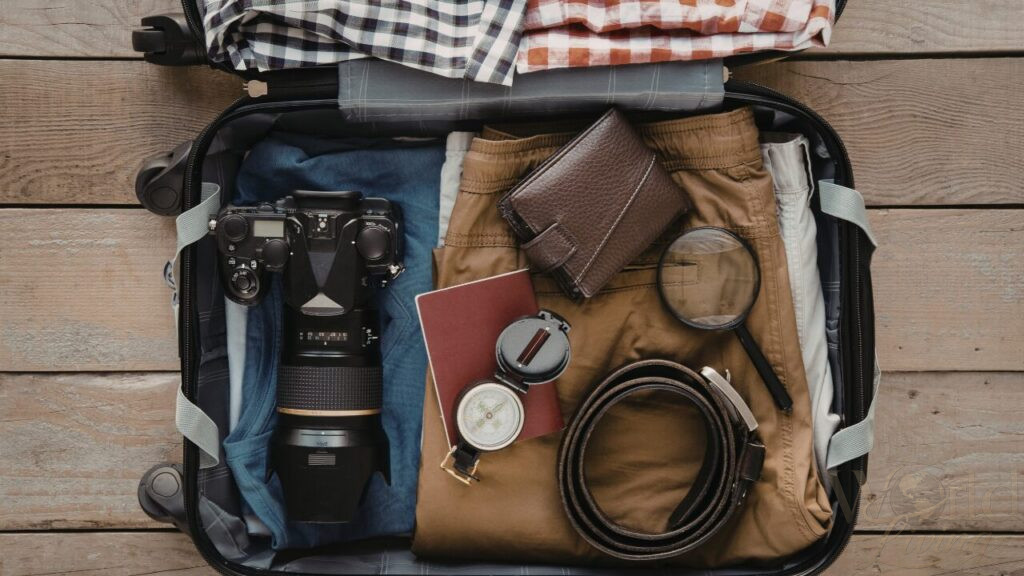
Should You Choose a Backpack Over a Suitcase?
For many trips, yes. A suitcase works well when roads are smooth, transport is direct, and accommodation is easy to reach. But travel is not always that neat. Cobblestones, stairs, narrow pavements, crowded stations, and frequent hotel changes often make a backpack the easier choice.
A travel backpack gives you flexibility. You move faster, stay more mobile, and keep your hands free. That does not mean a backpack is always better, but it explains why so many travelers eventually prefer one once they start moving frequently between destinations.
Use this guide as a filter, not a formula. Think about how you travel, what you carry, and what you want your days on the road to feel like. When a backpack matches those needs well, it stops being just gear and becomes part of a smoother, lighter, and more enjoyable journey.
Choosing the best travel backpack is really about choosing ease. The right bag supports your trip rather than competing with it. It helps you stay organized, move comfortably, and focus on the experience ahead. Whether you are planning weekend breaks, longer international journeys, or a mix of both, the right backpack can become one of the smartest travel decisions you make. Have a favorite travel backpack or a feature you never travel without? Share it in the comments and explore more guides on The World Living for smarter packing, better gear, and easier trips.
Follow the journey and discover real travel experiences