Traditional Cooking Methods Still Used Today
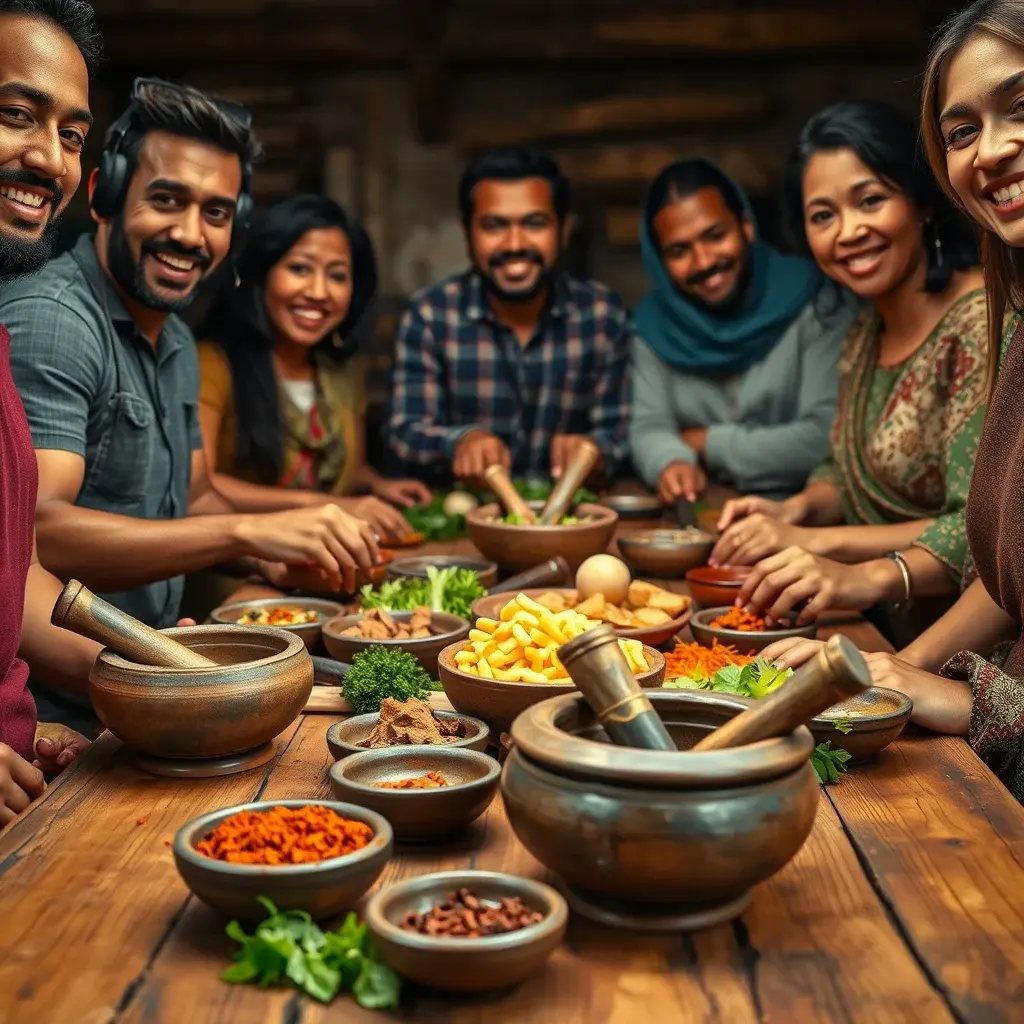
Ever wondered why your grandma’s food just tastes… different? It’s not just the love; it’s often the traditional cooking methods she’s been using for decades. These techniques, passed down through generations, offer unique flavors and textures that modern cooking often misses.
In this article, we’ll explore several traditional cooking methods still cherished and practiced around the world. You’ll discover how these time-honored techniques enhance flavors, preserve nutrients, and connect us to our culinary heritage.
Why Keep Traditional Cooking Methods Alive?
Beyond the exquisite taste, there are compelling reasons to preserve traditional cooking methods. They often rely on locally sourced ingredients, reducing carbon footprint and supporting local farmers. Plus, many of these techniques are inherently sustainable, minimizing waste and maximizing resourcefulness.
- Flavor Depth: Slow cooking and smoking, for example, unlock complex flavors that are hard to replicate with faster methods.
- Nutrient Retention: Some traditional techniques, like fermentation, can actually enhance the nutritional value of food.
- Cultural Preservation: These methods are integral to cultural identity, connecting us to our ancestors and their culinary traditions.
- Sustainability: Using local ingredients and minimizing waste aligns with environmentally conscious practices.
Popular Traditional Cooking Methods Around the World
Let’s explore some specific traditional cooking methods that continue to thrive in various cultures:
Slow Cooking: The Art of Patience
Slow cooking involves simmering food at low temperatures for extended periods. This allows tough cuts of meat to become incredibly tender and flavors to meld beautifully. Think stews, braises, and pot roasts. This is where food becomes comfort.
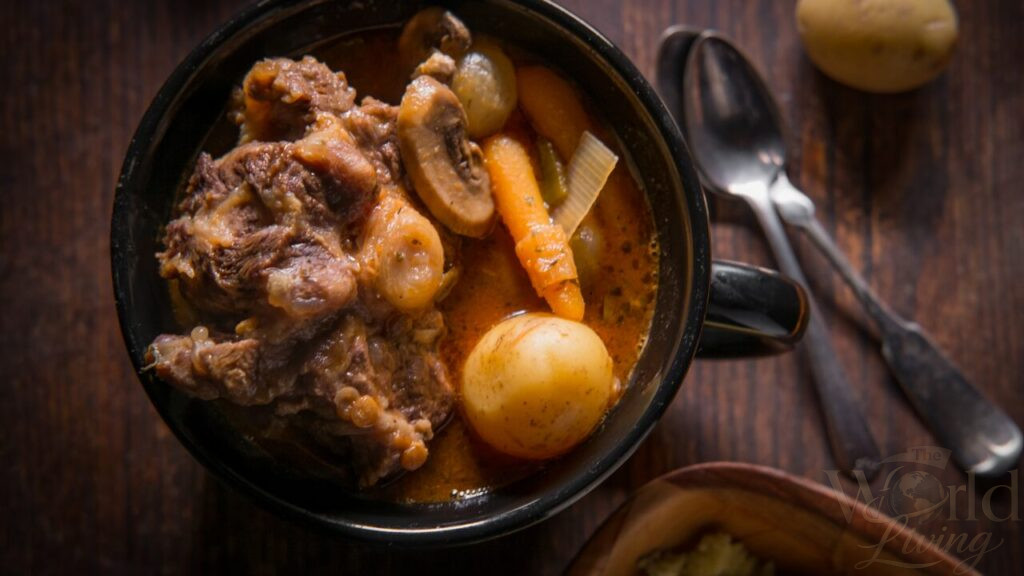
Pro Tip: Use a heavy-bottomed pot, like a Dutch oven, to distribute heat evenly and prevent scorching. Don’t rush the process; the longer it simmers, the richer the flavor.
Smoking: Infusing Flavor with Wood
Smoking involves exposing food to smoke from burning wood. This imparts a distinctive smoky flavor and also helps to preserve the food. Think smoked meats, fish, and cheeses. The type of wood used significantly impacts the final flavor profile.
Estimated Cost: A basic smoker can cost anywhere from $50 to $500, depending on the size and features. Wood chips are relatively inexpensive, ranging from $5 to $20 per bag.
Fermentation: Transforming Food with Microbes
Fermentation uses microorganisms to transform food, creating unique flavors and textures. Think kimchi, sauerkraut, yogurt, and sourdough bread. Fermented foods are also rich in probiotics, which are beneficial for gut health. This is an ancient technique that’s seeing a resurgence in popularity.
Local Tip: Experiment with different fermentation cultures and ingredients to create your own unique fermented foods. Start with simple recipes like sauerkraut or yogurt.
Roasting: Dry Heat Cooking at Its Finest
Roasting involves cooking food in an oven using dry heat. It’s a versatile method that can be used for meats, vegetables, and even fruits. Roasting caramelizes the surface of the food, creating a delicious crispy exterior and tender interior.
Grilling: The Charred Perfection
Grilling involves cooking food over an open flame. It’s a popular method for cooking meats, vegetables, and seafood. The high heat sears the surface of the food, creating a flavorful crust. Charcoal grills impart a smoky flavor, while gas grills offer more precise temperature control.
Baking: More Than Just Bread
While often associated with bread and pastries, baking encompasses a wider range of dishes cooked in the oven. Casseroles, baked pasta dishes, and even some desserts benefit from the even heat distribution of baking.
The Tools of the Trade
Many traditional cooking methods rely on specific tools that have stood the test of time:
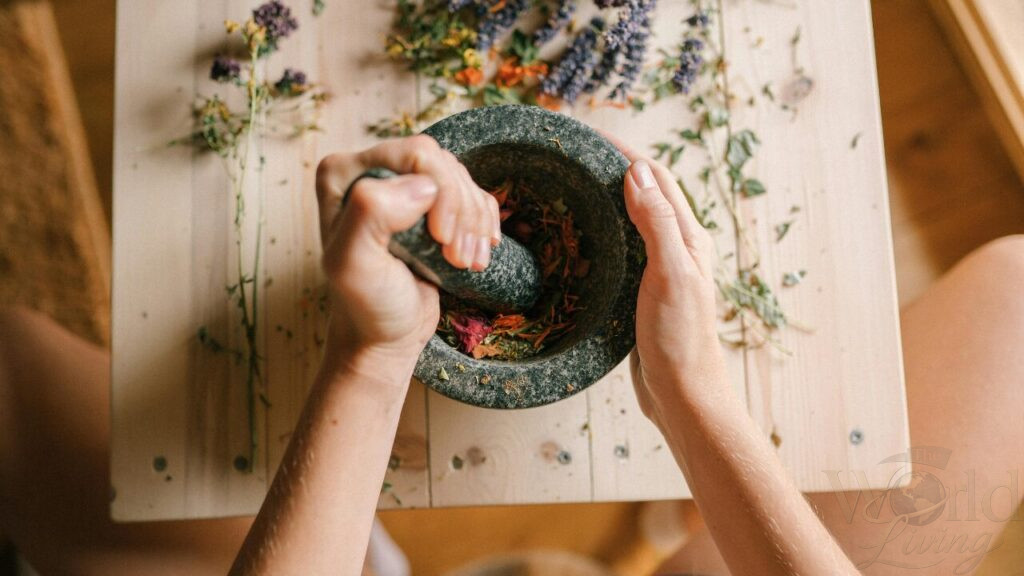
- Mortar and Pestle: For grinding spices and herbs.
- Wok: For stir-frying at high heat.
- Dutch Oven: For slow cooking and braising.
- Clay Pot: For imparting earthy flavors to stews and rice dishes.
- Tandoor Oven: For baking flatbreads and roasting meats at extremely high temperatures.
Expert Tips for Embracing Traditional Cooking
Ready to dive into the world of traditional cooking methods? Here are some expert tips to get you started:
- Start Simple: Choose one technique that interests you and master it before moving on to others.
- Source Local Ingredients: Visit farmers’ markets and local producers to find the freshest, highest-quality ingredients.
- Don’t Be Afraid to Experiment: Traditional recipes are often guidelines, not strict rules. Feel free to adjust them to your taste.
- Connect with Your Heritage: Explore recipes from your family’s cultural background.
- Be Patient: Many traditional methods require time and patience. Embrace the process and enjoy the journey.
Best Time to Visit for Cooking Classes
Many regions offer cooking classes focused on traditional cooking methods. Research the best time to visit based on the local harvest seasons. For example, autumn is ideal for learning about preserving fruits and vegetables, while spring is perfect for foraging for wild herbs and mushrooms.
Estimated Costs of Traditional Cooking
The cost of practicing traditional cooking methods can vary depending on the ingredients and equipment you choose. However, it’s often more affordable than relying on processed foods. Buying in bulk and sourcing local ingredients can help you save money.
FAQ About Traditional Cooking Methods
What are the benefits of using traditional cooking methods?
Traditional cooking methods often result in deeper flavors, better nutrient retention, and a more sustainable approach to food preparation. They also connect us to our cultural heritage.
How can I learn more about traditional cooking methods?
There are many resources available, including cookbooks, online tutorials, and cooking classes. Start by exploring recipes from your family’s cultural background or a cuisine that interests you.
Is traditional cooking more time-consuming than modern cooking?
Some traditional methods, like slow cooking and fermentation, do require more time. However, the results are often worth the effort. You can also adapt some techniques to fit your schedule by using appliances like slow cookers or pressure cookers.
What are some examples of traditional cooking tools?
Examples include mortar and pestles, woks, Dutch ovens, clay pots, and tandoor ovens. These tools are designed to enhance specific cooking methods and flavors.
How does traditional cooking contribute to sustainability?
Traditional cooking often relies on locally sourced ingredients, reducing transportation costs and supporting local farmers. It also emphasizes minimizing waste and using resources efficiently.
Key Takeaways
- Traditional cooking methods offer unique flavors and textures.
- They often preserve nutrients and promote sustainability.
- Learning these methods connects us to our culinary heritage.
- Experimenting with different techniques is a rewarding experience.
By embracing traditional cooking methods, we can rediscover the joy of slow food, connect with our cultural roots, and create delicious, nourishing meals that are both good for us and good for the planet. So, dust off that old family recipe, fire up the smoker, or try your hand at fermentation – the world of traditional cooking awaits!