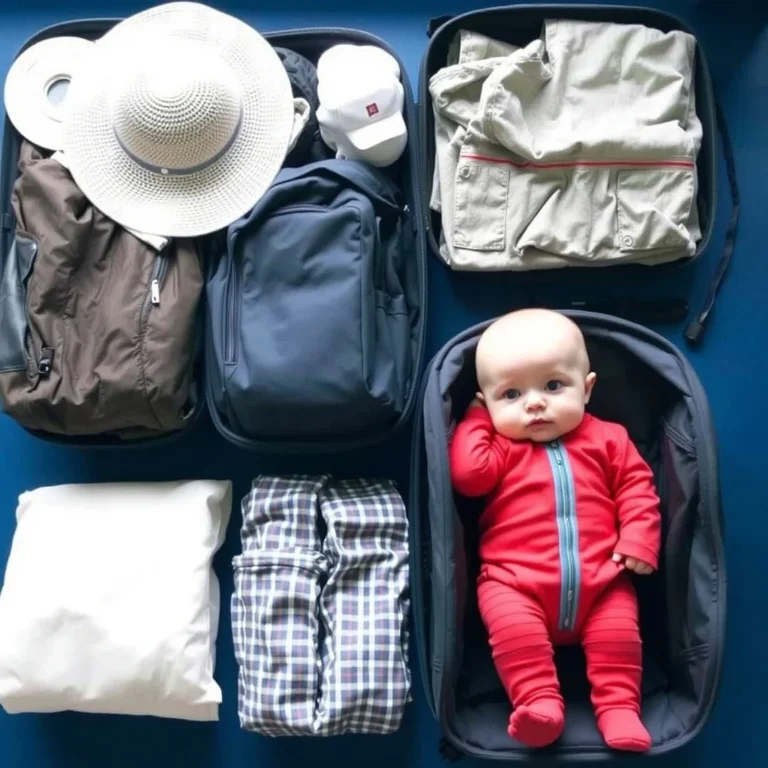
Packing List Europe
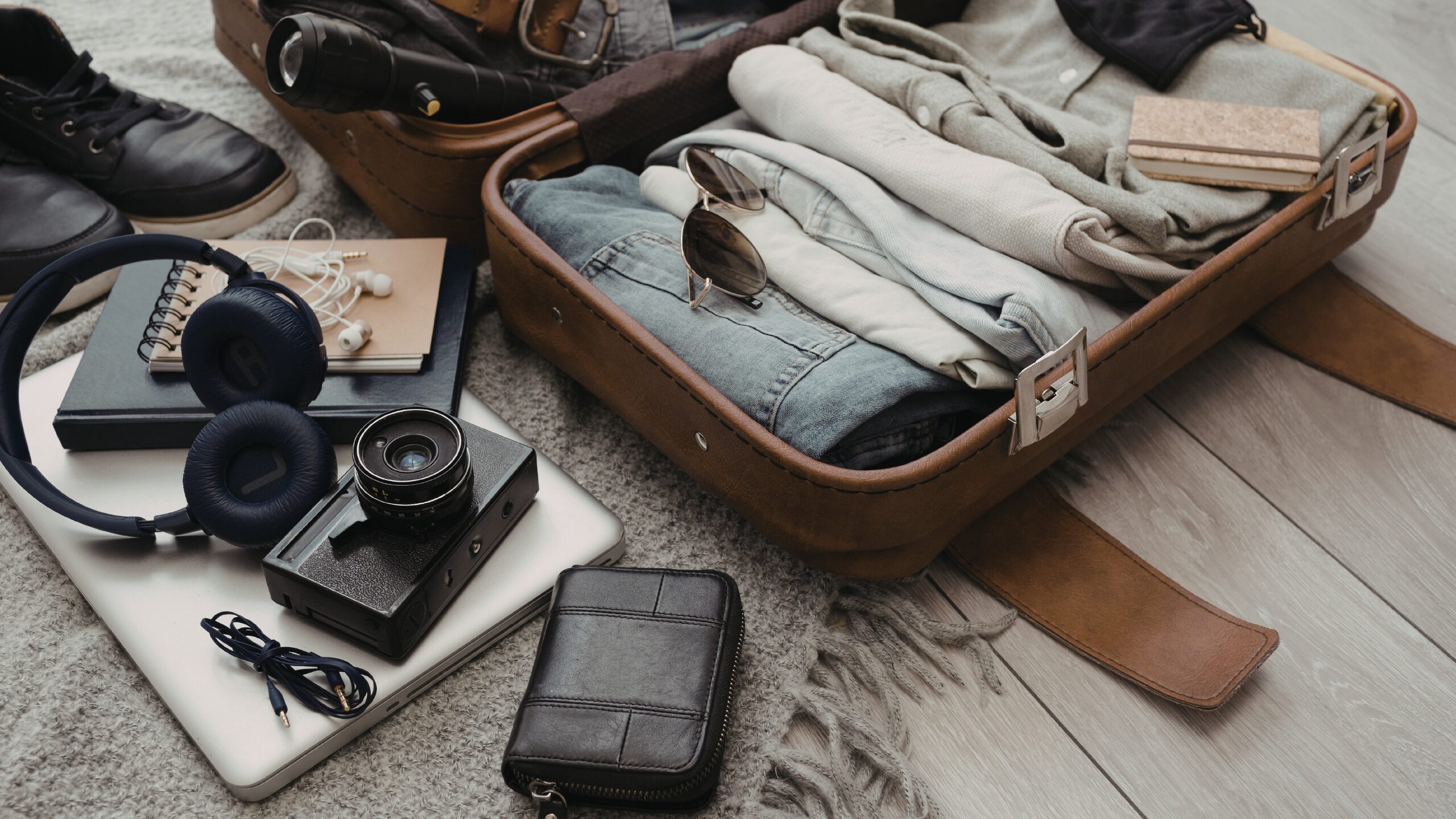
Packing for Europe sounds simple until you start imagining different train journeys, unpredictable weather, long walking days, elegant dinners, budget flights, and the very real pain of dragging an overstuffed suitcase over cobblestones. A strong packing list Europe strategy is not about bringing more. It is about bringing the right things.
This guide is designed for travelers who want a smarter, lighter, and more enjoyable trip. Whether you are planning a first European getaway, a city-hopping itinerary, or a longer adventure across several countries, the right packing list Europe tips can save money, reduce stress, and make every day on the road easier. Think of this article as a practical guide with a little inspiration built in: less clutter, more freedom, and more room for the trip itself.
Why Packing List Europe Planning Matters
Europe rewards travelers who move easily. You may be changing hotels often, navigating train platforms, climbing stairs in older buildings, or walking much more than expected. A thoughtful packing list Europe plan gives you flexibility. It helps you board quicker, unpack faster, avoid baggage fees, and spend more time enjoying a destination instead of managing your luggage.
Packing well also changes the feel of a trip. When your bag is organized and realistic, you travel with more confidence. You know where things are. You do not waste mornings deciding what to wear. You are less likely to buy emergency replacements, and you are more likely to enjoy the simple rhythm of moving from one place to another.
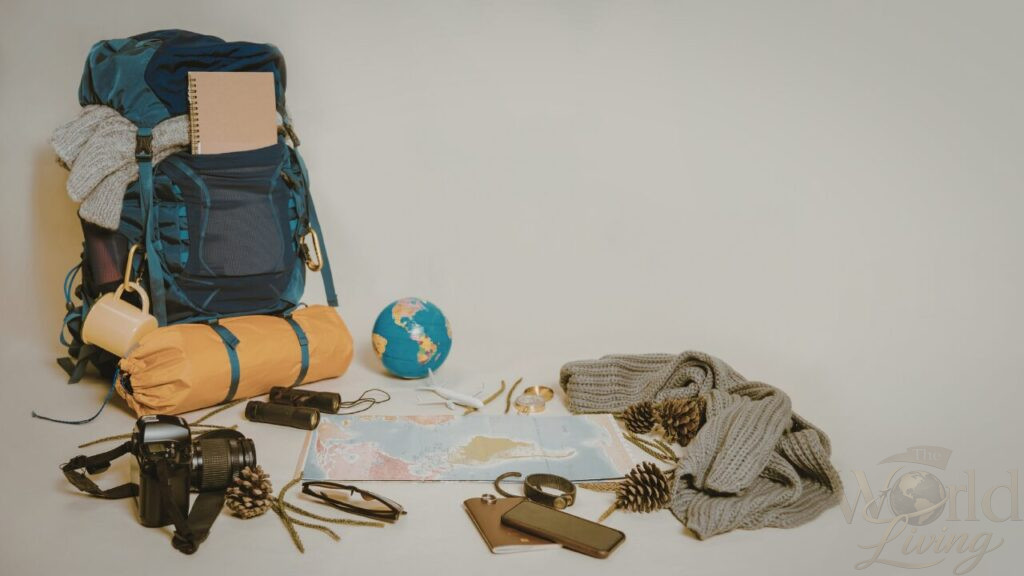
How to Build a Packing List Europe Plan
The best approach is to pack for your itinerary, not for every possible scenario. Start by looking at three things: weather, trip length, and travel style.
For weather, check the likely temperatures and rainfall for each stop. Europe can shift quickly between warm afternoons and cool evenings, especially in spring and autumn. For trip length, remember that longer trips do not require a much bigger wardrobe. Laundry is usually a better solution than hauling too many outfits. For travel style, think honestly about your days. Will you be sightseeing from morning to evening, attending events, dining out, hiking, or traveling mostly by rail? Your guide should reflect your real plans, not an imaginary version of your trip.
One of the most useful packing list Europe tips is to build around versatile pieces. Neutral colors, comfortable layers, and items that work across different settings will serve you better than highly specific pieces you wear once.
Quick Packing Tips
Pack for five days, repeat outfits, layer for the weather, and plan one laundry reset if needed. This keeps your bag lighter without making the trip feel restrictive.
This simple approach makes any packing list for Europe plan easier to follow and much more efficient.
Packing List Europe Clothing Essentials
A balanced clothing list usually works better than an ambitious one. Start with a few breathable tops, two or three bottoms, a light sweater or layer, underwear and socks for several days, sleepwear, and one outer layer suited to the season. Comfortable walking shoes are essential. If your itinerary includes nicer restaurants or evenings out, add one polished outfit that can be styled in different ways.
Layering matters more than packing bulky clothing. A light jacket, cardigan, or overshirt can handle most transitions in weather without taking over your suitcase. If you are traveling in cooler months, focus on thin thermal layers and one quality coat rather than multiple heavy items.
A smart guide also leaves room for practical comfort. Europe travel often means long museum days, public transport, early departures, and a lot of walking. Clothes that look good but feel tiring after two hours are rarely worth the bag space.
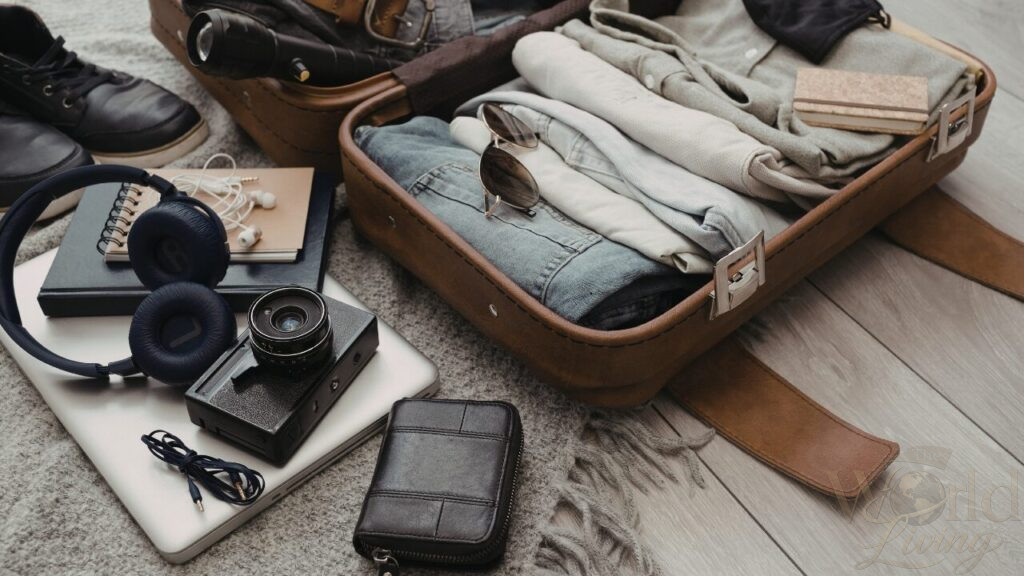
Packing List Europe Shoes and Bags
Shoes can make or break a Europe trip. A reliable pair of walking shoes is non-negotiable. Many travelers do well with one main pair for daily use and one second pair for variety, dinners, or showers depending on the itinerary. More than that often becomes unnecessary weight.
For bags, choose based on mobility. A carry-on suitcase or travel backpack works well for many itineraries. Add a compact day bag for essentials such as your phone, documents, wallet, water bottle, and light layer. Crossbody bags are popular because they are comfortable, practical, and easy to manage in cities.
Among the best packing list Europe tips is this one: if you cannot comfortably lift and move your bag on your own, it is probably too heavy.
Toiletries, Tech, and Travel Essentials
Keep toiletries streamlined. Bring travel-size items, daily medications, a toothbrush, deodorant, skincare essentials, and anything you truly rely on. Europe has pharmacies, supermarkets, and convenience stores, so you do not need to pack for every possibility.
For tech, the basics are usually enough: phone, charger, power bank, earbuds, and a universal adapter. A small cable pouch helps avoid clutter. If you work while traveling or plan a longer stay, add only the devices that genuinely support the trip.
Your documents deserve their own mini system. Passport, cards, transport confirmations, travel insurance details, and offline copies of bookings should be easy to access. This part of a packing list Europe guide is often overlooked, but good organization here can save a lot of stress on travel days.
Seasonal Packing List Europe Tips
Summer packing usually means lighter fabrics, sunglasses, a hat, and breathable clothing, but it still helps to bring one layer for evenings or air-conditioned trains. Spring and autumn are the seasons where layering becomes most valuable. Weather can change quickly, so a light waterproof jacket and flexible wardrobe are especially useful. Winter travel may require thermal basics, gloves, a scarf, and one warm coat, but even then the goal is balance, not bulk.
One of the most practical packing list Europe tips is to avoid packing by emotion. Many travelers add extra items because they fear being unprepared. In reality, a well-layered, well-organized bag usually handles more situations than a large suitcase full of random extras.
Packing List Europe Mistakes to Avoid
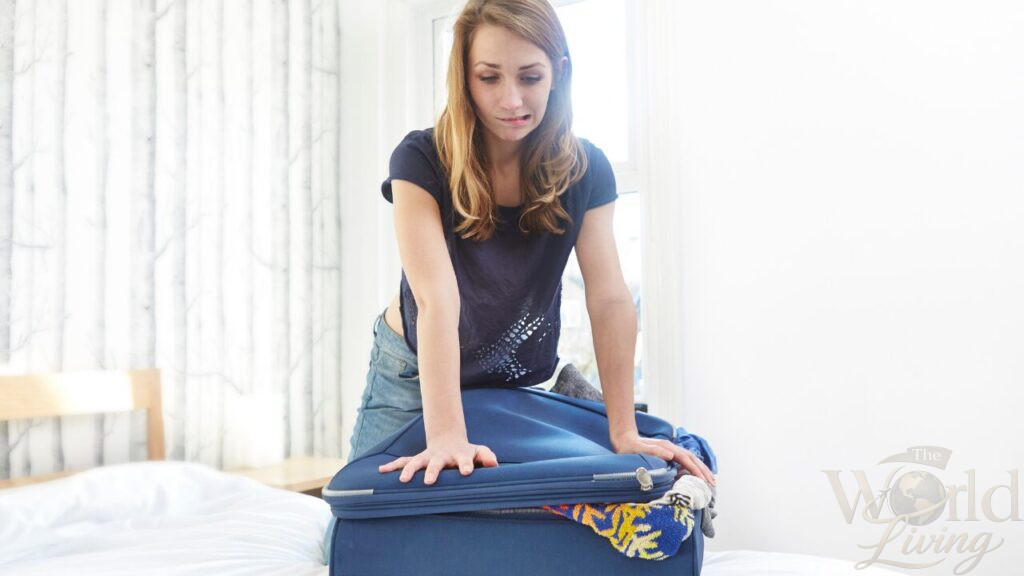
Overpacking often begins with good intentions. Extra shoes, too many toiletries, multiple just-in-case outfits, and heavy electronics are common mistakes. Europe is not a remote wilderness for most travelers. If you forget something small, you can usually buy it.
Avoid packing items that create friction: bulky hair tools you rarely use, multiple jackets for one week, thick books if you can read digitally, or outfits that need special care. A useful guide is not only about what to include. It is also about what to leave behind so the trip feels lighter and more flexible.
Packing List Europe Tips for Different Travelers
For city-break travelers, keep it compact and stylish but practical. You will likely walk a lot, so prioritize shoes, layering, and a simple day bag. For backpackers or rail travelers, every extra item matters, so focus on durability, laundry-friendly clothing, and compact organization. For families, the best packing list Europe strategy is to standardize what you can: small pouches, shared toiletries, and clear categories for each person. For luxury travelers, even with a more polished wardrobe, versatility still matters. Elegant travel is easier when the suitcase stays efficient.
Simple Packing List Europe Formula
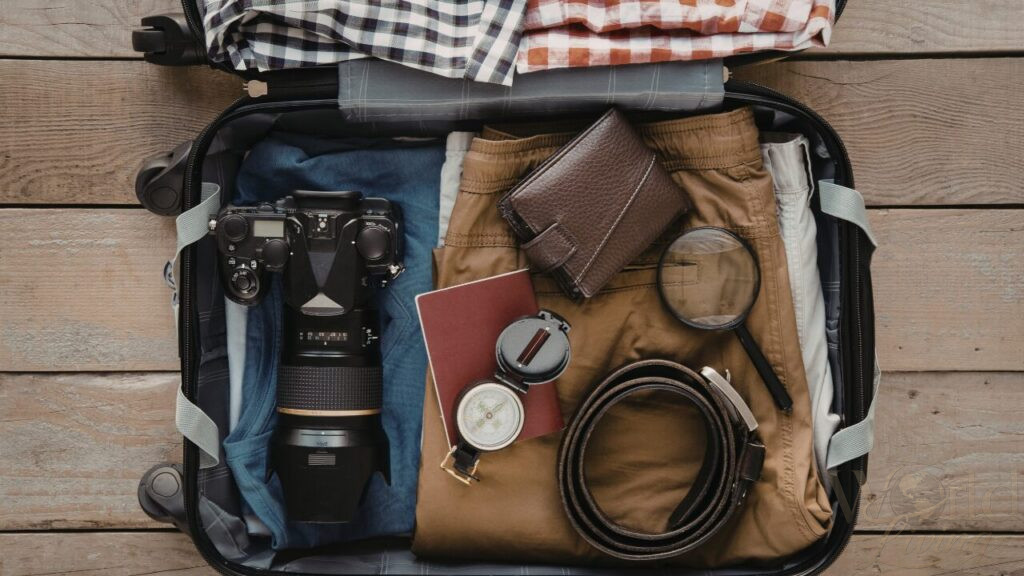
If you feel overwhelmed, use a simple formula. Pack enough clothing for around five days, plan one laundry moment if needed, wear your bulkiest shoes in transit, and keep your heaviest layer on hand instead of inside the bag. Build outfits around repeatable pieces rather than individual looks.
This formula works because it encourages rhythm instead of excess. You are not packing for every day separately. You are packing a system. That shift makes a packing list Europe plan feel calmer and much easier to follow.
Use these packing list Europe tips as a guide, not a rulebook. Adapt them to your season, your pace, and your personality. The best-packed trip is the one that supports the experience you want to have: less stress, more freedom, and more energy for the places waiting ahead.
Six Packing List Europe Tips That Always Help
- Choose clothing that mixes and matches easily.
- Limit yourself to two pairs of shoes whenever possible.
- Keep one small pouch for documents and travel-day essentials.
- Pack layers instead of bulky standalone pieces.
- Leave some extra room for small purchases during the trip.
- Do a final edit and remove three non-essential items before you zip the bag.
With the right packing list Europe strategy, your trip becomes lighter, smoother, and far more enjoyable.
Frequently Asked Questions
What should I pack for Europe?
Pack versatile clothing, comfortable shoes, and essential travel items.
How many outfits do I need for Europe?
Around five days of clothing is usually enough with laundry.
Can I travel Europe with a carry-on?
Yes, many travelers successfully use only a carry-on bag.
A well-designed packing list Europe approach does more than organize a suitcase. It sets the tone for the whole trip. Packing light does not mean sacrificing comfort or style. It means making space for spontaneity, easier movement, and a smoother travel experience from the first airport check-in to the last train ride home. Planning a trip to Europe soon? Use this guide to build your own packing list, then adjust it to your route, season, and travel style.
Follow the journey and discover real travel experiences