
How to Pack Your Tech Gear for Travel – Smart Tips & Savings

When a last-minute flight delay left me scrambling to protect my laptop and camera from a sudden rainstorm, I realized I had no idea how to pack my tech gear efficiently. How to Pack Your Tech Gear for Travel becomes the only question that matters when you’re juggling batteries, cables, and fragile devices on the road. In this guide you’ll discover a practical, step‑by‑step method that saves space, protects your gadgets, and keeps your budget in check.
How to Pack Your Tech Gear for Travel: A Step‑by‑Step Guide
Packing tech gear doesn’t have to be a chaotic guessing game. By breaking the process into clear stages, you can ensure every charger, tablet, and camera arrives intact without adding unnecessary weight to your luggage. Follow these stages and you’ll travel lighter, avoid last‑minute panic, and spend more time enjoying your destination instead of worrying about broken screens. Mastering How to Pack Your Tech Gear for Travel means you’ll never waste a precious minute searching for a missing adapter again.
How to Pack Your Tech Gear for Travel: Choosing the Right Bag
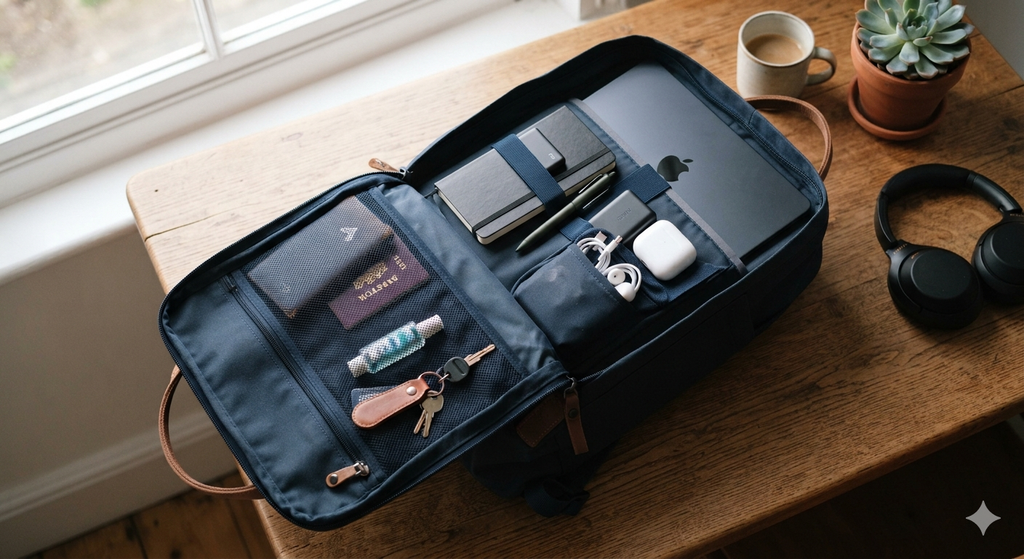
The first decision is the bag itself. A durable backpack with padded compartments offers the best balance between protection and portability. Look for a model that fits a 15‑inch laptop, has separate sleeves for cameras, and includes external pockets for quick‑access items like power banks. Investing in the right bag is the foundation of How to Pack Your Tech Gear for Travel. For more ideas, see our article on the best travel backpack 2024 (best travel backpack 2024).
Essential Tech Items Every Traveler Needs
Before you even think about packing, make a inventory of the devices you truly need. Most travelers rely on a smartphone, a laptop or tablet, a camera, and a set of accessories such as headphones, a power bank, and universal adapters. Don’t forget smaller but critical items like USB‑C cables, a portable SSD, and a compact tripod if you shoot video. Knowing exactly what belongs in your pack is the first rule of How to Pack Your Tech Gear for Travel.
How to Pack Your Tech Gear for Travel: Protecting Your Devices
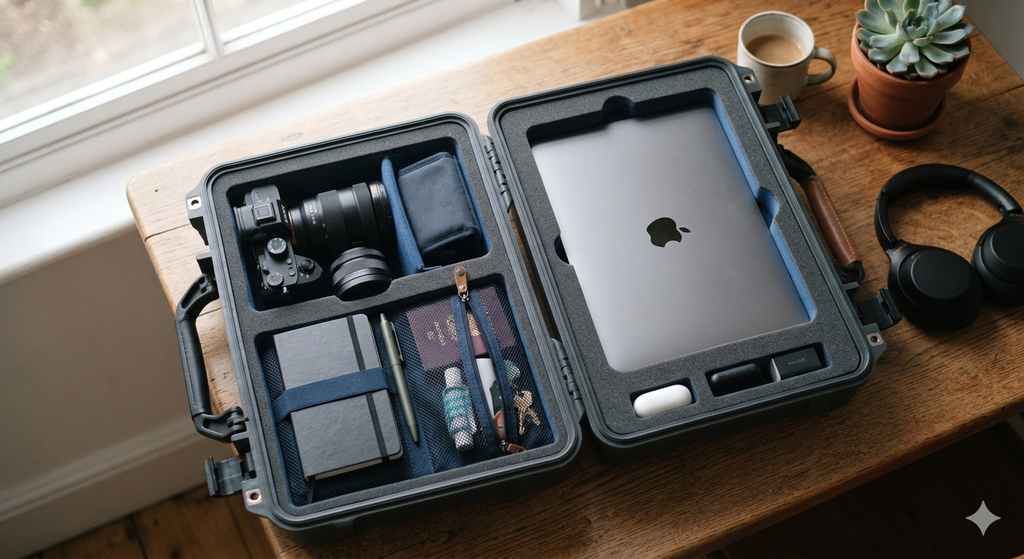
Protection starts with the right cases. A shock‑absorbent sleeve for your laptop and a waterproof housing for your camera can survive rough handling and unexpected weather. Wrap delicate items in microfiber cloths and use zip‑lock bags for cables to keep moisture out. These simple steps reinforce How to Pack Your Tech Gear for Travel and prevent costly repairs. Learn more about safeguarding electronics in our guide on protecting devices (protect electronics).
Smart Packing Strategies
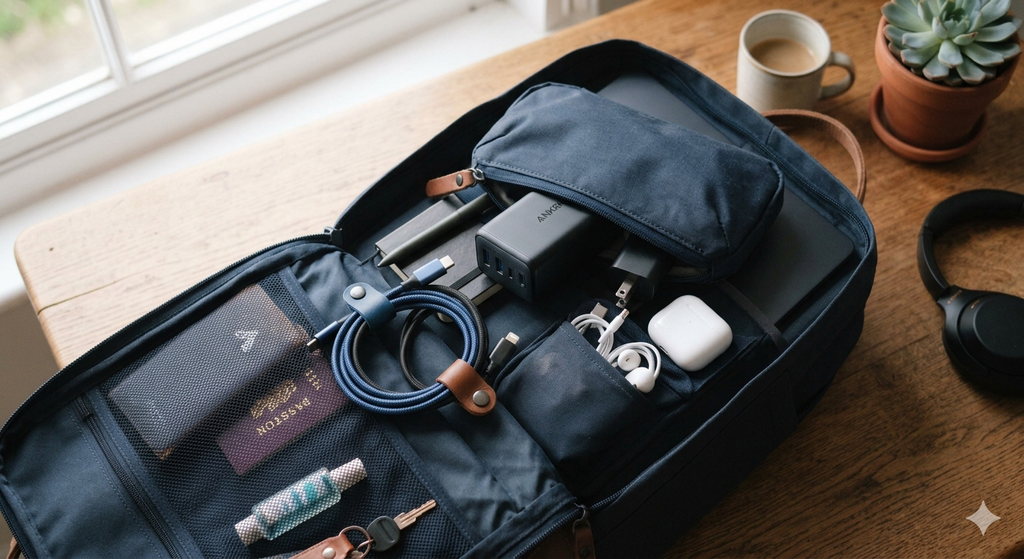
Efficient packing is all about organization and compression. Start by placing heavier items like laptops and power bricks at the bottom of the bag, then layer lighter gear on top. Use packing cubes or zip‑lock bags to separate categories, which makes it easier to locate a specific charger without unpacking everything. This approach embodies How to Pack Your Tech Gear for Travel in a practical way. For deeper insight, check out our article on protecting electronics while traveling (protect electronics).
How to Pack Your Tech Gear for Travel: Layering and Compression
Rolling clothes around your tech gear can create extra space and add a layer of cushioning. For example, wrap your laptop in a soft shirt before placing it in the main compartment. Compression straps on the backpack can tighten the load, keeping everything snug and reducing movement during transit. These techniques are essential for How to Pack Your Tech Gear for Travel when space is at a premium.
Timing and Cost Considerations
The best time to travel often influences how you pack. Off‑peak seasons usually mean lighter crowds and lower airline fees, allowing you to bring a slightly larger bag without extra charges. However, budget travelers should aim for lightweight, multi‑purpose devices to stay within strict luggage limits. Checking average baggage fees on airline websites before you decide on a bag size can save you money and aligns with How to Pack Your Tech Gear for Travel. According to the World Travel & Tourism Council (World Travel & Tourism Council), 2023 saw a 12% increase in travelers carrying multiple devices. For detailed reviews, visit Outdoor Gear Review (Outdoor Gear Review).
Common Mistakes to Avoid
Many travelers make the same avoidable errors. Overpacking is the most common, filling the bag with redundant cables and duplicate devices that add weight and risk damage. Another mistake is ignoring the weight limits of the chosen bag, which can lead to excess‑baggage fees at the airport. Finally, forgetting to backup important data before departure can turn a simple trip into a disaster. Recognizing these pitfalls is crucial for How to Pack Your Tech Gear for Travel.
How to Pack Your Tech Gear for Travel: Overpacking Pitfalls
To avoid overpacking, create a checklist based on actual usage rather than hypothetical needs. Stick to multi‑function devices, such as a tablet that can replace a laptop for casual tasks, and limit accessories to the essentials you’ll actually use. This disciplined approach keeps your luggage manageable and reinforces the principles of How to Pack Your Tech Gear for Travel.
Frequently Asked Questions
How to Pack Your Tech Gear for Travel: What to Do If Your Bag Gets Lost?
If your luggage is delayed or lost, keep a digital copy of your device serial numbers and purchase receipts in a secure cloud folder. Carry a spare charger and a universal adapter in your carry‑on, and consider purchasing travel insurance that covers electronics. Acting quickly can mitigate loss and protect your investment.
What is the best bag size for long‑haul flights?
Choose a backpack or carry‑on that meets airline size restrictions, typically around 22 × 14 × 9 inches. This size allows you to fit a laptop, a camera, and a few accessories while staying within most airline limits.
Can I bring a power bank on a plane?
Yes, most airlines allow power banks up to 100 Wh in carry‑on luggage. Ensure they are packed in your hand luggage and not checked, as lithium‑ion batteries are restricted in checked bags.
How much should I budget for tech accessories while traveling?
Set aside roughly $150‑$250 for essentials like a reliable power bank, universal adapter, extra cables, and a protective case. Prices vary by brand, but investing in quality gear reduces the risk of failure on the road.
Do I need a separate bag for my camera?
A dedicated camera insert or a padded sleeve inside your main backpack provides quick access and extra protection. If you travel with a professional setup, consider a small, weather‑proof camera bag that can be attached to your backpack.
Expert Tips for Tech Travelers
Seasoned globetrotters rely on a few proven tricks to keep their tech safe and accessible. First, always charge devices to full capacity before boarding, as cabin power outlets are scarce. Second, label each cable with a colored tag to avoid the frustration of matching plugs in a crowded bag. Third, keep a small emergency kit with a portable Wi‑Fi hotspot, a spare battery, and a USB‑C to HDMI adapter for unexpected presentations. These habits embody How to Pack Your Tech Gear for Travel and make the experience smoother.
Key Takeaways
- Choose a padded, compartmentalized backpack that fits your primary devices.
- Create a concise checklist and stick to multi‑purpose gadgets.
- Layer heavy items at the bottom and use compression straps for a snug fit.
- Protect screens with sleeves and wrap cables in zip‑lock bags.
- Review airline baggage policies to avoid surprise fees.
By following these clear steps for How to Pack Your Tech Gear for Travel, you’ll move through airports with confidence, keep your devices safe from the elements, and free up budget for the experiences that matter most. Start applying these tips on your next trip and watch the stress melt away as your tech stays organized and ready for anything.