
What to Know About Travel Insurance for Pre-Existing Conditions
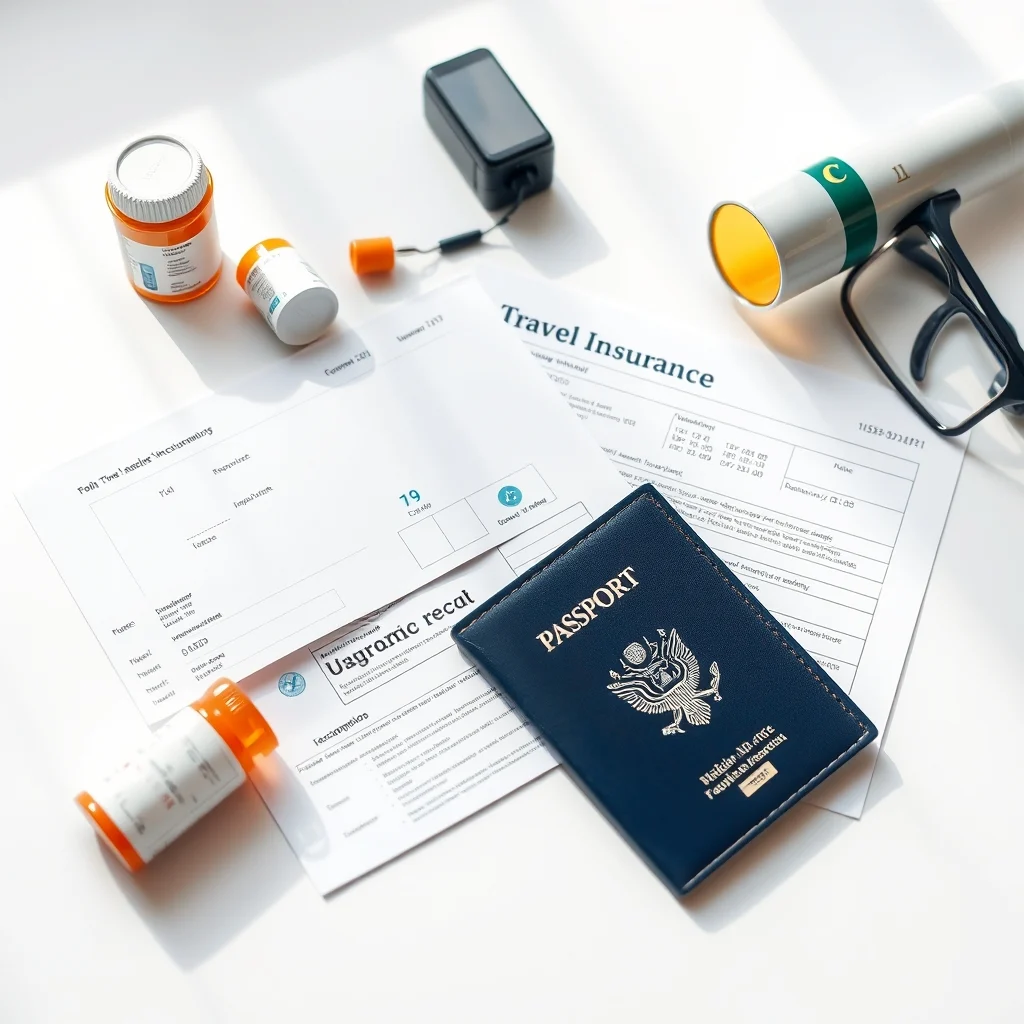
Travel insurance with pre-existing condition waiver coverage isn’t just smart—it’s essential if you’re booking a trip while managing any health issue. I learned this the hard way after a routine knee surgery left me with a lingering condition, and my standard policy denied claims when I needed emergency care abroad. Unlike typical travel insurance, policies covering pre-existing conditions require careful planning, specific documentation, and often an extra fee—but they can save you from financial disaster when health emergencies strike overseas.
Understanding Pre-Existing Condition Waiver Coverage
What Exactly Is a Pre-Existing Condition Waiver?
A pre-existing condition waiver (PECW) is an add-on or upgraded coverage that allows you to include health conditions diagnosed or treated within a specific look-back period—typically 60 to 180 days before your trip departure. Without this waiver, most standard policies exclude coverage for any condition you were aware of before purchasing the policy.
The key difference between a standard policy and one with PECW is timing. You must purchase your policy within a specified window after your initial trip deposit—usually 14 to 21 days before departure. This is non-negotiable; buying later invalidates the waiver protection.
Common Pre-Existing Conditions Covered
Most PECW policies cover conditions including but not limited to:
- Diabetes (Type 1 and Type 2)
- Hypertension and heart conditions
- Respiratory issues like asthma or COPD
- Arthritis and joint replacements
- Depression and anxiety disorders
- Recent surgeries or cancer treatments
- Pregnancy-related complications
However, exclusions often apply to unstable conditions, recent cancer diagnoses (within 6 months), or mental health crises requiring hospitalization. Always review the fine print carefully.
How to Purchase Travel Insurance with Pre-Existing Conditions
Timing Is Everything
The single most critical factor is when you buy. You typically have 14–21 days from your initial trip deposit to purchase a PECW policy. After that, you’re locked out of coverage for pre-existing conditions, regardless of what your policy says.
Here’s a practical timeline:
- Day 1: Book flights or make initial deposit
- Days 1–14: Purchase travel insurance with PECW
- Days 15–21: Submit required medical forms
- Day 22+: Travel with full coverage protection
Missing this window means you’ll either need to cancel your trip or purchase a standard policy without pre-existing coverage—which leaves you exposed if a health issue arises.
Documentation Requirements You Must Prepare
Insurers will require substantial paperwork. Here’s what to expect:
- Medical questionnaire: Detailed health history form completed by you and your doctor
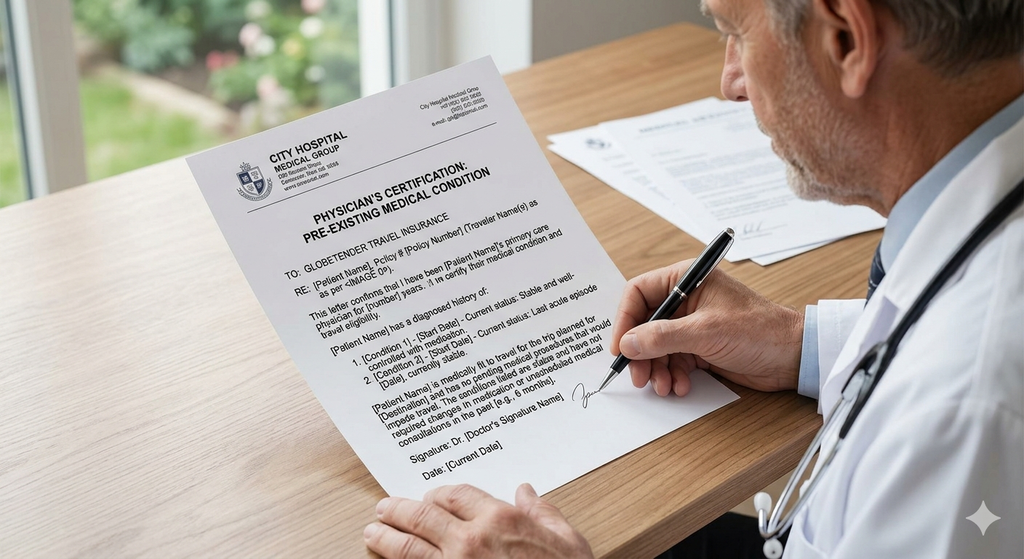
- Doctor’s letter: On letterhead, stating your condition is stable and you’re fit to travel
- Recent test results: Within 6 months for chronic conditions
- Medication list: Current prescriptions with dosages
- Treatment records: Recent visits, surgeries, or hospitalizations
Pro tip: Request these documents well in advance. Some doctors take weeks to provide detailed letters, and delays can cost you coverage.
Top Travel Insurance Companies Offering PECW
Comprehensive Coverage Options
Based on real claims data and customer reviews, these insurers consistently offer robust PECW options:
| Company | PECW Availability | Look-Back Period | Starting Premium |
|---|---|---|---|
| TripAdvisor Insurance | Yes | 180 days | $79+ |
| World Nomads | Limited | 90 days | $65+ |
| Allianz Global Assistance | Yes | 180 days | $85+ |
| Travel Guard | Yes | 180 days | $95+ |
Note that premiums increase significantly for high-risk conditions. A policy for someone with controlled diabetes might cost $150, while the same coverage for recent heart surgery could exceed $500.
Specialized Providers for Complex Medical Histories
If you have multiple conditions or recent major surgery, consider these specialists:
- IMG Global Medical: Offers standalone pre-existing condition waivers
- Medical Travel Care: Focuses exclusively on high-risk travelers
- Seven Corners: Provides flexible medical evacuation with PECW
Cost Considerations and Budget Planning
Understanding Premium Increases
Adding PECW coverage typically adds 50-200% to your base premium. For a $500 trip, you might pay $150–$300 extra for pre-existing condition protection. Here’s how costs break down:
Controlled chronic conditions: $100–$200 additional
Recent surgeries (6 months): $300–$600 additional
Cancer history (within 2 years): $800–$1,500+ additional
Some insurers offer multi-trip annual plans that include PECW, which can be cost-effective if you travel frequently.
Hidden Costs to Factor In
Beyond the premium, budget for:
- Doctor visit fees for medical letters ($150–$300)
- Lab work for recent test results ($100–$250)
- Time off work for appointments
- Potential premium increases for future trips
Dos and Don’ts When Applying
Critical Dos
- Disclose everything: Even minor conditions must be reported. Undisclosure voids your entire policy.
- Buy early: Within 14 days of trip deposit
- Get medical clearance: Doctor’s letter stating you’re stable
- Compare multiple policies: Coverage and exclusions vary widely
- Read the fine print: Look for specific exclusions and waiting periods
Dangerous Don’ts
- Don’t assume your regular insurance covers abroad: It rarely does for medical emergencies
- Don’t buy late: Missing the 14-day window kills PECW eligibility
- Don’t omit symptoms: Even if you’re not on medication
- Don’t trust agents without verification: Call insurers directly to confirm coverage
- Don’t skip the medical questionnaire: Incomplete forms = automatic denial
Real-World Scenarios and Claim Examples
When PECW Saved the Day
Sarah, a 45-year-old teacher with controlled hypertension, purchased Allianz PECW coverage 10 days after booking her European tour. Two days into her trip, she experienced chest pains and was hospitalized in Rome. With her PECW documentation, Allianz covered $12,000 in medical bills, evacuation to a better-equipped hospital, and her immediate return flight home.
Where PECW Failed
Mark waited until 30 days after booking to buy his policy, missing the PECW window. He developed severe flu symptoms a week into his Southeast Asia trip. His insurer denied his $8,000 medical claim because his underlying asthma wasn’t covered under the standard policy. He paid out of pocket and lost his entire trip investment.
Pro Tips for Getting Approved
- Schedule doctor visits early: Book appointments 3–4 weeks before policy purchase
- Bring all medical records: Recent test results, medication bottles, treatment summaries
- Be honest about stability: If your condition is newly diagnosed, you may need to wait before traveling
- Consider a medical escaper: Companies like International SOS provide 24/7 medical assistance
- Keep digital copies: Store all documents in cloud storage accessible abroad
- Understand evacuation limits: Most policies cap at $500,000–$1 million
FAQs About Travel Insurance for Pre-Existing Conditions
Can I get travel insurance for pre-existing conditions after booking?
Yes, but only within the specific enrollment period—typically 14 to 21 days after your initial trip deposit. After this window closes, your pre-existing conditions become permanently excluded from coverage, regardless of when you purchase the policy.
How far back do pre-existing condition look-back periods go?
The standard look-back period ranges from 60 to 180 days before your trip departure date. Some specialized policies extend to 12 months, but these come with significantly higher premiums and stricter eligibility requirements.
What happens if I don’t disclose a condition during the application?
Failing to disclose any pre-existing condition—even if you’re not currently taking medication—will void your entire policy. Insurers conduct thorough medical reviews, and nondisclosure is considered fraud, leaving you responsible for all medical expenses abroad.
Are mental health conditions covered under PECW?
Many policies now include coverage for depression, anxiety, and other mental health conditions, but with important restrictions. Conditions requiring recent hospitalization or those deemed unstable are typically excluded. Always verify specific mental health coverage in your policy details.
Can I add PECW to an existing policy?
In most cases, no. PECW coverage must be purchased as part of your initial policy or added within the first 14–21 days after your trip deposit. Retroactive coverage for pre-existing conditions is not permitted by insurers.
Key Takeaways for Smart Travel Insurance Planning
- Buy within 14 days of trip deposit to qualify for PECW
- Complete medical questionnaires honestly and thoroughly
- Obtain doctor’s clearance stating your condition is stable
- Compare at least 3 different PECW providers before purchasing
- Budget 50-200% extra for pre-existing condition coverage
- Keep all medical documents digitally accessible while traveling
- Understand that late purchases permanently exclude pre-existing conditions
Travel insurance for pre-existing conditions requires upfront effort, but it’s a small price to pay for protection against potentially devastating medical bills abroad. The difference between having coverage and being denied can literally be worth thousands of dollars—and in some cases, your life itself.