How to Travel More Without Spending More

Ever feel like your travel dreams are constantly clashing with your bank account reality? You’re not alone. Many believe that seeing the world requires a fortune, but the truth is, you can travel more without spending more. This article will give you actionable strategies to fuel your wanderlust without emptying your wallet, from savvy budgeting to insider tips on finding the best deals.
Mastering the Art of Budget Travel
Budget travel isn’t about deprivation; it’s about being smart and strategic. Here’s how to get started:
1. Track Your Spending
The first step to any successful budget is knowing where your money goes. Use a budgeting app (like Mint or YNAB) or a simple spreadsheet to track every expense for a month. You might be surprised where you can cut back.
2. Set a Realistic Travel Budget
Once you know your spending habits, set a realistic travel budget. Consider factors like:
- Destination: Some places are inherently cheaper than others. Southeast Asia, for example, is generally more budget-friendly than Western Europe.
- Travel Style: Are you a backpacker or a luxury traveler? Your accommodation and dining choices will significantly impact your budget.
- Trip Length: Longer trips require more planning and potentially more savings, but can also unlock better deals on long-term rentals or transportation passes.
3. Prioritize Experiences Over Things
Think about what truly matters to you on your trips. Is it staying in a fancy hotel or exploring hidden gems? Often, the most memorable experiences are free or low-cost, like hiking, visiting local markets, or attending free cultural events.
Finding Affordable Accommodation
Accommodation is often one of the biggest travel expenses. Here are some ways to save:
1. Consider Hostels
Hostels aren’t just for students. Many offer private rooms at a fraction of the cost of a hotel. Plus, they’re a great way to meet other travelers.
2. Look into Airbnb or Vacation Rentals
For longer stays, Airbnb or vacation rentals can be more cost-effective than hotels, especially if you’re traveling with a group. You’ll also have access to a kitchen, which can save you money on dining out.
3. Travel During the Off-Season
Hotel prices tend to drop significantly during the off-season. You’ll also encounter fewer crowds, making for a more enjoyable experience.
4. Embrace Free Accommodation Options
Consider options like Couchsurfing (staying with locals for free) or house-sitting (caring for someone’s home while they’re away). These can provide unique cultural experiences and save you a bundle on accommodation costs to travel more without spending more.
Scoring Cheap Flights
Flights can eat up a large chunk of your travel budget. Here’s how to find the best deals:
1. Be Flexible with Your Dates and Destinations
Flying on weekdays or during the off-season is almost always cheaper. Use flight comparison websites like Google Flights or Skyscanner to compare prices across different dates and destinations. Setting up price alerts can notify you of price drops.
2. Fly Budget Airlines
Budget airlines often offer incredibly low fares, but be aware of extra fees for baggage, seat selection, and food. If you can pack light and don’t mind minimal frills, they’re a great option.
3. Consider Connecting Flights
Direct flights are convenient, but they’re also usually more expensive. Connecting flights can save you a significant amount of money, especially on long-haul routes.
4. Use Travel Reward Programs
Sign up for airline and hotel loyalty programs and start collecting points. You can redeem these points for free flights and accommodation. Credit cards that offer travel rewards can also be a great way to earn points on everyday spending.
Eating Well Without Breaking the Bank
Food is an essential part of any travel experience, but it doesn’t have to be expensive. Here are some tips for eating well on a budget:
1. Cook Your Own Meals
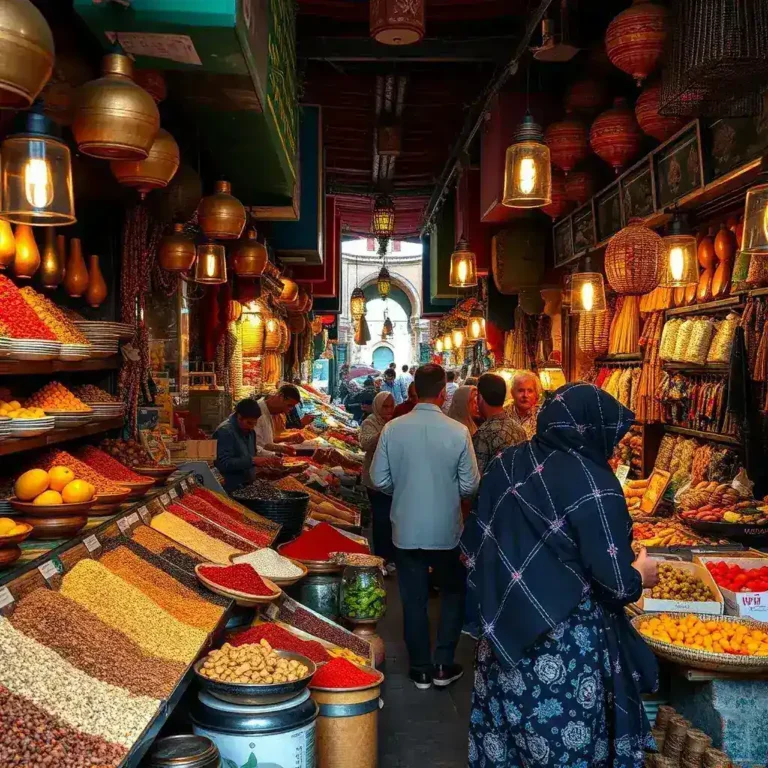
If you have access to a kitchen, cooking your own meals is a great way to save money. Visit local markets to buy fresh, affordable ingredients.
2. Eat Like a Local
Avoid tourist traps and seek out local restaurants and street food vendors. You’ll get a more authentic culinary experience and save money in the process.
3. Pack Snacks
Bringing your own snacks can help you avoid impulse purchases at tourist attractions or airports. Pack things like granola bars, nuts, and fruit.
4. Take Advantage of Free Breakfasts
Many hotels and hostels offer free breakfasts. Take advantage of this perk to save money on your first meal of the day.

Free and Low-Cost Activities
Many of the best travel experiences are free or inexpensive. Here are some ideas:
1. Explore Parks and Nature
Hiking, biking, and simply enjoying the outdoors are great ways to experience a new place without spending money. Look for local parks, nature reserves, and scenic viewpoints.
2. Visit Free Museums and Attractions
Many museums and attractions offer free admission on certain days or evenings. Check the websites of local attractions for details.
3. Take Free Walking Tours
Free walking tours are a great way to learn about the history and culture of a city. While they’re technically free, it’s customary to tip your guide at the end of the tour.
4. Attend Free Events
Check local event listings for free concerts, festivals, and cultural events. You might discover something unexpected and exciting.
Pro Tips for Traveling on a Shoestring
- Travel in groups: Sharing accommodation and transportation costs can significantly reduce your expenses.
- Learn basic phrases in the local language: This can help you navigate local markets and restaurants and potentially negotiate better prices.
- Be open to unexpected opportunities: Sometimes the best travel experiences are the ones you don’t plan.
- Utilize free Wi-Fi: Avoid costly data roaming charges by using free Wi-Fi hotspots.
Key Takeaways
- Plan ahead: Early planning is crucial for finding the best deals on flights and accommodation.
- Be flexible: Flexibility with your dates, destinations, and travel style can save you a lot of money.
- Embrace local experiences: Immerse yourself in the local culture by trying local food, attending free events, and exploring off-the-beaten-path destinations.
- Track your spending: Knowing where your money goes is essential for staying on budget.
FAQ About Budget Travel
What is the best time to travel to save money?
The shoulder seasons (spring and fall) generally offer the best combination of pleasant weather and lower prices.
How can I find cheap accommodation?
Consider hostels, Airbnb, vacation rentals, Couchsurfing, or house-sitting.
What are some free activities to do while traveling?
Explore parks and nature, visit free museums and attractions, take free walking tours, and attend free events.
How can I travel more without spending more on food?
Cook your own meals, eat like a local, pack snacks, and take advantage of free breakfasts.
What are some essential items to pack for budget travel?
A reusable water bottle, a universal adapter, a first-aid kit, and comfortable walking shoes are essential items for any budget traveler.
Traveling the world doesn’t have to be a pipe dream reserved for the wealthy. By implementing these strategies, you can absolutely travel more without spending more. Embrace the adventure, plan smartly, and discover the world without emptying your wallet!