Qvevri Wine: Georgia’s 8,000-Year-Old Winemaking Tradition
Most travelers to Georgia completely overlook what the locals consider the country’s greatest treasure. While beaches and mountain views grab Instagram attention, the real story unfolds in underground clay vessels called qvevri, where winemaking has remained virtually unchanged for 8,000 years. If you’re serious about authentic food experiences, Georgian wine traditions offer something no European wine region can match: a living connection to the very origins of viticulture.
This isn’t your typical wine country tour. Georgia’s ancient winemaking methods—preserved on UNESCO’s Intangible Cultural Heritage list—produce flavors that challenge everything you think you know about wine. The amber wines alone have converted countless skeptics who swore they didn’t like white wine. Here’s everything you need to experience the real thing.
Qvevri Wine and the Art of Underground Fermentation
The archaeological evidence is staggering. In 2017, researchers confirmed that residue found in clay vessels from Georgia’s Shulaveri village dated back to 6,000-5,800 BCE—making Georgian wine the oldest continuously produced wine on Earth. Before the Greeks codified viticulture, before the Romans spread vineyards across Europe, Georgians were already perfecting the art.
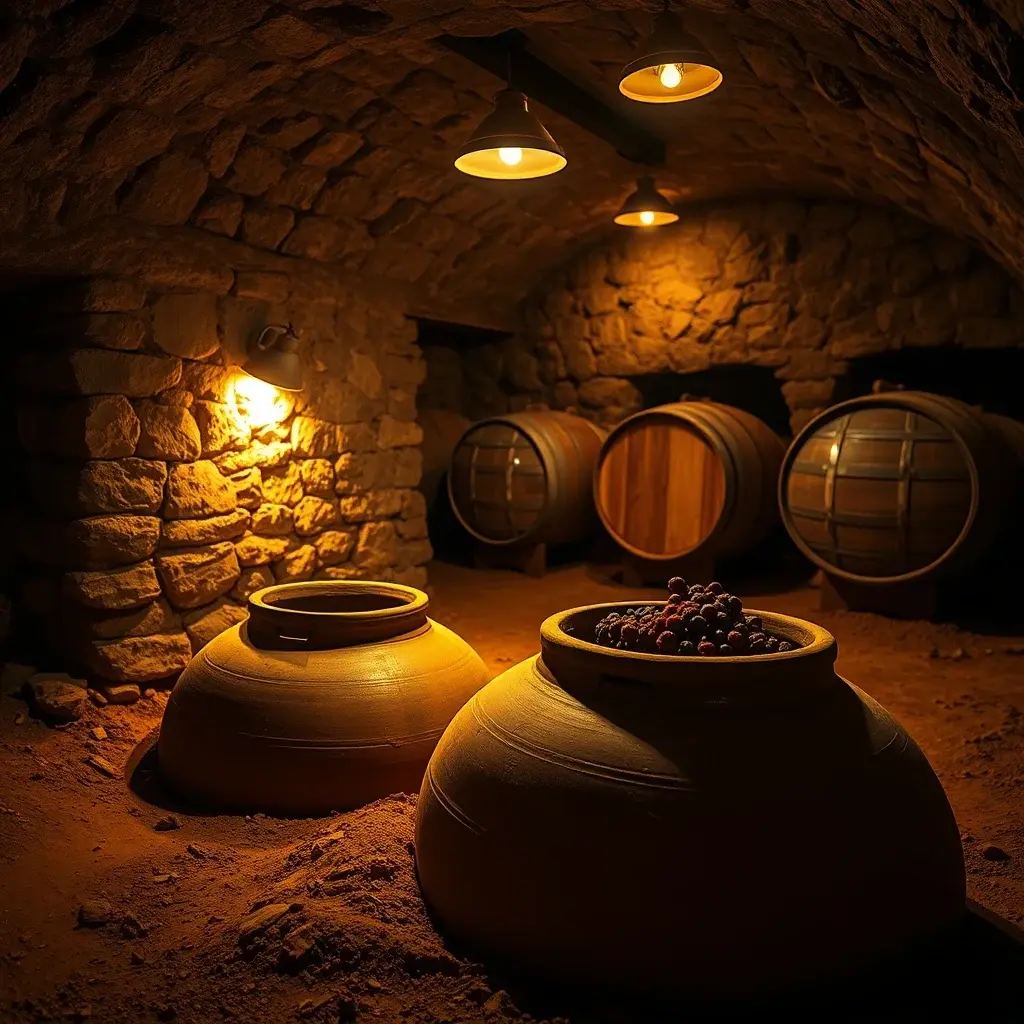
What makes this remarkable isn’t just the age. It’s the preservation. While European winemaking evolved through oak barrels and temperature control, Georgian winemakers in remote valleys kept doing things the same way their ancestors did. Walk into any traditional Kakheti winery and you’ll find qvevri—large clay pots buried underground—filled with fermenting grapes just as they were millennia ago.

The Qvevri Method: Wine Made in Earth
Forget everything you know about stainless steel tanks. Qvevri winemaking involves burying large clay amphorae called queh-vree in cellar floors, exactly as Georgians did 8,000 years ago. Whole grapes—including stems and skins for white varieties—are placed in these egg-shaped vessels, which are sealed and buried to ferment at natural underground temperatures.
The result? Orange or amber wines that blur the line between white and red. When you taste Rkatsiteli aged on its skins, you’re experiencing a technique that’s virtually identical to what Neolithic Georgians drank. This skin-contact method, now fashionable in natural wine circles worldwide, has been standard practice in Georgia since before writing existed.
Must-Try Georgian Wine Varieties
With over 500 indigenous grape varieties—compared to maybe 50 commonly cultivated in France—Georgia can feel overwhelming. Focus on these essential wines that showcase what makes Georgian wine traditions unique.
Amber Wines: The Skin-Contact Revelation
Georgian amber wines have converted more natural wine skeptics than any marketing campaign. Rkatsiteli, the most planted grape, produces floral, structured wines when skin-fermented. Tasting it side-by-side with conventionally made Rkatsiteli reveals why the ancient method matters—you’ll find depth, tannins, and complexity that industrial winemaking destroys.
Mtsvane and Kisi offer similar experiences with their own character. Kisi in particular has become a darling of natural wine sommeliers worldwide, prized for its smoky minerality and rich texture.
Red Georgian Classics
Saperavi dominates Georgia’s red wine production for good reason. This deep-colored, tannic grape produces wines that age beautifully—I’ve tasted 30-year-old Saperavi that still showed remarkable vitality. The traditional semi-sweet Kindzmarauli, made from Saperavi in the Kakheti region, offers an accessible entry point with its balanced sweetness and dark fruit.
For something rarer, seek out Aleksandrouli or Ojaleshi—grapes from the slightly wild Racha region that produce elegant, complex reds largely unknown outside Georgia.

Best Regions for Experiencing Georgian Wine Traditions
Wine production spans Georgia, but certain regions offer concentrated authenticity and welcoming cellars for visitors.
Kakheti: The Heart of Georgian Wine
Located about two hours east of Tbilisi, Kakheti produces roughly 70% of Georgia’s wine. The landscape is gentle—rolling hills, medieval towers, and an extraordinary concentration of family wineries that welcome visitors. Towns like Sighnaghi and Kvareli serve as bases, with numerous wineries within day-tripping distance.
Here you’ll find the oldest traditions. The village of Kindzmarauli alone contains dozens of family qvevri producers, many working out of cellars that have been in continuous operation for generations. Plan at least two days minimum—rushing through Kakheti means missing the point entirely.
Imereti: The Western Alternative
While Kakheti hogs the spotlight, Imereti in western Georgia offers equally authentic experiences with fewer crowds. The wines here tend toward lighter, more acidic profiles—Tvishi produces a famous semi-sweet white from Tsolikouri grapes that’s unlike anything in Kakheti.
The landscape differs dramatically too. Where Kakheti feels like Tuscan wine country, Imereti is greener, more mountainous, with villages that see almost no foreign tourists. If you want genuine cultural immersion alongside excellent wine, Imereti delivers.
How to Visit Georgian Wineries Responsibly
Georgian hospitality isn’t a tourism strategy—it’s genuinely how people live. Walking into a random family’s wine cellar and leaving three hours later with new friends and several glasses of homemade wine isn’t unusual. This authenticity requires some navigation skills.
Traditional Supra: More Than a Meal
Every wine experience in Georgia eventually becomes a supra—a traditional feast that can last for hours. These aren’t tourist performances. Georgians hold supras for births, deaths, holidays, and Tuesday evenings with equal solemnity. You’ll be fed enormous quantities of food (the toasts are long, the food keeps coming) and expected to drink wine in return.
The tamada—a toastmaster—guides the progression through dozens of toasts, from national pride to personal friendships to deceased relatives. Participation matters. Bringing small gifts (especially sweets) and knowing a few words of Georgian will earn goodwill. Refusing wine entirely, however politely, may cause offense—decide your boundaries before you arrive.
Planning Your Wine Visits
Many traditional wineries don’t have websites or regular hours. The best approach involves either hiring a local guide in Kakheti who knows which families welcome visitors, or booking through established wine tour operators in Tbilisi. Contact wineries in advance when possible, and build flexibility into your schedule—spontaneous discoveries are part of the experience.
Autumn harvest season (late September through October) offers peak experiences with actively fermenting qvevri, but also maximum crowds. Shoulder seasons provide more intimate experiences, though some smaller producers may not be open.
Practical Costs and Budget Planning
Georgia remains remarkably affordable for wine enthusiasts, though prices have risen as international interest grows.
- Budget winery tastings: Free to 20 GEL (~$7) for basic family cellars
- Premium tasting experiences: 50-150 GEL (~$18-55) at established boutique wineries
- Supra experiences: 80-200 GEL (~$30-75) including full meal and unlimited wine
- Wine purchases: 15-80 GEL (~$6-30) for quality qvevri wines
- Private driver/guide: 200-400 GEL (~$75-150) per day
Budget approximately $50-80 per day if you’re serious about wine experiences, including transport, tastings, and meals. Accommodation in Kakheti ranges from $20 guesthouses to $100+ boutique hotels.
What to Eat with Georgian Wine
Georgian wine traditions evolved alongside equally ancient food traditions. The two are inseparable—many wines are specifically crafted to match regional dishes.
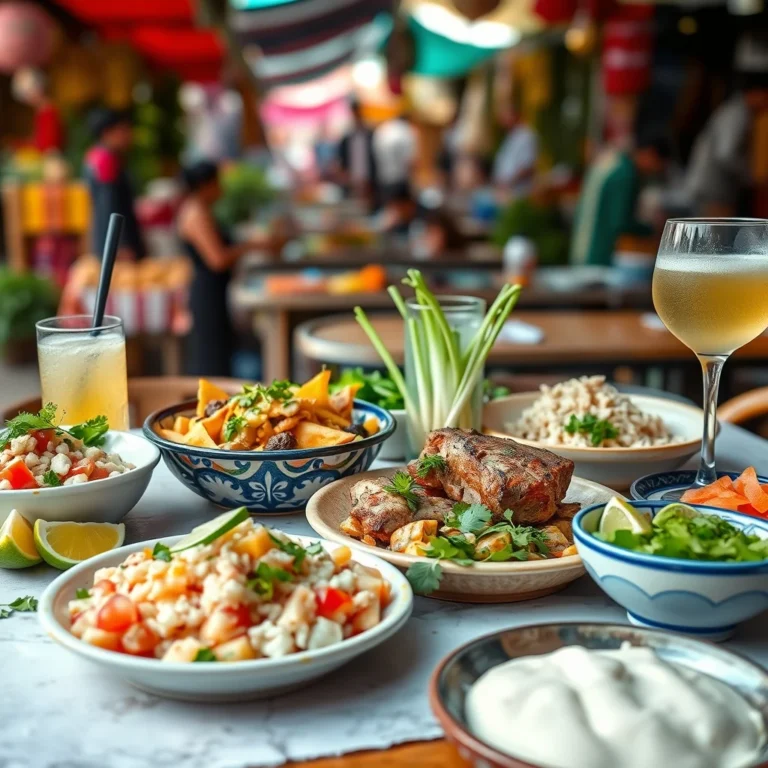
Khinkali—those substantial dumplings filled with spiced meat or mushrooms—demand lighter reds or acidic whites. Churchkhela, the candle-shaped walnut treats dipped in grape juice, pair beautifully with sweet wines like Khvanchkara. And the legendary table spread known as chigiri—walnuts, pomegranate seeds, fresh herbs, and unleavened bread—exists purely to accompany wine.
Don’t miss Badriuli Djvari, a tangy, veined cheese that Georgia produces nowhere near enough of for export. It matches amber wines perfectly. For the full experience, seek out traditional restaurants called sadge or meyrey in Tbilisi’s Old Town or throughout Kakheti.
Expert Tips for Your Georgian Wine Journey
Bring empty luggage space: Georgian wine is increasingly exported, but you’ll find rare qvevri wines unavailable anywhere else. A bottle or two (or case) makes unique gifts and personal treasures.
Learn three phrases: “Gamarjobat” (hello), “Madloba” (thank you), and “Gaumarjos” (cheers). Georgians light up when visitors make any effort with their language.
Don’t skip Tbilisi: The capital’s natural wine bars showcase Georgian wine traditions with international context. Places like Wine Factory No. 1 and Café Museum offer curated experiences impossible to find elsewhere.
Respect the pace: Georgian hospitality means you may be offered multiple visits to refill your glass during toasts. Pace yourself, stay hydrated, and remember that getting visibly drunk at a supra embarrasses your hosts.
Understanding Georgian Wine Labels
Georgia has introduced a quality designation system that helps navigate the chaos of 500+ grape varieties. Look for bags-in-box wines from established producers if you want reliable quality for casual drinking. For special occasions, seek out自然 (nature) or qvevri-labeled bottles from producers like Pheasant’s Tears, Orgo, or Kupauri.
Don’t stress about perfect knowledge. Even Georgians debate which traditional methods produce superior results. Part of the journey is discovery—ask questions, try unfamiliar grapes, and trust your palate over tasting notes.
Frequently Asked Questions
Is Georgian wine safe to drink?
Absolutely. Georgian wine undergoes rigorous testing and quality control. Traditional qvevri wines may contain more sediment and use minimal sulfites compared to commercial wines, but they’re perfectly safe for healthy adults. Those with sulfite sensitivities often tolerate natural Georgian wines better than conventional options.
What’s the best time to visit Georgia for wine?
September-October offers the harvest experience with active fermentation, atmospheric grape-crushing events, and the famous Rtveli festival. However, this peak season means higher prices and more tourists. May-June provides excellent weather, comfortable temperatures, and fewer crowds while wineries remain open for tastings.
Can I ship Georgian wine home?
Many airlines allow one or two bottles in carry-on luggage. For larger quantities, specialized wine shipping services operate from Tbilisi. EU and US import regulations vary—check your country’s alcohol import limits before purchasing heavily. Some wine shops in Tbilisi offer international shipping directly.
Do I need a guide for Georgian wine regions?
For Kakheti, a local guide or driver is extremely helpful but not mandatory if you rent a car. Public marshrutka minibuses connect Tbilisi with Kakheti towns cheaply, though they require patience and flexibility. For Imereti or more remote wine regions, arranging a guide through your accommodation is nearly essential.
What makes Georgian wine traditions different from European winemaking?
Georgian wine traditions rely on qvevri clay vessel fermentation, whole-grape fermentation including stems and skins regardless of color, and minimal intervention. European winemaking emphasizes oak aging, commercial yeast strains, and precise temperature control. The qvevri method produces uniquely complex, oxidative wines that challenge conventional categories.
Key Takeaways
- Georgia is the birthplace of wine with 8,000 years of continuous winemaking tradition
- Qvevri amber wines offer flavors impossible to find anywhere else on Earth
- Kakheti provides the most accessible traditional wine experiences
- Budget travelers can enjoy authentic experiences for $50-80 daily including transport and tastings
- Traditional supra feasts are cultural experiences, not just meals—participate genuinely
- September-October harvest season offers peak experiences but more crowds
- Bring empty luggage—Georgian wine makes an exceptional souvenir
Georgian wine traditions represent something increasingly rare: genuine ancient culture preserved through living practice rather than museum displays. When you taste wine from a family cellar that has operated continuously since medieval times, you’re not sampling a tourist attraction—you’re participating in humanity’s oldest wine story. The country won’t stay under the radar forever. Right now, before the world catches on completely, is the ideal time to drink deeply from Georgia’s extraordinary wine heritage.