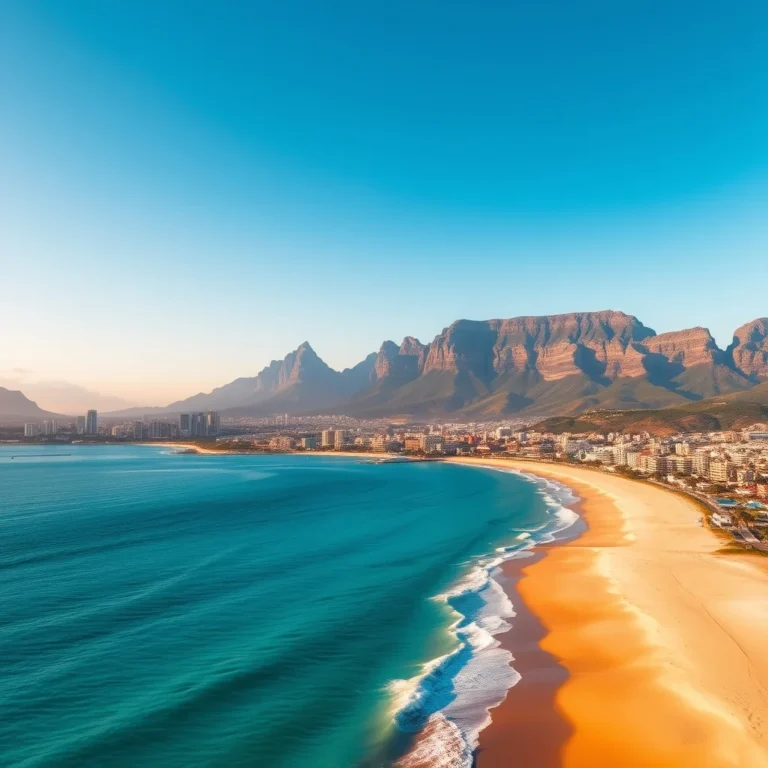
The Real Cost of Living in Zanzibar as a Foreigner

Thinking about making the move to Zanzibar? It’s easy to get swept away by images of pristine beaches and vibrant culture, but what about the practical side? Many articles gloss over the nitty-gritty details, leaving potential expats unprepared. Let’s break down the real cost of living in Zanzibar as a foreigner, covering everything from accommodation to entertainment, so you can make an informed decision.
Understanding the Cost of Living in Zanzibar
Zanzibar, a semi-autonomous archipelago off the coast of Tanzania, offers a unique blend of African, Arabic, and European influences. While it can be a relatively affordable place to live compared to Western countries, understanding the local economy and adjusting your expectations is key.
Here’s the thing: prices can vary wildly depending on where you choose to live, your lifestyle, and your ability to negotiate. Tourist hotspots like Nungwi and Kendwa tend to be pricier than more local areas like Stone Town or smaller villages.
Accommodation Costs
Accommodation will likely be your biggest expense. Here’s a breakdown:
- Renting a house or apartment: Expect to pay anywhere from $300 to $1500+ per month, depending on the size, location, and amenities. A basic one-bedroom apartment in a local area might cost around $300-500, while a beachfront villa in a tourist area could easily exceed $1500.
- Guesthouses and hotels: Initially, you might stay in a guesthouse or hotel while searching for long-term accommodation. Prices range from $20 to $100+ per night.
- Utilities: Electricity can be expensive, especially if you use air conditioning. Budget around $50-$200 per month. Water is generally more affordable, costing around $10-$30 per month. Internet access varies, with packages ranging from $30-$100+ depending on speed and data allowance.

Food and Groceries
Eating local is the most budget-friendly option. Here’s what you need to know:
- Local markets: Fresh produce, spices, and seafood are readily available at local markets. Prices are negotiable, so don’t be afraid to haggle. Expect to spend around $50-$100 per month on groceries if you primarily eat local food.
- Supermarkets: Supermarkets stock imported goods, which are significantly more expensive. A trip to the supermarket can easily cost $50 or more.
- Restaurants: Eating out at local restaurants is affordable, with meals costing around $3-$10. Tourist-oriented restaurants charge higher prices, ranging from $15-$50+ per meal.
Transportation
Getting around Zanzibar is relatively inexpensive, but options are limited:
- Dala-dalas: These are local minibuses and the cheapest way to travel. A ride typically costs less than $1. However, they can be crowded and unreliable.
- Taxis: Taxis are readily available in tourist areas, but they are more expensive. Always negotiate the fare before getting in. Expect to pay around $10-$30 for a short trip.
- Motorbike rentals: Renting a motorbike is a popular option, costing around $10-$20 per day. However, be aware that roads can be poorly maintained, and accidents are common.
- Car rentals: Renting a car provides more flexibility but is the most expensive option, costing around $30-$50+ per day.
Visas and Permits
Navigating visa requirements is crucial for long-term stays:
- Tourist visa: A tourist visa is valid for 3 months and can be extended once.
- Residence permit: For longer stays, you’ll need to apply for a residence permit. The process can be complex and time-consuming, so it’s best to consult with an immigration lawyer. Costs vary depending on the type of permit, but expect to pay several hundred dollars.
Entertainment and Leisure
Your entertainment expenses will depend on your lifestyle. Here are some common costs:
- Beach activities: Snorkeling, diving, and boat trips can cost anywhere from $20 to $100+ per person.
- Nightlife: Drinks at bars and clubs range from $3-$10.
- Cultural experiences: Visiting historical sites, spice farms, and Jozani Forest typically costs around $10-$30 per person.
Health and Insurance
Healthcare in Zanzibar is limited, so it’s essential to have adequate health insurance:
- Health insurance: International health insurance is highly recommended. Policies can cost anywhere from $50 to $200+ per month, depending on the coverage.
- Medical care: Private hospitals offer better care than public hospitals, but they are more expensive. A visit to a private doctor can cost around $50-$100.
Unexpected Expenses
Always factor in a buffer for unexpected expenses:
- Repairs: Things break down, so budget for occasional repairs to your house or motorbike.
- Gifts: It’s customary to give gifts to local friends and acquaintances on special occasions.
- Bargaining: Bargaining is expected in markets and with taxi drivers. Learn to negotiate politely to get the best prices.
Example Monthly Budget for a Foreigner in Zanzibar
Here’s a sample budget for a single person living a moderate lifestyle in Zanzibar:
- Accommodation: $500
- Groceries: $200
- Transportation: $100
- Utilities: $100
- Entertainment: $100
- Visa/Permit Costs (averaged monthly): $50
- Health Insurance: $100
- Unexpected Expenses: $50
- Total: $1200
This is just an estimate, and your actual expenses may vary. A couple could easily spend $2000+ per month, while a budget-conscious individual could live on less than $1000.
Pro Tips for Saving Money in Zanzibar
- Shop at local markets: Buy fresh produce and spices at local markets for the best prices.
- Eat local food: Opt for local restaurants and street food instead of tourist-oriented establishments.
- Use dala-dalas: These are the cheapest way to get around.
- Negotiate prices: Don’t be afraid to haggle when shopping or taking taxis.
- Cook at home: Preparing your own meals is significantly cheaper than eating out.

Expert Tips for Long-Term Living
- Learn some Swahili: Knowing basic Swahili will help you communicate with locals and get better prices.
- Build relationships: Get to know your neighbors and local community.
- Be patient: Things move at a slower pace in Zanzibar, so be prepared to be patient.
- Respect local customs: Zanzibar is a Muslim-majority island, so dress modestly and respect local traditions.
FAQ About the Cost of Living in Zanzibar
Is Zanzibar expensive to live?
Compared to Western countries, Zanzibar can be relatively affordable. However, prices can vary depending on your lifestyle and location. Eating local and living like a local is the best way to minimize expenses.
What is the average rent in Zanzibar?
The average rent for a one-bedroom apartment ranges from $300 to $1500+ per month, depending on location and amenities.
How much does food cost in Zanzibar?
Groceries can cost around $50-$200 per month if you primarily eat local food. Eating out at local restaurants typically costs $3-$10 per meal.
What are the biggest expenses when living in Zanzibar?
Accommodation and imported goods are typically the biggest expenses.
Can I use US dollars in Zanzibar?
Yes, US dollars are widely accepted in tourist areas, but it’s best to also have Tanzanian shillings for smaller transactions and local markets.
Key Takeaways About the Cost of Living in Zanzibar
- The cost of living in Zanzibar can be significantly lower than in Western countries.
- Accommodation is typically the biggest expense.
- Eating local and shopping at local markets can save you money.
- Health insurance is essential.
- Be prepared for unexpected expenses.
Ultimately, the cost of living in Zanzibar depends on your individual needs and preferences. By understanding the local economy and adjusting your lifestyle, you can enjoy a comfortable and affordable life on this beautiful island. Making the move requires careful planning and realistic expectations, but the rewards of experiencing Zanzibar’s beauty and culture are well worth the effort. So, if you’re considering Zanzibar, do your research, plan your budget, and prepare for an unforgettable adventure!