How to Stay Safe While Exploring Alone Without Stress
Solo travel can be an incredible experience, but let’s be honest, the thought of safety often lingers in the back of your mind. What if something goes wrong? How do you protect yourself when you’re completely on your own? This guide provides practical tips on how to stay safe while exploring alone, so you can focus on enjoying your adventure without unnecessary stress.
The goal isn’t to scare you, but to equip you with the knowledge and strategies to minimize risks and maximize your peace of mind. We’ll cover everything from pre-trip planning to in-the-moment decision-making, ensuring you feel confident and prepared every step of the way.
Planning and Preparation: Your First Line of Defense
Proper planning is paramount to staying safe while exploring alone. Rushing into a trip without considering potential hazards is a recipe for trouble.
Research Your Destination
Understanding your destination is crucial. Before you even book your flights, delve into:
- Local laws and customs: Are there any specific regulations you need to be aware of? Dress codes to respect?
- Crime rates: Which areas are known for petty theft or more serious crimes?
- Potential scams: What are some common tourist traps to avoid?
- Emergency services: Where are the nearest hospitals and police stations? How do you contact them in an emergency?
Websites like the U.S. State Department (or your country’s equivalent) and travel advisories provide valuable information on safety concerns in different regions.
Share Your Itinerary
Never leave home without sharing your detailed itinerary with a trusted friend or family member. Include:
- Flight details
- Accommodation addresses and contact information
- Planned activities and excursions
- Transportation methods (trains, buses, rental cars)
Set up regular check-in times so your contact knows you’re safe. Consider using apps like TripIt or Find My Friends to share your location in real-time.
Make Copies of Important Documents
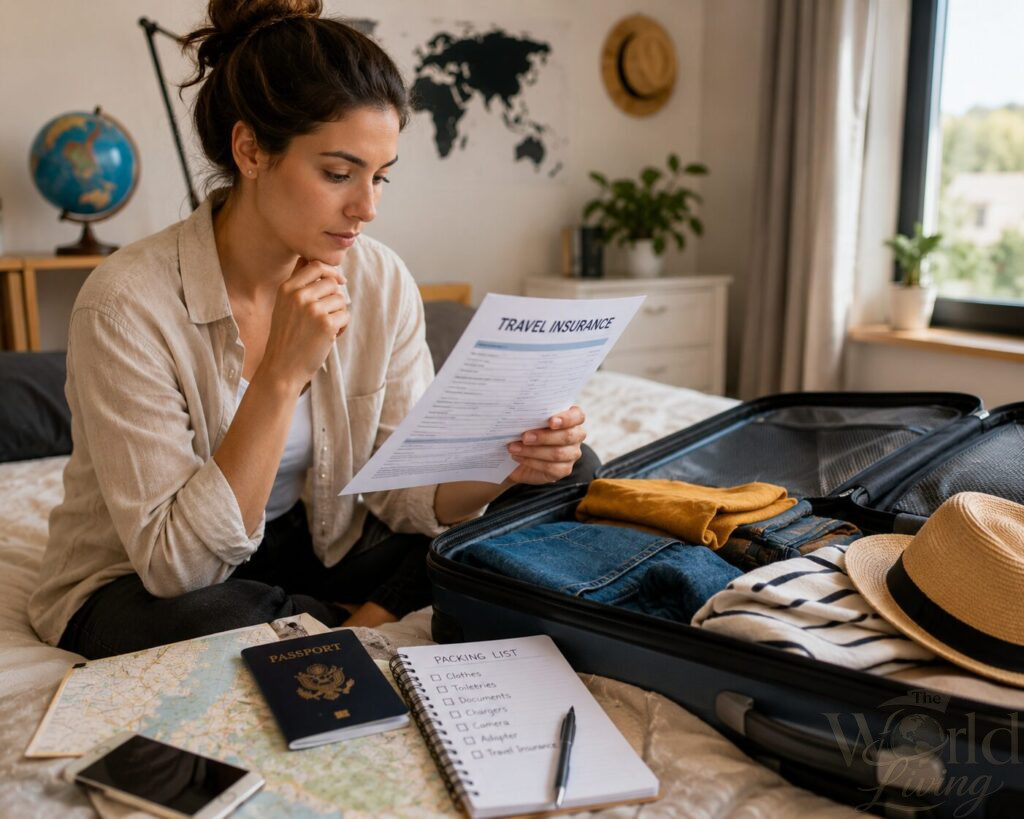
Losing your passport or driver’s license abroad can be a nightmare. Before you leave, make digital and physical copies of:
- Passport
- Driver’s license
- Visa (if required)
- Credit cards
- Insurance information
- Emergency contact information
Store the digital copies securely in the cloud or on a password-protected device. Keep the physical copies separate from the originals.
Travel Insurance is Non-Negotiable
This is not the place to cut corners. A comprehensive travel insurance policy can cover:
- Medical emergencies
- Trip cancellations or interruptions
- Lost or stolen belongings
- Emergency evacuation
Read the fine print carefully to understand what’s covered and what’s not. Make sure the policy covers any adventure activities you plan to participate in.
Staying Aware and Alert: Street Smarts for Solo Travelers
Even with meticulous planning, you need to be vigilant and aware of your surroundings while you’re on the road. This is a key aspect of how to stay safe while exploring alone.
Trust Your Gut Instinct
If a situation feels off, it probably is. Don’t dismiss your intuition. If someone makes you uncomfortable or a place feels unsafe, remove yourself immediately. It’s always better to be overly cautious than to ignore a warning sign.
Avoid Walking Alone at Night
This is especially important in unfamiliar areas. If you must walk alone at night, stick to well-lit, populated streets. Consider using ride-sharing services or taxis, even for short distances.
Limit Alcohol Consumption
Alcohol can impair your judgment and make you a more vulnerable target. While it’s tempting to relax and enjoy the local nightlife, be mindful of your alcohol intake. Know your limits and stay in control.
Keep Valuables Secure
Petty theft is a common issue in tourist areas. To minimize your risk:
- Use a money belt or hidden pouch to store cash, credit cards, and your passport.
- Avoid displaying expensive jewelry or electronics.
- Keep your phone and wallet in a secure pocket or bag.
- Be wary of pickpockets in crowded areas.
Learn Basic Self-Defense
Knowing a few basic self-defense moves can give you confidence and potentially deter an attacker. Consider taking a self-defense class before your trip. Even simple techniques like a loud shout or a firm stance can make a difference.
Technology and Communication: Staying Connected and Informed
Technology can be a powerful tool for staying safe while exploring alone. Use it to your advantage to stay connected, informed, and prepared.
Get a Local SIM Card
Having access to local mobile data is invaluable. A local SIM card allows you to:
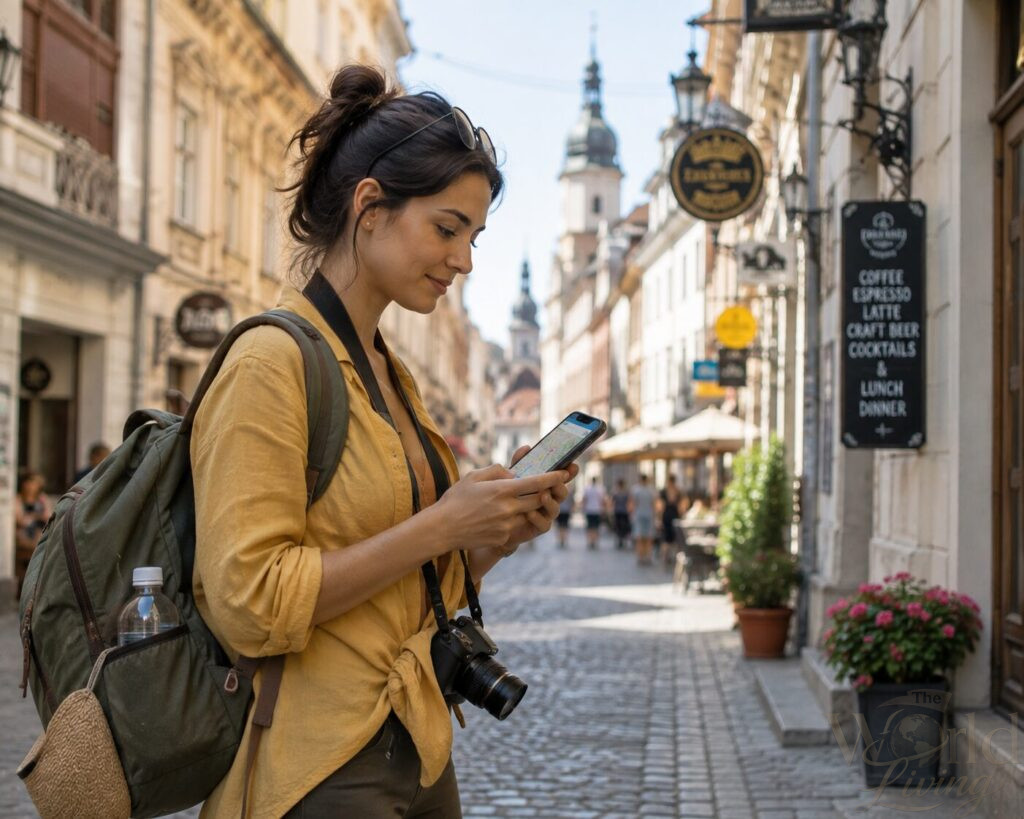
- Use navigation apps to find your way around.
- Access translation apps to communicate with locals.
- Contact emergency services if needed.
- Stay in touch with friends and family.
Make sure your phone is unlocked before you travel so you can use a local SIM card.
Download Useful Apps
There are numerous apps designed to enhance safety and security for travelers. Some useful options include:
- Emergency contact apps: Store emergency contacts and send alerts with your location.
- Navigation apps: Download offline maps in case you don’t have internet access.
- Translation apps: Communicate with locals who don’t speak your language.
- Safety apps: Report incidents, share your location with contacts, and access emergency resources.
Stay Informed About Local News
Keep an eye on local news and social media for any potential safety concerns, such as protests, natural disasters, or crime spikes. This information can help you avoid dangerous areas and make informed decisions about your activities.
Common Scams and How to Avoid Them
Being aware of common scams targeting tourists is an important part of how to stay safe while exploring alone. Here are a few to watch out for:
- The “friendship bracelet”: A stranger ties a bracelet on your wrist before you can object, then demands payment. Politely but firmly decline any unsolicited “gift” and keep walking.
- Fake police officers: Scammers posing as officials ask to inspect your wallet or passport “for fraud checks.” Real police rarely ask for this on the street — ask to go to the nearest station, or offer to call the embassy instead.
- Taxi meter tricks: Drivers claim the meter is “broken” or take a deliberately long route. Agree on a price beforehand, or use a rideshare app that shows the fare upfront.
- The overly friendly local: Someone strikes up a conversation, invites you to a bar or restaurant, and you’re left with an inflated bill. Be cautious of unusually enthusiastic new “friends” who lead you somewhere specific.
- Distraction theft: One person creates a diversion (spilling something, asking for directions) while an accomplice picks your pocket. Stay alert in crowds and keep bags zipped and in front of you.
- Fake petitions or charity collectors: Groups surround you asking for a signature or donation, using the moment to pick pockets. A firm “no” and continuing to walk usually ends it quickly.
- Currency exchange shortchanging: Some money changers count bills quickly or use sleight of hand. Count your money slowly and use licensed exchange counters or ATMs instead of street vendors.
Pro Tips for Solo Travel Safety
- Blend in, don’t stand out: Dress like the locals when possible, and avoid flashing maps, cameras, or expensive gear in unfamiliar areas.
- Choose accommodation with good reviews on safety specifically: Look for mentions of well-lit entrances, secure locks, and 24-hour staff, not just cleanliness or comfort.
- Arrive during daylight: Whenever possible, schedule flights and transfers so you reach new accommodation before dark.
- Keep a small “decoy” wallet: Carry a small amount of cash and an old card separately from your main funds in case you’re ever pressured to hand something over.
- Register with your embassy: Many countries offer free traveler registration programs that make it easier for officials to reach you in an emergency.
- Practice saying “no” firmly: Politeness has its limits — a clear, confident refusal is often all it takes to end an unwanted interaction.
Key Takeaways for Safe Solo Travel
- Preparation — research, shared itineraries, document copies, and insurance — is your strongest safety net before you even leave home.
- Staying alert, trusting your instincts, and limiting alcohol go a long way toward avoiding risky situations.
- A local SIM card and a few key safety apps keep you connected and informed at all times.
- Most scams rely on distraction or pressure — staying calm, saying no, and walking away defuses almost all of them.
- Confidence, not fear, is the goal: the more prepared you are, the more you can actually enjoy the trip.
Frequently Asked Questions
Is solo travel actually dangerous?
Statistically, most solo trips go smoothly. The risk is usually similar to everyday life — the key is applying the same common sense you would at home, plus a bit of extra research into local conditions.
What’s the single most important safety habit for solo travelers?
Sharing your itinerary and check-in schedule with someone you trust. It’s simple, free, and means someone will notice quickly if something goes wrong.
Should I tell people I’m traveling alone?
It’s generally safer to be vague with strangers about your solo status and travel plans, while still keeping trusted friends or family fully informed of your whereabouts.
What should I do if I feel unsafe in the moment?
Trust your instincts immediately — leave the area, head somewhere public and well-lit, and contact local emergency services or your accommodation staff if needed.
Do I need travel insurance for solo trips specifically?
Yes, arguably even more than group trips — without a travel companion to help in an emergency, insurance that covers medical care and evacuation becomes even more essential.
Solo travel doesn’t have to mean traveling in fear. With the right preparation, a bit of street smarts, and the tools to stay connected, you can explore confidently and handle whatever comes your way — leaving more room to actually enjoy the adventure you set out for.