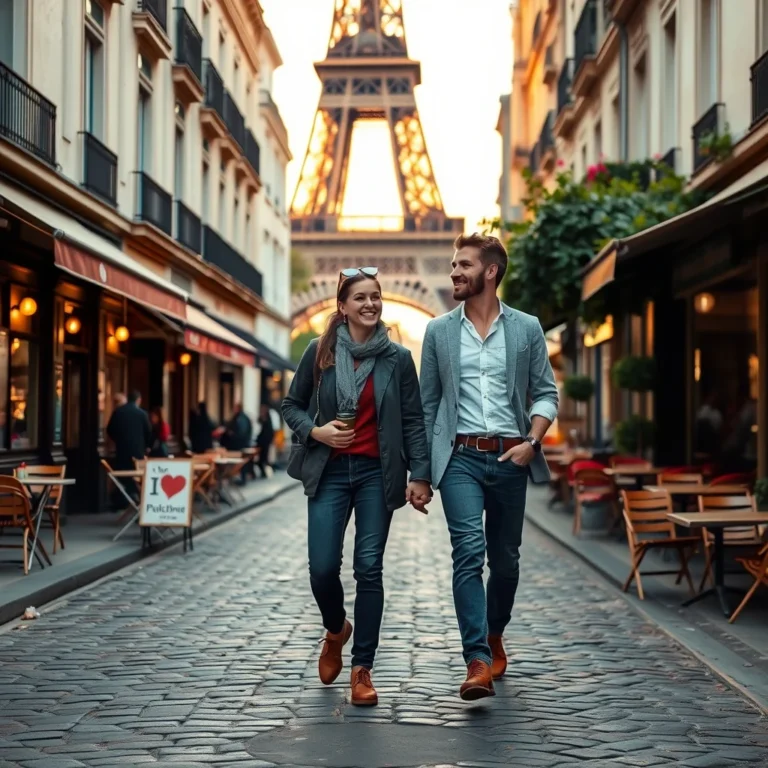
The Power of Traveling Slowly and Intentionally
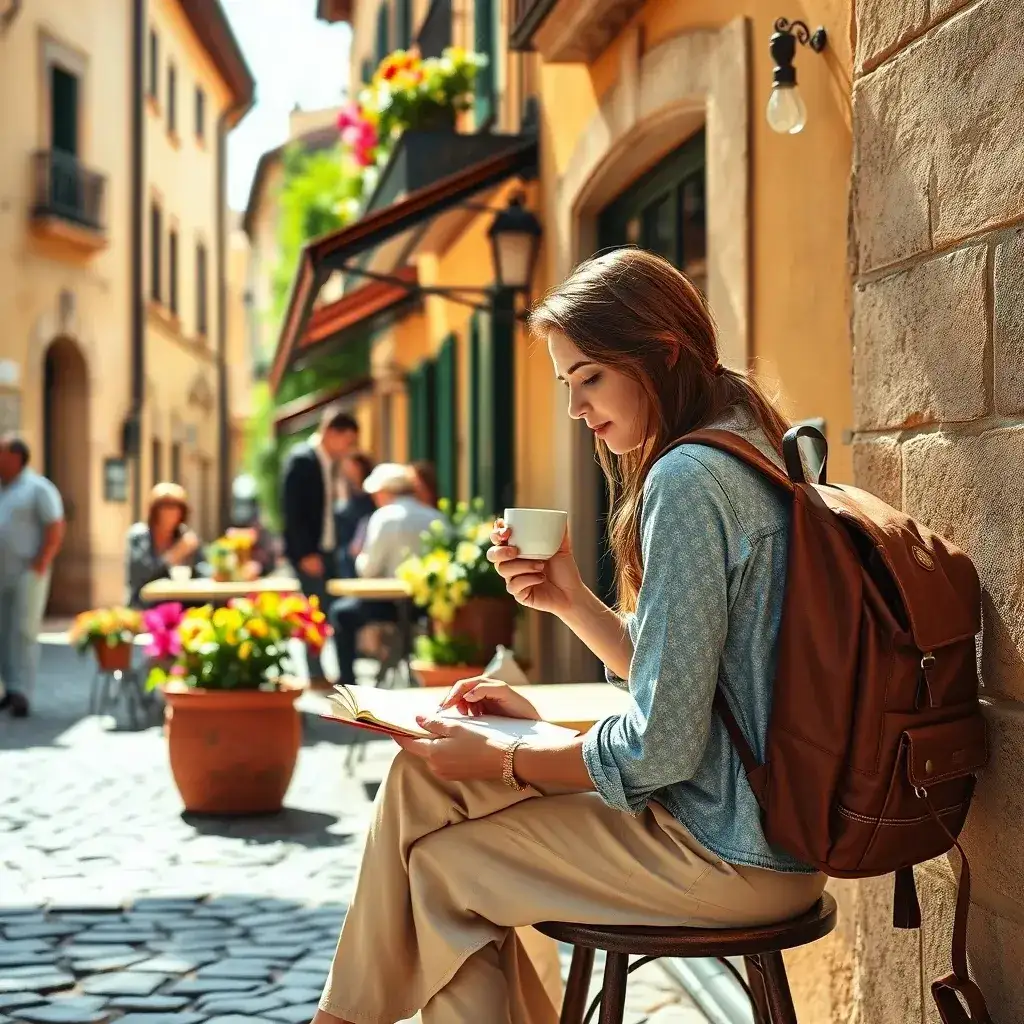
Feeling burned out from rushing through your last vacation? You’re not alone. Many travelers are discovering the power of traveling slowly and intentionally, ditching jam-packed itineraries for deeper, more meaningful experiences. This guide will show you how to embrace slow travel, connect with destinations on a deeper level, and return home feeling refreshed, not exhausted.
Why Embrace Slow and Intentional Travel?
In today’s fast-paced world, it’s easy to fall into the trap of trying to see and do everything. But what if you could experience more by doing less? Slow travel is about savoring each moment, immersing yourself in the local culture, and creating lasting memories. It’s a mindful approach that prioritizes quality over quantity.
The Benefits of Slow Travel
- Reduced Stress: Less rushing, more relaxing.
- Deeper Connections: Engage with locals and their traditions.
- Sustainable Practices: Support local economies and reduce your environmental impact.
- Enhanced Appreciation: Truly experience the beauty and uniqueness of each destination.
- Lasting Memories: Create richer memories through authentic experiences.
Planning Your Slow Travel Adventure
Traveling slowly and intentionally requires a different approach to planning. It’s about choosing fewer destinations, allowing more time in each place, and focusing on experiences that resonate with you.
Choosing Your Destination
Consider destinations that offer opportunities for cultural immersion, outdoor adventures, or simply a slower pace of life. Think charming villages, natural landscapes, or cities with vibrant local communities.
Creating a Flexible Itinerary
Leave room for spontaneity and unexpected discoveries. Don’t over-schedule your days. Allow time for wandering, exploring hidden gems, and simply soaking in the atmosphere.
Embrace Local Transportation
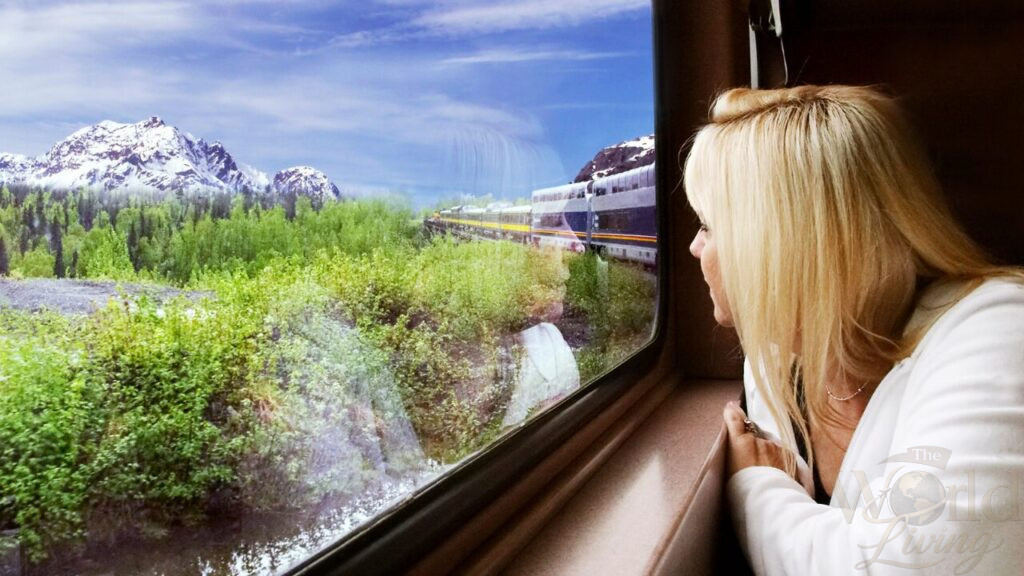
Instead of flying between cities, consider traveling by train, bus, or even bicycle. This allows you to see more of the countryside and experience the journey as part of the adventure.
How to Travel Intentionally
Intentional travel is about being present and mindful in your experiences. It’s about making conscious choices that align with your values and goals.
Connecting with Locals
Seek out opportunities to interact with locals. Take a cooking class, learn a few phrases in the local language, or simply strike up a conversation at a local café. These interactions can provide invaluable insights into the culture and way of life.
Savoring the Moment
Put away your phone and be present in the moment. Take time to appreciate the beauty around you, engage your senses, and allow yourself to be fully immersed in the experience.
Supporting Local Businesses
Choose locally owned accommodations, restaurants, and shops. This helps to support the local economy and ensures that your money stays within the community.

Best Destinations for Slow Travel
Here are a few ideas for destinations that are perfect for traveling slowly and intentionally:
- Tuscany, Italy: Explore rolling hills, vineyards, and charming villages at your own pace.
- Kyoto, Japan: Immerse yourself in traditional culture, serene gardens, and delicious cuisine.
- Costa Rica: Discover lush rainforests, stunning beaches, and abundant wildlife.
- Scottish Highlands: Hike through breathtaking landscapes, visit historic castles, and enjoy the tranquility of nature.
- Portugal’s Algarve: Relax on beautiful beaches, explore coastal towns, and savor fresh seafood.
Pro Tips for Slow Travel
- Learn Basic Phrases: Knowing a few key phrases in the local language can greatly enhance your interactions.
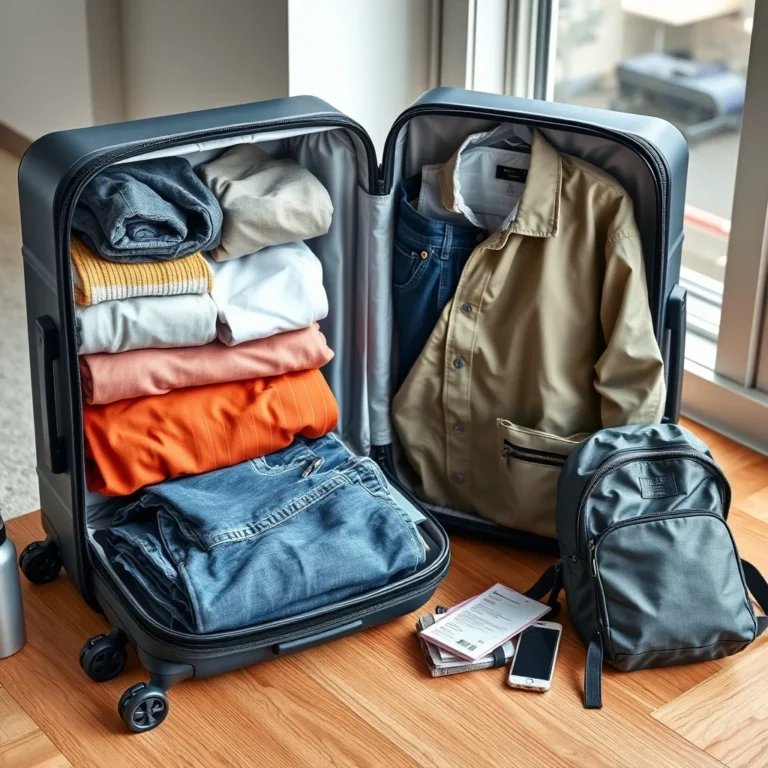
- Pack Light: Less luggage means more freedom and flexibility.
- Be Open to Change: Embrace the unexpected and be willing to adjust your plans as needed.
- Disconnect to Connect: Limit your screen time and focus on the present moment.
Budget Considerations for Slow Travel
Traveling slowly and intentionally doesn’t necessarily have to be more expensive. In fact, it can often be more budget-friendly than traditional travel.
Saving Money While Traveling Slowly
- Longer Stays: Negotiate discounts for longer stays at accommodations.
- Cook Your Own Meals: Visit local markets and prepare your own food.
- Free Activities: Take advantage of free activities such as hiking, exploring parks, and visiting local museums.
- Local Transportation: Utilize public transportation or rent a bicycle for getting around.
Estimated Costs
The cost of slow travel varies depending on the destination and your travel style. However, you can generally expect to spend:
- Accommodation: $30–$100 per night (hostels, guesthouses, Airbnb)
- Food: $20–$50 per day (local markets, street food, self-catering)
- Transportation: $10–$30 per day (public transportation, bicycle rental)
- Activities: $10–$40 per day (museums, tours, entrance fees)
Best Time to Visit
The best time to visit for slow travel depends on your chosen destination. Generally, shoulder seasons (spring and fall) offer pleasant weather, fewer crowds, and lower prices.
Local Tips and Recommendations
- Learn a few basic phrases in the local language. Even a simple “hello” and “thank you” can go a long way.
- Try the local cuisine. Don’t be afraid to step outside your comfort zone and sample the local delicacies.
- Take a cooking class. Learn how to prepare traditional dishes and gain insight into the local culture.
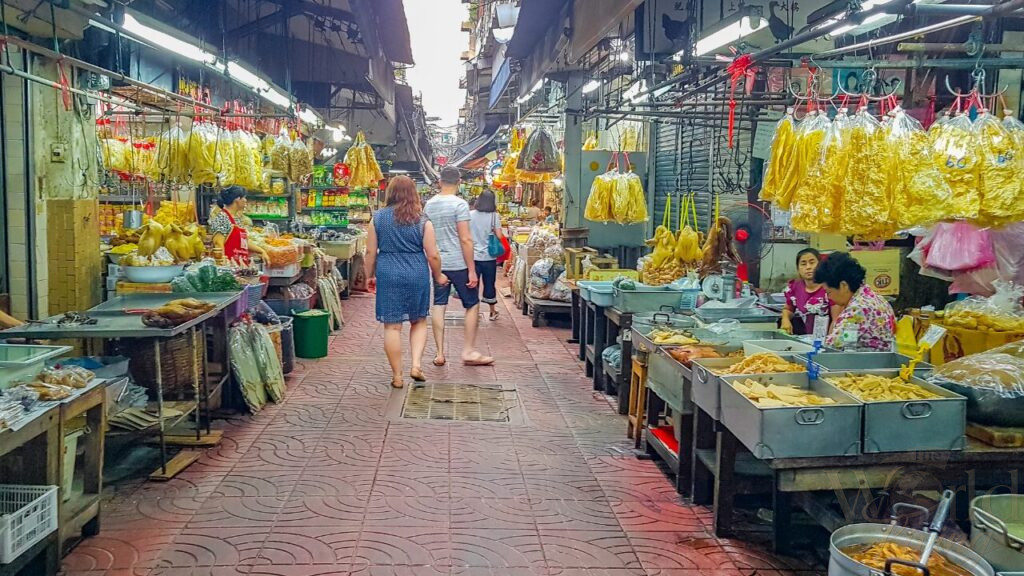
- Visit local markets. Immerse yourself in the sights, sounds, and smells of the local market and discover unique products.
- Talk to locals. Ask for recommendations on hidden gems and local favorites.
FAQ About Slow and Intentional Travel
What is the main difference between slow travel and traditional travel?
Slow travel prioritizes quality over quantity, focusing on deeper experiences and cultural immersion, while traditional travel often involves rushing to see as many sights as possible.
Is slow travel more expensive?
Not necessarily. By staying longer in one place, cooking your own meals, and utilizing free activities, slow travel can often be more budget-friendly.
How can I make my travels more intentional?
Be present in the moment, connect with locals, support local businesses, and choose activities that align with your values and goals.
What are some good destinations for slow travel?
Tuscany, Kyoto, Costa Rica, the Scottish Highlands, and Portugal’s Algarve are all great options for slow travel.
What should I pack for a slow travel trip?
Pack light, comfortable clothing, and essentials that will allow you to be flexible and adaptable.
Key Takeaways
- Traveling slowly and intentionally offers a more meaningful and enriching travel experience.
- It’s about prioritizing quality over quantity and connecting with destinations on a deeper level.
- Slow travel can be more budget-friendly and sustainable than traditional travel.
- By embracing slow travel, you can create lasting memories and return home feeling refreshed and inspired.
Ready to ditch the rush and embrace the power of traveling slowly and intentionally? Start planning your next adventure today and discover the joy of truly experiencing the world around you. It’s a transformative way to travel that can change your perspective and create memories that will last a lifetime.