Why Japan Feels Like the Future and the Past at the Same Time
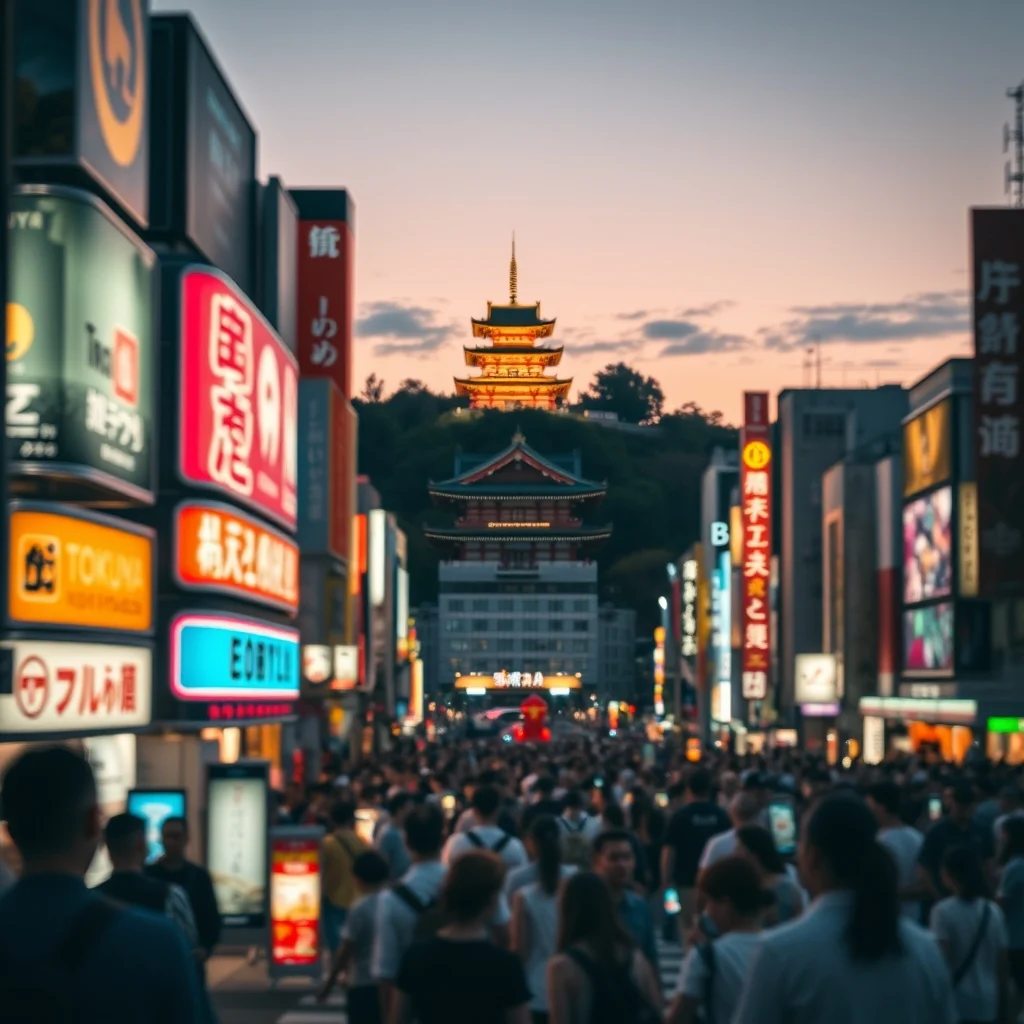
Ever feel like stepping into a time machine that somehow landed in two different eras at once? That’s precisely what it’s like to travel to Japan. The country masterfully blends cutting-edge technology with deeply rooted traditions, creating a unique and often surreal experience. This article explores why Japan feels like the future and the past at the same time, offering insights and tips for navigating this fascinating paradox.
Why Japan Feels Like the Future and the Past
Japan’s captivating charm stems from its ability to seamlessly integrate the hyper-modern with the profoundly historical. You might find yourself using a high-tech toilet one minute and then participating in a centuries-old tea ceremony the next. This duality isn’t a clash, but rather a harmonious coexistence that defines the Japanese experience.
The Technological Marvel
Japan is synonymous with innovation. From bullet trains (Shinkansen) that whisk you across the country at incredible speeds to robots assisting in hotels and hospitals, technology is deeply ingrained in daily life.
- Shinkansen (Bullet Train): Experience the efficiency and speed of these iconic trains. Book tickets in advance, especially during peak seasons.
- Robotics: Encounter robots in various service roles, showcasing Japan’s advancements in automation.
- High-Tech Toilets: Prepare for a unique bathroom experience with features like heated seats, bidets, and noise-canceling options.
A Journey Through Ancient Traditions
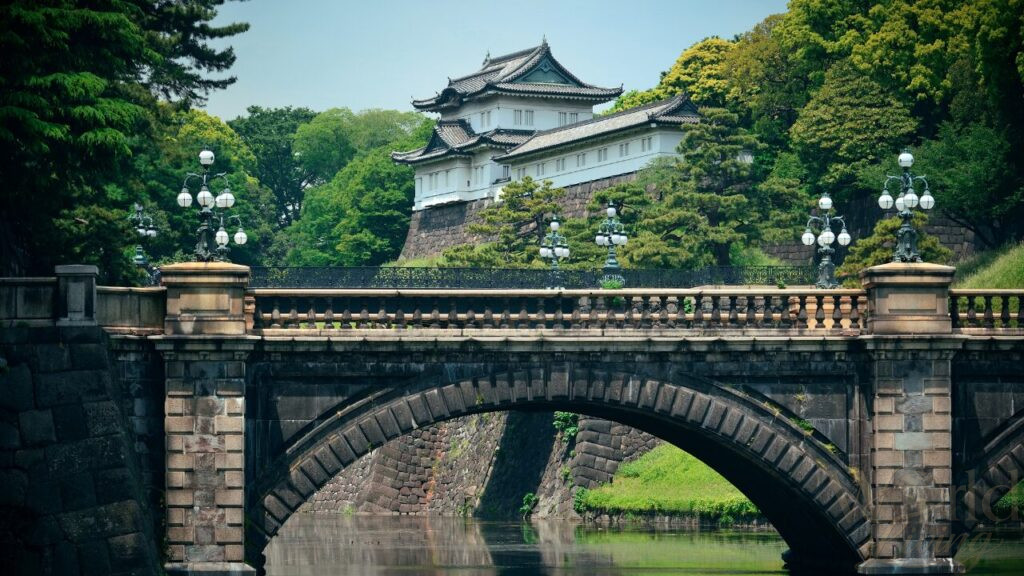
Despite its technological prowess, Japan remains deeply connected to its past. Ancient temples, serene gardens, and traditional arts are meticulously preserved and celebrated.
- Temples and Shrines: Explore stunning temples like Kiyomizu-dera in Kyoto and serene shrines like Fushimi Inari-taisha with its thousands of red torii gates.
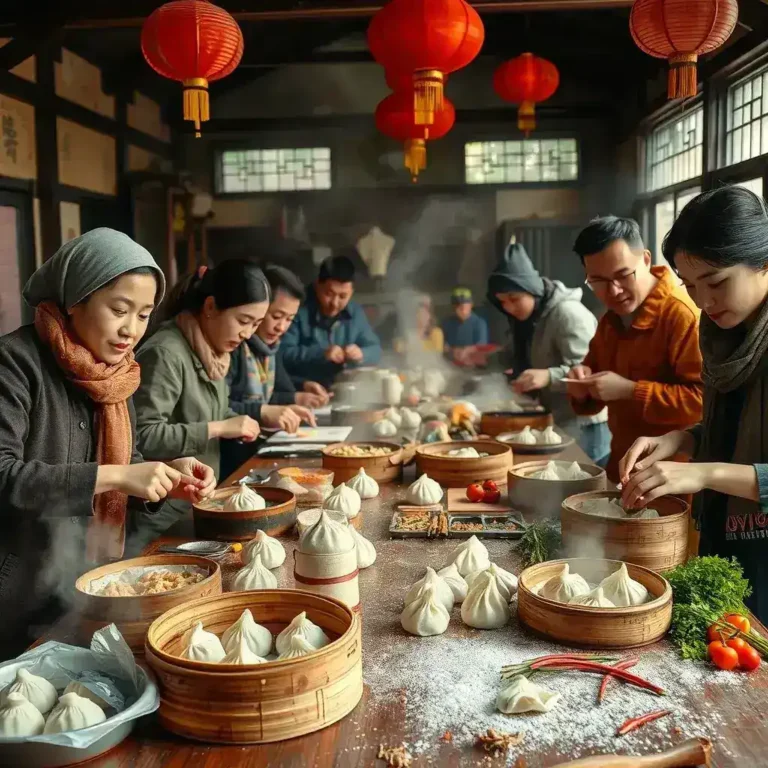
- Tea Ceremony (Chanoyu): Participate in a traditional tea ceremony, a ritual steeped in history and mindfulness.
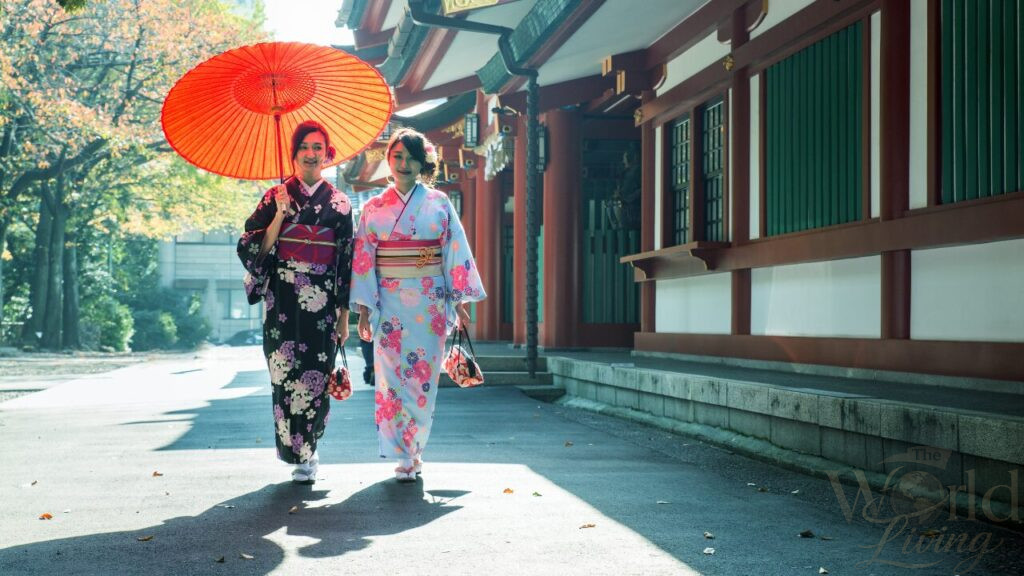
- Traditional Arts: Experience Kabuki theater, Sumo wrestling, and other traditional art forms that have been passed down through generations.
Understanding the Cultural Paradox
The blend of old and new isn’t accidental; it’s a conscious effort to honor heritage while embracing progress. Japanese culture values both innovation and respect for tradition, creating a society that is both forward-thinking and deeply rooted in its past.
The Concept of “Wa” (Harmony)
The concept of “Wa,” or harmony, is central to Japanese culture. This emphasis on balance and cooperation extends to the way technology and tradition coexist. New innovations are often integrated in a way that respects and complements existing cultural norms.
Preservation Efforts
Japan invests significantly in preserving its cultural heritage. Ancient buildings are meticulously maintained, traditional crafts are supported, and cultural festivals are celebrated with enthusiasm. This dedication ensures that the past remains a vibrant part of the present.
Planning Your Trip to Experience Both Worlds
To truly appreciate why Japan feels like the future and the past at the same time, plan your itinerary to include both modern and traditional experiences.
Best Time to Visit
Spring (March-May) and autumn (September-November) are ideal for visiting Japan. The weather is pleasant, and you can witness the beautiful cherry blossoms in spring or the vibrant autumn foliage.
Sample Itinerary
Here’s a sample itinerary that balances modern and traditional experiences:
- Tokyo (3 days): Explore the modern districts of Shibuya and Shinjuku, visit the Tsukiji Outer Market, and experience the tranquility of the Meiji Shrine.
- Kyoto (3 days): Discover ancient temples like Kinkaku-ji (Golden Pavilion) and Kiyomizu-dera, stroll through the Gion district (known for geishas), and participate in a tea ceremony.
- Osaka (2 days): Visit Osaka Castle, explore the vibrant Dotonbori district, and enjoy the local street food.
Estimated Costs
Japan can be an expensive destination, but with careful planning, you can manage your budget. Here’s a rough estimate of daily costs:
- Budget Traveler: $80-$120 per day (hostels, budget meals, public transport)
- Mid-Range Traveler: $150-$300 per day (comfortable hotels, restaurants, some taxis)
- Luxury Traveler: $300+ per day (high-end hotels, fine dining, private transport)
Expert Tips for Navigating the Blend
To make the most of your trip, keep these tips in mind:
- Learn Basic Japanese Phrases: Knowing a few basic phrases will enhance your interactions with locals.
- Carry Cash: While credit cards are becoming more widely accepted, many smaller establishments still prefer cash.
- Respect Local Customs: Be mindful of Japanese customs, such as removing your shoes indoors and avoiding loud talking on public transport.
Pro Tips for Immersing Yourself
- Stay in a Ryokan: Experience traditional Japanese hospitality by staying in a ryokan (traditional inn).
- Attend a Local Festival: Immerse yourself in the local culture by attending a matsuri (festival).
- Try a Traditional Craft: Participate in a workshop to learn a traditional craft, such as origami or calligraphy.
FAQ: Unraveling the Japanese Paradox
Why is Japan so technologically advanced?
Japan’s focus on innovation, strong education system, and government support have contributed to its technological advancements.
How does Japan preserve its traditions?
Japan invests in preserving historical sites, supporting traditional arts, and celebrating cultural festivals. The government and local communities actively work to maintain their heritage.
Is it expensive to travel in Japan?
Yes, Japan can be expensive, but costs can be managed by choosing budget accommodations, eating at local restaurants, and using public transportation.
What is the best way to experience both the modern and traditional aspects of Japan?
Plan an itinerary that includes both modern cities like Tokyo and historical cities like Kyoto. Participate in cultural activities and explore both technological innovations and traditional arts.
What should I pack for a trip to Japan?
Pack comfortable shoes for walking, clothes suitable for the season, a universal adapter, and any necessary medications. It’s also helpful to bring a phrasebook or translation app.
Key Takeaways: Experiencing Japan’s Duality
- Japan seamlessly blends cutting-edge technology with deeply rooted traditions.
- The concept of “Wa” (harmony) plays a key role in this coexistence.
- Plan your itinerary to include both modern and traditional experiences.
- Respect local customs and be mindful of Japanese etiquette.
Japan’s unique ability to harmonize the past and the future creates an unforgettable travel experience. By embracing both the modern innovations and the ancient traditions, you’ll gain a deeper understanding of this fascinating country. Exploring why Japan feels like the future and the past at the same time offers a perspective unlike any other.