
The Ultimate Destination Guide for Experiential Travelers

Tired of the same old tourist traps? Many travelers are craving something deeper than just ticking off landmarks. They want authentic moments, immersive experiences, and a genuine connection with the places they visit. This is a guide for experiential travelers, those who seek to engage all their senses and create lasting memories through unique and meaningful adventures.
What is Experiential Travel?
Experiential travel is about more than just sightseeing; it’s about actively participating in the local culture, environment, and community. It’s a form of travel that emphasizes learning, growth, and personal transformation through direct engagement. Instead of passively observing, you become part of the story.
Think cooking classes with local chefs, volunteering on conservation projects, learning traditional crafts from artisans, or exploring hidden gems with a local guide. It’s about stepping outside your comfort zone and embracing the unexpected.
Why Choose Experiential Travel?
Here’s the thing: Experiential travel offers benefits that go far beyond a typical vacation:
- Deeper Connection: Forge genuine connections with locals and fellow travelers.
- Personal Growth: Challenge yourself and discover new skills and interests.
- Lasting Memories: Create unforgettable moments that will stay with you long after you return home.
- Positive Impact: Support local communities and contribute to sustainable tourism.

Top Destinations for Experiential Travelers
Ready to embark on your own experiential adventure? Here are a few destinations known for their unique and immersive experiences:
1. Tuscany, Italy: Culinary and Cultural Immersion
Tuscany offers a feast for the senses. Indulge in cooking classes, wine tastings, and truffle hunts. Explore ancient villages, wander through vineyards, and learn about the region’s rich history and art. Cost estimate: $2500-$4000 per week, including accommodation, activities, and food.
Best Time to Visit: Spring (April-May) or Fall (September-October) for pleasant weather and fewer crowds.
Local Tip: Rent a car to explore the countryside at your own pace and discover hidden gems off the beaten path.
2. Costa Rica: Eco-Adventure and Wildlife Encounters
For nature lovers, Costa Rica is a paradise. Zipline through rainforests, hike to waterfalls, and spot exotic wildlife like sloths, monkeys, and toucans. Participate in conservation projects and learn about sustainable living. Budget around $1500-$3000 per week, depending on your choice of accommodation and activities.
Best Time to Visit: December to April (dry season) for optimal weather conditions.
Local Tip: Learn a few basic Spanish phrases to enhance your interactions with locals.
3. Kyoto, Japan: Traditional Arts and Spiritual Exploration
Immerse yourself in the ancient culture of Kyoto. Participate in a traditional tea ceremony, learn calligraphy or origami, visit serene Zen gardens, and explore historic temples and shrines. Expect to spend $2000-$3500 per week, covering accommodation, transport, and cultural experiences.
Best Time to Visit: Spring (cherry blossom season) or Autumn (vibrant foliage) for stunning scenery.
Local Tip: Dress respectfully when visiting temples and shrines, and remove your shoes when entering traditional homes.
4. Morocco: Desert Adventures and Cultural Encounters
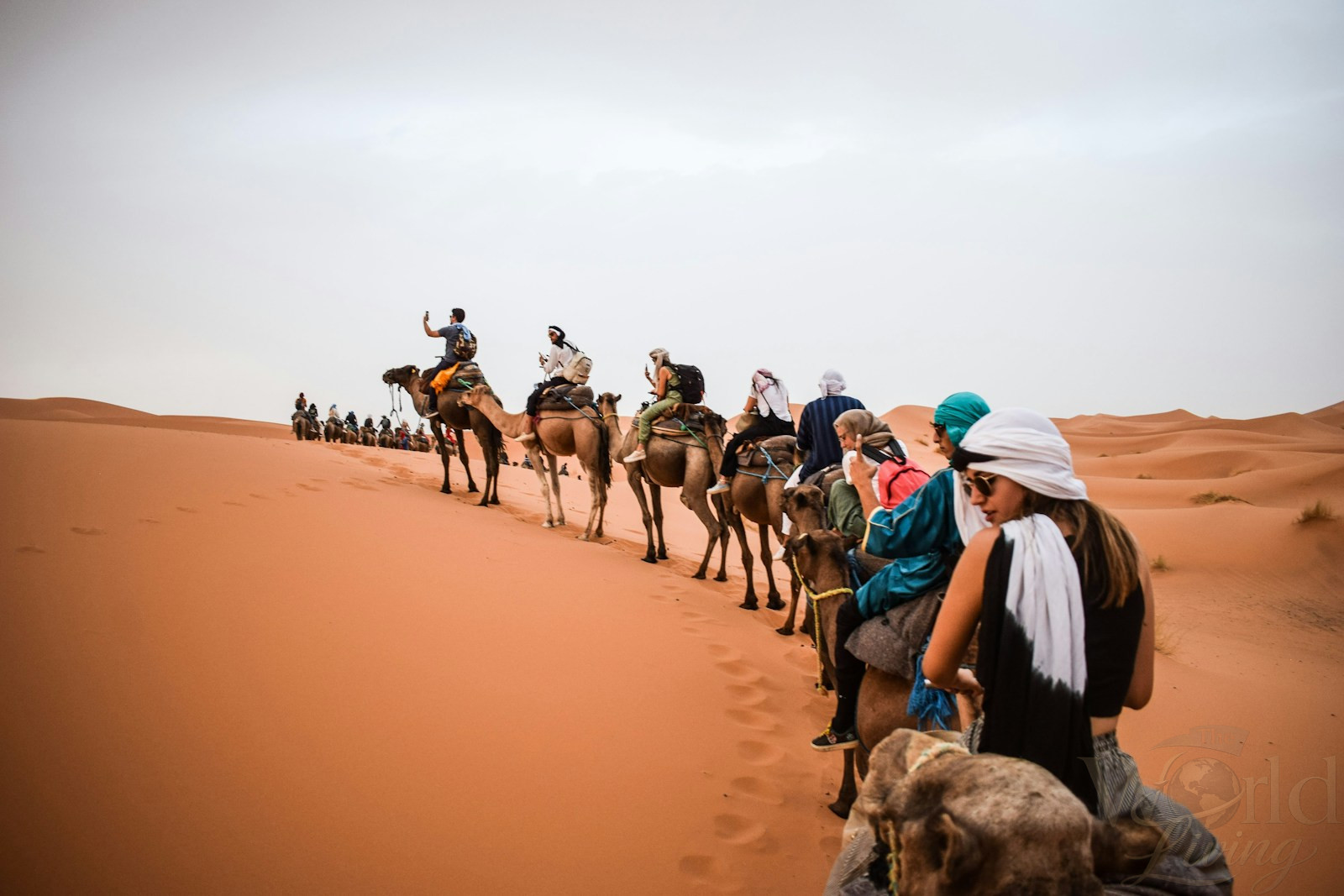
Experience the magic of Morocco. Explore bustling souks, ride camels through the Sahara Desert, learn about Berber culture, and indulge in traditional Moroccan cuisine. A week-long trip can cost approximately $1000-$2500, depending on your itinerary and accommodation choices.
Best Time to Visit: Spring (April-May) or Autumn (September-October) for comfortable temperatures.
Local Tip: Bargaining is expected in the souks, so don’t be afraid to negotiate prices.
Planning Your Experiential Trip
Planning an experiential travel adventure requires a bit more thought than a typical vacation. Here are a few tips to help you get started:
1. Define Your Interests
What are you passionate about? What do you want to learn or experience? Identifying your interests will help you narrow down your destination options and activities.
2. Research Local Experiences
Look beyond the typical tourist attractions. Search for local workshops, tours, and volunteer opportunities that align with your interests. Websites like Airbnb Experiences, GetYourGuide, and Worldpackers can be great resources.
3. Connect with Locals
Reach out to local communities and organizations through social media or online forums. Ask for recommendations and insights on authentic experiences.
4. Be Open to the Unexpected
Part of the beauty of experiential travel is embracing the unknown. Be prepared to step outside your comfort zone and go with the flow.
5. Consider Sustainable Travel Practices
Choose eco-friendly accommodations, support local businesses, and respect the environment and culture of your destination.
Pro Tips for Experiential Travelers
- Learn Some Basic Phrases: Knowing a few basic phrases in the local language can go a long way in building rapport with locals.
- Pack Light: You’ll likely be doing a lot of moving around, so pack only what you need.
- Bring a Journal: Document your experiences and reflections to create a lasting record of your journey.
- Be Respectful: Show respect for local customs and traditions.
- Stay Connected: Share your experiences with friends and family back home.
Key Takeaways for Experiential Travel
- Focus on Immersion: Prioritize activities that allow you to actively participate in the local culture.
- Seek Authentic Encounters: Look for opportunities to connect with locals and learn from their experiences.
- Embrace the Unexpected: Be open to new experiences and challenges.
- Travel Responsibly: Support local communities and minimize your environmental impact.
FAQ About Experiential Travel
What is the difference between experiential travel and traditional tourism?
Traditional tourism often focuses on sightseeing and visiting popular attractions, while experiential travel emphasizes active participation, cultural immersion, and personal growth.
How can I find authentic local experiences?
Research local workshops, tours, and volunteer opportunities. Connect with local communities and organizations through social media or online forums.
What are the benefits of experiential travel?
Deeper connections with locals, personal growth, lasting memories, and a positive impact on local communities.
Is experiential travel more expensive than traditional tourism?
It can be, depending on the activities you choose. However, it’s possible to find affordable experiential travel options by focusing on budget-friendly destinations and activities.
What should I pack for an experiential trip?
Pack light, comfortable clothing, appropriate footwear for outdoor activities, and any necessary gear for your chosen experiences. Don’t forget essentials like sunscreen, insect repellent, and a first-aid kit.

Ready to Plan Your Trip?
Experiential travel offers a transformative way to see the world, moving beyond passive observation to active engagement. By embracing new cultures, challenging yourself, and connecting with local communities, you can create unforgettable memories and make a positive impact. Start planning your adventure today and discover the world in a whole new way.
For further reading, consider these resources: