8 Local Festivals in Mexico Worth Traveling For
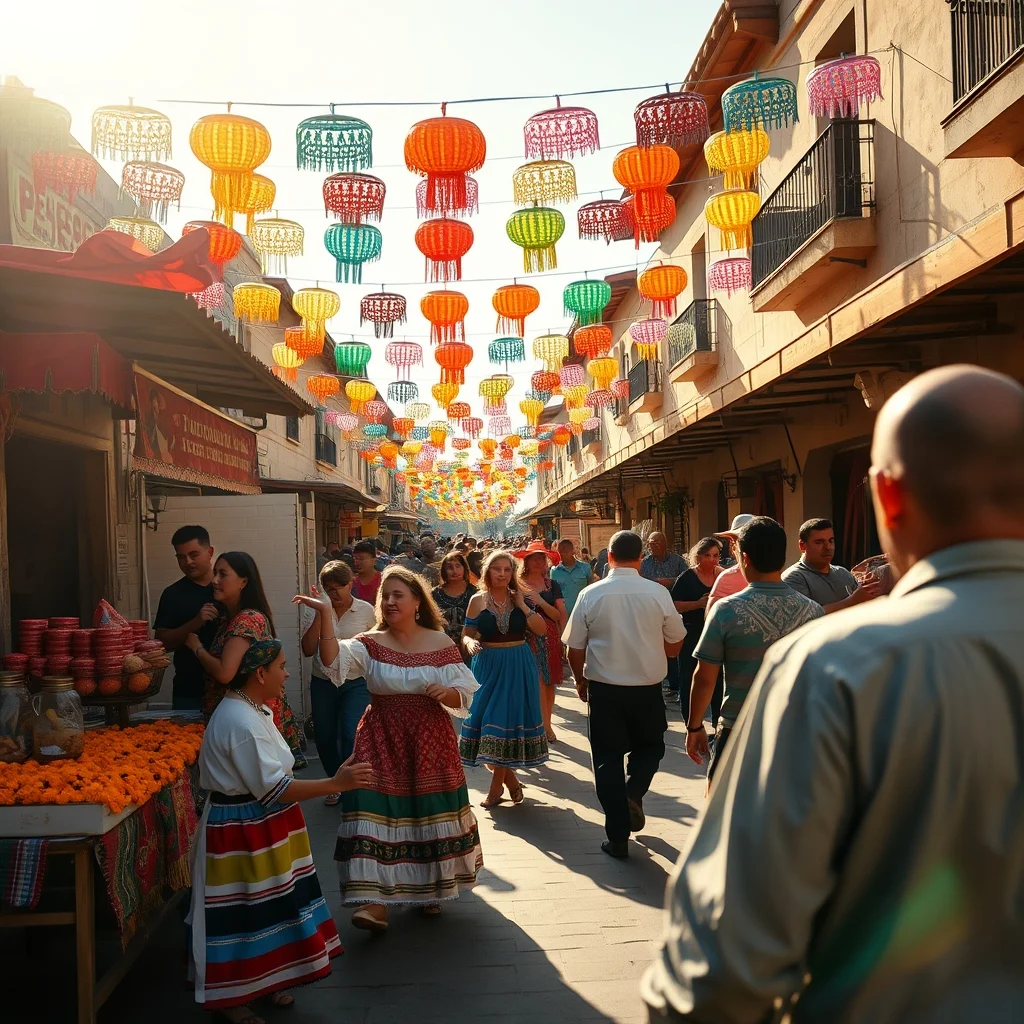
Most travelers plan their Mexico trips around beaches and ruins — and then miss the thing that actually makes the country unforgettable. Every year, thousands of visitors book all-inclusive resorts in Cancún or Puerto Vallarta, only to find out afterward that the most vibrant local festivals in Mexico were happening a few hours inland the whole time. It’s a frustrating pattern, but it’s also completely avoidable once you know what you’re looking for.
Local festivals in Mexico are far more than tourist spectacles. They are living traditions — deeply rooted in community identity, spirituality, and history. Understanding them changes how you travel through this country entirely.
What Are Local Festivals in Mexico, Exactly?
Before we get into the specifics, let’s clarify what we mean. When people hear “Mexican festivals,” they usually think of Día de Muertos or Cinco de Mayo. Those are well known, yes — but they represent only a fraction of what’s actually happening year-round.
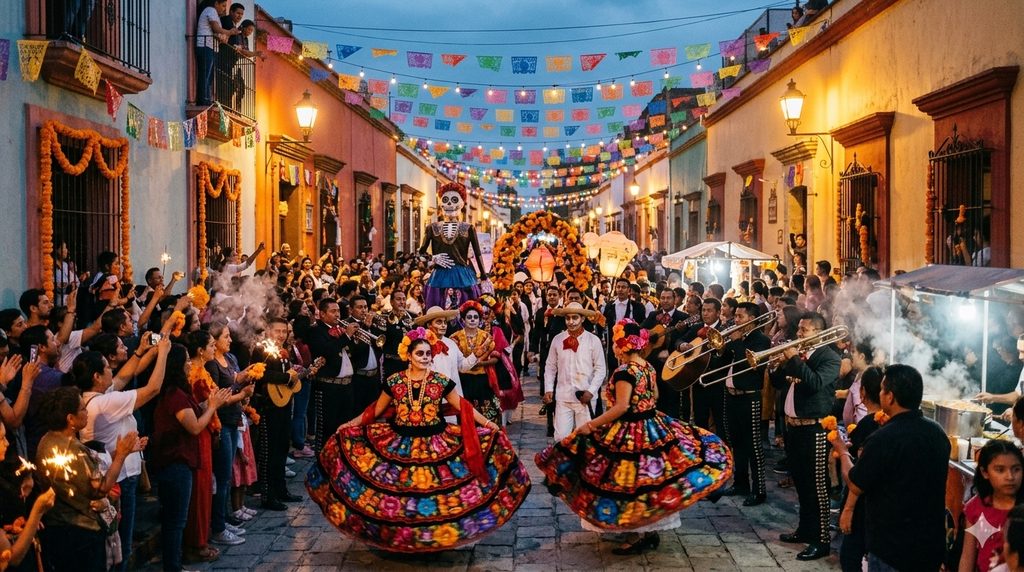
Local festivals in Mexico are community-driven celebrations tied to patron saints, agricultural cycles, indigenous heritage, or historical events. They happen in small towns, rural villages, and city neighborhoods alike. Unlike mega-events designed primarily for visitors, these gatherings are organized by locals, for locals — and that’s precisely what makes them worth seeking out.
Why These Celebrations Matter Beyond Tourism
Here’s the thing: when you attend a local festival in a place like Pátzcuaro or Ocotlán, you’re not watching a performance. You’re witnessing something that has shaped the community for generations. Families spend months preparing offerings, dances, and meals. The social bonds formed through these events hold entire towns together.
To be honest, this is the difference between checking Mexico off a bucket list and actually understanding it. The festivals reveal values — generosity, remembrance, joy in hardship — that you won’t find in a guidebook’s top-ten list.
The Most Memorable Local Festivals in Mexico by Region
Mexico’s size and cultural diversity mean that festival traditions vary dramatically from one region to the next. Here’s a breakdown that goes well beyond the usual recommendations.
Oaxaca — Guelaguetza (Late July)
The Guelaguetza is one of the most visually striking local festivals in Mexico. Held in Oaxaca City on the two Mondays following July 16 — known as “Los Lunes del Cerro” — it celebrates the indigenous cultures of the surrounding valleys through music, dance, and traditional dress from all eight regions of the state. For 2026, the main auditorium performances land on July 20 and July 27, though related events (parades, artisan and mezcal fairs) run for most of the month. The name comes from the Zapotec concept of guendalezaa — reciprocal offering — and delegations genuinely exchange gifts of food and labor with one another as part of the tradition, not just for the audience.
Expect crowded buses, loud brass bands, and dancers throwing bread, fruit, and woven goods to the crowd at the end of each performance. It’s chaotic, joyful, and worth booking hotels for months ahead — rooms in Oaxaca City routinely sell out or double in price for the two main Mondays.
Pátzcuaro & Janitzio — Night of the Dead (November 1–2)
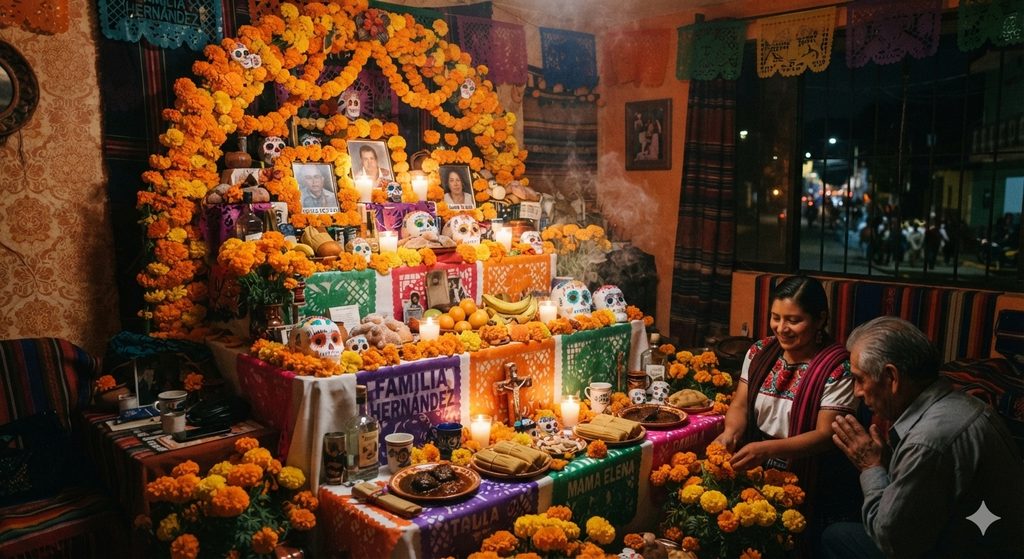
While Día de Muertos has gained global attention, the deeper version of it around Lake Pátzcuaro is still genuinely moving — families gather in cemeteries, lighting candles and decorating graves with marigolds through the night. That said, it’s worth knowing before you go that Janitzio Island specifically, the most famous single spot on the lake, has become one of the most visited Day of the Dead sites in the country, and its “butterfly-net fishermen” — the iconic image most people picture — now largely perform for tips from passing tour boats rather than actually fishing, since local fish stocks have declined over the decades. None of that makes the sight less striking, but it’s a performance more than a candid glimpse of daily life at this point. For something closer to what the original claim was describing, smaller lakeside communities like Tzintzuntzan, Ihuatzio, or Jarácuaro hold their own, far less crowded vigils on the same nights.
Yucatán — Hanal Pixán (Late October–Early November)
The Maya version of Day of the Dead, Hanal Pixán, features distinct foods, altars, and rituals that differ significantly from what you’ll see in central Mexico. Families prepare elaborate feasts — including mucbipollo, a large tamale baked underground — and welcome returning spirits with the food and drink their loved ones enjoyed in life. In smaller towns like Tekax or Maní, the observance remains intensely personal and community-focused, without the crowds that now define Janitzio.
Puebla — Cinco de Mayo (May 5)
Contrary to popular belief outside Mexico, Cinco de Mayo isn’t Mexico’s Independence Day, and inside the country it’s primarily and most seriously celebrated in the state of Puebla, where it commemorates the Mexican army’s unlikely 1862 victory over French forces at the Battle of Puebla. Battle reenactments draw thousands of locals who take the history seriously — this is a civic and military commemoration first, a party second. Parades, military displays, and traditional foods dominate the day and the days around it.
How to Experience Local Festivals in Mexico on a Real Budget
One of the best things about these celebrations is that they rarely require a huge budget. Most festivals are free to attend, though costs add up around travel, food, and accommodation — and around major events like Guelaguetza, lodging prices can spike sharply for the specific dates.
Estimated Costs Breakdown
- Transportation (bus/colectivo): $10–$40 USD per trip between towns
- Local food at festivals: $2–$8 USD per meal from street vendors
- Basic accommodation (hostal/hotel room): $15–$50 USD per night in smaller cities — though expect $100+ in Oaxaca City during the exact Guelaguetza weekends
- Festival-specific expenses (paid seating, offerings): $5–$20 USD, more if you want reserved Guelaguetza seating rather than the free sections
In reality, you can spend a full week around festival season in Oaxaca or Puebla for roughly $300–$500 USD excluding international flights, provided you’re not booking Guelaguetza’s paid seating sections or peak-date hotels at the last minute. That’s a fraction of what a resort week costs.
What most people don’t realize is that booking accommodation months in advance — especially for Guelaguetza or Día de Muertos — can cut your costs significantly. Prices spike hard once word gets out, so early planning genuinely pays off.
Best Time to Visit for Festival Season
Timing matters enormously. Mexico’s festival calendar runs almost year-round, but certain windows cluster together and can overwhelm popular destinations.
- February (occasionally early March): Carnaval in Mazatlán and Veracruz, timed to the five days before Ash Wednesday — the exact dates shift with the liturgical calendar each year, so check the specific dates rather than assuming early February.
- March–April: Semana Santa (Holy Week), timed to Easter — this generally falls in one of these two months, not into May.
- May 5: Cinco de Mayo in Puebla.
- Late July: Guelaguetza in Oaxaca, plus Fiestas de Santiago in various towns.
- September 15–16: Independence Day celebrations nationwide.
- Late October–November: Día de Muertos, Hanal Pixán, and Night of the Dead observances across the country.
- December 16–24: Las Posadas, leading into Nochebuena celebrations.
Each season opens a genuinely different window into Mexican culture. If you want a quieter experience, targeting smaller-town festivals in lower-traffic months like March or May gives you more breathing room and deeper interaction with residents.
Pro Tips from People Who Know
After spending time traveling through festival-heavy regions, a few patterns emerge consistently:
- Learn a handful of phrases in indigenous languages where they’re spoken locally — even basic Zapotec or Maya greetings open doors in Oaxaca or Yucatán, and locals appreciate the effort enormously.
- Don’t photograph everything. Some ceremonies consider cameras disrespectful, and this is especially true around cemetery vigils and religious processions. Ask before shooting, and you’ll often get invited closer rather than pushed away.
- Eat where the locals eat. Festival food stalls run by families almost always beat restaurant versions. Look for the longest lines — that’s your signal.
- Stay in the town, not outside it. The energy of local festivals in Mexico is part of the experience. Leaving each night means missing the spontaneous music, dancing, and conversations that happen after dark.
- Carry cash. Small vendors and collectors offering services rarely accept cards, especially in rural areas.
Key Takeaways
- Local festivals in Mexico are community-rooted traditions, not tourist productions — attending one fundamentally changes your understanding of the country, though it’s worth knowing which specific sites (like Janitzio) have become more staged than others.
- Festival timing varies by region and, for several major festivals, shifts year to year with the liturgical calendar — plan around confirmed dates rather than a generic “best season.”
- Budget travel during festival season is not only possible but rewarding — street food, colectivos, and local lodging keep costs low, outside of peak festival dates in major hubs.
- Respect local customs around photography, participation, and religious observance to build genuine connections.
- The best experiences often happen in the smaller, less-photographed towns near a famous festival site rather than at the site everyone already knows about.
Frequently Asked Questions About Local Festivals in Mexico
Are local festivals in Mexico safe for solo travelers?
Generally, yes. Most festivals are family-oriented and welcoming. Take normal precautions with personal belongings in crowded areas, and let someone know your plans if you’re staying overnight in a smaller town. Checking local news before traveling during large gatherings is always wise.
Do I need to speak Spanish to enjoy local festivals in Mexico?
Spanish helps enormously, especially in smaller towns where English is rarely spoken. That said, many festivals are visual and experiential — you’ll follow the music, dance, and food without needing fluent language skills. Learning basic greetings goes a long way toward earning goodwill.
Can children participate in or attend these festivals?
Absolutely. Many families bring children, and the celebrations are often designed with all ages in mind. That said, some religious processions or late-night cemetery vigils may be better suited for older kids. Observing first and following local guidance is always a smart approach.
How far in advance should I plan a trip around a specific festival?
For major events like Guelaguetza or Día de Muertos in popular areas, booking accommodation 4–6 months ahead is strongly recommended — for Guelaguetza specifically, rooms near the historic center can sell out even earlier. For smaller-town celebrations, 4–6 weeks is usually sufficient. Dates shift slightly each year since many festivals follow the liturgical or agricultural calendar rather than a fixed date.
What’s the difference between a local festival and a national holiday in Mexico?
National holidays like Independence Day are observed across the country with broadly similar traditions. Local festivals are specific to individual communities — they celebrate patron saints, historical local events, or indigenous traditions unique to that area. Local festivals in Mexico often feel more personal and less commercialized than national observances, though the most famous ones (Janitzio’s Day of the Dead being the clearest example) have increasingly picked up some of both.
Understanding local festivals in Mexico means understanding the country at its core. The food, the music, the grief, the laughter — it all comes together in ways that no beach resort or archaeological site can replicate. Plan your next trip around one of these celebrations, and you’ll come home with stories that matter.