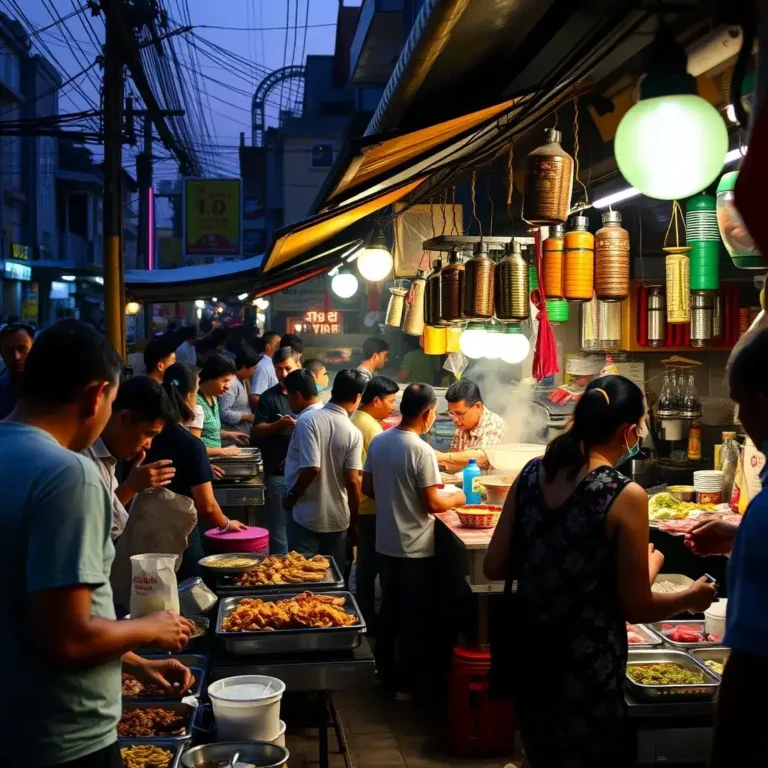
Exploring Zanzibar Food: A Culinary Journey for Every Day
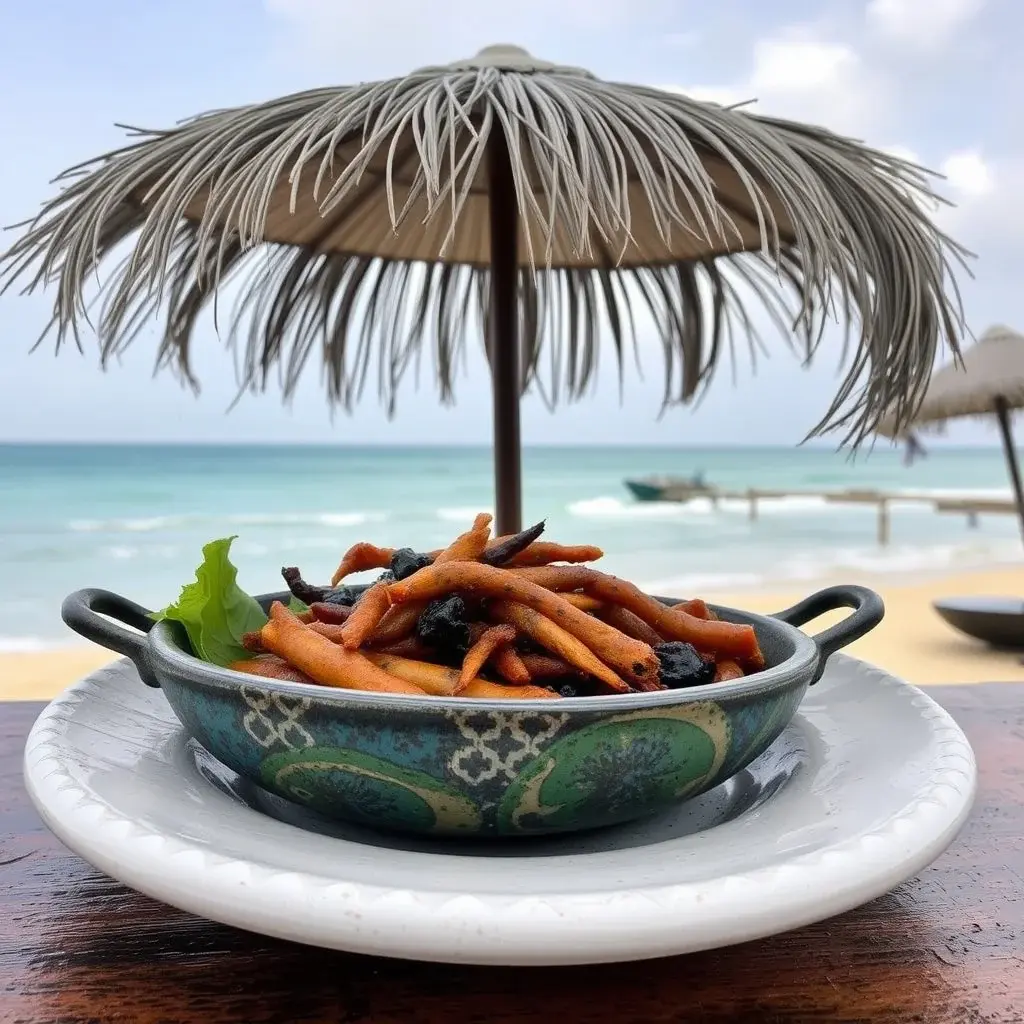
Forget the tourist menus and Instagram-worthy smoothie bowls. What do people really eat in Zanzibar every day? The answer is a delicious mix of spices, fresh seafood, and Swahili staples that you probably won’t find in your resort. This guide takes you beyond the surface to explore the authentic Zanzibari food that fuels the island.
We’re diving deep into the heart of Zanzibari cuisine, revealing the dishes that locals cherish. Get ready to discover the true flavors of Zanzibar food, from the bustling markets to the family dinner tables. By the end of this, you’ll not only know what to eat but also where to find the most authentic versions of these dishes.
What Locals Actually Eat in Zanzibar Every Day
Zanzibar’s cuisine is a vibrant tapestry woven from Swahili, Arab, Indian, and Portuguese influences. This fusion creates a unique culinary landscape that’s both familiar and exotic. Understanding the daily diet of Zanzibaris offers a genuine taste of the island’s culture and history.
Staples of the Zanzibari Diet
At the heart of Zanzibari food are a few key ingredients that appear in almost every meal:
- Rice: The cornerstone of most meals, often served plain or cooked with coconut milk.
- Spices: Zanzibar is known as the Spice Island for a reason! Cloves, cinnamon, nutmeg, and cardamom are used generously.
- Seafood: Fresh fish, octopus, squid, and prawns are abundant and grilled, stewed, or added to curries.
- Coconut: Used in everything from sauces and stews to rice and desserts.
- Bananas: Both ripe and unripe bananas are cooked in various ways, from stews to chips.
Breakfast (Chai and Bread)
A typical Zanzibari breakfast is simple yet satisfying. It often consists of:
- Chai: Strong, sweet tea brewed with milk and spices like cardamom and ginger.
- Mkate wa Mayai: A fried bread similar to a fluffy pancake, often served with chai.
- Mandazi: A sweet fried dough, similar to a donut, perfect for dipping in chai.
Estimated cost: A simple breakfast of chai and bread can cost as little as $1-2 USD.
Lunch (The Main Meal)
Lunch is the most substantial meal of the day, and it’s usually a flavorful and filling affair. Here are some popular choices for Zanzibar food at lunchtime:
Pilau
Pilau is a fragrant rice dish cooked with spices, meat (usually beef or chicken), and vegetables. It’s a celebratory dish often served at weddings and other special occasions, but it’s also a common lunchtime meal.
Wali wa Nazi (Coconut Rice)
Wali wa nazi is rice cooked in coconut milk, giving it a creamy and slightly sweet flavor. It’s often served with fish curry or grilled seafood.
Ugali
Ugali is a stiff porridge made from maize flour. It’s a staple food in many parts of East Africa, including Zanzibar. It’s typically served with a stew or sauce.
Fish Curry
Zanzibar’s fish curry is a flavorful and aromatic dish made with fresh fish, coconut milk, tomatoes, and a blend of spices. The spices used can vary depending on the cook, but common ingredients include turmeric, cumin, coriander, and chili.
Estimated cost: A plate of pilau or fish curry with rice typically costs between $3-5 USD.
Dinner (Lighter Fare)
Dinner is usually a lighter meal than lunch. Some popular options include:
Zanzibar Pizza Despite its name, Zanzibar pizza is unlike any pizza you’ve had before. It’s more like a savory crepe filled with a variety of ingredients, such as meat, vegetables, cheese, and even Nutella. It’s a popular street food and a great option for a quick and tasty dinner — definitely a must-try Zanzibar food.
Mishkaki Mishkaki are grilled skewers of marinated meat (usually beef or chicken). They’re often served with a side of chips or salad.
Urojo (Zanzibar Mix) Urojo, also known as Zanzibar Mix, is a flavorful street food that’s a mix of fried potato balls, bhajias, boiled eggs, and a tangy tamarind sauce. It’s a popular snack or light meal.
Estimated cost: Zanzibar pizza, mishkaki, and urojo typically cost between $2-4 USD.
Snacks and Street Food
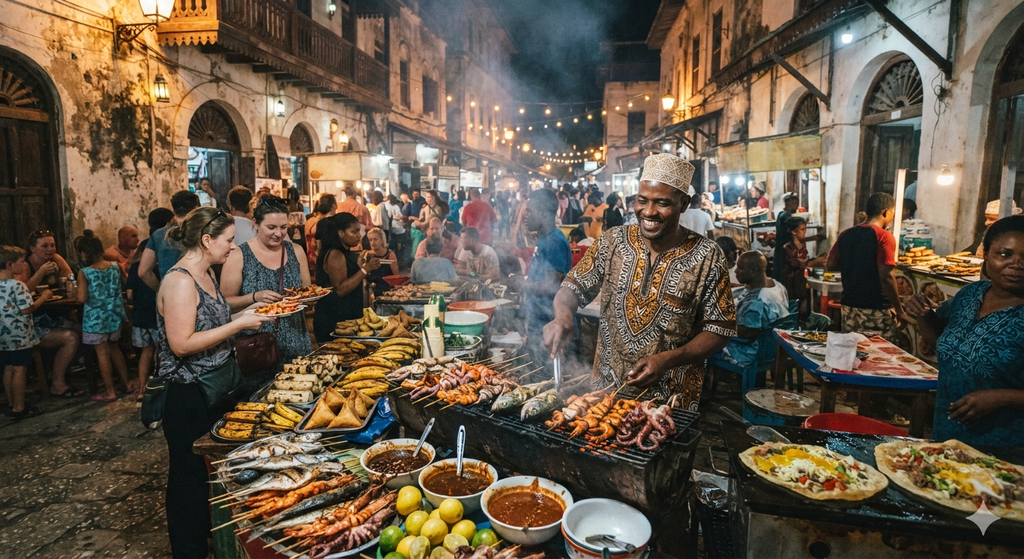
Zanzibar’s streets are filled with delicious and affordable snacks. Keep an eye out for these:
- Bhajias: Deep-fried vegetable fritters, often made with potatoes, spinach, or cauliflower.
- Viazi Karai: Potatoes cooked in a spicy batter.
- Cassava Chips: Crispy and addictive chips made from cassava root.
Estimated cost: Street food snacks usually cost less than $1 USD.
Drinks
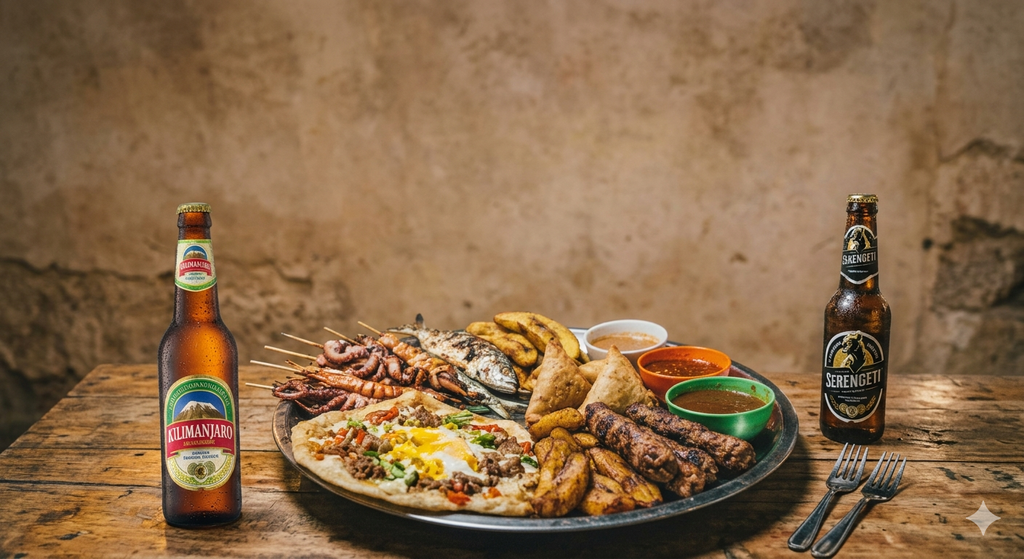
To quench your thirst, try these local beverages:
Local Beer: Kilimanjaro and Safari are popular local beer brands.
Fresh Fruit Juice: Zanzibar is blessed with an abundance of fresh fruits, such as mangoes, pineapples, and passion fruits.
Sugarcane Juice: A refreshing and naturally sweet drink.
Coconut Water: Straight from the coconut, a hydrating and delicious option.
Pro Tips for Eating Like a Local
- Eat at local restaurants: Venture away from the tourist areas and explore the smaller, family-run restaurants.
- Visit the markets: The Darajani Market in Stone Town is a great place to sample local ingredients and street food.
- Be adventurous: Don’t be afraid to try new things! Ask locals for recommendations and be open to different flavors and textures.
- Learn a few Swahili phrases: Knowing basic phrases like “Asante” (thank you) and “chakula kizuri” (delicious food) will go a long way.
- Bargain respectfully: When buying food at the market, it’s acceptable to bargain, but do so respectfully.
Best Time to Visit Zanzibar for Food Lovers
The best time to visit Zanzibar for the freshest seafood and produce is during the dry season (June to October). The weather is also more pleasant during this time, making it ideal for exploring the island’s culinary delights.
Key Takeaways
- Zanzibari food is a fusion of Swahili, Arab, Indian, and Portuguese influences.
- Rice, spices, seafood, and coconut are staple ingredients.
- Lunch is the main meal of the day, with dishes like pilau and fish curry.
- Street food offers a delicious and affordable way to experience local flavors.
- Don’t be afraid to venture off the beaten path and try new things.
FAQ About Zanzibar Food
What is the most popular Zanzibar food?
Pilau is arguably the most popular dish, often served at celebrations and readily available in local restaurants.
Is Zanzibar food spicy?
Zanzibar food uses a lot of spices, but it’s not necessarily spicy in terms of heat. Chili is often used, but it’s usually added in moderation. You can always ask for your food to be prepared with less chili if you prefer.
Where can I find the most authentic Zanzibari food?
The best place to find authentic Zanzibari food is at local restaurants and street food stalls, away from the main tourist areas. Darajani Market in Stone Town is also a great option.
What is Zanzibar pizza made of?
Zanzibar pizza is a thin crepe-like dough cooked on a hot plate and filled with various ingredients, such as meat, vegetables, cheese, and an egg. It’s then folded over and cut into squares.
What should I avoid eating in Zanzibar?
As with any travel destination, it’s important to be mindful of food safety. Avoid eating at places that look unhygienic or serving food that appears to have been sitting out for a long time. Stick to reputable restaurants or freshly cooked street food.
Zanzibar’s culinary scene offers a rich and diverse experience far beyond the typical tourist fare. By venturing into the local eateries and markets, you can truly discover what locals actually eat in Zanzibar every day and create unforgettable memories through authentic flavors.