Dubai City Guide: Modern Marvels and Desert Escapes
You probably think Dubai is only for millionaire tourists sipping champagne on yachts. That misconception stops a lot of travelers from experiencing one of the most diverse destinations on the planet. Here’s what nobody tells you: you can explore Dubai on a backpacker’s budget and still have experiences that rival any luxury resort.
This Dubai city guide cuts through the glitz to show you the real city—one where ancient souks sit blocks away from the world’s tallest building, where a desert safari costs less than a movie night back home, and where the local culture runs deeper than Instagram feeds suggest. Whether you’ve got three days or a full week, I’ll help you maximize every dirham.
When to Visit Dubai City: Timing Your Trip Right
Dubai’s climate dictates everything. Summer months (June-September) bring brutal heat exceeding 45°C, but hotel prices plummet and you’ll find deals that seem impossible during peak season. Most attractions are air-conditioned, so you can still explore comfortably if you plan strategically.
The sweet spot for Dubai travel is November through March. Temperatures hover around 20-25°C, perfect for outdoor adventures and desert excursions. This is peak season though—book accommodations three months ahead and expect higher prices at popular restaurants.
Monthly Breakdown for Travelers
- December-February: Ideal weather, peak prices, festival season (Dubai Shopping Festival)
- March-April: Warm but manageable, fewer crowds, good shoulder-season deals
- May-June: Heating up, significant price drops begin
- July-August: Extreme heat, rock-bottom prices, indoor-focused itinerary essential
Modern Marvels: Dubai’s Architectural Wonders
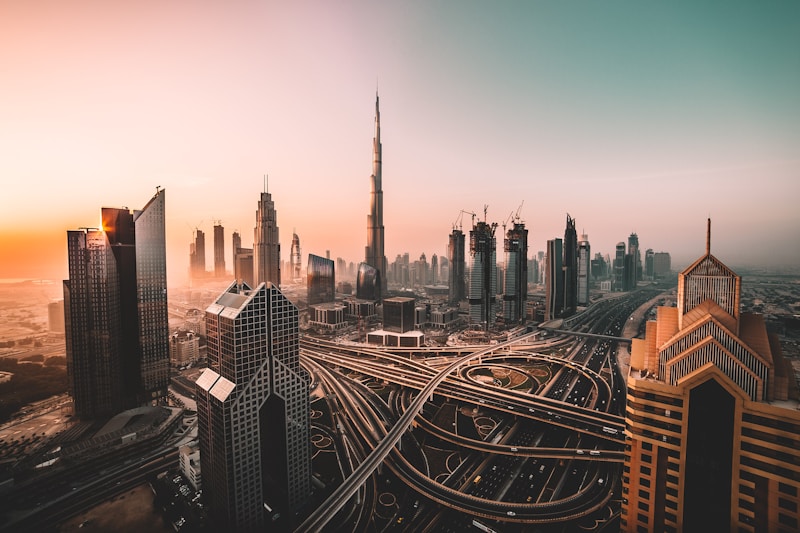
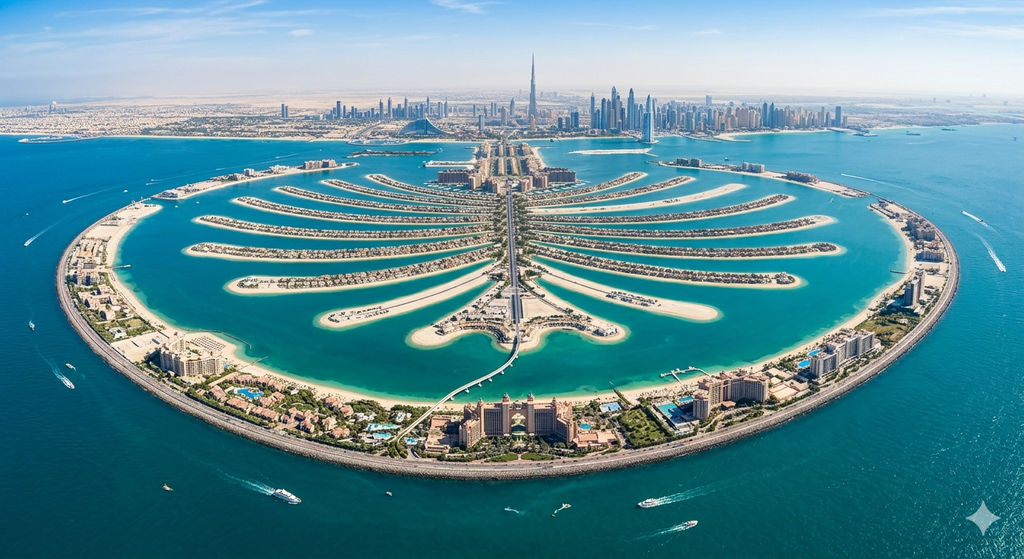
Dubai didn’t exist as a major city 50 years ago. Today it hosts the world’s tallest building, an archipelago shaped like a palm tree, and a shopping mall with an indoor ski slope. The pace of development defies logic until you’re standing beneath it all.
Burj Khalifa: Beyond the Photo Op
Most visitors race to the 148th-floor observation deck, but here’s the move: book sunset tickets for Level 148 if your budget allows. The golden hour views over the Arabian Gulf are genuinely unforgettable. Tight on funds? The lower observation deck at Levels 124-125 offers 85% of the experience at half the price.
What nobody mentions is that the best Burj Khalifa experience happens at ground level during the Dubai Fountain show. The world’s largest choreographed fountain system performs every 30 minutes from 6pm. Grab a spot near the water and watch for free while the Dubai Mall lights dance across the water.
Palm Jumeirah: Engineering Gone Wild
The Palm Islands represent Dubai’s most audacious project—a man-made archipelago visible from space. You can walk the crescent boardwalk for free, watching the endless stream of supercars and yachts. For a splurge, afternoon tea at the Atlantis Hotel’s posh restaurants gives you access to their Aquaventure water park and The Lost Chambers Aquarium.
Dubai Mall: More Than Shopping
Dubai Mall isn’t just retail therapy—it’s a city within a city. Beyond 1,200 shops, you’ll find:
- The Dubai Aquarium, home to 33,000 aquatic animals
- VR Park for cutting-edge gaming experiences
- KidZania for family-friendly interactive zones
- Diverse dining options representing 100+ cuisines
Desert Escapes: Beyond the City Lights
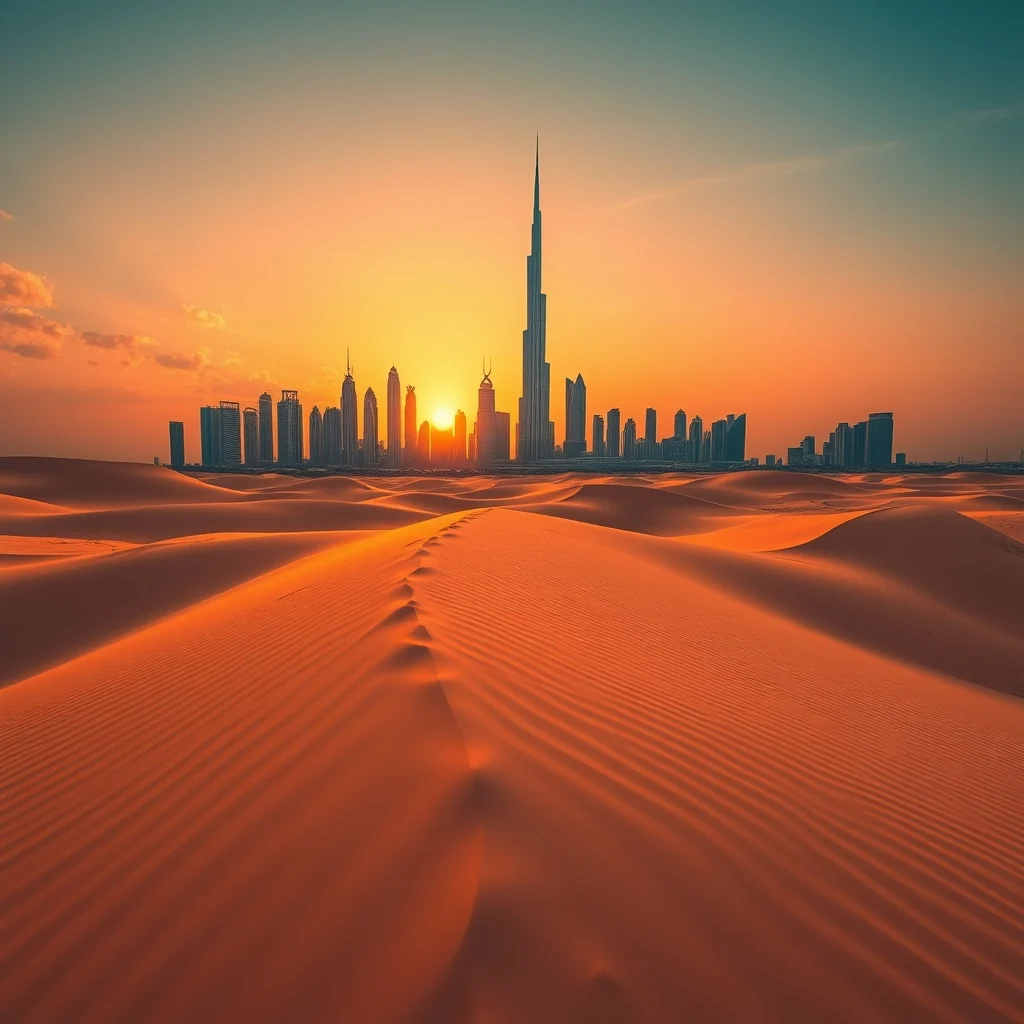
Forty minutes from downtown Dubai, the Arabian Desert unfolds in waves of golden silence. This contrast—gleaming skyscrapers beside ancient dunes—defines Dubai’s appeal. Most visitors treat the desert as a half-day activity, but spending a full day reveals a completely different side of the Emirates.
Desert Safari: The Essential Dubai Experience
A desert safari remains the quintessential Dubai adventure. Morning safaris (departing 7-8am) offer cooler temperatures and better photography conditions. Evening safaris provide dramatic sunset views and star-gazing opportunities after dinner.
Standard packages include dune bashing (hold onto your breakfast), camel rides, sandboarding, and a Bedouin-style camp experience. Prices range from AED 150-500 depending on operator and inclusions. Book directly through reputable companies rather than hotel concierge desks to save 30-40%.
What changed my perspective: the desert at 5am when the camps are empty. The silence hits first—you realize how loud cities actually are. Watching the sun rise over endless dunes while your coffee steams in the cool air beats any rooftop bar experience Dubai’s skyscrapers offer.
Al Qudra: The Local Desert Escape
Skip the tourist camps entirely and rent a car to reach Al Qudra Lakes, 50 kilometers into the desert. This area attracts locals on weekends—cyclists, families, photographers. The artificial lakes surrounded by desert create surreal scenery. The Infinity Pool at the nearby Love Lakes resort offers day passes that cost less than crowded tourist attractions.
Practical Dubai: Costs, Transport, and Local Tips
Dubai rewards the organized traveler. The city runs efficiently, but prices fluctuate wildly based on timing, location, and planning. Here’s what you actually need to budget.
Daily Budget Breakdown
- Budget: AED 300-400 (hostels, metro, street food, free attractions)
- Mid-range: AED 600-1000 (3-star hotels, restaurant meals, mix of activities)
- Luxury: AED 2000+ (hotels, fine dining, premium experiences)
One dirham equals roughly 0.27 USD, so these budgets translate to $80-270 per day depending on your style.
Getting Around: Dubai Metro and Beyond
The Dubai Metro is clean, efficient, and covers major tourist zones. A Nol Card (rechargeable transit card) costs AED 25 and can be used on metro, buses, and water taxis. Key tourist stops include:
- Burj Khalifa/Dubai Mall (Red Line, stop: Burj Khalifa/Dubai Mall)
- Marina (Red Line, stop: Dubai Marina)
- Jumeirah Beach (Red Line, stop: Jumeirah Beach Residence)
- Gold Souk (Green Line, stop: Al Ras)
Taxi rides within the city rarely exceed AED 50. Careem and Uber operate widely, with Uber sometimes 20-30% cheaper during off-peak hours.
The Culture Code: What Locals Want You to Know
Dubai is Muslim, conservative, and welcoming to tourists who show respect. Dress modestly in public areas—cover shoulders and knees. This matters less at beach clubs and pool bars, but wandering Dubai Mall in a bikini will earn disapproving looks and possible intervention from security.
Ramadan affects everything: restaurants close during daylight hours, alcohol service stops, and the city becomes quieter. Visiting during Ramadan offers a profound cultural experience, but prepare accordingly. The atmosphere shifts after Iftar (sunset meal) when the city comes alive.
What surprised me most: Dubai’s locals (Emiratis) make up only about 10% of the population. The city is genuinely international—Indian, Filipino, Pakistani, British, and dozens of other communities shape daily life. You’ll hear more Hindi and Tagalog than Arabic on the metro.
Neighborhoods Worth Exploring
Tourists flock to Marina and Downtown, but Dubai’s real character lives in older neighborhoods that haven’t been scrubbed for Instagram.
Deira: The Historic Heart
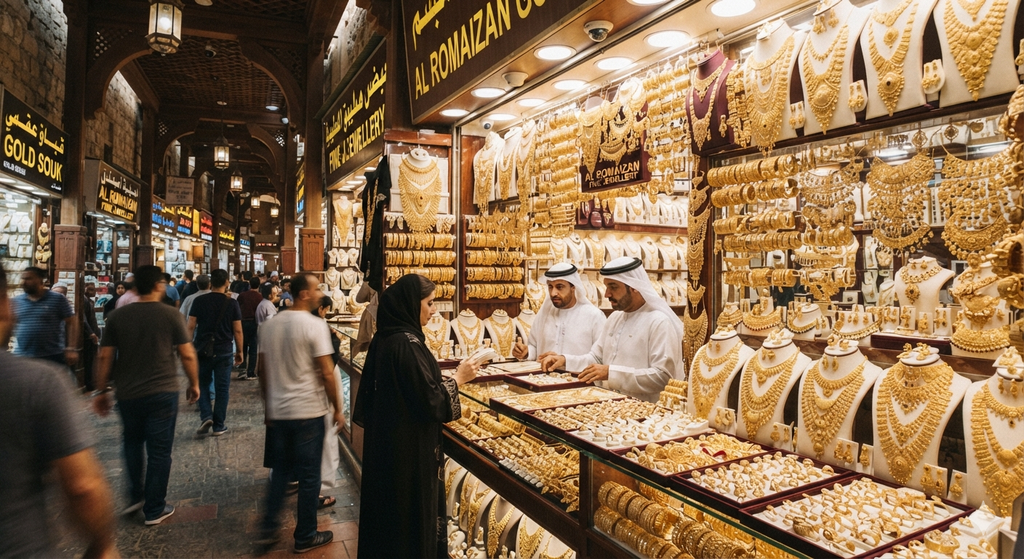
Dubai’s original commercial center feels like stepping into a different city. Narrow alleyways lead to the Gold Souk, Spice Souk, and countless textile shops. The abra (wooden boat) crossing Dubai Creek costs just AED 1 and delivers you to the vibrant textile and spice markets on the other side. Negotiate everything—you’ll insult nobody by trying.
Al Fahidi Historical Neighbourhood
The old Dubai neighborhood preserves wind-tower architecture from before the oil boom. Coffee museums, art galleries, and traditional Emirati houses line car-free streets. The Sheikh Mohammed Centre for Cultural Understanding offers breakfast tours where you can ask locals anything about Emirati culture without judgment.
Dubai Marina: Modern Beach Life
The Marina district showcases Dubai’s beach lifestyle. The Walk at JBR offers outdoor dining, street performers, and direct beach access. Thursday and Friday nights draw crowds for the weekend vibes. Free public beaches in the area provide excellent swimming without resort fees.
Food in Dubai: Budget to Blowout
Dubai’s food scene reflects its international population. Street food costs AED 10-30 per meal. Local favorites include:
- Shawarma: AED 8-15, available everywhere, best from local shawarma shops
- Falafel: AED 5-10, often served with hummus and fresh-baked bread
- Karak chai: AED 3-8, milky tea with cardamom found at roadside stalls
- Biryani: AED 20-40, excellent South Asian options in Deira and Karama
Fine dining exists in abundance—Dinner at a Michelin-star restaurant like Ossiano runs AED 600-1200—but the city’s real food story happens at mid-range restaurants where AED 50-100 gets you exceptional meals representing every cuisine on earth.
Expert Tips for Dubai Travelers
- Book attractions online: Tickets for Burj Khalifa, Aquaventure, and other major attractions cost 15-25% less when booked digitally in advance.
- Use comparison apps: Sites like Headout and GetYourGuide frequently offer bundle deals that beat walk-up prices.
- Carry cash: Many local restaurants, markets, and smaller shops don’t accept cards. AED 200-300 in cash daily covers incidentals.
- Visit on Fridays: Friday brunch culture means special deals at hotels, and many attractions offer discounted entry.
- Download offline maps: Internet costs add up quickly. Download Google Maps of Dubai before your trip for offline navigation.
Key Takeaways
- Dubai works on any budget—plan ahead and accommodation/activity costs drop dramatically
- November-March offers the best weather but book early and expect higher prices
- The contrast between ultra-modern attractions and traditional souks defines Dubai’s appeal
- Desert experiences are essential—don’t limit yourself to just a safari
- Dress conservatively in public areas and respect local customs during Ramadan
- The Dubai Metro covers most tourist areas efficiently and cheaply
- Old Dubai neighborhoods reveal the authentic cultural fabric the city was built on
Is Dubai expensive for tourists?
Dubai can be expensive, but it’s more accurate to say it accommodates all budgets. Luxury experiences cost global top-tier prices, but street food, public transport, and free attractions like beaches and fountain shows make budget travel viable. The key is planning—spontaneous luxury purchases inflate costs dramatically.
How many days do you need in Dubai?
Three days covers Dubai highlights adequately—mix downtown attractions with desert time and either old Dubai or beach areas. A week allows deeper exploration, including day trips to Abu Dhabi, Fujairah, or Hatta mountains. Weekend trips work if you focus on specific neighborhoods.
Do you need a visa for Dubai?
Citizens of 87 countries receive free 30-90 day visas on arrival. GCC residents and US/UK passport holders receive extended visa-free periods. Check current visa requirements for your specific nationality before booking flights.
What should female travelers know about Dubai?
Dubai is remarkably safe for women traveling alone. Street harassment is virtually non-existent compared to other global cities. Dress modestly in public areas, use standard precautions you’d apply anywhere, and you’ll find Emirati locals helpful and respectful. Many upscale restaurants and hotels have women-only sections or hours, which are optional to use.
Can you drink alcohol in Dubai?
Alcohol is available in licensed hotels, bars, and restaurants throughout Dubai. Expect to pay Western prices—beer starts around AED 40. Drinking in public or being visibly intoxicated is illegal and strictly enforced. Non-Muslim residents can obtain alcohol permits; tourists can consume at licensed venues freely.
Dubai transforms depending on when and how you visit. The city that shocks first-time visitors with its excess reveals different layers on repeat visits—deeper culture in old neighborhoods, quieter moments in the desert, local hangouts that don’t appear in glossy brochures. Start with this Dubai travel guide as your foundation, then let the city surprise you with its contradictions. That’s where the real Dubai lives.