How to Build Confidence Through Solo Travel

Ever notice how some people just seem to glide through life with unshakable self-assurance? While it might seem innate, confidence is often built through experience, and one of the most impactful ways to do that is through solo travel. If you are wondering how to build confidence through solo travel, this comprehensive guide provides practical tips and insights to help you embark on your journey to self-discovery and empowerment.
Why Solo Travel is a Confidence-Building Powerhouse
Solo travel isn’t just about seeing new places; it’s about pushing your boundaries and proving to yourself that you can handle anything life throws your way. It forces you to rely on your instincts, make quick decisions, and navigate unfamiliar situations, all of which contribute to a stronger sense of self.
- Increased Self-Reliance: When you’re alone, you’re responsible for everything – from booking accommodations to figuring out transportation. This independence fosters a ‘can-do’ attitude.
- Enhanced Problem-Solving Skills: Missed a train? Got lost in a foreign city? Solo travel throws curveballs that require you to think on your feet and find solutions.
- Deeper Self-Awareness: Without the distractions of familiar company, you have more time to reflect on your thoughts, feelings, and goals.
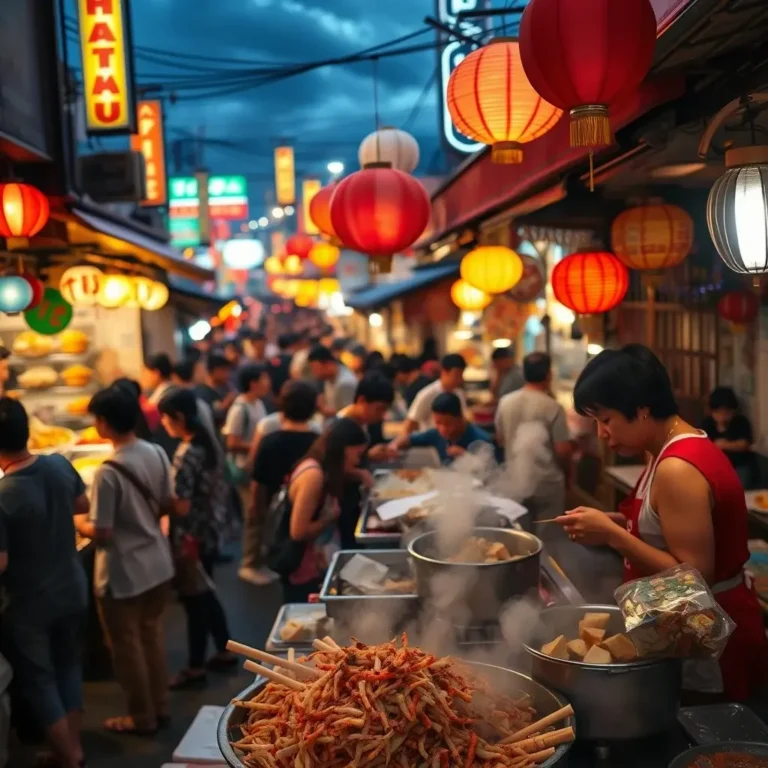
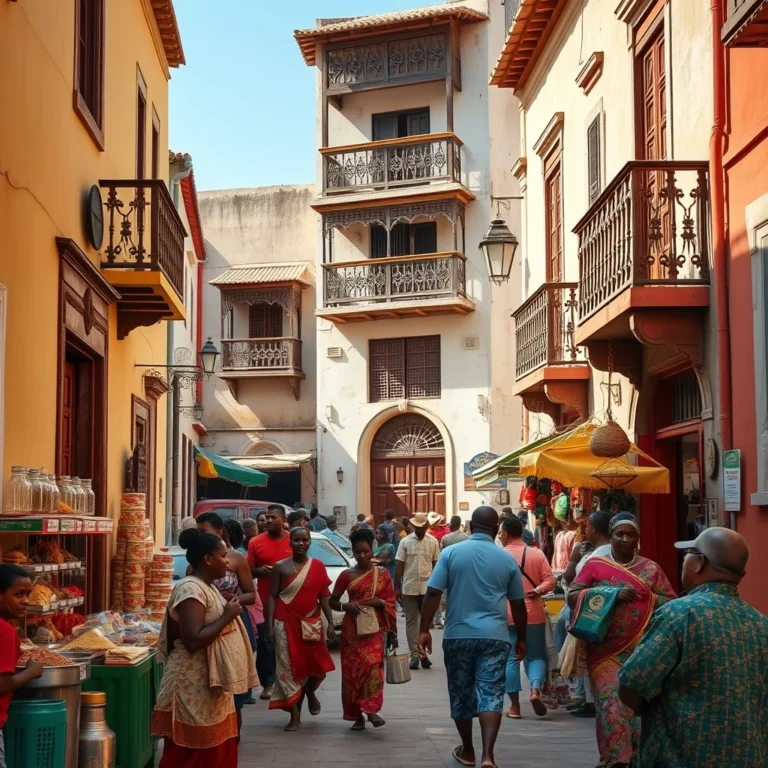
- Breaking Free from Comfort Zones: Trying new foods, speaking a different language (even poorly!), and navigating unfamiliar cultures stretches your comfort zone and builds resilience.
- Sense of Accomplishment: Successfully completing a solo trip, no matter how big or small, leaves you with an undeniable sense of pride and accomplishment.
Practical Steps: How to Build Confidence Through Solo Travel
Okay, so you’re sold on the idea of solo travel as a confidence booster. But where do you start? Here’s a step-by-step guide to help you plan your trip and maximize its impact on your self-assurance:
1. Start Small: Baby Steps to Big Adventures
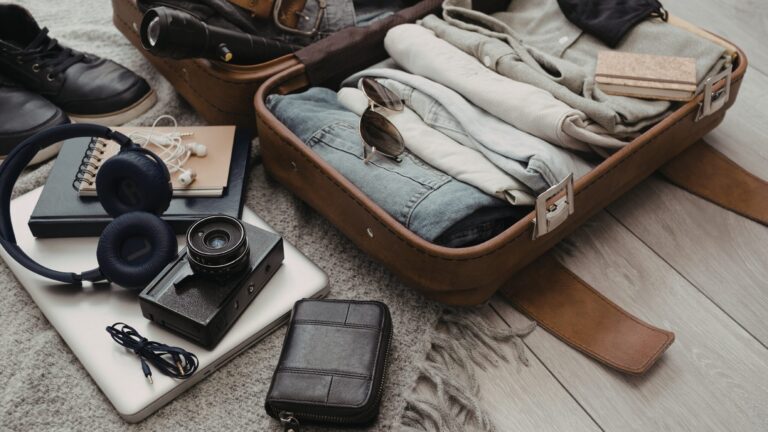
Don’t feel pressured to book a month-long backpacking trip across Southeast Asia for your first solo adventure. Start with something manageable, like a weekend getaway to a nearby city or a solo camping trip. The goal is to gradually build your comfort level and confidence.
2. Choose Your Destination Wisely
Consider your interests, budget, and comfort level when selecting your destination. If you’re nervous about traveling alone, opt for a location with a well-established tourism infrastructure and a reputation for safety. Places like Iceland, Switzerland, or even smaller cities in Europe can be great starting points.
3. Plan, Plan, Plan (But Leave Room for Spontaneity)
Research your destination thoroughly, book your accommodations and transportation in advance, and create a detailed itinerary. However, don’t be afraid to deviate from your plan if something interesting comes up. Spontaneity can lead to some of the most memorable travel experiences.
4. Embrace the Unknown
One of the biggest confidence killers is fear of the unknown. Before you go, research common phrases in the local language, familiarize yourself with the local customs, and learn about potential scams. The more prepared you are, the less anxious you’ll feel.
5. Challenge Yourself Daily
Set small daily goals that push you outside of your comfort zone. This could be anything from striking up a conversation with a local to trying a new activity or navigating public transportation on your own. Each small victory will contribute to your overall confidence.
6. Document Your Journey
Keep a travel journal, take photos, or create videos to document your solo adventures. Reflecting on your experiences can help you appreciate how far you’ve come and reinforce your newfound confidence. Plus, you’ll have amazing memories to cherish for years to come.
7. Connect with Other Travelers
Solo travel doesn’t have to mean being completely isolated. Join online travel communities, attend local events, or strike up conversations with other travelers you meet along the way. Sharing your experiences with others can provide valuable support and encouragement.
8. Celebrate Your Successes
Acknowledge and celebrate your accomplishments, no matter how small. Did you successfully navigate a foreign train station? Did you try a new food that you were initially hesitant about? Give yourself credit for your efforts and recognize how much you’ve grown.
The Mental Game: Overcoming Fear and Self-Doubt
Building confidence through solo travel is not just about practical skills; it’s also about mastering the mental game. Here are some strategies for overcoming fear and self-doubt:
Acknowledge Your Fears
It’s normal to feel nervous or scared when traveling alone, especially for the first time. Acknowledge your fears without letting them control you. Remind yourself that you are capable and resilient.
Challenge Negative Thoughts
Pay attention to your inner dialogue and challenge any negative thoughts or self-limiting beliefs. Replace them with positive affirmations and reminders of your strengths. For example, instead of thinking, “I’ll never figure out this subway system,” try reframing it as, “This is a puzzle I can solve — and I’ve solved harder ones before.”
Visualize Success
Before a daunting moment — a solo dinner, a border crossing, an overnight bus — take a minute to picture yourself handling it calmly and confidently. Visualization primes your brain to expect success rather than catastrophe, making the real moment feel more familiar when it arrives.
Practice Self-Compassion
You will make mistakes, take wrong turns, and occasionally feel foolish. Treat yourself the way you’d treat a friend in the same situation — with patience and understanding, not harsh judgment. Self-compassion keeps small setbacks from snowballing into a loss of confidence.
Focus on What You Can Control
You can’t control flight delays, weather, or a rude stranger, but you can control how you prepare and how you respond. Shifting your energy toward your own actions — rather than external circumstances — keeps you feeling capable instead of powerless.
Pro Tips for Maximizing Confidence Gains
- Say yes to one uncomfortable thing per trip: Whether it’s ordering in the local language or joining a group activity alone, seek out at least one moment that stretches you.
- Travel with a “worst-case plan,” not just a itinerary: Knowing exactly what you’d do if you missed a bus or lost your phone removes a lot of anxiety before it even starts.
- Give yourself buffer time: Rushing amplifies stress and undermines confidence. Build in extra time so small hiccups don’t feel like emergencies.
- Revisit a past win when you’re nervous: Recall a time you handled something difficult — on this trip or in daily life — as proof that you’re more capable than your nerves are telling you.
- Set process goals, not perfection goals: Aim to “try three new foods” or “have one local conversation,” not to have a flawless trip. Confidence comes from showing up, not from getting everything right.
Key Takeaways
- Solo travel builds confidence by forcing self-reliance, sharpening problem-solving skills, and pushing you outside your comfort zone.
- Starting small — a weekend trip or a safe, well-established destination — makes the process approachable rather than overwhelming.
- Daily small challenges and documenting your progress help you notice and internalize your growth.
- Managing fear and self-doubt is just as important as the practical logistics of the trip.
- Confidence comes from consistently showing up for small challenges, not from having a perfect trip.
Frequently Asked Questions
Can solo travel really build lasting confidence, or is it just a temporary boost?
The confidence gained from solo travel tends to last because it’s built on real evidence — you proved to yourself that you could handle unfamiliar situations. That evidence carries into everyday life long after the trip ends.
What’s the best first solo trip for someone who’s nervous?
A short trip (a weekend or a few days) to a destination with strong tourism infrastructure and a reputation for safety — such as a smaller European city or a well-connected destination like Iceland — is a great low-pressure starting point.
How do I deal with fear before my first solo trip?
Preparation is the antidote to fear: research your destination, learn a few local phrases, and have a basic plan for common hiccups. Acknowledging the fear rather than suppressing it also makes it easier to manage.
Is it normal to feel lonely while traveling solo?
Yes, it’s common, especially early on. Joining travel communities, attending local events, and striking up conversations with fellow travelers can ease the feeling without giving up the benefits of traveling alone.
How can I track my confidence growth during a trip?
Keeping a travel journal or noting small wins each day — a new food tried, a conversation had, a challenge overcome — gives you a tangible record to look back on and recognize how much you’ve grown.
Confidence isn’t something you’re simply born with — it’s built one small, brave decision at a time. Every solo trip, no matter how short or nearby, is a chance to prove to yourself exactly what you’re capable of. So take that first step, however small it feels, and let the journey do the rest.