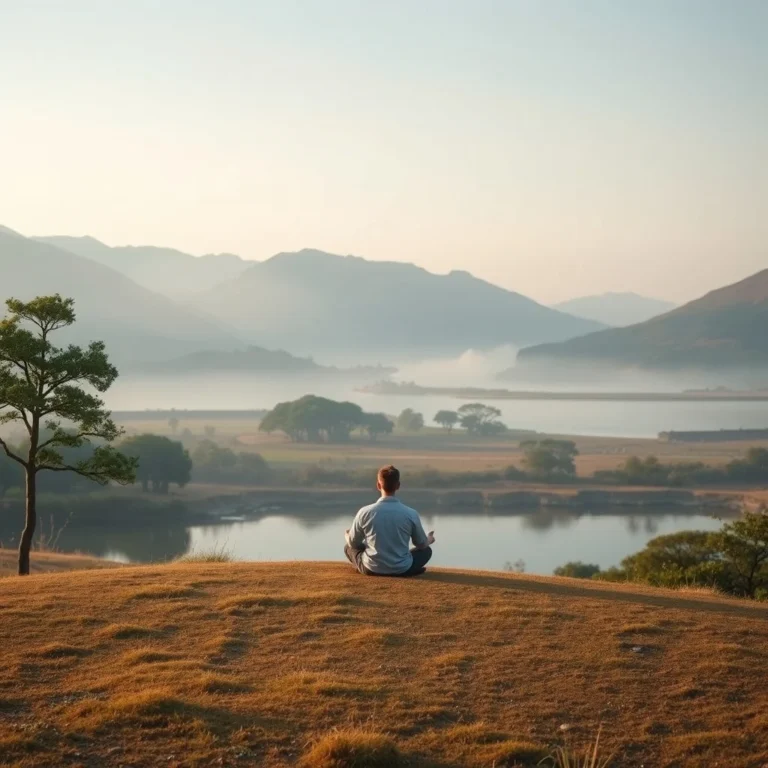
The Magic of Getting Lost While Traveling

Ever feel like your meticulously planned itinerary is suffocating the joy out of your trip? Sometimes, the best travel experiences happen when you ditch the guidebook and embrace the unknown. Getting lost while traveling can be surprisingly magical, offering unexpected adventures and a deeper connection with your destination. This guide explores why and how to embrace the art of wandering, turning potential travel mishaps into unforgettable memories.
The Unexpected Benefits of Getting Lost While Traveling
We’re not talking about being dangerously lost, stranded without resources. We’re talking about intentionally setting aside time to wander without a rigid plan, to explore side streets, and to let curiosity guide your steps. Here’s why that can be so beneficial:
- Discover Hidden Gems: Tourist traps are well-marked, but true cultural treasures often lie off the beaten path. Getting lost allows you to stumble upon local markets, charming cafes, and quirky shops you wouldn’t find otherwise.
- Embrace Serendipity: Some of the best travel moments are unplanned. Maybe you’ll encounter a street performer, strike up a conversation with a local artisan, or witness a spontaneous celebration. These are the moments that truly make a trip memorable.
- Challenge Yourself: Navigating unfamiliar territory builds confidence and resilience. Figuring out how to ask for directions (even with a language barrier) or deciphering a local map is a rewarding challenge.
- Deepen Your Connection: When you’re not rushing from one checklist item to the next, you have more time to observe your surroundings and truly absorb the atmosphere of a place.

How to Get Lost (Safely and Intentionally)
The key is to be prepared and mindful. Here’s a practical approach to getting lost while traveling:
Set Boundaries
Before you start wandering, establish a clear timeframe and geographical limit. Know when you need to turn back and have a general idea of the area’s boundaries. For example, decide you’ll only wander for two hours within a 1-mile radius of your hotel.
Download Offline Maps
Even if you plan to disconnect, having offline maps on your phone is crucial for safety. Apps like Google Maps and Maps.me allow you to download maps for offline use, so you can always find your way back, even without internet access.
Inform Someone of Your Plans
Let someone know your general route and when you expect to be back. This is especially important if you’re traveling solo.
Carry Essentials
Always have some cash, a fully charged phone, and a portable charger. A basic first-aid kit and a bottle of water are also good ideas.
Embrace the Unknown
Resist the urge to constantly check your phone. Put it away and focus on your surroundings. Let your curiosity guide you. Turn down that interesting-looking side street. Follow the sound of music.
Talk to Locals
Locals are a wealth of information and can offer recommendations you won’t find in any guidebook. Don’t be afraid to strike up a conversation. Ask for directions to a good coffee shop or a local market. You might be surprised by what you discover.
Best Destinations for Embracing the Art of Wandering
Some cities are simply more conducive to getting lost than others. Here are a few suggestions:
- Venice, Italy: With its labyrinthine canals and narrow alleyways, Venice is a masterclass in getting wonderfully lost.
- Marrakech, Morocco: The bustling souks of Marrakech are a sensory overload, perfect for wandering and discovering hidden treasures.
- Kyoto, Japan: Escape the modern city and get lost in the serene gardens and traditional neighborhoods of Kyoto.
- Hoi An, Vietnam: The ancient town of Hoi An is a charming maze of colorful buildings and tailor shops, ideal for aimless exploration.
- Buenos Aires, Argentina: Explore the vibrant neighborhoods of Buenos Aires, each with its own unique character and hidden gems.

Potential Challenges (and How to Overcome Them)
Getting lost isn’t always sunshine and rainbows. Here are a few potential downsides and how to mitigate them:
- Feeling Anxious: It’s natural to feel anxious when you’re unsure of your location. Take a deep breath, consult your offline map, and remember that getting lost is part of the adventure.
- Language Barriers: Communication can be tricky in unfamiliar places. Learn a few basic phrases in the local language and don’t be afraid to use gestures or drawing to communicate.
- Safety Concerns: Be aware of your surroundings and avoid wandering into unsafe areas, especially at night. Trust your instincts and don’t hesitate to ask for help if you feel uncomfortable.
- Wasting Time: It’s possible to get so lost that you miss out on planned activities. Set time limits and be mindful of the clock.
Pro Tips for a Successful “Lost” Adventure
- Dress Comfortably: Wear shoes that are comfortable for walking, as you’ll likely be on your feet for hours.
- Bring a Phrasebook: A small phrasebook can be invaluable for communicating with locals.
- Learn Basic Directions: Familiarize yourself with common directional terms in the local language (left, right, straight, etc.).
- Be Open to New Experiences: Embrace the unexpected and be willing to try new things.
- Document Your Adventures: Take photos and jot down notes about your experiences. You’ll want to remember those hidden gems you discovered.
Estimated Costs
The cost of getting lost is minimal, mainly involving transportation if you need a taxi or bus to get back to your starting point. Budget around $10-$30 for potential transportation costs. Food and drink expenses depend on your choices, but aim for $20-$50 for the day if you plan to stop at local cafes or markets.
Best Time to Visit
The best time to visit depends on the destination. Generally, shoulder seasons (spring and fall) offer pleasant weather and fewer crowds. Avoid peak tourist seasons, as popular areas can become overwhelming and detract from the experience of getting lost.
Expert Tips
- Talk to Hospitality Staff: Hotel staff, Airbnb hosts, and even cafe workers can provide invaluable local tips and insights.
- Look for Free Walking Tours: These tours often take you to hidden gems and off-the-beaten-path locations.
- Use Public Transportation: Exploring a city by bus or tram can lead you to unexpected neighborhoods and discoveries.
Key Takeaways
- Getting lost while traveling can lead to unexpected adventures and deeper connections.
- Plan strategically, set boundaries, and prioritize safety.
- Embrace the unknown and be open to new experiences.
- Talk to locals and ask for recommendations.
- Document your adventures and cherish the memories.
FAQ About Embracing the Unknown
Is it safe to get lost while traveling solo?
Yes, but take extra precautions. Inform someone of your plans, carry essentials, and be aware of your surroundings. Avoid wandering into unsafe areas, especially at night.
What if I get completely disoriented?
Don’t panic. Consult your offline map, ask for directions, or find a safe place to sit down and regroup. If you’re truly lost, consider taking a taxi back to your starting point.
How can I overcome the fear of getting lost?
Start small. Choose a familiar area and gradually expand your comfort zone. Remember that getting lost is part of the adventure, and you’ll likely discover something new along the way.
What are the best apps for navigating when getting lost?
Google Maps and Maps.me are excellent options for offline maps. Citymapper can also be helpful for navigating public transportation.
How can I ensure I still see the main attractions even when prioritizing getting lost?
Dedicate specific days or times for seeing the main attractions. Use your