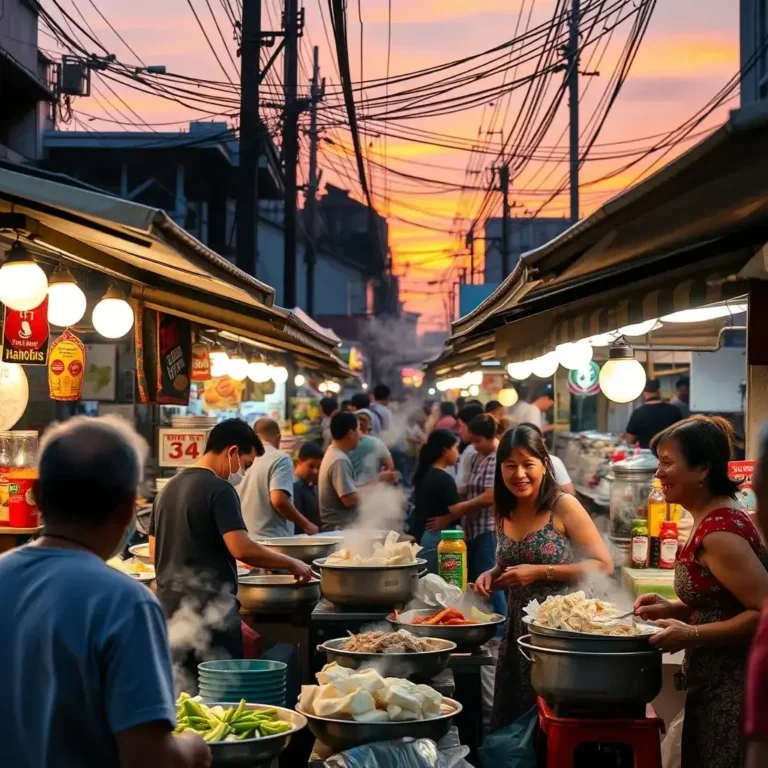
The Hidden Meaning Behind Traditional Asian Dishes
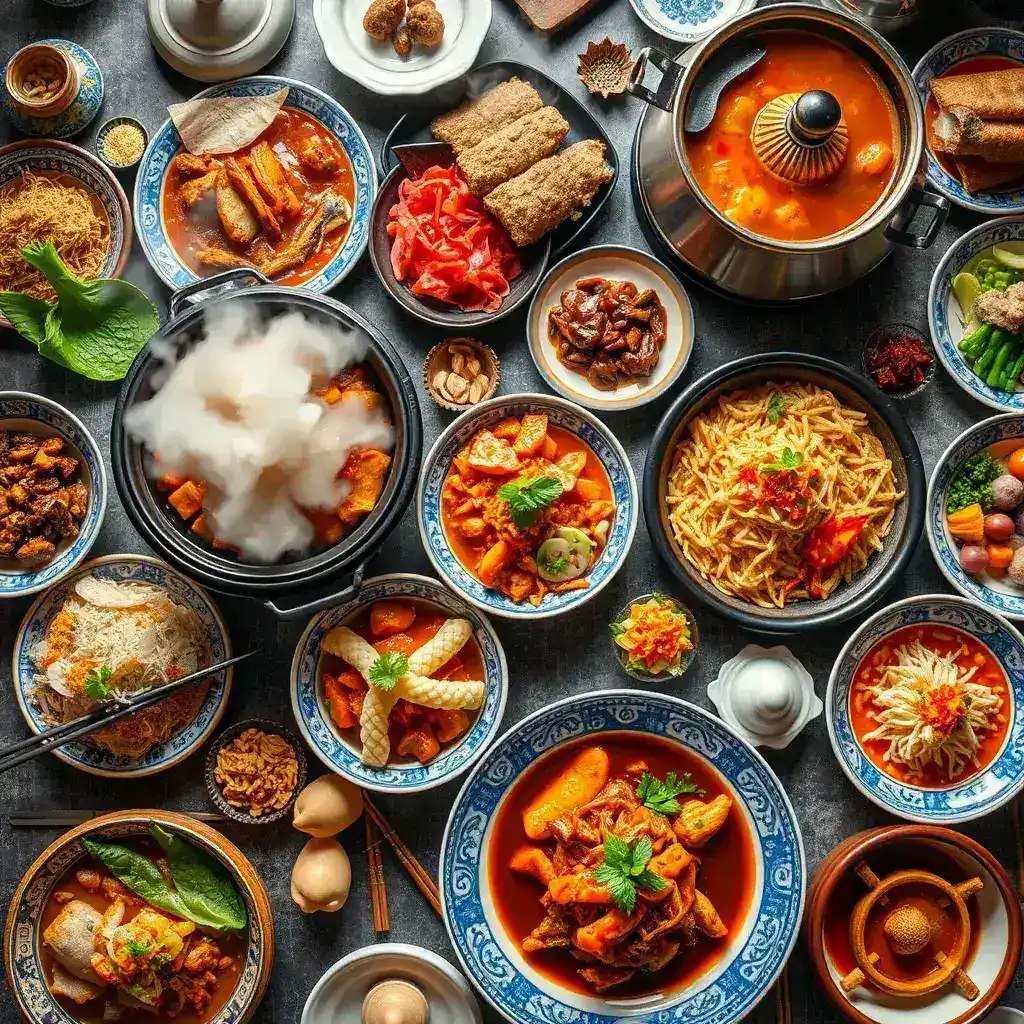
Ever wonder why certain foods are served during specific holidays in Asia, or why some dishes are prepared in a particular way? The answer often lies deeper than just taste. The hidden meaning behind traditional Asian dishes is a rich tapestry woven with cultural significance, symbolism, and history. Understanding these culinary traditions offers a fascinating glimpse into the heart of Asian societies.
Unveiling the Cultural Significance
Food in Asia is rarely just about sustenance. It’s a powerful medium for expressing beliefs, values, and social connections. Many dishes are deeply rooted in folklore, religious practices, and ancestral customs. Let’s explore some examples:
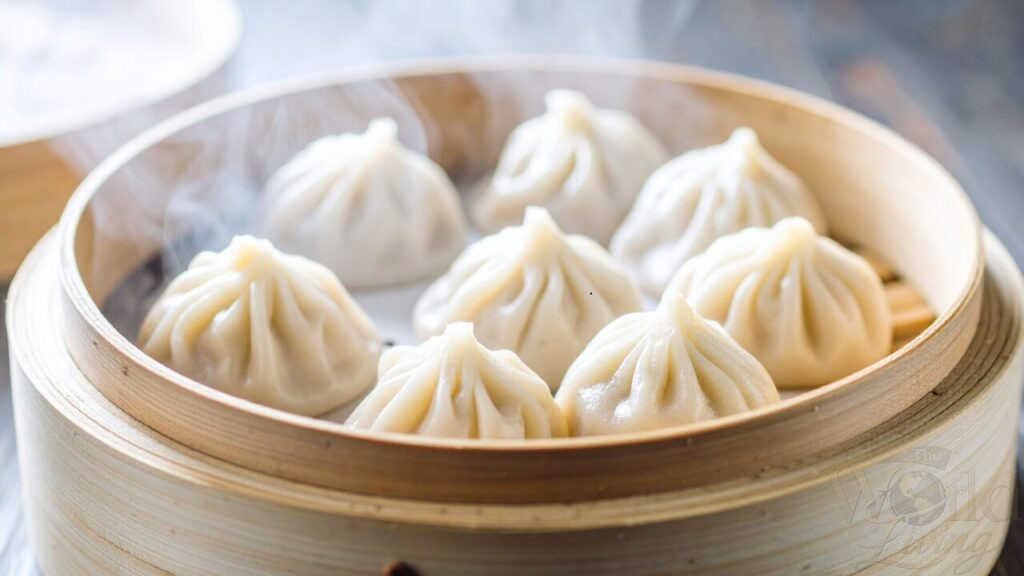
- Dumplings (China): Shaped like ancient Chinese money, dumplings symbolize wealth and prosperity. They are a staple during Chinese New Year, representing the hope for a prosperous year ahead.
- Tteokguk (Korea): This rice cake soup is traditionally eaten on Korean New Year (Seollal). The white color of the rice cakes symbolizes purity and a fresh start. Eating a bowl of tteokguk signifies gaining another year of age.
- Mochi (Japan): These pounded rice cakes are associated with good fortune and are often consumed during Japanese New Year (Shogatsu). Their sticky texture is believed to represent strong family bonds.
Symbolism in Ingredients
Even the ingredients themselves can carry symbolic weight. Certain colors, textures, and flavors are associated with specific meanings. For example:
- Red (China, Korea): Represents good luck, happiness, and prosperity. Red-colored foods are often served during celebrations.
- Long Noodles (China): Symbolize longevity. Cutting them is considered bad luck, so they are eaten whole.
- Fish (Various cultures): Often represents abundance and prosperity, especially when served whole.
Regional Variations and Their Stories
The meaning behind traditional Asian dishes can vary significantly from region to region, even within the same country. Each variation carries its own unique story and reflects the specific cultural nuances of that area. Here are a couple of examples:
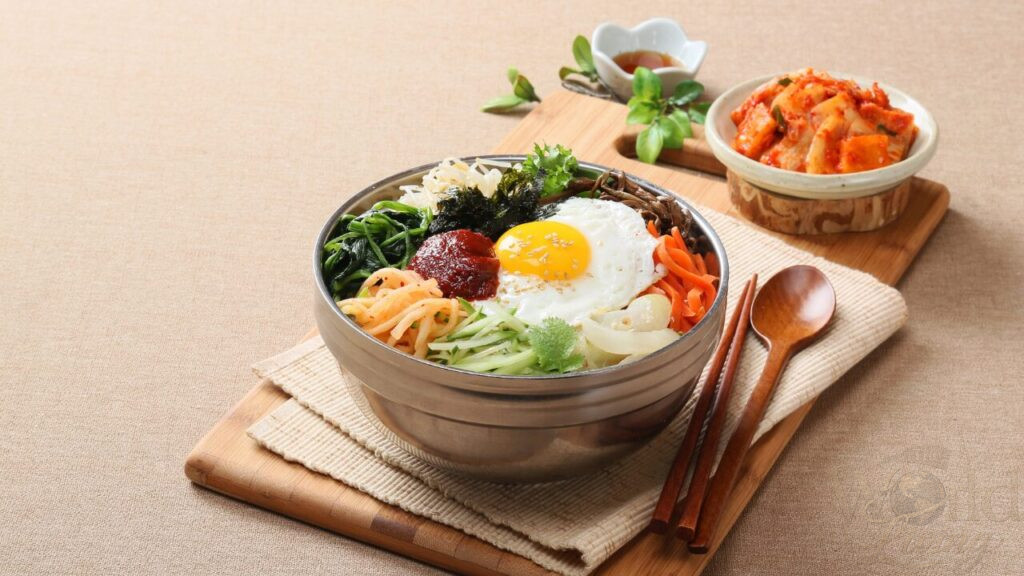
- Bibimbap (Korea): While the core concept of mixed rice with vegetables and meat remains consistent, the ingredients and preparation methods can differ greatly depending on the region. Jeonju Bibimbap, for instance, is famous for its use of brass bowls and high-quality ingredients.
- Laksa (Southeast Asia): This spicy noodle soup comes in numerous variations, each with its own distinct flavor profile. From the coconut milk-based Curry Laksa of Malaysia to the tangy Assam Laksa of Penang, each rendition tells a story of local ingredients and culinary traditions.
The Role of Food in Celebrations and Rituals
Food plays a central role in many Asian celebrations and rituals. Specific dishes are prepared and shared during festivals, ceremonies, and family gatherings. These culinary traditions help to reinforce cultural identity and strengthen social bonds.
Festivals and Special Occasions
Many Asian festivals are closely tied to specific foods. During the Mid-Autumn Festival in China, mooncakes are enjoyed as a symbol of family reunion and completeness. In India, Diwali is celebrated with a dazzling array of sweets and savory snacks.
Religious and Ancestral Offerings
Food is often offered to deities and ancestors as a sign of respect and gratitude. In many Buddhist and Hindu cultures, vegetarian dishes are commonly used for religious offerings. The preparation and presentation of these offerings are often steeped in tradition and symbolism.
Modern Interpretations and Preservation Efforts
While many traditional Asian dishes have remained relatively unchanged over time, some have been adapted to suit modern tastes and lifestyles. Chefs are experimenting with new ingredients and techniques while still honoring the cultural significance of these dishes. There are also ongoing efforts to preserve these culinary traditions for future generations.
The Influence of Globalization
Globalization has had a significant impact on Asian cuisine. The availability of new ingredients and culinary techniques has led to the creation of fusion dishes that blend traditional flavors with modern influences. While some purists may frown upon these adaptations, they can also help to introduce Asian cuisine to a wider audience.
Preserving Culinary Heritage
Many organizations and individuals are working to preserve Asian culinary heritage. This includes documenting traditional recipes, promoting sustainable farming practices, and supporting local food producers. By preserving these traditions, we can ensure that the hidden meaning behind traditional Asian dishes continues to be understood and appreciated.
Pro Tips for Experiencing Authentic Asian Cuisine
- Visit local markets: Explore the vibrant atmosphere of local markets and discover unique ingredients and regional specialties.
- Dine at family-run restaurants: These establishments often serve authentic dishes prepared using traditional methods.
- Attend cooking classes: Learn how to prepare traditional Asian dishes and gain a deeper understanding of their cultural significance.
- Ask locals for recommendations: Don’t be afraid to ask locals for their favorite dishes and restaurants.
Estimated Costs
The cost of experiencing authentic Asian cuisine can vary depending on the country and region you visit. Street food is generally the most affordable option, while dining at upscale restaurants can be more expensive. Here’s a general guideline:
- Street food: $5-15 per day
- Mid-range restaurants: $20-50 per day
- Upscale restaurants: $50+ per day
Best Time to Visit
The best time to visit Asia for culinary adventures depends on the region you plan to explore. Generally, the shoulder seasons (spring and fall) offer pleasant weather and fewer crowds. Consider the specific festivals and events that you’re interested in attending, as these often feature unique culinary traditions.
Expert Tips
- Be adventurous: Don’t be afraid to try new and unfamiliar foods.
- Respect local customs: Be mindful of local dining etiquette and traditions.
- Learn a few basic phrases: Knowing how to say “thank you” and “delicious” in the local language can go a long way.
- Stay hydrated: Drink plenty of water, especially when eating spicy food.
FAQ
Why is food so important in Asian culture?
Food is more than just sustenance in Asian culture; it’s intertwined with traditions, celebrations, and social connections, serving as a powerful medium for expressing values and beliefs.
What are some common symbolic ingredients in Asian cuisine?
Common symbolic ingredients include long noodles (longevity), red-colored foods (good luck), and fish (abundance).
How has globalization affected traditional Asian dishes?
Globalization has introduced new ingredients and techniques, leading to fusion dishes that blend traditional flavors with modern influences, sometimes altering the hidden meaning behind traditional Asian dishes.
How can I experience authentic Asian cuisine?
Visit local markets, dine at family-run restaurants, attend cooking classes, and ask locals for recommendations to immerse yourself in authentic Asian culinary experiences.
What is the best time to visit Asia for food lovers?
The shoulder seasons (spring and fall) generally offer pleasant weather and fewer crowds, but consider specific festivals and events for unique culinary traditions.
Key Takeaways
- Food in Asia is deeply rooted in culture and symbolism.
- Specific dishes are associated with festivals, celebrations, and rituals.
- Regional variations reflect the unique culinary traditions of each area.
- Globalization has influenced Asian cuisine, leading to fusion dishes.
- Preservation efforts are underway to protect Asian culinary heritage.
Exploring the hidden meaning behind traditional Asian dishes provides a deeper appreciation for the rich cultural heritage of the continent. From symbolic ingredients to time-honored traditions, each dish tells a story that connects us to the past and enriches our understanding of the present. So, the next time you savor a bowl of ramen or a plate of kimchi, remember that you’re experiencing more than just a meal – you’re partaking in a cultural legacy.