The Ultimate Guide to Experiencing Culture Through Food

Ever feel like you’re just scratching the surface when you travel? Many tourists see landmarks, but miss the heart of a place. The secret? Experiencing culture through food. It’s a way to connect with locals, understand history, and truly taste a destination. This guide will show you exactly how to do it.
Why Food is Your Passport to Culture
Food isn’t just sustenance; it’s a story. Every dish, every ingredient, tells a tale of a region’s history, traditions, and people. Think about it: pasta in Italy, kimchi in Korea, or tagine in Morocco. These aren’t just meals; they’re cultural cornerstones.
- History on a Plate: Traditional recipes often date back centuries, reflecting historical events and migrations.
- Community Connection: Food is often prepared and enjoyed communally, strengthening social bonds.
- Environmental Adaptation: Local ingredients reflect the climate and geography of a region, showcasing how people have adapted to their environment.
The Power of Authentic Food Experiences
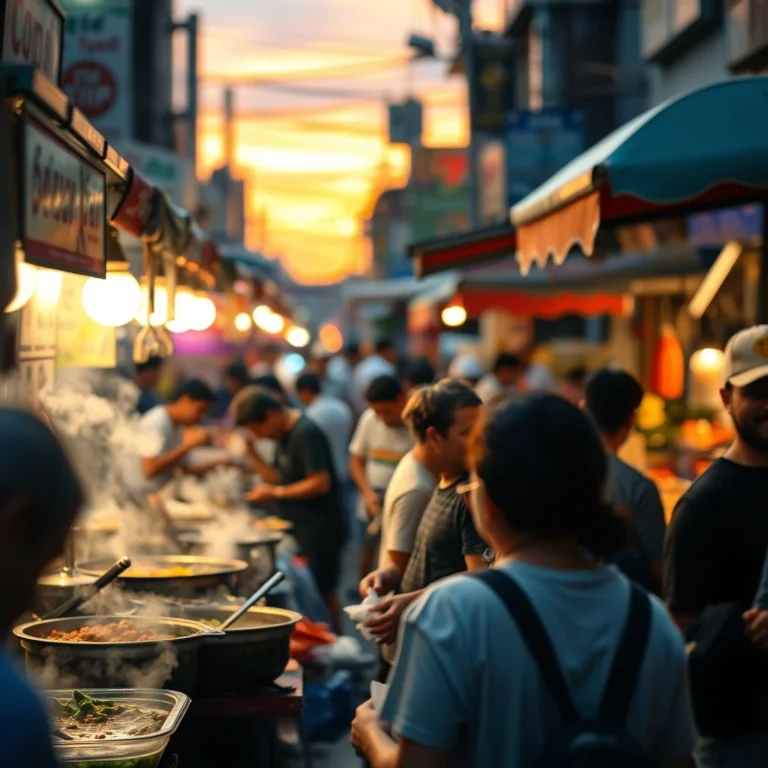
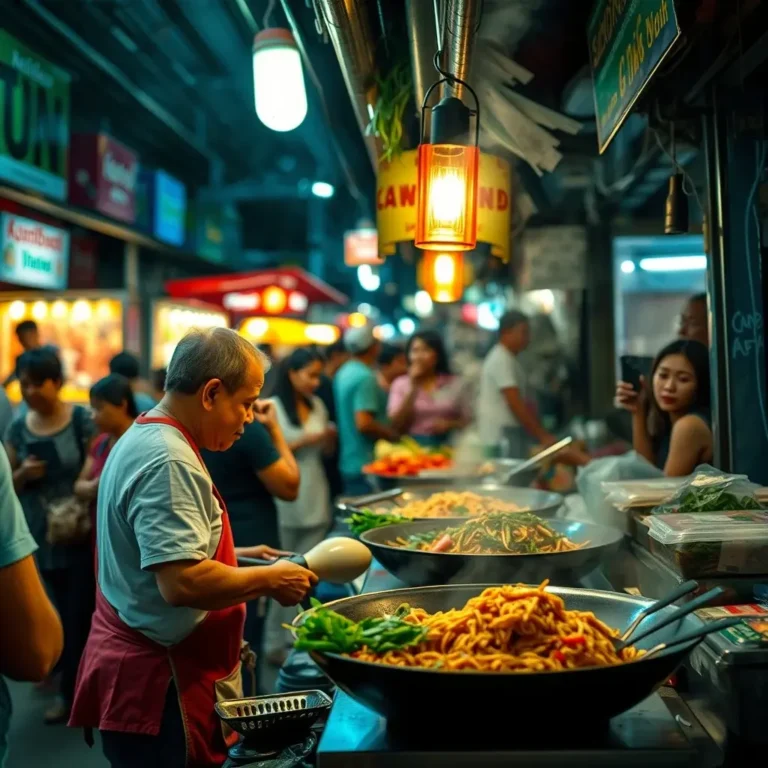
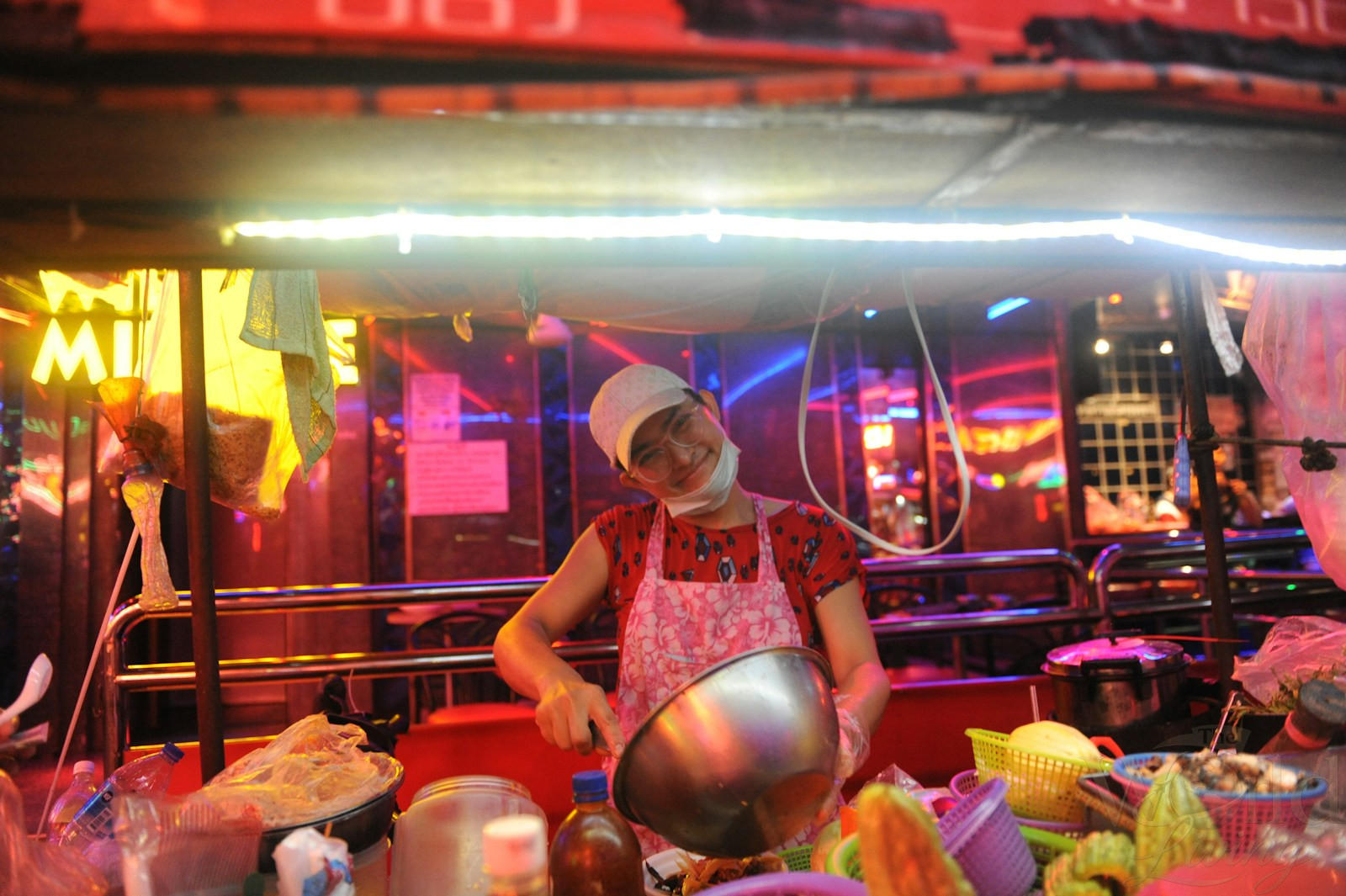
Forget tourist traps! Authentic food experiences go beyond fancy restaurants. Think street food stalls, local markets, and cooking classes with grandmothers who’ve been making the same dish for 50 years. These are the places where you’ll truly experience culture through food. They offer a genuine taste of a place, unfiltered and unpretentious.
How to Find Authentic Food Experiences
Finding these hidden gems takes a bit of effort, but it’s worth it. Here’s how to ditch the tourist menus and discover the real flavors of a destination:
- Talk to Locals: Ask your hotel staff, taxi drivers, or shopkeepers for their favorite local spots.
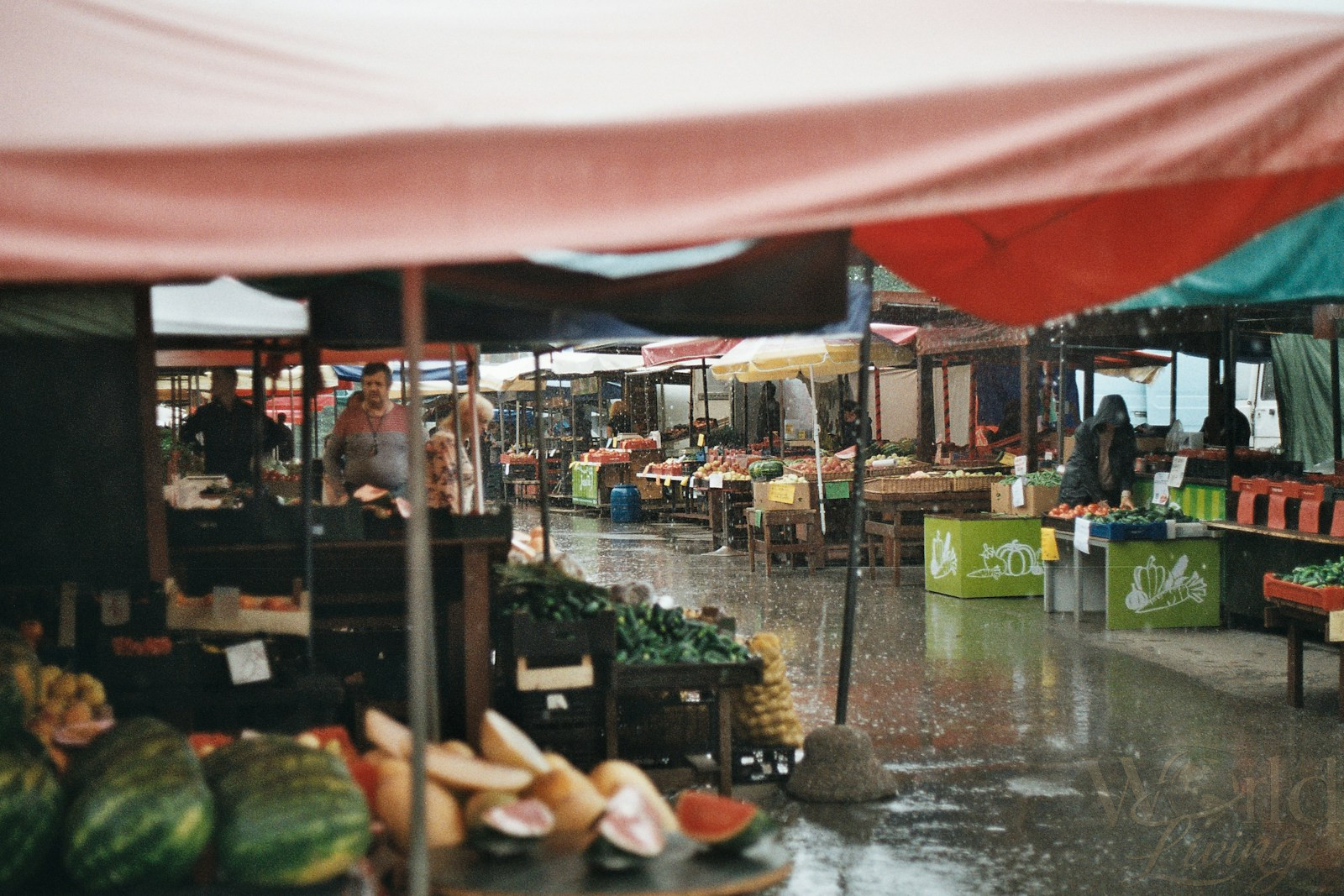
- Explore Local Markets: Wander through bustling markets, sample local produce, and chat with vendors.
- Take a Cooking Class: Learn to prepare traditional dishes with a local chef or family.
- Go on a Food Tour: Join a guided tour that focuses on authentic food experiences.
- Read Local Blogs and Reviews: Look for blogs and reviews written by locals, not just tourists.
Best Times to Visit for Food Festivals
Timing is everything! Research local food festivals and plan your trip around them. These festivals are a celebration of local cuisine and culture, offering a unique opportunity to sample a wide variety of dishes and experience local traditions. For example, consider visiting:
- Oktoberfest in Germany: Celebrates Bavarian beer and food.
- Dia de los Muertos in Mexico: Features traditional foods like pan de muerto.
- Mid-Autumn Festival in Asia: Celebrates the harvest season with mooncakes.
Must-Try Culinary Experiences Around the World
Need some inspiration? Here are a few culinary experiences that offer a deep dive into local culture:
- Italy: Take a pasta-making class in Bologna or visit a Parmigiano-Reggiano cheese factory.
- Japan: Participate in a traditional tea ceremony or explore the Tsukiji Outer Market in Tokyo.
- Morocco: Learn to cook tagine in a riad in Marrakesh or explore the spice markets of Fez.
- Thailand: Take a street food tour in Bangkok or learn to make green curry in Chiang Mai.
- Mexico: Visit a tequila distillery in Jalisco or learn to make mole in Oaxaca.

Estimated Costs for Culinary Travel
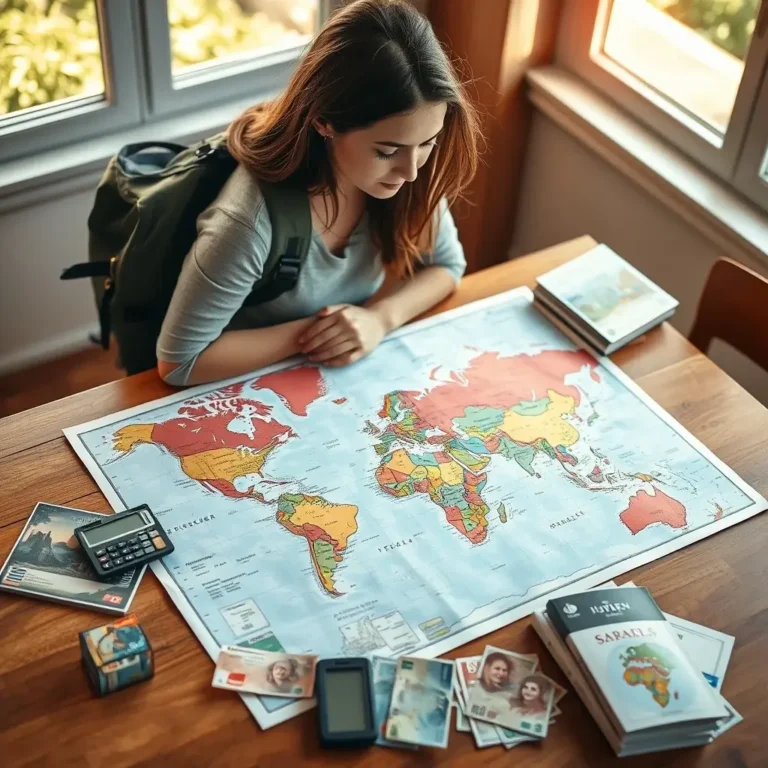
Budget is always a factor. Here’s a rough estimate of what you can expect to spend on culinary travel, keeping in mind that costs vary greatly depending on the destination and your travel style:
- Budget: $50-$100 per day (street food, local markets, budget-friendly cooking classes).
- Mid-Range: $100-$200 per day (a mix of local eateries and mid-range restaurants, food tours).
- Luxury: $200+ per day (fine dining experiences, private cooking classes, exclusive food tours).
Navigating Dietary Restrictions and Preferences
Traveling with dietary restrictions can be challenging, but it doesn’t have to limit your culinary adventures. Here’s how to navigate dietary restrictions and preferences while still experiencing culture through food:
- Learn Key Phrases: Learn how to say “I’m vegetarian,” “I’m vegan,” or “I’m allergic to…” in the local language.
- Research Local Cuisine: Identify dishes that are naturally vegetarian, vegan, or gluten-free.
- Use Translation Apps: Use translation apps to communicate your dietary needs to restaurant staff.
- Pack Snacks: Bring your own snacks to ensure you always have something to eat.
- Be Flexible: Be open to trying new things and adapting your diet to local customs.
Pro Tips for Immersing Yourself in Food Culture
Want to take your culinary travel to the next level? Here are a few pro tips:
- Eat with Your Hands: In many cultures, eating with your hands is the norm. Embrace it!
- Learn Basic Etiquette: Research local dining etiquette to avoid faux pas.
- Say “Thank You”: A simple “thank you” in the local language goes a long way.
- Be Open-Minded: Try new things, even if they seem strange or unfamiliar.
- Engage with Locals: Ask questions, show curiosity, and be respectful of local customs.
Key Takeaways for Meaningful Food Travel
- Food is a powerful lens for understanding culture.
- Authentic food experiences go beyond tourist traps.
- Engage with locals and be open to new experiences.
- Respect local customs and traditions.
- Embrace the unexpected and enjoy the journey!
FAQ About Experiencing Culture Through Food
What is the best way to find authentic food experiences?
The best way is to ask locals for recommendations, explore local markets, and take cooking classes with local chefs.
How can I navigate dietary restrictions while traveling?
Learn key phrases in the local language, research local cuisine, and use translation apps to communicate your needs.
What are some must-try culinary experiences around the world?
Consider taking a pasta-making class in Italy, exploring the Tsukiji Outer Market in Tokyo, or learning to cook tagine in Morocco.
How much does it cost to travel for food?
Costs vary depending on your destination and travel style, but you can expect to spend anywhere from $50 to $200+ per day.
Can experiencing culture through food deepen my travel experiences?
Absolutely! It offers a direct connection to history, traditions, and local communities, making your travels more meaningful and memorable.
Experiencing culture through food is more than just eating; it’s about connecting with people, understanding history, and embracing new experiences. So, ditch the tourist traps, venture off the beaten path, and prepare to be amazed by the culinary wonders that await you. Bon appétit!
Internal Links: Best street food cities, Authentic cooking classes in Italy
External Links: World Food Travel Association, UNESCO Intangible Cultural Heritage – Food