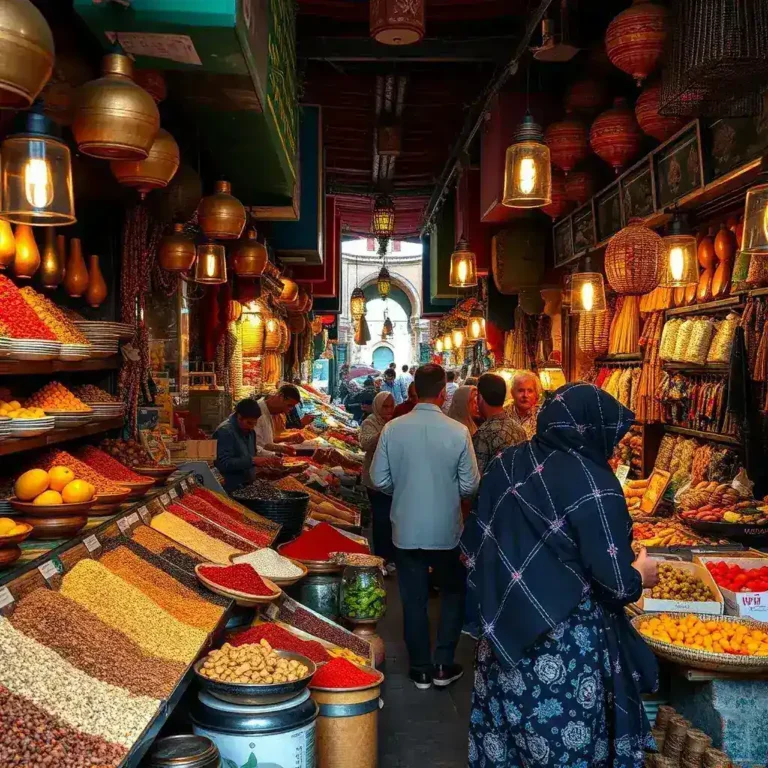
How to Make Homemade Ethiopian Injera
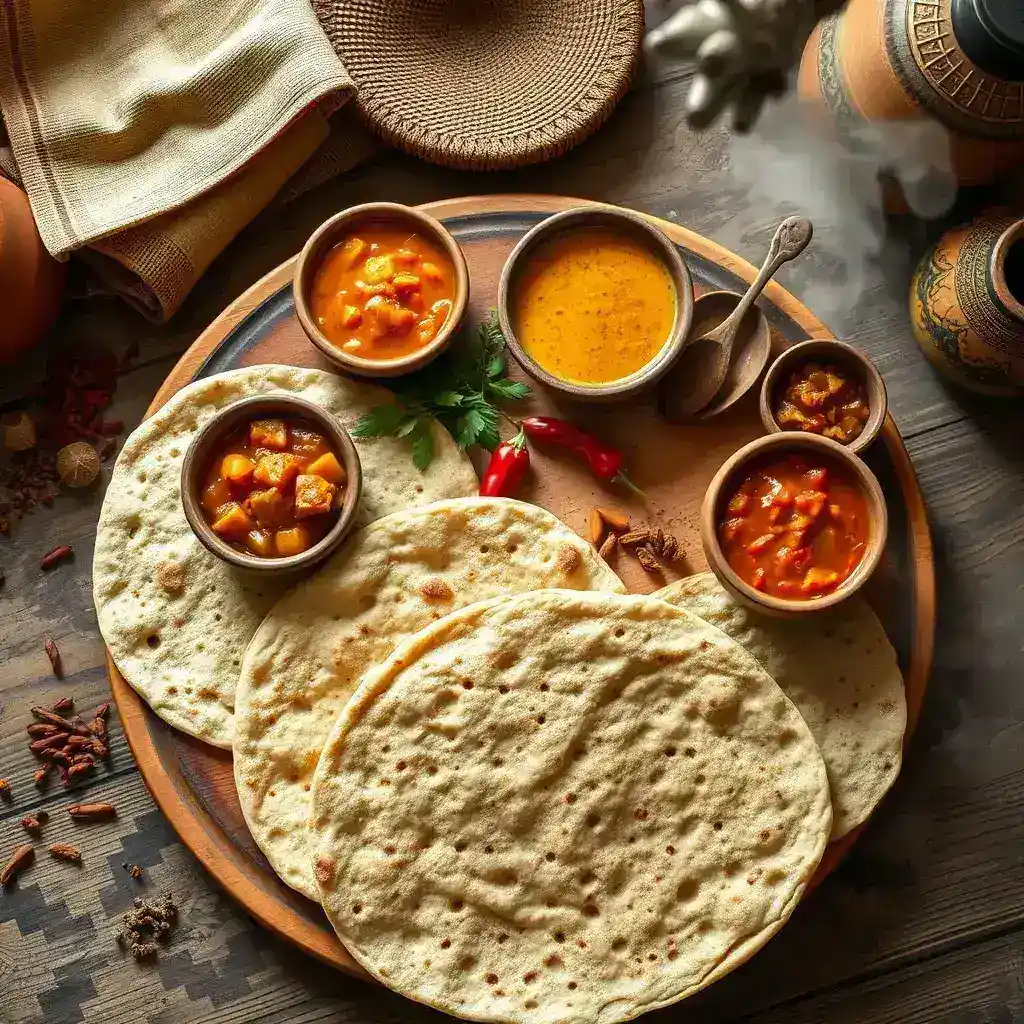
If you’ve ever tried to make injera at home and ended up with something closer to a rubber pancake, you’re not alone. The secret isn’t just about getting the batter right—it’s about understanding the fermentation process that gives injera its signature tang and spongy texture. After burning through half a bag of teff flour and cursing at my kitchen timer, I finally cracked the code. Here’s how to make Homemade Ethiopian Injera without the frustration.
The Essential Ingredients for Perfect Injera
To make injera, you need just two core ingredients: teff flour and water. But not all teff is created equal. Authentic injera uses ivory or brown teff flour, which provides the right balance of nuttiness and structure. You can find it at Ethiopian markets or well-stocked grocery stores, but avoid the pre-mixed injera batter if you want to control the fermentation process.
Teff Flour Selection and Quality
Brown teff gives a deeper, earthier flavor, while ivory teff produces a lighter color and milder taste. Both work for injera, but most Ethiopian households prefer brown. Look for stone-ground, organic teff when possible. The finer the grind, the smoother your final injera will be.
Step-by-Step Process: From Batter to Finished Injera
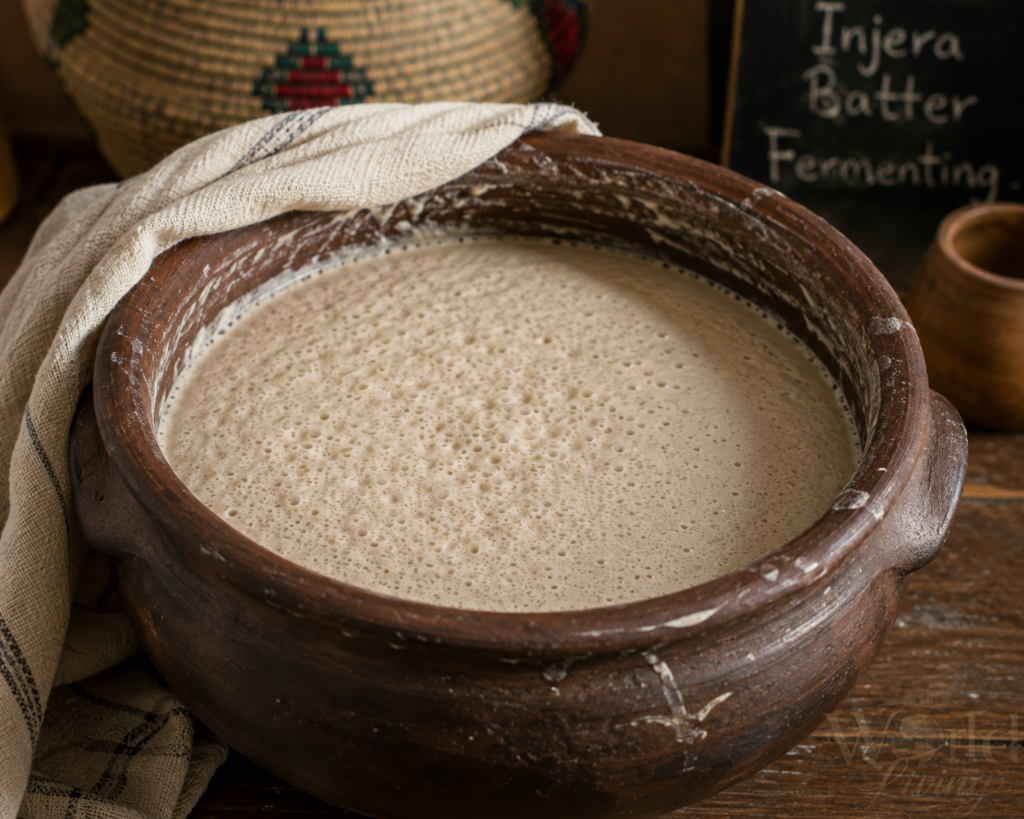
The key to good injera lies in patience. Unlike other flatbreads, injera requires a 3-5 day fermentation period. Mix 2 cups of teff flour with 2 cups of water until smooth, then cover and leave at room temperature. Within 24 hours, you’ll notice bubbles forming—that’s the wild yeast activating.
Fermentation Tips for Success
Temperature matters more than you think. Ideal fermentation occurs between 70-75°F. If your kitchen runs cold, place the bowl in an oven with just the light on. After 3 days, the batter should smell pleasantly sour and have doubled in volume. Add 1/4 teaspoon of active starter if fermentation is sluggish.
Cooking Technique and Equipment
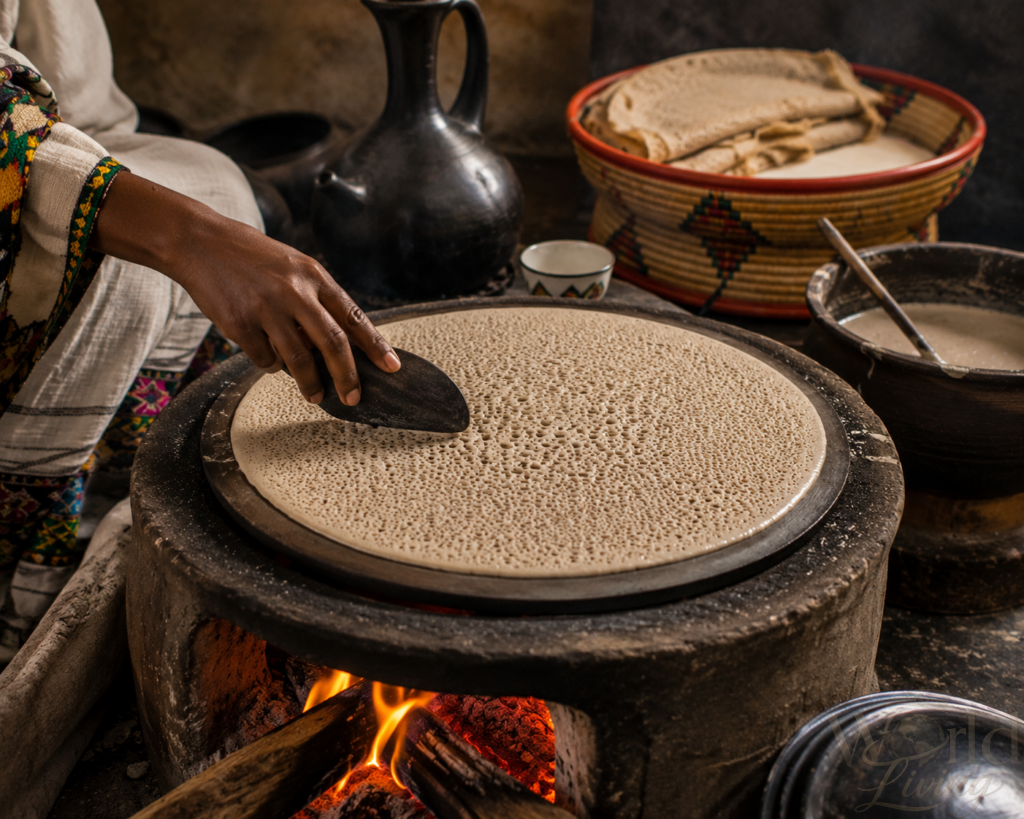
You’ll need a non-stick skillet or traditional mitad (clay griddle). Heat it over medium-low heat—no oil needed. Pour a thin layer of batter using a circular motion, starting from the outside and working inward. Cover with a lid and cook for 2-3 minutes until holes form on top and the surface looks matte. Don’t flip it.
Troubleshooting Common Injera Problems
If your injera tears easily, the batter is probably too thick. Add water gradually until it reaches a crepe-like consistency. For flavorless injera, extend fermentation to 5 days. If the bottom burns while the top remains wet, reduce heat and extend cooking time.
Storage and Reheating Guidelines
Stack cooled injera between parchment paper and store in an airtight container. Refrigerated injera keeps for up to a week. To reheat, steam for 5 minutes or warm briefly in a dry pan. Frozen injera can last up to 3 months—separate layers with plastic wrap before freezing.
Cost Breakdown and Timing Expectations
Making injera from scratch costs approximately $3-4 for a dozen pieces, depending on teff prices. The total process takes 3-5 days, but active prep time is only 15 minutes. Most of that time is hands-off fermentation, making it ideal for batch preparation.
Budget-Friendly Substitutions
While teff is traditional, you can substitute up to 50% with all-purpose flour for a cheaper version. The texture changes slightly, but the flavor remains acceptable. Barley flour also works as a partial substitute, adding extra nuttiness to the mix.
Serving Suggestions and Cultural Context
Injera serves as both plate and utensil in Ethiopian dining. Tear off pieces to scoop up stews like doro wat or shiro. It pairs beautifully with spiced lentils, grilled meats, and fresh salads. Serve at room temperature for the best texture and flavor experience.
Pairing Injera with Traditional Ethiopian Dishes
The slight sourness of well-fermented injera balances rich, spicy stews perfectly. Try it with misir wat (spicy red lentils), gomen (collard greens), or tibs (sautéed meat). For vegetarians, injera with shiro (chickpea puree) creates a satisfying meal that showcases Ethiopian culinary traditions.
Pro Tips for Injera Mastery
- Use filtered water if your tap water has strong chlorine taste
- Mark your mixing bowl with tape to track volume increase during fermentation
- Keep a small jar of previous batch batter as starter for consistent results
- Test heat level with a tiny drop of water—if it sizzles gently, temperature is right
- Cover cooked injera immediately to prevent drying
Key Takeaways
- Fermentation time: 3-5 days at 70-75°F
- Ratio: 1:1 teff flour to water by volume
- Cooking temperature: Medium-low heat, covered
- No oil or flipping required during cooking
- Storage: Up to 1 week refrigerated, 3 months frozen
Frequently Asked Questions About Injera Making
Can I make injera without teff flour?
Yes, but the flavor and nutritional profile change significantly. A blend of all-purpose flour and barley flour can work, though it won’t have the authentic sourdough-like tang. Teff provides unique proteins and fiber that other flours can’t replicate.
How do I know when fermentation is complete?
The batter should have doubled in size, developed a pleasant sour aroma, and show visible bubbles throughout. A drop of batter should float in water if properly fermented. If it smells overly acidic or alcoholic, fermentation has gone too far.
What’s the best way to store leftover injera?
Cool completely, then layer between parchment paper in an airtight container. Refrigerate for up to one week or freeze for longer storage. Reheat by steaming or warming in a dry pan.
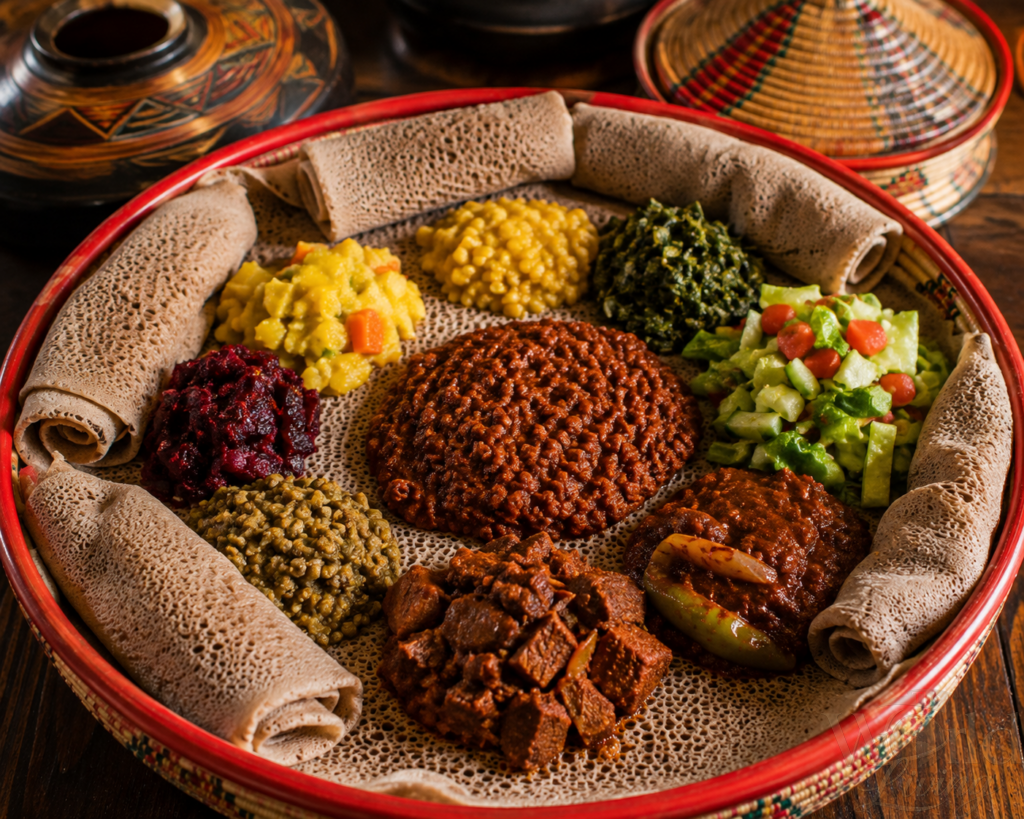
Making injera at home transforms your kitchen into an Ethiopian eatery, filling it with aromas that transport you straight to Addis Ababa’s bustling markets. Once you master the fermentation timing and cooking technique, you’ll never settle for store-bought versions again. The reward—soft, spongy injera with that perfect tang—makes every day of waiting worthwhile.
For more authentic Ethiopian recipes and cultural insights, check out our guides on making doro wat and traditional coffee ceremonies. You can also explore official resources from the Ethiopian Tourism Commission for deeper cultural context.
Visit Serious Eats for additional fermentation techniques and Bon Appétit for expert cooking advice on working with alternative flours.