Peruvian Cuisine: What Makes It One of the World’s Best
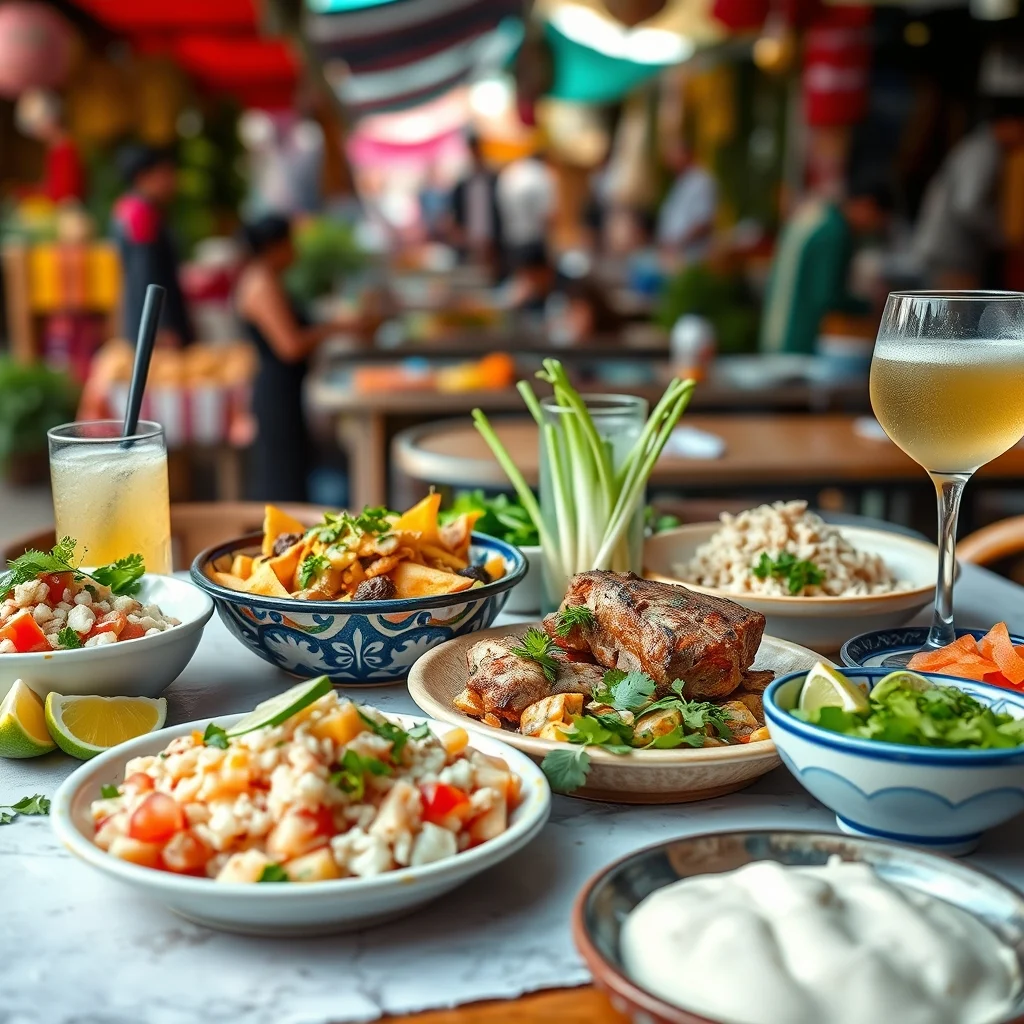
Navigating the bustling streets of Lima while trying to stick to a tight budget can feel overwhelming, especially when every restaurant seems to promise the next unforgettable meal. In December 2023, UNESCO inscribed the preparation and consumption of ceviche — Peru’s most iconic dish — onto its Representative List of the Intangible Cultural Heritage of Humanity, a recognition that says as much about the country’s culinary identity as any guidebook could. And yet discovering the rich layers of Peruvian cuisine on the ground, dish by dish, made the whole ordeal worthwhile.
The Global Rise of Peruvian Cuisine
Peruvian cuisine blends indigenous ingredients with Spanish, African, Chinese, and Japanese influences, creating a culinary tapestry that feels both familiar and exotic. That fusion isn’t incidental — it’s the product of successive waves of immigration, from Spanish colonization to 19th-century Chinese laborers (who gave rise to chifa, Peru’s Chinese-Peruvian cuisine) to Japanese immigrants (whose imprint shows up in Nikkei cuisine, the root of dishes at restaurants like Maido). From the tangy citrus of ceviche to the smoky depth of anticuchos (grilled skewers, traditionally made from beef heart), each dish tells a story of the country’s varied geography — coast, highlands, and Amazon all show up on a Peruvian table.
Traditional Dishes in Peruvian Cuisine
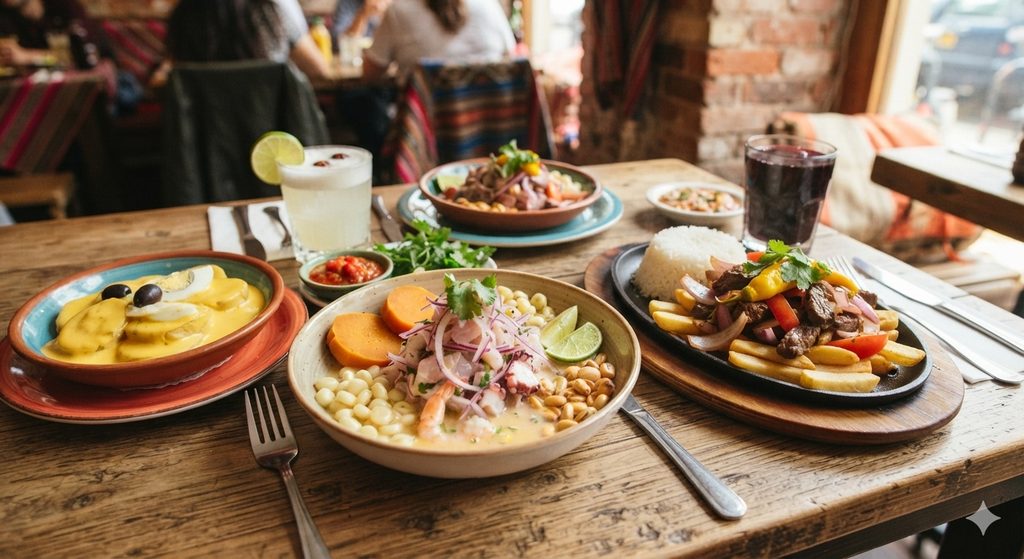
Among the must-try items are ceviche, lomo saltado, causa, and ají de gallina. Ceviche — raw fish cured in lime juice with chili and onion — showcases the Pacific’s bounty and is traditionally eaten as a midday dish rather than at dinner. Lomo saltado stir-fries beef with onions, tomatoes, and soy sauce over french fries and rice, a direct legacy of Cantonese immigration to Peru in the 1800s. Causa layers cold mashed yellow potato (seasoned with ají amarillo and lime) with avocado, chicken, or tuna, while ají de gallina offers a creamy shredded-chicken stew spiced with yellow chili peppers and thickened with bread and walnuts.
Key Ingredients that Define Peruvian Cuisine
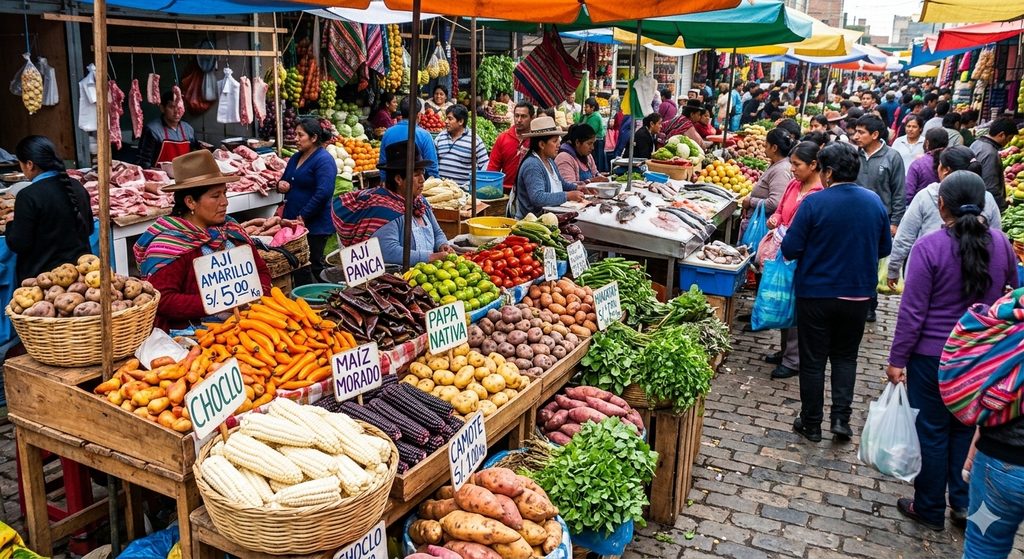
The backbone of Peruvian cuisine lies in ingredients like ají peppers, quinoa, corn, and native potatoes. Ají amarillo provides a bright, fruity heat that shows up in sauces across the country. Quinoa, originally domesticated in the Andes thousands of years ago, adds protein and texture to soups and salads. Corn — especially the large-kerneled variety called choclo — appears in soups, salads, and as a side for ceviche. And Peru is home to thousands of native potato varieties (the International Potato Center, headquartered in Lima, catalogs well over 4,000), which form the foundation of dishes like causa and papa a la huancaína. Together, these ingredients create the signature taste that has put Peruvian cuisine on the world map.
Best Time to Visit for Food Lovers
Lima’s coastal climate doesn’t follow a classic wet/dry pattern — real rainfall is rare year-round, since the city sits in a narrow desert strip cooled by the Humboldt Current. Instead, it swings between a warm, sunny “verano limeño” (roughly December to April) and a cooler, gray, fog-laden “invierno limeño” (May to October), when a low cloud layer called the garúa can sit over the city for weeks. If you’re combining Lima with the Andes or Amazon as part of a longer trip, the highlands do have a genuine dry season from about May to September — clearer skies, colder nights, better trekking — while November to April is the rainy season inland. For a Lima-focused food trip, the shoulder months (April–May, or October–November) tend to offer a good balance: past the peak-season crowds and prices, without the heaviest coastal fog.
Lima’s largest food festival, Mistura, drew as many as 600,000 visitors annually at its peak between 2008 and 2017, before going on an extended hiatus. As of 2026, organizers have signaled a possible return in a “reinvented” format, so it’s worth checking current listings before building a trip around it rather than assuming it’s running — smaller annual events under the “Peru, Mucho Gusto” banner have filled some of that gap in recent years.
Seasonal Variations in Peruvian Cuisine
During the highland rainy season, coastal dishes built around fresh Pacific seafood stay prominent in Lima, while Andean specialties like cuy (guinea pig, traditionally roasted or fried) and mashua (an Andean tuber related to nasturtium) shine in the cooler mountain towns. Travelers who time their visit right can pair a coastal ceviche crawl with a highland trip built around hearty, potato- and grain-based stews, each reflecting what’s actually in season locally rather than what’s shipped in.
Costs and Budgeting for a Culinary Trip
Eating out in Peru can be surprisingly affordable relative to the quality on offer. A plate of ceviche at a casual cevichería typically runs around $5–$10, while a full dinner at a mid-range restaurant lands closer to $15–$30 per person before drinks. Street food and market stalls push prices even lower — a market lunch can come in under $5. Set lunch menus (menús del día) are the best budget move: a starter, main, and drink for a fixed price, often $3–$6, are standard across small cantinas at midday.
Affordable Options in Peruvian Cuisine
Look for those set menús at local cantinas rather than à la carte at dinner, where the same kitchen often charges noticeably more per dish. Markets such as Mercado Central and Mercado de Surquillo in Lima sell fresh ingredients at close to wholesale rates — worth a visit even if you’re not cooking, since many stalls serve fresh ceviche and juices on the spot.
Local Tips and Recommendations
Ask locals for their favorite hidden gems; they often know family-run eateries that serve authentic flavors at modest prices. Joining a food tour can also reveal lesser-known dishes like rocoto relleno (a stuffed, roasted hot pepper) or chicha morada (a sweet, non-alcoholic purple corn drink), broadening the picture beyond the dishes that make it onto most menus abroad.
Where to Eat Authentic Peruvian Cuisine
Restaurants such as Central and Maido in Lima have earned global acclaim — both have placed at the top of the World’s 50 Best Restaurants list in recent years — yet smaller, longer-running establishments like El Bolivariano in Pueblo Libre or La Mar (Gastón Acurio’s ceviche-focused chain) offer more accessible entry points into serious Peruvian cooking, at a fraction of a tasting-menu price. For a true immersion, a coastal fishing town outside Lima — where the day’s catch is prepared simply with lime and salt within hours of landing — is hard to beat.
Cooking Class Insights
Try a cooking class to learn the balance of ají and citrus that underpins so much of the cuisine, and pair your meal with a pisco sour (Peru’s national cocktail, made with pisco brandy, lime, egg white, and bitters) or a glass of chicha morada for a fuller sense of the flavor range on offer.
Pro Tips
Ask the server for the day’s special; it often features whatever came in fresh that morning. Also, carry small change — market stalls and lunch counters frequently run cash-only.
Key Takeaways
- Peruvian cuisine offers diverse flavors shaped by geography, immigration, and history.
- Street food and set lunch menus provide affordable, authentic dining options.
- Lima’s weather runs warm-and-sunny (Dec–Apr) versus cool-and-foggy (May–Oct) rather than wet/dry — plan around that, not a rainy season that mostly isn’t there.
- Local markets and cooking classes deepen cultural immersion beyond restaurant menus.
- Exploring both upscale and humble eateries reveals the true breadth of Peruvian cuisine.
Peruvian Cuisine FAQ
What makes Peruvian Cuisine stand out?
Peruvian cuisine stands out because it fuses indigenous ingredients with techniques brought by Spanish, African, Chinese, and Japanese immigrants, creating bold flavors that range from bright citrus to deep umami, all while maintaining a strong sense of regional identity between the coast, highlands, and Amazon.
When is the best time to visit Peru for food?
For Lima specifically, the warmer, sunnier months from December to April are the most pleasant for walking food tours; if you’re also heading to the Andes, May to September is the region’s dry season and generally the better window for that leg of the trip.
How much should I budget for meals in Peru?
Budget travelers can expect to spend $5–$10 per meal at street stalls and market counters, while mid-range restaurants charge roughly $15–$30 for a full dinner, not including drinks.
Are there vegetarian options in Peruvian Cuisine?
Yes — dishes such as causa, quinoa salads, and stuffed peppers (without meat filling) provide satisfying vegetarian choices that highlight the country’s diverse produce, though it’s worth confirming ingredients directly, since some “vegetarian” dishes are traditionally made with a meat- or seafood-based broth.
Whether you’re a budget backpacker or a culinary enthusiast, the richness of Peruvian cuisine makes every trip to Peru unforgettable, turning meals into memories that linger long after the journey ends.