Seoul City Guide: Old Palaces Meet Modern Streets
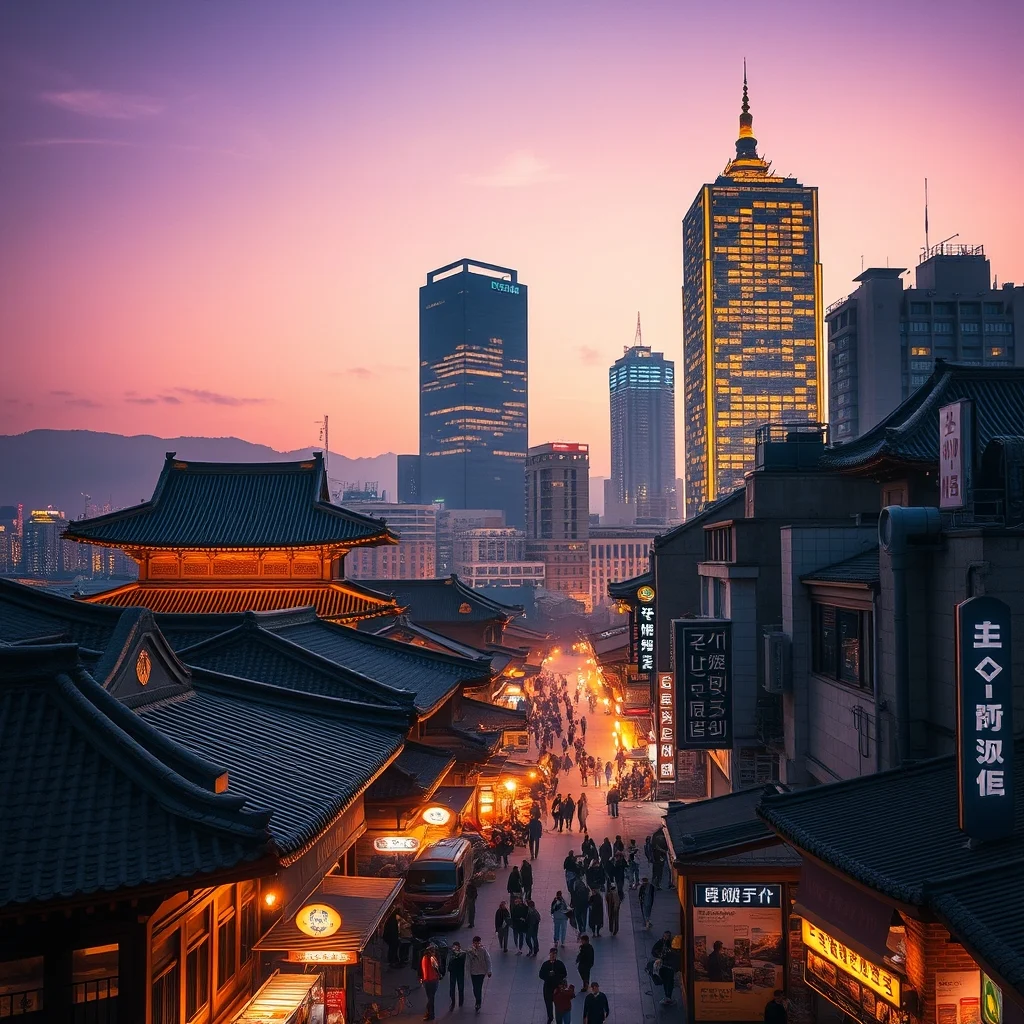
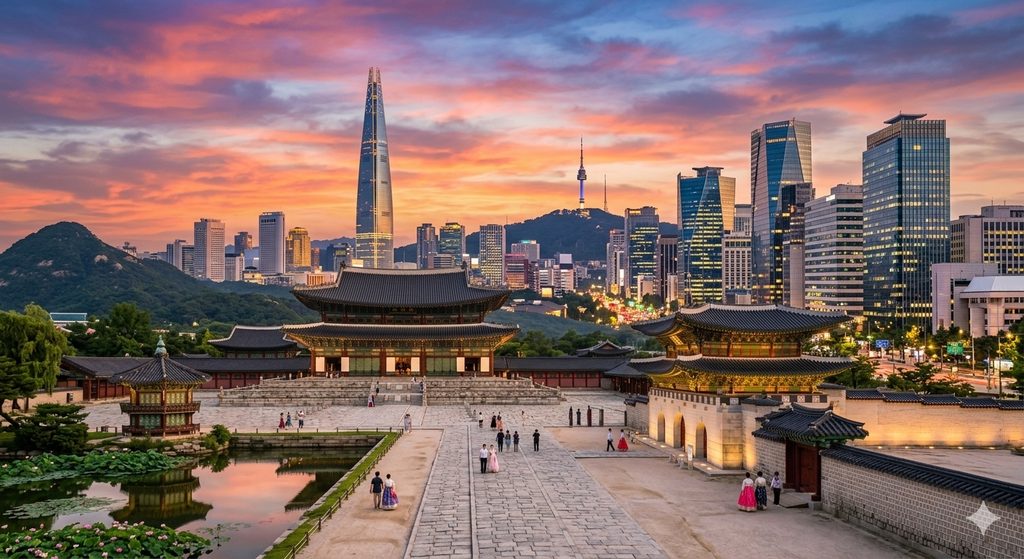
Stepping off the subway in Seoul, the first thing that hit me was the juxtaposition of ancient palace roofs against towering skyscrapers. In that instant, I realized a proper Seoul city guide was needed to navigate this fascinating blend of old and new. Whether you’re a first-time visitor or a seasoned traveler, this guide will help you make the most of your time in South Korea’s vibrant capital.
Seoul City Guide: Getting There and Moving Around
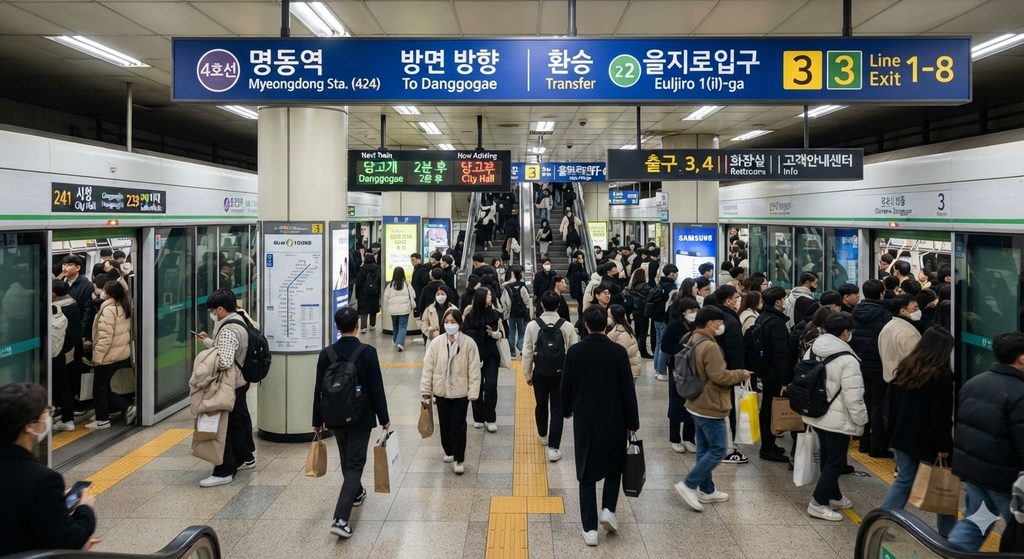
Reaching Seoul is straightforward, with Incheon International Airport serving over 100 international destinations. From the airport, the AREX train whisks you into the city center in about 43 minutes, costing around 9,500 KRW. If you’re arriving by land, high-speed KTX trains connect Seoul to Busan, Daegu, and other major cities. Once inside Seoul, the subway system is your best friend—it’s efficient, clean, and covers almost every corner of the city. Buy a T-money card at any station for seamless transfers between subways, buses, and even taxis.
By Air
Incheon Airport is well-equipped with amenities for travelers. Budget airlines like Jeju Air and Jin Air offer cheap domestic flights, while international carriers provide global connectivity. Allow at least two hours for immigration and baggage claim.
By Train
Seoul Station is the main hub for KTX and ITX trains. From Busan, the journey takes about 2 hours and 40 minutes, with tickets starting at 59,800 KRW. Booking in advance is recommended, especially during holidays.
Local Transportation
The Seoul Metro is divided into numbered lines and colors, making it easy to navigate. Apps like Subway Korea or Naver Map are essential for real-time updates. For areas not covered by subway, buses are reliable but can be crowded during peak hours. Taxis are affordable for short distances, but expect surge pricing in busy districts.
When to Visit Seoul for Optimal Weather and Festivals
The best time to explore Seoul is during spring (April to May) and autumn (September to October), when temperatures are mild and cherry blossoms or fall foliage add scenic beauty. Summer can be humid and rainy, while winters are cold but offer cozy indoor activities. Major festivals like the Seoul Lantern Festival in March or the Hi Seoul Festival in June provide cultural immersion, but expect larger crowds.
Seoul City Guide: Top Attractions You Can’t Miss
Seoul’s appeal lies in its ability to preserve history while embracing the future. Start your journey with the grand palaces, then dive into the neon-lit streets of modern districts. Here are the highlights that belong on every Seoul city guide itinerary.
Gyeongbokgung Palace: The Heart of Joseon History
This sprawling complex is the largest of Seoul’s Five Grand Palaces. Built in 1395, it served as the main royal palace during the Joseon Dynasty. The intricate architecture, like the Geunjeongjeon Hall, showcases traditional Korean design. Don’t miss the Royal Guard Changing Ceremony at 10:00 AM or 2:00 PM—it’s a spectacle of precision and pageantry. Admission is 3,000 KRW, though hanbok wearers get free entry any day of the week — and the last Wednesday of each month is ‘Culture Day,’ with free admission for everyone.
Bukchon Hanok Village: A Step Back in Time
Nestled between Gyeongbokgung and Changdeokgung Palaces, this village preserves hundreds of hanok (traditional Korean houses). Walking through its narrow alleys feels like stepping into a living museum. However, respect the residents—it’s a functioning neighborhood, so keep noise low and avoid photography inside courtyards. The best time to visit is early morning to avoid crowds.
Changdeokgung Palace and the Secret Garden
A UNESCO World Heritage site, Changdeokgung is known for its harmonious integration with nature. The Secret Garden (Huwon) requires a guided tour, but it’s worth the 90-minute wait for its serene paths and historic pavilions. Tickets for the garden are 8,000 KRW and must be purchased in advance.
Myeongdong: Shopping Paradise
From luxury brands to street food, Myeongdong is a shopper’s dream. The area comes alive at night with neon signs and bustling crowds. Don’t miss the Myeongdong Cathedral, a peaceful oasis amid the chaos. For budget-friendly options, check out the underground shopping centers or the Lotte Duty Free for international goods.
Gangnam: The Future is Now
Famous for its K-pop culture and high-tech vibe, Gangnam embodies Seoul’s modern side. Visit the COEX Mall, which houses the Starfield Library—a stunning public space with towering bookshores. The Gangnam Style statue is a fun photo op, but it’s often crowded. For a quieter experience, stroll along the Han River at sunset.
Hongdae: Youth Culture Hub
Home to Hongik University, Hongdae is known for its artistic energy, indie music scenes, and vibrant street art. The area comes alive on weekends with street performances and markets. It’s also a great place for affordable dining and trendy cafes.
Food and Dining: What to Eat in Seoul
Seoul’s culinary scene is a highlight of any trip. From street food to Michelin-starred restaurants, the options are endless. Here are must-try dishes and where to find them.
Must-Try Dishes
- Bibimbap: A mixed rice bowl with vegetables, egg, and gochujang sauce. Try it at Gogung in Myeongdong.
- Kimchi Jjigae: A spicy kimchi stew, perfect for cold days. Best at local eateries in Hongdae.
- Korean BBQ: Grill your own meat at tables in Mapo or Gangnam. Samgyeopsal (pork belly) is a favorite.
- Tteokbokki: Spicy rice cakes in a red sauce. Grab a serving from a street vendor in Myeongdong.
- Sundae: Korean blood sausage, often served with noodles. It’s an acquired taste but popular in local markets.
Where to Eat
For authentic experiences, head to Gwangjang Market, where you can sample bindaetteok (mung bean pancakes) and mayak gimbap (drug kimbap). Budget travelers love the food stalls in Myeongdong, while foodies can indulge in fine dining at restaurants like Mingles (Michelin-starred) in Gangnam. Don’t forget to try Korean fried chicken—it’s a cultural phenomenon!
Where to Stay: Neighborhood Guide for Every Budget
Your accommodation choice depends on your interests and budget. Here’s a quick guide to help you decide.
Budget Options
Hostels in Hongdae or Myeongdong are ideal for solo travelers, with dorm beds starting at 15,000 KRW per night. Guesthouses in Bukchon offer a traditional experience at affordable rates. For a more local feel, consider a hanok stay in Insadong.
Mid-Range Stays
Business hotels in Gangnam or Jongno provide comfort and convenience, with prices around 80,000-120,000 KRW per night. Many include breakfast and easy subway access.
Luxury Experiences
Indulge in five-star hotels like the Shilla Seoul or the Four Seasons, which offer stunning views of Namsan Tower. For a unique stay, book a boutique hotel in Itaewon, known for its international vibe.
Budget Breakdown for Your Seoul Trip
Here’s an estimated daily budget for different travel styles:
- Budget: 50,000-70,000 KRW (hostel, street food, public transport)
- Mid-Range: 100,000-150,000 KRW (mid-range hotel, restaurant meals, attractions)
- Luxury: 250,000+ KRW (five-star hotel, fine dining, private tours)
Saving tips: Use a T-money card for transport discounts, eat at local markets, and take advantage of free attractions like Namsan Park.
Local Tips and Etiquette: What Locals Know
To blend in and show respect, keep these tips in mind:
- Remove shoes when entering homes or certain traditional restaurants.
- Speak softly on public transport—phones should be on silent mode.
- Queue orderly at subway stations and bus stops.
- Avoid tipping; it’s not customary in Korea.
- When visiting palaces, dress modestly—avoid shorts or sleeveless tops.
FAQ: Common Questions About Seoul
Is Seoul safe for solo female travelers?
Yes, Seoul is one of the safest cities for solo travelers, including women. The crime rate is low, and public transportation is secure. However, always be aware of your surroundings, especially in crowded areas.
What language is spoken in Seoul?
Korean is the official language, but English is widely spoken in tourist areas, hotels, and shops. Learning a few basic phrases like “annyeong” (hello) and “gamsahabnida” (thank you) goes a long way.
How many days do I need for a Seoul city guide?
A minimum of 4-5 days is recommended to cover the major attractions. If you have more time, you can explore day trips to nearby cities like Suwon or Incheon.
Can I use credit cards in Seoul?
Credit cards are accepted in most places, but cash is still king for street food and small shops. ATMs that accept foreign cards are common in convenience stores like 7-Eleven.
What is the best way to get around Seoul without a subway?
Buses are a reliable alternative, especially for areas not covered by the subway. Taxis are affordable for short distances, but use apps like Kakao T for English-speaking drivers.
Pro Tips from Frequent Visitors
- Visit palaces early in the morning to avoid crowds and get better photos.
- Download a pocket Wi-Fi device or buy a local SIM card for easy navigation.
- Explore Seoul’s neighborhoods on foot—each district has its own unique charm.
- Check the weather forecast and pack accordingly; Seoul’s weather can be unpredictable.
- For a cultural experience, attend a traditional tea ceremony in Insadong.
Key Takeaways
- Seoul offers a unique blend of history and modernity, making it a must-visit destination.
- Use the subway and T-money card for efficient and affordable travel.
- Plan your trip during spring or autumn for the best weather and festivals.
- Don’t miss the palaces, Myeongdong shopping, and local food markets.
- Respect local etiquette to ensure a smooth and enjoyable experience.
In conclusion, a well-planned Seoul city guide can transform your trip from ordinary to extraordinary. By balancing historical sites with modern attractions, and by embracing local culture, you’ll create memories that last a lifetime. Start mapping out your itinerary today, and let Seoul’s dynamic spirit guide your adventure.
Internal Links: For more details, check out our guide to Korean food, best time to visit Asia, and top 10 travel apps.
External Sources: For official information, visit the Seoul Tourism Organization and the Korea Tourism Organization.