The Hidden Costs of Traveling That Nobody Talks About

Ever get back from a trip and wonder where all your money went? It’s easy to budget for flights and hotels, but those sneaky, less obvious expenses can really add up. Let’s talk about the hidden costs of traveling, helping you avoid those budget-busting surprises and enjoy your adventures even more.
The Unexpected Expenses Eating Away at Your Travel Budget
Traveling opens up a world of possibilities, but it also opens you up to a world of potential expenses you might not have considered. From pesky baggage fees to the allure of those irresistible souvenirs, these hidden costs can quickly transform a well-planned budget into a financial headache. Here’s a breakdown of what to watch out for:
Baggage Fees: The Airline’s Little Secret
Airlines are notorious for their baggage fees. What looks like a great flight deal can quickly become expensive when you factor in the cost of checking a bag. Always check the airline’s baggage policy before you fly. Consider using a carry-on only to avoid these fees altogether. To be honest, I’ve been caught out by this more than once!
Currency Exchange and ATM Fees: Watch Those Rates!
Exchanging currency at the airport is almost always a bad deal. You’ll get a much better rate using your debit card at an ATM or using a travel credit card. However, be aware of ATM fees and foreign transaction fees. Look for banks that have partnerships with banks in your destination country to minimize these costs. Charles Schwab, for example, is a great option because they reimburse all ATM fees worldwide. Also, consider opening a travel credit card with no foreign transaction fees before your trip.
Transportation Costs: Beyond the Plane Ticket
While your plane ticket is a major expense, don’t forget to budget for transportation within your destination. This could include:
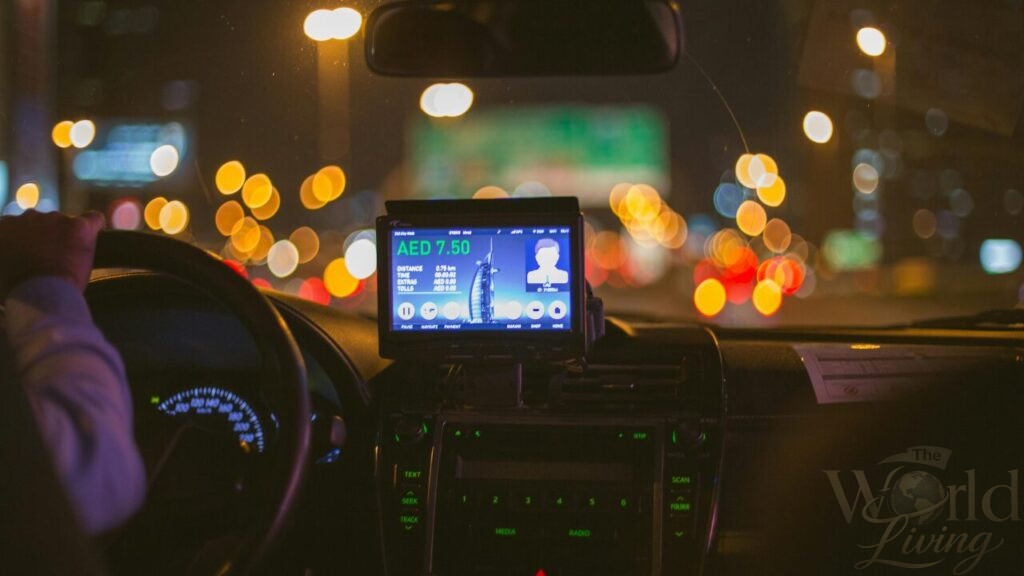
- Airport transfers: Taxis can be expensive. Look into shuttle services or public transportation options.
- Public transport: Research the local public transport system. Often, buying a multi-day pass is more cost-effective than single tickets.
- Ride-sharing services: Uber and Lyft can be convenient, but costs can surge during peak hours.
- Rental cars: Factor in the cost of gas, parking, and insurance.
Food and Drinks: More Than Just Restaurant Meals
Eating out every meal can drain your wallet quickly. Consider these tips to save money on food and drinks:
- Grocery stores: Buy snacks, drinks, and breakfast items at a local grocery store.
- Happy hour: Take advantage of happy hour deals for discounted drinks and appetizers.
- Cook your own meals: If your accommodation has a kitchen, cook some of your own meals.
- Free breakfast: Choose hotels that offer free breakfast.
Data Roaming and International Calls: Stay Connected Without Breaking the Bank
Using your phone abroad can result in hefty roaming charges. Here are some alternatives:
- International roaming plan: Check with your mobile carrier about international roaming plans.
- Local SIM card: Buy a local SIM card for your phone.
- Wi-Fi: Use free Wi-Fi whenever possible.
Souvenirs and Shopping: Avoid Impulse Buys
Souvenirs are a tempting reminder of your trip, but they can quickly add up. Set a budget for souvenirs and stick to it. Avoid impulse buys. Consider buying local crafts directly from artisans to support the local economy and get unique items.
Activities and Entrance Fees: Plan Ahead
Entrance fees to museums, historical sites, and attractions can be a significant expense. Research these costs in advance and consider purchasing city passes or combo tickets for discounts. Also, look for free activities, such as walking tours or visiting parks.
Hidden Accommodation Costs
The advertised price of your hotel or Airbnb isn’t always the final price. Keep an eye out for these additional charges:
- Resort fees: Some hotels charge mandatory resort fees that cover amenities like the pool, gym, and Wi-Fi.
- Cleaning fees: Airbnb hosts often charge cleaning fees.
- City taxes: Many cities impose tourist taxes on hotel stays.
The Cost of Comfort: Overlooked Travel Essentials
Sometimes, it’s the small things you forget that end up costing you. Here are a few often-overlooked travel essentials that can save you money in the long run:
- Travel-sized toiletries: Buying these at your destination can be expensive.
- Reusable water bottle: Stay hydrated without buying bottled water.
- Portable charger: Avoid the stress of a dead phone battery.
Travel Insurance: A Safety Net Worth the Cost
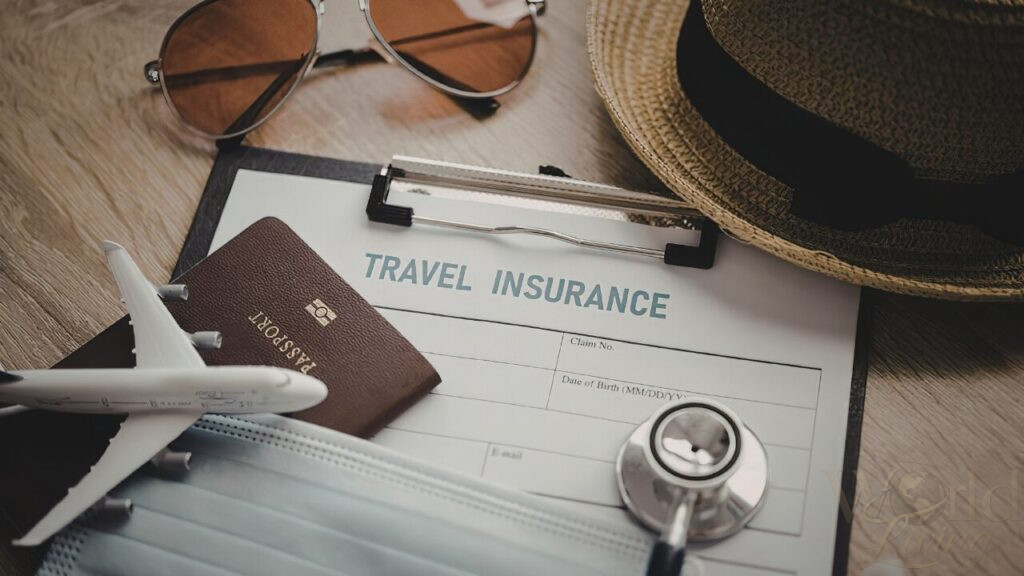
While it’s an upfront cost, travel insurance can save you a fortune if something goes wrong. It can cover medical expenses, trip cancellations, lost luggage, and other unexpected events. Don’t leave home without it!
Pro Tips for Minimizing Hidden Travel Costs
- Track your spending: Use a budgeting app or spreadsheet to track your expenses in real time.
- Set a daily budget: Determine how much you can afford to spend each day and stick to it.
- Be flexible: Consider traveling during the off-season or shoulder season for lower prices.
- Research free activities: Many cities offer free walking tours, parks, and museums.
- Use credit card rewards: Redeem credit card points or miles for flights, hotels, or other travel expenses.
Expert Tips:
Embrace the Local Culture
Opt for local eateries and street food over tourist traps. Not only will you save money, but you’ll also get a more authentic experience.
Negotiate
In many countries, bargaining is expected, especially in markets and with taxi drivers. Don’t be afraid to negotiate for a better price.
Pack Smart
Avoid checking bags by packing only the essentials in a carry-on. This will save you money on baggage fees and time at the airport.
FAQ: Understanding the Hidden Costs of Traveling
What are the most common hidden costs of traveling?
The most common hidden costs include baggage fees, currency exchange fees, transportation costs, food and drinks, data roaming charges, souvenirs, activities, and accommodation fees.
How can I avoid baggage fees?
Pack light and use a carry-on only. Check the airline’s baggage policy before you fly and consider shipping items to your destination if necessary.
Is travel insurance really worth it?
Yes, travel insurance can protect you from unexpected medical expenses, trip cancellations, lost luggage, and other unforeseen events. It’s a small price to pay for peace of mind.
How can I save money on food while traveling?
Buy groceries, cook your own meals, take advantage of happy hour deals, and choose hotels that offer free breakfast.
What is the best way to handle currency exchange?
Use your debit card at an ATM or a travel credit card with no foreign transaction fees. Avoid exchanging currency at the airport.
Key Takeaways:
- Plan for unexpected expenses to avoid budget surprises.
- Research costs in advance and set a daily budget.
- Consider travel insurance for peace of mind.
- Embrace local culture and look for free activities.
- Track your spending and adjust your budget as needed.
By being aware of these hidden costs of traveling and taking steps to minimize them, you can travel smarter, save money, and enjoy your adventures to the fullest. So, next time you’re planning a trip, remember to factor in these often-overlooked expenses. Happy travels!