What Makes Turkish Cuisine a Bridge Between Continents
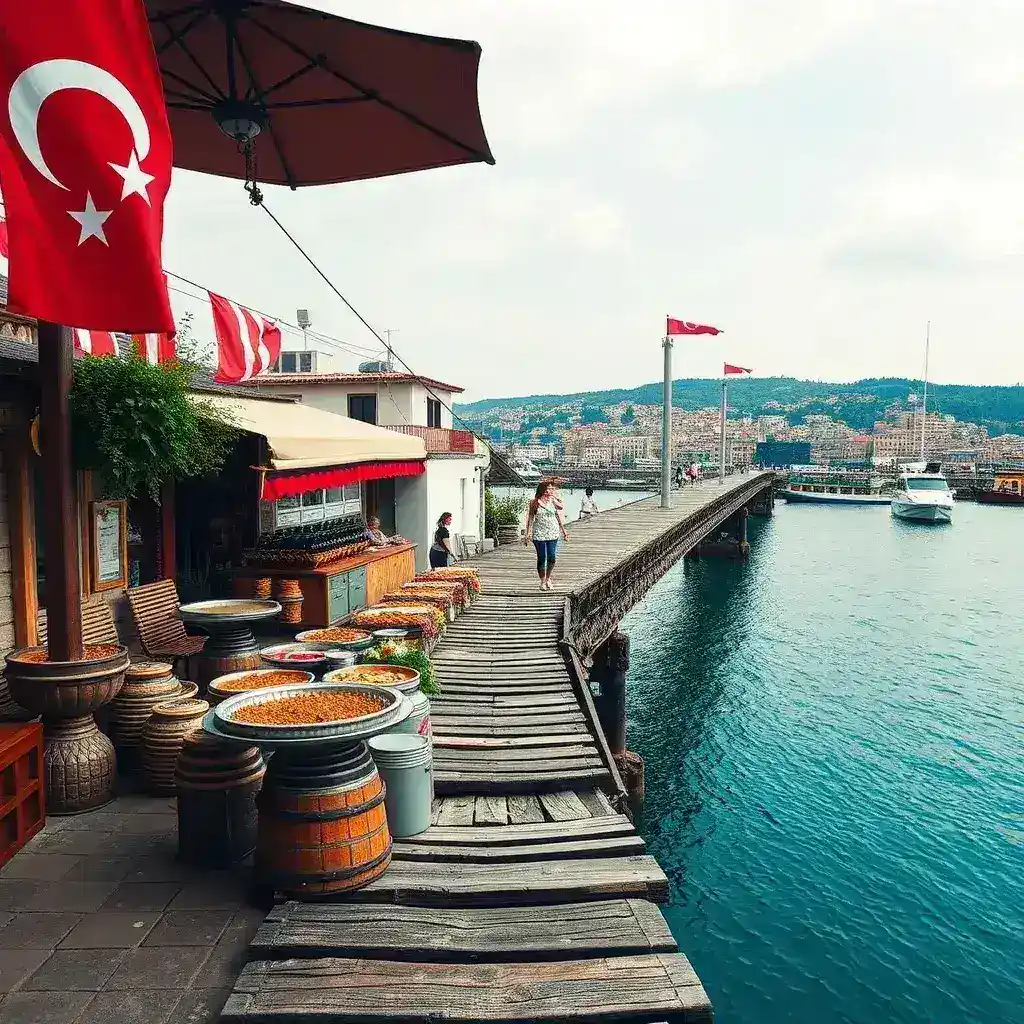
When you first bite into a perfectly spiced lamb kebab in Istanbul, you’re not just tasting meat and herbs—you’re experiencing centuries of cultural exchange. Turkish cuisine didn’t simply evolve in isolation; it developed as a living conduit between Europe and Asia, absorbing influences from the Ottomans, Persians, Arabs, and Byzantine empires. This isn’t just about flavor combinations that work—it’s about how food became a diplomatic language that shaped empires and continues to define modern Turkey’s global identity. The reason Turkish cuisine feels simultaneously familiar and exotic is that it literally is both European and Asian at once.
The Geographic Crossroads Effect
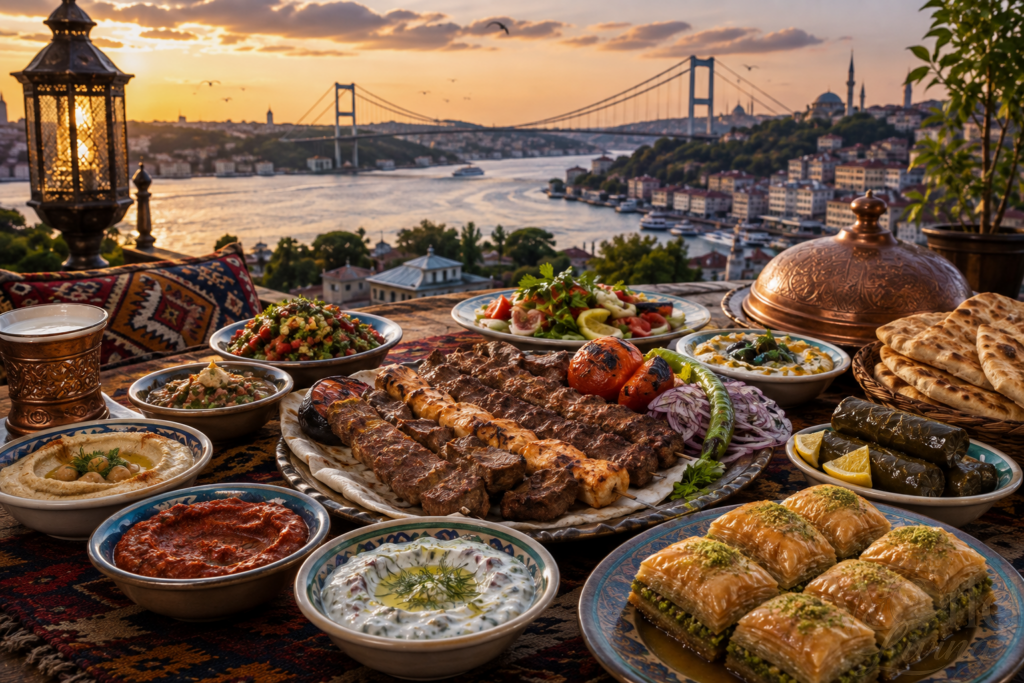
Turkey’s unique position isn’t just strategic—it’s edible. Stretching across two continents, with Istanbul straddling the Bosphorus Strait, Turkish cuisine naturally incorporates elements from both sides. The northern regions lean toward Central Asian influences with dishes like börek (phyllo pastries filled with cheese or meat) and kebabs that reflect nomadic traditions. Meanwhile, the southern and western areas show Mediterranean and Middle Eastern fingerprints in mezze spreads and herb-heavy preparations.
What makes this bridge role so effective is the deliberate culinary diplomacy practiced by Ottoman chefs. Palace cookbooks from the 15th century already show recipes blending Persian saffron techniques with Balkan lamb traditions. This wasn’t accidental—it was calculated gastronomy that helped the empire rule diverse territories. Even today, you’ll find Armenian-influenced dishes in eastern Turkey and Greek-inspired preparations in the west, all unified by common techniques like slow-cooking and spice layering.
Spice Routes and Culinary Diplomacy
The Silk Road wasn’t just about silk—spices, ideas, and recipes traveled the same routes. Turkish cuisine absorbed sumac from the Levant, cumin from Persia, and paprika from the Americas (post-Columbian exchange). Each spice tells a story of trade and adaptation. When Turks began using tomato paste in the 16th century, they weren’t just adding a new ingredient—they were incorporating New World produce into ancient Middle Eastern cooking methods.
This spice alchemy created signature dishes that defy simple categorization. Take orgence (a lamb and rice dish)—it’s part Central Asian nomadic fare, part Mediterranean rice pilaf, and part Ottoman palace luxury. The use of pine nuts and dried fruits reflects Central Asian influences, while the herb combinations speak to Mediterranean traditions. Turkish cuisine doesn’t just borrow flavors; it synthesizes them into something entirely new yet recognizably cohesive.
Key Ingredient Adaptations
Three ingredients perfectly illustrate how Turkish cuisine adapts to its cross-continental role:
- Yogurt: More than a side dish, it’s a cooking agent. From Central Asian shorba traditions to Mediterranean tzatziki influence, Turkish cuisine elevated yogurt into soups, marinades, and sauces.
- Eggplant: The Ottoman adaptation of this New World fruit created patlıcan salatası, blending Middle Eastern grilling techniques with Mediterranean raw preparations.
- Saffron and spices: Persian influence on luxury dishes like sarma (stuffed cabbage leaves) shows how elite Turkish cuisine borrowed opulence symbols from neighboring cultures.
Dining Rituals as Cultural Translation
How Turks eat is as important as what they eat. The concept of makam (musical mode, applied to dining) structures meals in specific sequences: from light mezze to heavy main courses, from sour to sweet. This ritual structure mirrors both Middle Eastern hospitality traditions and European dining etiquette, making Turkish meals accessible yet sophisticated to diners from either continent.
The coffee culture itself is a masterclass in cross-cultural synthesis. Turkish coffee combines Arab trading traditions (coffee beans) with Anatolian preparation methods (cezve pot) and European social customs (coffee houses as community centers). When you’re served thick, unfiltered coffee with grounds settled at the bottom, you’re participating in a ritual that connects you to 16th-century Constantinople coffeehouses where diplomats negotiated empire-spanning deals over shared cups.
Modern Fusion and Global Appeal
Today’s Turkish chefs understand their cuisine’s bridge role intimately. Restaurants in New York’s Turkish neighborhoods serve kebabs with Mediterranean salad sides, while Istanbul’s fusion spots create modern interpretations like smoked eggplant kebabs with tahini. This isn’t culinary confusion—it’s intentional evolution that maintains core identity while embracing global conversations.
The genius lies in recognizing that bridge-building requires both preservation and adaptation. Traditional dishes maintain their soul while incorporating new techniques. Modern Turkish bakeries in Berlin use German rye for simit (sesame bagels), creating hybrids that honor both traditions. This adaptive approach ensures Turkish cuisine remains relevant across generations and geographies.
Preserving Identity While Building Bridges
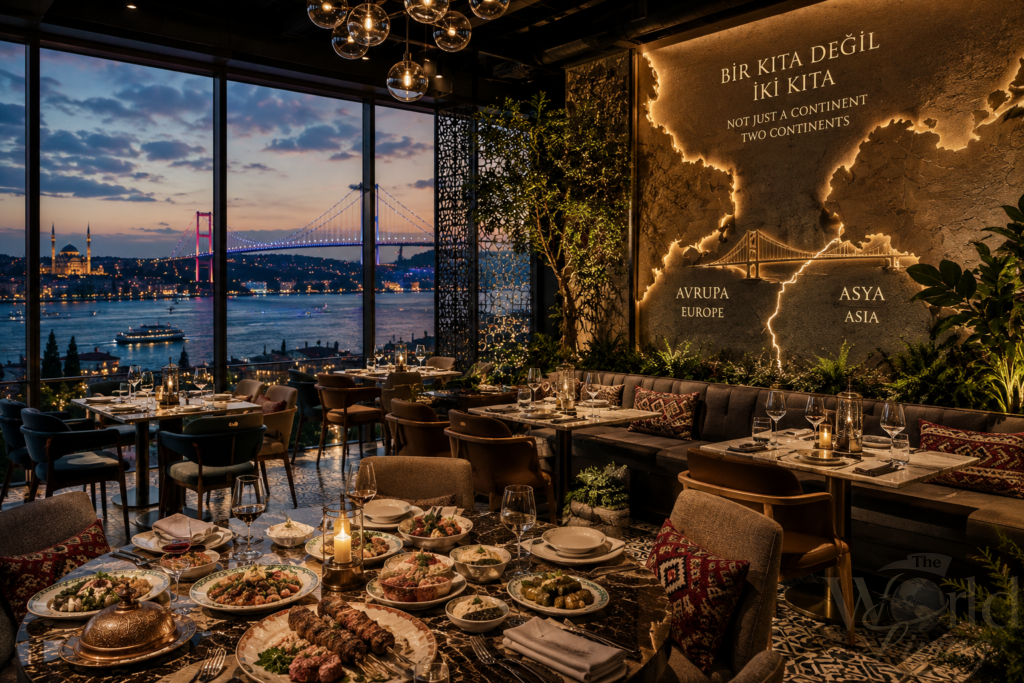
The challenge for Turkish cuisine isn’t just creating delicious food—it’s maintaining cultural authenticity while serving as a diplomatic dish. Every dish carries the weight of representing an entire nation’s history. When Turks prepare baklava, they’re not just making pastry; they’re participating in a sweet diplomacy that involves Greeks, Armenians, and Italians in its origin story.
This responsibility creates interesting tensions in modern Turkish kitchens. Young chefs trained in French culinary schools return to Turkey and blend techniques, creating dishes that feel both traditional and innovative. The key is understanding that bridge-building doesn’t require abandoning roots—it requires confidently sharing them. A perfectly executed doner kebab in Berlin’s Kreuzberg district carries the same cultural weight as one in Istanbul’s Galata district, even if the bread choice differs slightly.
Regional Variations Across the Bridge
Istanbul’s cuisine reflects the city’s role as former capital of two continents. The Armenian quarter’s lavash breads sit beside Greek dolmades in local markets. The Asian side features more manti (Turkish ravioli) and çorba (complex soups), while European influences appear in wine pairings and pasta adaptations. This geographical diversity ensures Turkish cuisine offers something for every palate while maintaining cohesive flavors.
The Black Sea coast introduces corn and wheat-based dishes (menemen with local cheeses), while the Mediterranean south adds olive oil and herb combinations that echo Greek and Levantine traditions. Even within this diversity, unifying elements emerge: the emphasis on fresh herbs, the use of yogurt as a balancing agent, and the philosophy that food should bring people together rather than separate them.
The Future of Cross-Continental Cuisine
As globalization accelerates, Turkish cuisine’s bridge role becomes more vital than ever. Young Turkish chefs are studying abroad while maintaining traditional techniques, creating a new generation of culinary ambassadors. They understand that authenticity isn’t about rigid tradition—it’s about honest representation of cultural evolution.
The rise of Turkish restaurants worldwide—from London to Los Angeles—depends on this bridge function. These establishments succeed not by pretending to be purely European or Asian, but by confidently presenting their unique hybrid identity. When you order a Turkish mezze platter in a foreign city, you’re not just eating; you’re experiencing carefully curated cultural translation that happens to taste incredible.
Travel Tips for Experiencing Bridge Cuisine
To truly appreciate Turkish cuisine’s cross-continental nature:
- Visit both European and Asian sides of Istanbul for contrasting interpretations of the same dishes
- Ask locals about regional specialties—they often share family recipes that reveal cultural layers
- Try street food versions alongside palace-style preparations to see how class influences adaptation
- Order based on what’s seasonal and local—that’s where you’ll taste the most authentic regional bridges
Understanding Turkish cuisine as a bridge transforms every meal into a lesson in cultural geography. The flavors tell stories that maps cannot capture—the way sumac’s tartness carries Levantine sunshine, or how lamb’s richness reflects Central Asian nomadic traditions. This is why Turkish cuisine isn’t just popular; it’s essential for understanding how civilizations connect across space and time.
FAQ: Turkish Cuisine Bridge Questions
What makes Turkish cuisine a bridge between continents?
Turkish cuisine’s bridge status comes from its geographic position spanning Europe and Asia, combined with centuries of cultural exchange through the Ottoman Empire. Dishes incorporate influences from multiple civilizations while maintaining cohesive identity through shared techniques like slow-cooking and herb usage.
How did Turkish cuisine influence European cooking?
Through Ottoman rule of parts of Southeastern Europe, Turkish culinary techniques and ingredients spread via palace diplomacy and trade. Concepts like stuffed grape leaves (yaprak sarma) and complex spice blends entered European cooking, while European baking techniques influenced Turkish pastry making.
Is Turkish cuisine authentic if it’s adapted abroad?
Yes. Like any living cuisine, Turkish food evolves while maintaining core principles. Restaurants in Berlin or New York that authentically represent Turkish flavors—using proper techniques and quality ingredients—are preserving rather than losing authenticity through adaptation.
Why is Turkish coffee considered part of cultural bridge-building?
Turkish coffee represents centuries of trade routes connecting Africa, the Middle East, and Europe. Its preparation method combines Arab coffee culture with Anatolian traditions, while its social function as a community-building ritual transcends cultural boundaries, making it an edible symbol of connection.
How can I identify regional variations in Turkish cuisine?
Coastal regions emphasize seafood and Mediterranean ingredients like olive oil, while inland areas focus on lamb and Central Asian grains. The Black Sea coast uses more corn and wheat, whereas the southeastern regions maintain stronger Persian influences with saffron and dried fruit combinations.