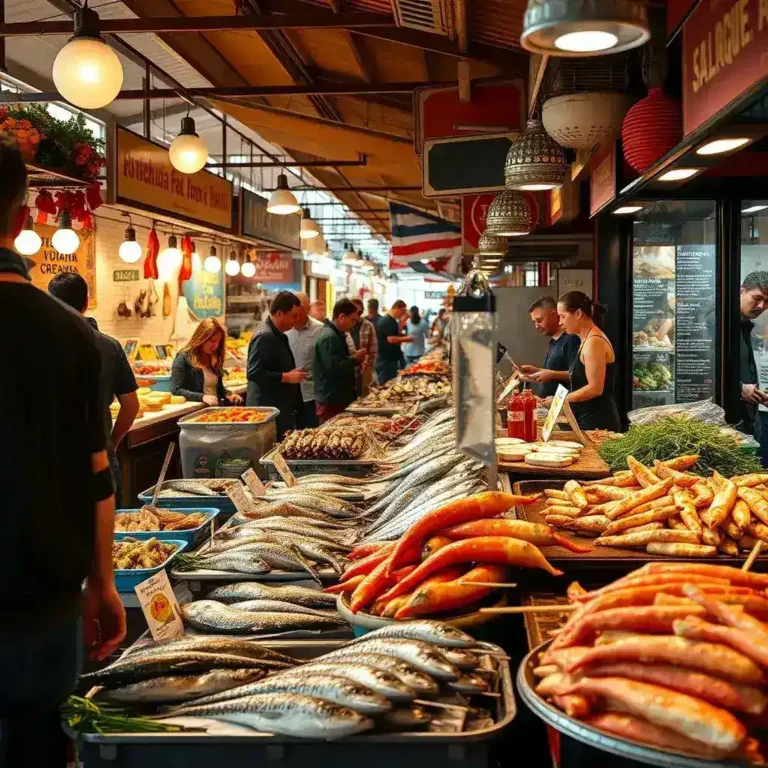
Must-Try Foods in Greece Beyond Souvlaki
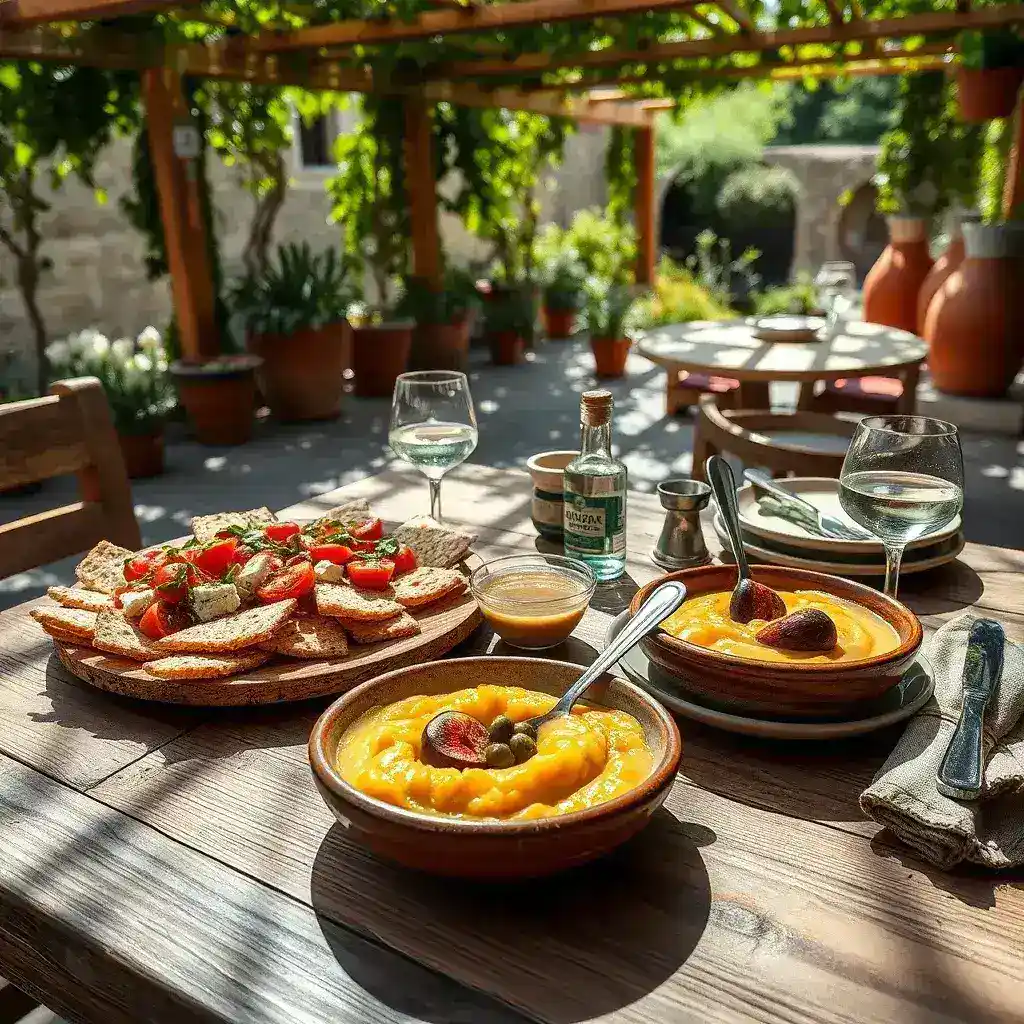
Last October, I sat at a taverna in a village outside Nafplio where the menu had zero English translations and the owner’s grandmother still rolled phyllo by hand at 78. That meal — wild greens pie, slow-roasted lamb with lemon potatoes, and a spoon sweet made from tiny whole figs — reminded me why chasing souvlaki alone misses the entire point of Greek cooking.
Why must-try foods in Greece go far beyond the gyro wrapper
Most visitors stick to the greatest hits: souvlaki, moussaka, Greek salad, baklava. Nothing wrong with those dishes — they’re classics for a reason. But Greek cuisine runs deeper than the tourist trail. Regional specialties, seasonal ingredients, and centuries-old techniques create a food culture that changes radically from island to mountain village to city neighborhood.
The country’s geography explains everything. Mountains isolate communities. Islands develop distinct pantries based on what grows, what swims nearby, and what preserves well through winter. A dish from Crete tastes nothing like its counterpart in Epirus, even when they share a name.
Island pantries: where the sea dictates the menu
Cretan dakos — the breakfast of farmers
Hard barley rusks (paximadi) softened with grated tomato, sharp mizithra cheese, oregano, and a glug of local olive oil. That’s it. No cooking required. Fishermen and shepherds ate this for generations because rusks last months without spoiling. Today you’ll find dakos everywhere in Crete — sometimes topped with capers, sometimes with xinochondros (fermented cracked wheat). The rusks stay slightly crunchy even after soaking. That texture contrast matters.
Santorini fava — not what you think
Despite the name, this isn’t fava beans. It’s a velvety puree of yellow split peas (lathouri) grown in volcanic soil, simmered with onion, finished with lemon, capers, and raw onion rings. The peas here are smaller, sweeter, and cook faster than mainland versions. Every taverna serves it slightly different — some add sun-dried tomato, others a spoon of caramelized onion jam. Order it as a meze with ouzo. The acidity cuts the anise perfectly.
Chios mastic — the resin that flavors everything
Mastic trees grow only on southern Chios. Their tears — hardened resin droplets — flavor liqueurs, spoon sweets, ice cream, bread, even chewing gum. The flavor is piney, slightly medicinal, utterly unique. Try mastic ice cream (kaimaki) at a kafeneio in Chios town. The texture stretches like taffy from salep (orchid root powder). You won’t find this anywhere else on earth.
Mountain cooking: where preservation becomes art
Epirot pies — phyllo as architecture
In the Pindus mountains, women roll phyllo so thin you can read newspaper through it. Fillings depend on season: wild greens (horta) in spring, leeks and feta in winter, pumpkin with rice and mint in autumn. The most famous — kothropita (wild greens with rice and herbs) and blatsaria (cornmeal crust with greens). These aren’t snacks. A large pie feeds a family for days. The cornmeal version especially — dense, nutty, almost cake-like — sustained villages through harsh winters.
Kleftiko — the original slow food
“Kleftis” means thief. Legend says klephts (anti-Ottoman guerrillas) stole lambs and cooked them in sealed underground pits to hide smoke. True or not, the method remains: lamb marinated in lemon, garlic, oregano, wrapped in parchment (or historically, clay), slow-roasted until the meat falls off the bone. Potatoes cook in the same packet, absorbing every drop of fat and herb oil. You’ll find versions across the mainland, but the mountain ones — cooked in wood ovens — hit different.
Trahanas — the ancient instant meal
Fermented cracked wheat or flour mixed with milk or yogurt, dried into pebbles, stored for years. Rehydrate with water or broth, simmer ten minutes, finish with feta and olive oil. That’s breakfast, lunch, or dinner across northern Greece. Every region has its version: sour (with yogurt), sweet (with milk), thick or thin. Some add vegetables, others keep it plain. It’s probiotic, shelf-stable, and deeply comforting — the original convenience food, made by hand.
City streets: where refugees shaped modern flavors
Piroski and bougatsa — Asia Minor legacy
After 1922, Greek refugees from Turkey brought recipes that became Thessaloniki staples. Piroski: fried dough pockets stuffed with spiced ground meat, onions, sometimes raisins or pine nuts. Bougatsa: custard or cheese between layers of buttered phyllo, dusted with cinnamon and powdered sugar. The best bougatsa uses hand-rolled phyllo, not machine-made. You’ll see vendors pulling sheets the size of bedsheets at 6 AM. Eat it hot. The cinnamon-sugar crust shatters.
Politiki salad — Constantinople on a plate
Finely diced cabbage, carrot, red pepper, celery, parsley, dressed with olive oil, lemon, vinegar. Simple? Yes. But the knife work matters — everything matchstick-thin. The vegetables must be crisp, not wilted. This arrived with refugees from Istanbul (Poli). It’s brighter than horiatiki (village salad), lighter, almost coleslaw-adjacent but without mayo. Perfect alongside grilled meats or as a meze with tsipouro.
Seasonal rhythms: eating with the calendar
Spring: wild greens and artichokes
March brings horta — dozens of edible wild plants: dandelion, amaranth, chicory, sorrel, nettles. Grandmothers know which grow where, when to pick, how to clean. They’re boiled, dressed with olive oil and lemon, served alongside grilled fish or folded into pies. Artichokes appear too — braised with carrots, peas, potatoes, dill, and lemon (anginares a la polita). The hearts turn buttery. The stems? Don’t discard. Peel the fibrous outer layer; the inner stalk is sweet as asparagus.
Summer: tomatoes that taste like sugar
Greek summer tomatoes need nothing. Slice, salt, wait five minutes, drizzle oil. That’s a salad. But they also star in gemista — stuffed vegetables. Tomatoes, peppers, zucchini, eggplant hollowed out, filled with rice, herbs, sometimes minced meat, baked until the rice absorbs vegetable juices and the tops caramelize. Every household has a recipe. The vegetarian version (yalantzi) uses mint, parsley, dill, pine nuts, currants. Meat versions add cinnamon, allspice. Both appear on the same table.
Autumn: mushrooms and quince
Mountain forests yield porcini, chanterelles, cauliflower mushrooms. Locals forage at dawn, sell at village markets by noon. Simple preparations win: sautéed with garlic and parsley, finished with lemon. Quince appears too — too hard to eat raw, but transformed into spoon sweets, jellies, or roasted with pork. The aroma fills kitchens for hours. Quince paste (marmelada) pairs with graviera cheese for the ultimate cheese board.
Winter: pulses and preserved bounty
Giant beans (gigantes) baked in tomato sauce with carrots, celery, onion. Chickpea soup (revithada) slow-cooked in clay pots overnight in wood ovens — a Sifnos specialty. Lentils (fakes) with vinegar and olive oil. These aren’t deprivation food. They’re celebration food. The vinegar on lentils? Non-negotiable. It brightens earthiness. Add a side of pickled vegetables (toursi) — cauliflower, carrot, pepper, celery in vinegar brine — and you have a meal that sustained generations.
Sweets beyond baklava
Spoon sweets — hospitality in a jar
Whole fruit preserved in syrup: sour cherry, quince, fig, walnut (green, unripe), bergamot, rose petal, even eggplant or tomato. Served by the spoonful with a glass of cold water and Greek coffee. The fruit stays intact, firm, intensely flavored. Each region specializes: Chios for mastic and citrus, Pelion for chestnut and apple, Crete for fig and grape. They last years. Offering a spoon sweet to guests isn’t optional — it’s protocol.
Loukoumades — honey puffs with history
Ancient Olympics winners received “honey tokens” — likely early loukoumades. Yeast dough fried into airy balls, drowned in thyme honey, sprinkled with cinnamon and crushed walnuts. Modern versions add chocolate, ice cream, Nutella. Purists reject these. The best remain simple: hot, crisp outside, steamy inside, honey soaking in. Find them at festival stalls or specialty shops in Athens’ Psyrri district. Eat immediately. They don’t travel.
Ravani and revani — semolina cakes soaked in syrup
Orange or lemon zest in the batter. Syrup flavored with cinnamon, clove, sometimes rose water. Coconut often tops the version from Veria (refugee recipe). The texture is dense, moist, almost pudding-like. Not fluffy like Western cake. Served in diamond shapes, often with a dollop of kaimaki ice cream. One piece satisfies. Two is pushing it.
Drinking culture: it’s never just alcohol
Ouzo, tsipouro, raki — the anise spectrum
Ouzo: anise-distilled, turns milky with water. Tsipouro: grape pomace brandy, sometimes anise-flavored (Thessaly), sometimes not (Epirus, Macedonia). Raki (Crete) or tsikoudia: unflavored pomace brandy, higher alcohol, cleaner finish. All served with meze — never alone. The food pace controls the drinking pace. You don’t shoot these. You sip, eat, talk, repeat.
Greek wine — the renaissance you missed
Assyrtiko (Santorini): volcanic, saline, high acid. Moschofilero (Peloponnese): aromatic, floral, pink-skinned grape. Xinomavro (Naoussa): tannic, age-worthy, tomato-leaf notes. Agiorgitiko (Nemea): soft, fruity, versatile. Indigenous grapes, modern vinification. Twenty years ago, Greek wine meant retsina. Today, sommeliers worldwide hunt these bottles. Order by region, not variety. Ask the sommelier. They’re proud.
Pro tips for eating like a local
- Follow the lunch hour. Main meal happens 2–4 PM. Tavernas fill with locals. Tourist places stay open all day; real ones close between lunch and dinner.
- Order family-style. Multiple meze, shared plates, bread for everything. One dish per person misses the point.
- Ask “ti exete simera?” (What do you have today?) The best dishes aren’t on the menu. They depend on the morning market.
- Bread is a utensil. Use it to scoop, wipe, finish sauces. Never waste the last drop of olive oil on your plate.
- Water first, wine after. A carafe of tap water arrives automatically. Drink it. Pace yourself.
- Dessert isn’t a course. Spoon sweets, fruit, or loukoumades arrive with coffee/raki at meal’s end. You don’t order them separately.
- Learn three phrases. “Efharisto” (thank you), “Parakalo” (please/you’re welcome), “Oreo” (delicious). Effort earns generosity.
Key takeaways
- Greek cuisine is hyper-regional — island, mountain, and city foods share almost nothing beyond olive oil and oregano.
- Seasonality isn’t trendy; it’s survival. Menus change weekly based on what’s harvested.
- Refugee communities from Asia Minor and Constantinople shaped urban food culture profoundly.
- Preservation techniques (drying, fermenting, syruping) created pantry staples that became delicacies.
- Meze culture dictates pacing: small plates, shared, accompanied by spirits sipped slowly.
- The best meals happen where menus are handwritten, seasonal, and partially in Greek.
Frequently asked questions
What are the must-try foods in Greece for a first-time visitor?
Start with dakos (Crete), fava (Santorini), kleftiko (mainland), bougatsa (Thessaloniki), and a spoon sweet wherever you are. These five cover island, mountain, city, and sweet traditions without overlapping.
Is Greek food vegetarian-friendly?
Extremely. Lentils, beans, stuffed vegetables, wild greens pies, fava, horiatiki salad, gemista (vegetarian version), trahanas (sweet version) — huge portions of traditional cuisine are naturally plant-based. Specify “nistisima” (fasting/Lenten) dishes for guaranteed vegan options.
When is the best time for food tourism in Greece?
Spring (April–June) for wild greens, artichokes, tender lamb. Autumn (September–October) for mushrooms, quince, grapes, olive harvest. Summer for tomatoes, melons, grilled fish. Winter for pulses, preserved foods, citrus. Every season has a distinct menu.
How do I find authentic tavernas away from tourist traps?
Can I recreate these dishes at home?
Many travel well: dakos, fava, trahanas, gigantes, loukoumades. Others need specific ingredients (mastic, Cretan rusks, Santorini fava, mountain horta). Source from Greek specialty shops online. The techniques are simple; the ingredients do the work.
That October meal in Nafplio cost 18 euros including wine. The grandmother brought out a second spoon sweet — bergamot — because I finished the fig one and asked what else they had. She smiled, said “Poly kala” (very good), and refused payment for the second. Greek hospitality isn’t performative. It’s baked into the food itself. Next time you’re handed a menu with souvlaki on page one, flip past it. The real eating starts on page three.