Must-Try Foods in Thailand: A Street Food Lover’s Guide

You’ve landed in Bangkok with an empty stomach and a hundred street food stalls staring back at you. The problem? Most travelers either blow their budget on tourist-trap restaurants or eat the same safe noodles every night. Here’s the thing: Thailand’s food scene is way more than pad thai, and knowing which dishes to actually prioritize changes everything.
Why These Are the Must-Try Foods in Thailand
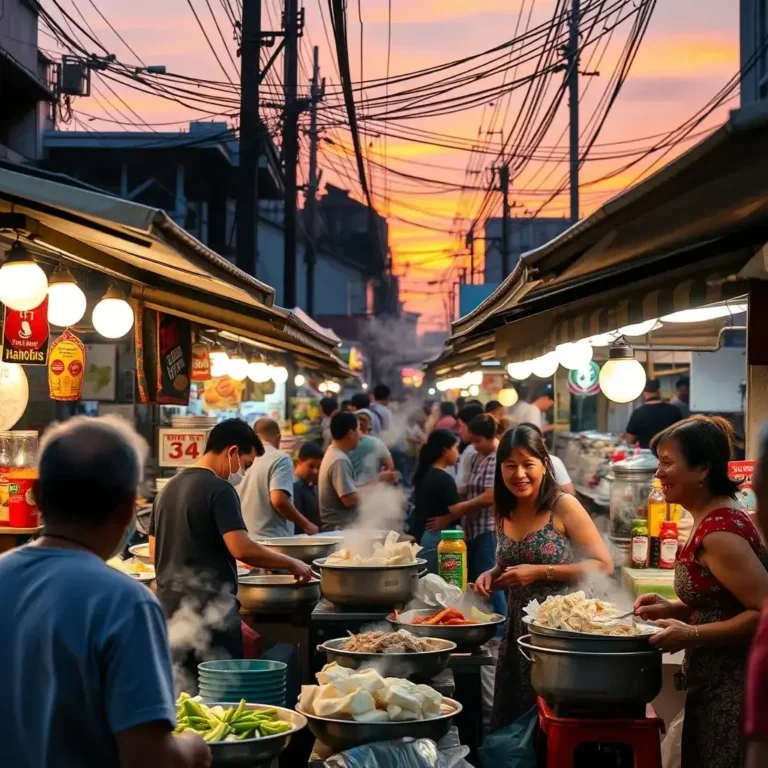
Thailand’s street food culture is unmatched in Southeast Asia. Vendors cook over flaming woks at midnight, and the aromas pull you in from three streets away. To be honest, some of the best meals I’ve ever had cost less than a cup of coffee back home.
Pad Thai — The Iconic Dish
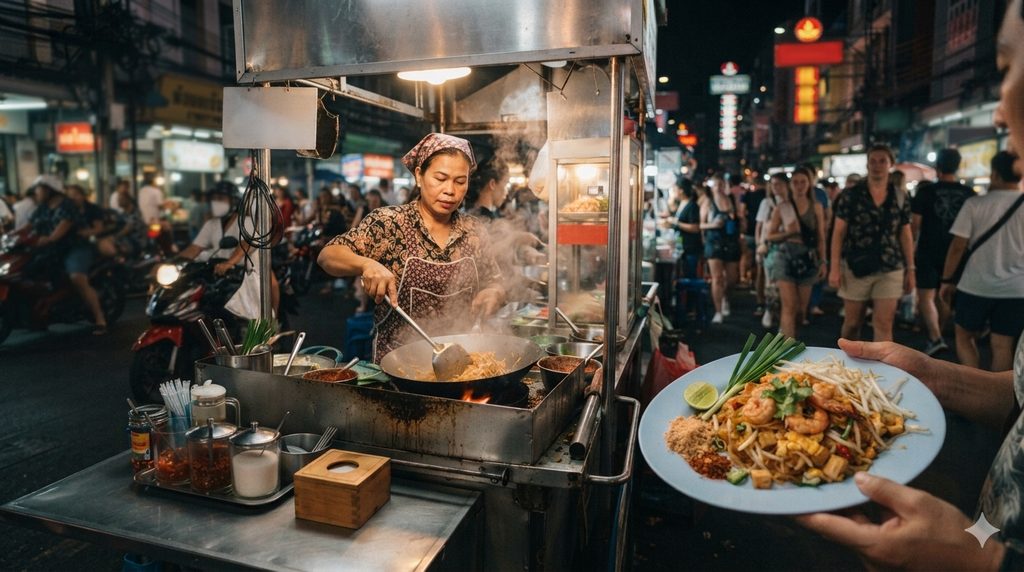
Pad thai is the gateway dish to Thai cuisine, and for good reason. Rice noodles stir-fried with tamarind, egg, peanuts, and shrimp create a sweet-savory balance that hits every note. The best versions come from street carts where the cook has been doing this for twenty years.
Expect to pay 40–80 baht (roughly $1.20–$2.40 at current exchange rates) at a proper stall. Avoid places with English menus posted outside — they’re catering to tourists, and the flavor usually suffers as a result.
Som Tum — Spicy Green Papaya Salad
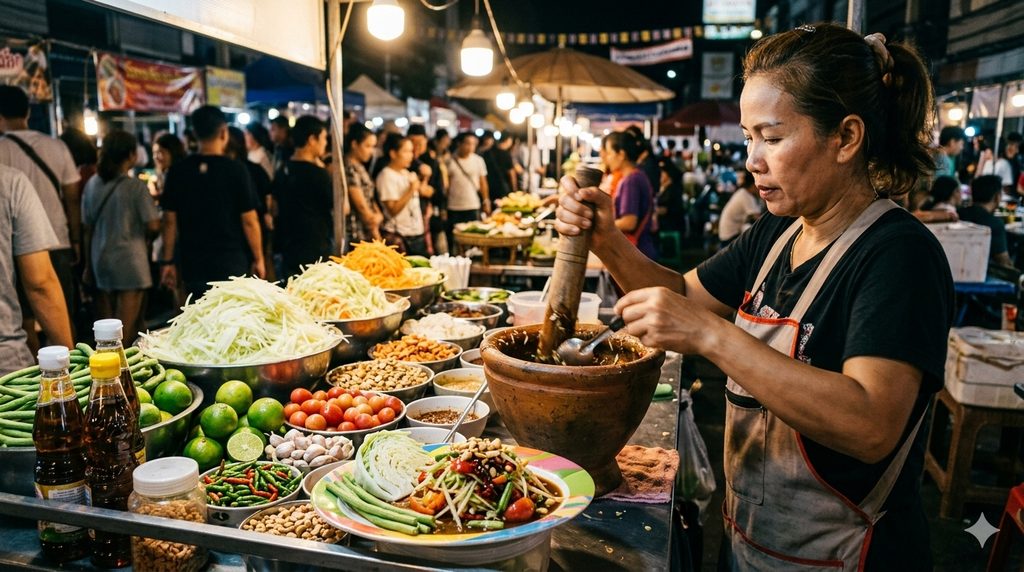
Som tum is not for the faint-hearted. Pounded in a mortar with green chili, lime, fish sauce, and dried shrimp, this salad punches way above its weight. The regional split is worth knowing before you order: the Central Thai/Bangkok version, often called “tum Thai,” is the one most visitors encounter first — slightly sweeter, built with palm sugar, peanuts, and dried shrimp. Head into Isaan (northeastern Thailand) territory, or ask for “tum lao,” and you’ll get something bolder and funkier, built around fermented fish sauce (pla ra) with little to no sugar at all and noticeably more heat. Neither is more “authentic” than the other — they’re genuinely different dishes that share a name and a mortar.
If you see a vendor pounding with real force, that’s a good sign. The rhythm matters — fresh pounding releases oils that pre-ground versions miss.
Hidden Gems: Local Favorites Tourists Miss
What most people don’t realize is that Bangkok’s fine dining scene steals the spotlight, but the real magic happens in neighborhood eateries and morning markets. These spots serve some of the best food in the country, and you won’t find most of them on any TripAdvisor list.
Khao Soi — Northern Thailand’s Curry Noodle
Khao soi is Chiang Mai’s gift to the world. Egg noodles sit in a rich coconut curry broth, topped with crispy fried noodles and pickled mustard greens. The complexity comes from a curry paste built on dried chilies, shrimp paste, and spices toasted for hours before the broth ever hits a pot.
A bowl costs 80–120 baht (about $2.40–$3.60) in Chiang Mai. Try it at a roadside cart in the Old City around 11am, right as the lunch crowd hits and the broth is at its freshest.
Mango Sticky Rice — Dessert Perfection
Mango sticky rice is a genuine seasonal ritual, not just a tourist dessert. Sweet glutinous rice soaked in coconut cream sits beside ripe Nam Dok Mai mangoes — the elongated, golden-yellow variety that’s become Thailand’s signature export mango. The drizzle of salty coconut cream balances the sweetness in a way that feels intentional, not indulgent.
Nam Dok Mai peaks from roughly March through May, with the wider mango season stretching into June or July depending on the region. Outside that window, the fruit tends to be more fibrous and less sweet, and you’re often paying tourist-season prices for a noticeably inferior product.
Best Street Food Markets in Thailand
Not all markets are created equal. Some cater mostly to Instagram crowds; others feed locals who’ve been coming for decades.
- Yaowarat (Chinatown), Bangkok — Bangkok’s best-known street food strip, running roughly 6 pm to midnight, with a handful of late-night stalls staying open until 1 or 2 am. Don’t count on anything past that — most vendors are packing up well before sunrise, whatever older guides may claim.
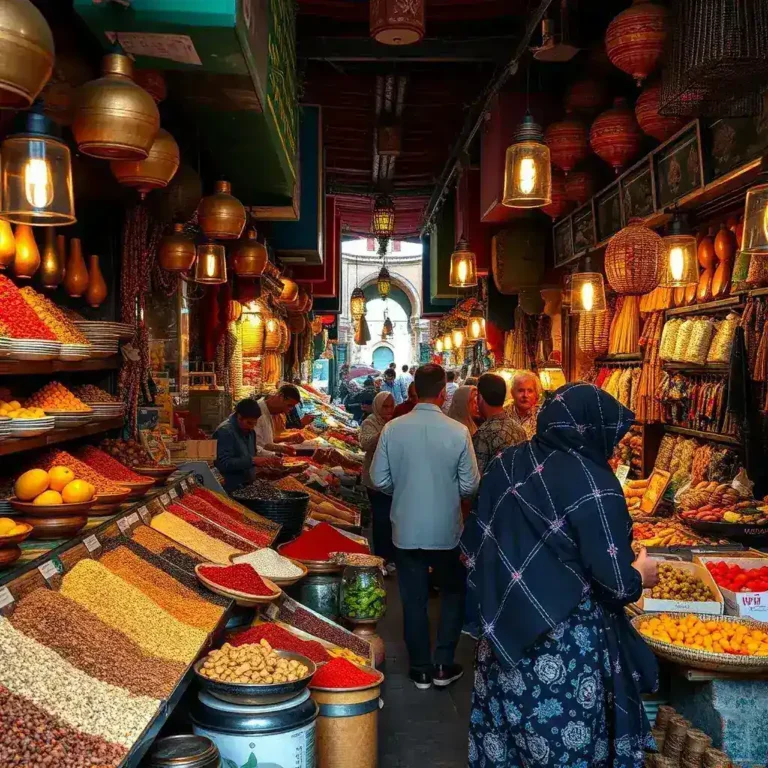
- Warorot Market, Chiang Mai — Northern specialties at genuine morning-market prices, right next to the Ton Lamyai flower market on the Ping River.
- Rawai Seafood Market, Phuket — Less touristy than the Patong strip, with a direct-from-the-fishermen setup: pick your seafood at the market stalls, then have it cooked at one of the restaurants across the street for a small cooking fee.
- Pak Khlong Talat, Bangkok — Bangkok’s genuine 24-hour flower market near Memorial Bridge, most photogenic just after midnight when the flower trucks unload; a cluster of food carts nearby picks up as the market does.
Budget Guide: How Much Thai Food Costs
One of the biggest misconceptions is that eating well in Thailand requires a splurge. Reality check: a full meal from street stalls runs 50–150 baht (about $1.50–$4.50 at current exchange rates). Sit-down restaurants in tourist zones typically charge 200–400 baht for the same dishes.
| Meal Type | Street Stall | Local Restaurant | Tourist Restaurant |
|---|---|---|---|
| Noodle Dish | 40–80 baht | 80–150 baht | 150–300 baht |
| Rice + Curry | 50–100 baht | 100–180 baht | 180–350 baht |
| Dessert | 20–40 baht | 40–80 baht | 80–150 baht |
Pro tip: follow the Thai office workers at lunch. If a stall has a queue of locals at noon, the food is fresh, fast, and cheap.
Pro Tips for Eating Like a Local
Here’s what seasoned travelers know but rarely share:
- Learn five Thai food words: “phet” (spicy), “mai phet” (not spicy), “mai sai nam tan” (no sugar), “aroi” (delicious), “khob khun” (thank you).
- Carry cash. Most street vendors don’t take cards, and small bills prevent overpaying or waiting on change.
- Drink bottled water. Ice is generally fine at reputable, high-turnover stalls, since Thailand’s commercial ice is typically made from filtered water in a factory setting — but skip ice from anywhere that looks like it’s been sitting out or handled loosely.
- Eat where the turnover is high. Fresh food cooked fast tastes better than food sitting under heat lamps, and it’s a genuinely useful proxy for food safety too.
FAQ
What are Thailand’s must-try foods for a first visit?
Start with pad thai, som tum, khao soi, mango sticky rice, and tom yum goong. Together, they cover the core flavor profile that defines Thai cooking — sweet, spicy, sour, salty, and a touch of bitterness from herbs and charred ingredients.
Is street food in Thailand safe to eat?
Yes, if you use common sense. Choose stalls with high turnover, watch the vendor handle money and food separately (or use gloves/tongs for the food), and stick to items cooked fresh to order rather than sitting out. The busiest stalls are usually the safest, since ingredients don’t sit around long enough to spoil.
How much should I budget daily for food in Thailand?
Street food eaters can comfortably spend 300–500 baht ($9–$15) per day. Mixing in a couple of mid-range restaurant meals pushes that to roughly 800–1,200 baht ($24–$36) a day. Street food remains by far the best value for experiencing the range of dishes covered here.
What’s the best time to visit Thailand for food?
November through February brings cooler, drier weather that’s genuinely more pleasant for wandering markets on foot. Mango season peaks March through May, and Chinatown-style street food festivals pop up in major cities throughout the year, though timing varies.
Can vegetarians find good options among Thailand’s must-try foods?
Yes. Look for stalls marked “jay” (a strict vegan standard, often marked with a yellow flag), and you can often modify many other dishes on request. Pad pak ruam (stir-fried mixed vegetables) and khao pad pak (vegetable fried rice) are reliable, widely available choices — just confirm that no fish sauce or shrimp paste has been added, since both are common defaults in Thai cooking, even in “vegetable” dishes.
Key Takeaways
- Thailand’s best food extends far beyond the tourist-menu classics — explore street stalls and local markets to get the full picture.
- Street food costs roughly 50–150 baht per meal, making Thailand one of the most affordable food destinations anywhere.
- Signature dishes vary by region: Southern curries, Northern khao soi, Northeastern (Isaan) som tum and grilled meats.
- Timing matters — eat where locals eat, follow the lunchtime crowds, and prioritize places with visible turnover.
- Carry cash, learn a few basic Thai food phrases, and pace your spice level between courses.
Thailand rewards the curious eater. Skip the hotel buffet, follow your nose down a side street, and let the country’s street food rewrite your expectations about what a meal on a budget can look like. The next unforgettable dish is probably ten steps ahead of you, steaming in a wok right now.