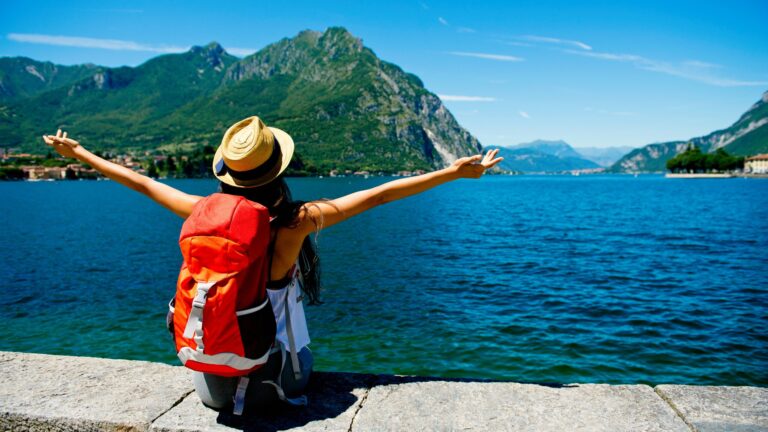
What It Really Feels Like to Experience Japan Beyond Tokyo
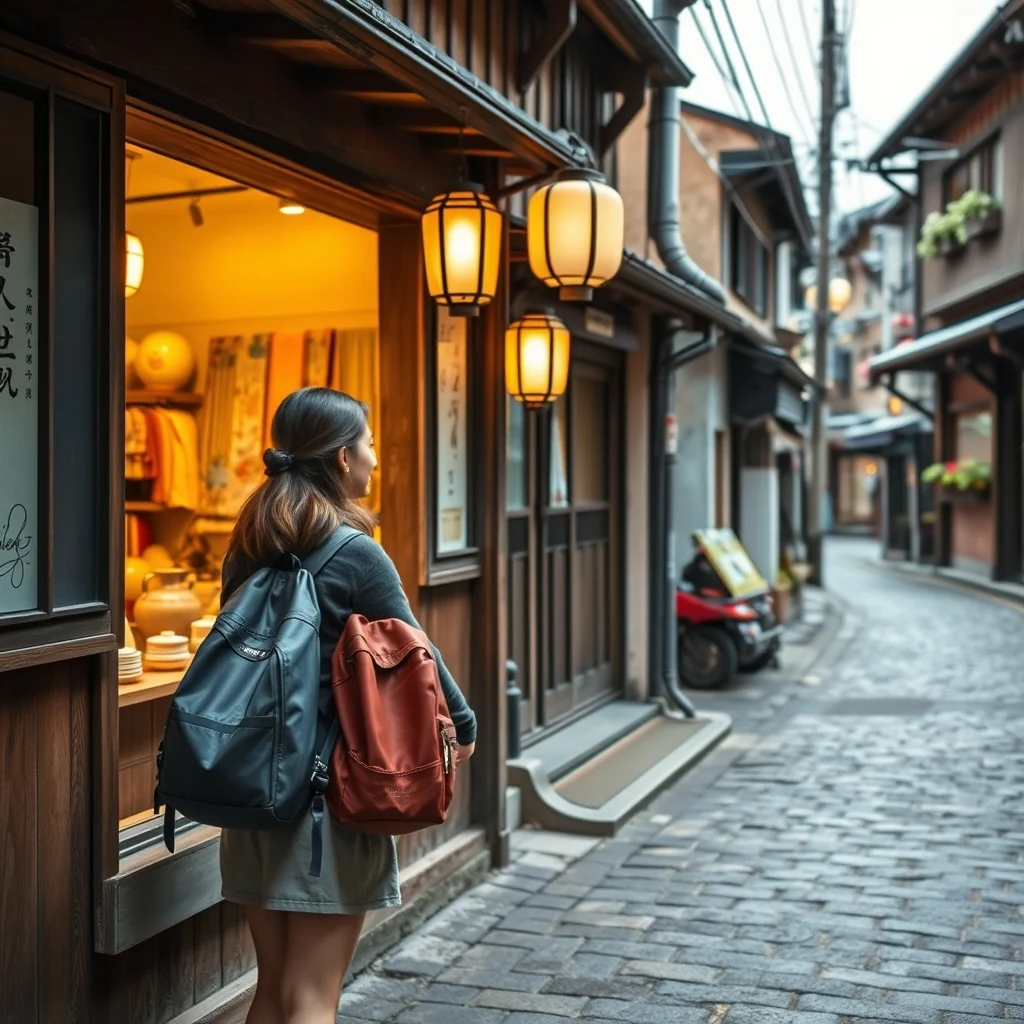
Planning a trip to Japan? You’re probably thinking of Tokyo, and rightly so. It’s a global hub. But what if I told you that the real magic of Japan lies beyond the neon lights and crowded Shibuya crossings? To truly experience Japan, you need to venture off the beaten path.
This article will serve as your guide to discovering the hidden gems of Japan – the serene temples, breathtaking natural landscapes, and authentic cultural encounters that most tourists miss. You’ll gain insights into how to plan a more immersive and rewarding trip, avoiding the common pitfalls and tourist traps.
Why Go Beyond Tokyo to Experience Japan?
Tokyo is incredible, no doubt. But limiting your trip to just the capital means missing out on the diverse tapestry of Japanese culture and scenery. Think of it like only visiting New York City and claiming you’ve seen America. Here’s the thing: Japan’s charm is in its variety.
- Authenticity: Smaller towns and rural areas offer a glimpse into traditional Japanese life, untouched by modern commercialism.
- Natural Beauty: From the snow-capped Japanese Alps to the pristine beaches of Okinawa, Japan’s landscapes are stunning.
- Serenity: Escape the hustle and bustle of Tokyo and find peace in tranquil temples and gardens.
- Unique Experiences: Participate in local festivals, learn traditional crafts, and savor regional cuisine.
Best Time to Visit Japan (Beyond Tokyo)
The best time to experience Japan outside of Tokyo depends on what you want to see and do. Here’s a breakdown:
- Spring (March-May): Cherry blossoms are a major draw, but consider visiting slightly later in the season to avoid peak crowds. The weather is mild and pleasant.
- Summer (June-August): Hot and humid, but ideal for hiking in the mountains and enjoying coastal areas. Be aware of the rainy season (Tsuyu) in June/July.
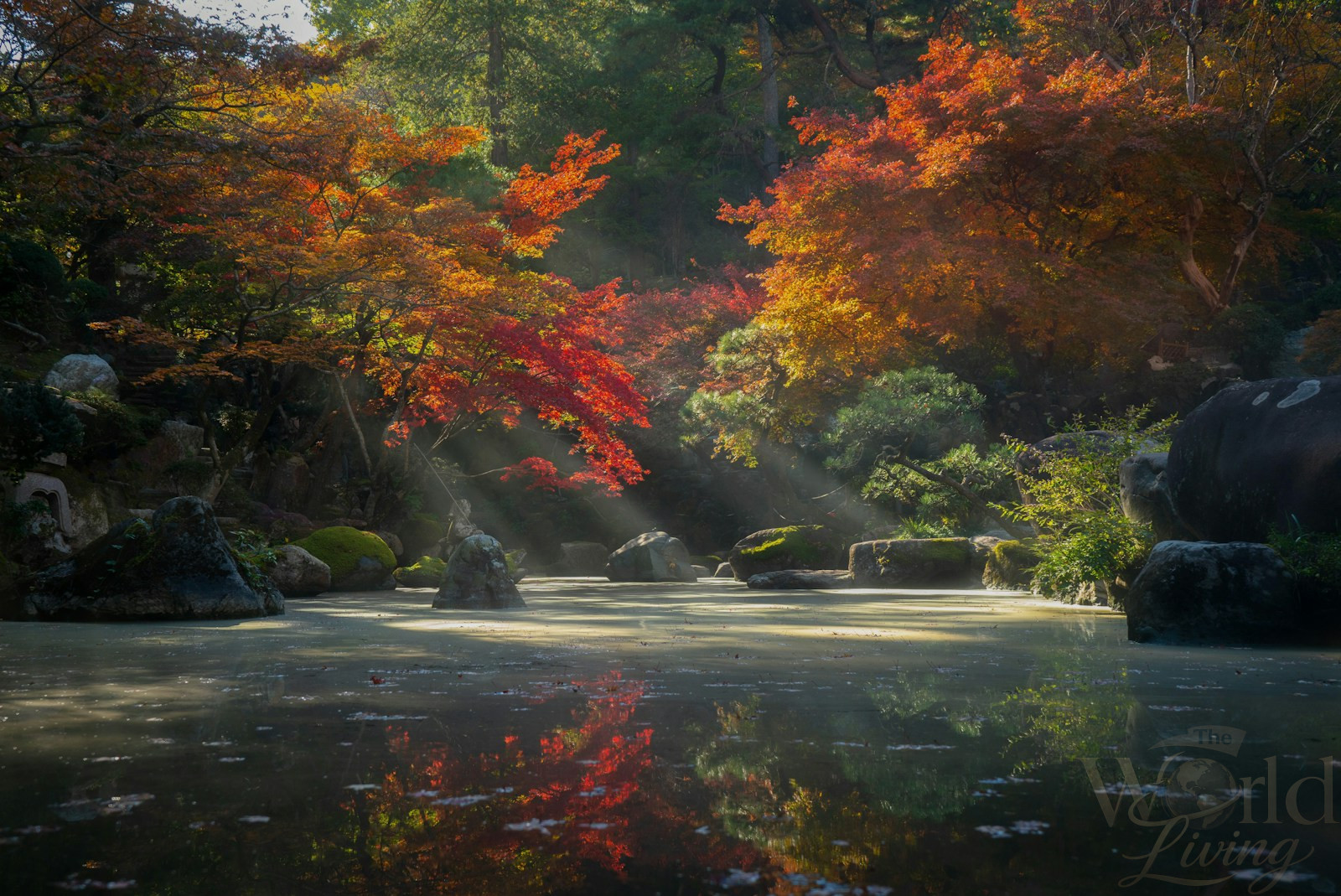
- Autumn (September-November): Arguably the best time to visit, with vibrant fall foliage and comfortable temperatures.
- Winter (December-February): Perfect for skiing and snowboarding in the Japanese Alps. You can also enjoy onsen (hot springs) in snowy landscapes.
Planning Your Trip: Essential Tips for Exploring Beyond Tokyo
Planning a trip to rural Japan requires a bit more preparation than simply booking a flight to Tokyo. Here are some essential tips:
Transportation
The Japan Rail Pass is your best friend for traveling long distances by train. It offers unlimited travel on most JR lines, including the Shinkansen (bullet train). Consider purchasing one if you plan to visit multiple regions. Local trains and buses are also available, but may require more research and planning.
Accommodation
While hotels are readily available in larger cities, consider staying in traditional ryokans (Japanese inns) in smaller towns. Ryokans offer a unique cultural experience, complete with tatami mats, futon beds, and onsen access. Minshuku (family-run guesthouses) are another budget-friendly option.
Language
While English is spoken in tourist areas, it’s less common in rural regions. Learning basic Japanese phrases will greatly enhance your experience and show respect for the local culture. A translation app can also be helpful.
Pocket Wifi or SIM Card
Staying connected is essential for navigation, translation, and accessing information. Rent a pocket wifi device or purchase a local SIM card upon arrival.
Must-See Destinations Beyond Tokyo
Ready to ditch the crowds and discover the real Japan? Here are some must-see destinations:
Kyoto: The Cultural Heart of Japan
Kyoto, the former imperial capital, is a treasure trove of temples, shrines, gardens, and traditional teahouses. Visit Fushimi Inari Shrine with its thousands of red torii gates, explore the bamboo forest in Arashiyama, and wander through the geisha district of Gion.
Hakone: Mountain Scenery and Art
Located just a short train ride from Tokyo, Hakone offers stunning views of Mount Fuji, serene lakes, and world-class art museums. Cruise across Lake Ashi, ride the Hakone Ropeway, and visit the Hakone Open-Air Museum.
Takayama: A Well-Preserved Old Town
Takayama, nestled in the Japanese Alps, boasts a beautifully preserved old town with traditional wooden houses, sake breweries, and morning markets. Explore the Hida Folk Village, sample local delicacies, and attend the Takayama Festival (held in spring and autumn).
Kanazawa: The “Little Kyoto”
Kanazawa, on the Sea of Japan coast, is known for its well-preserved samurai district, Kenrokuen Garden (one of Japan’s three most beautiful gardens), and fresh seafood. Visit the 21st Century Museum of Contemporary Art and explore the Higashi Chaya District, a former geisha district.
Naoshima: Art Island
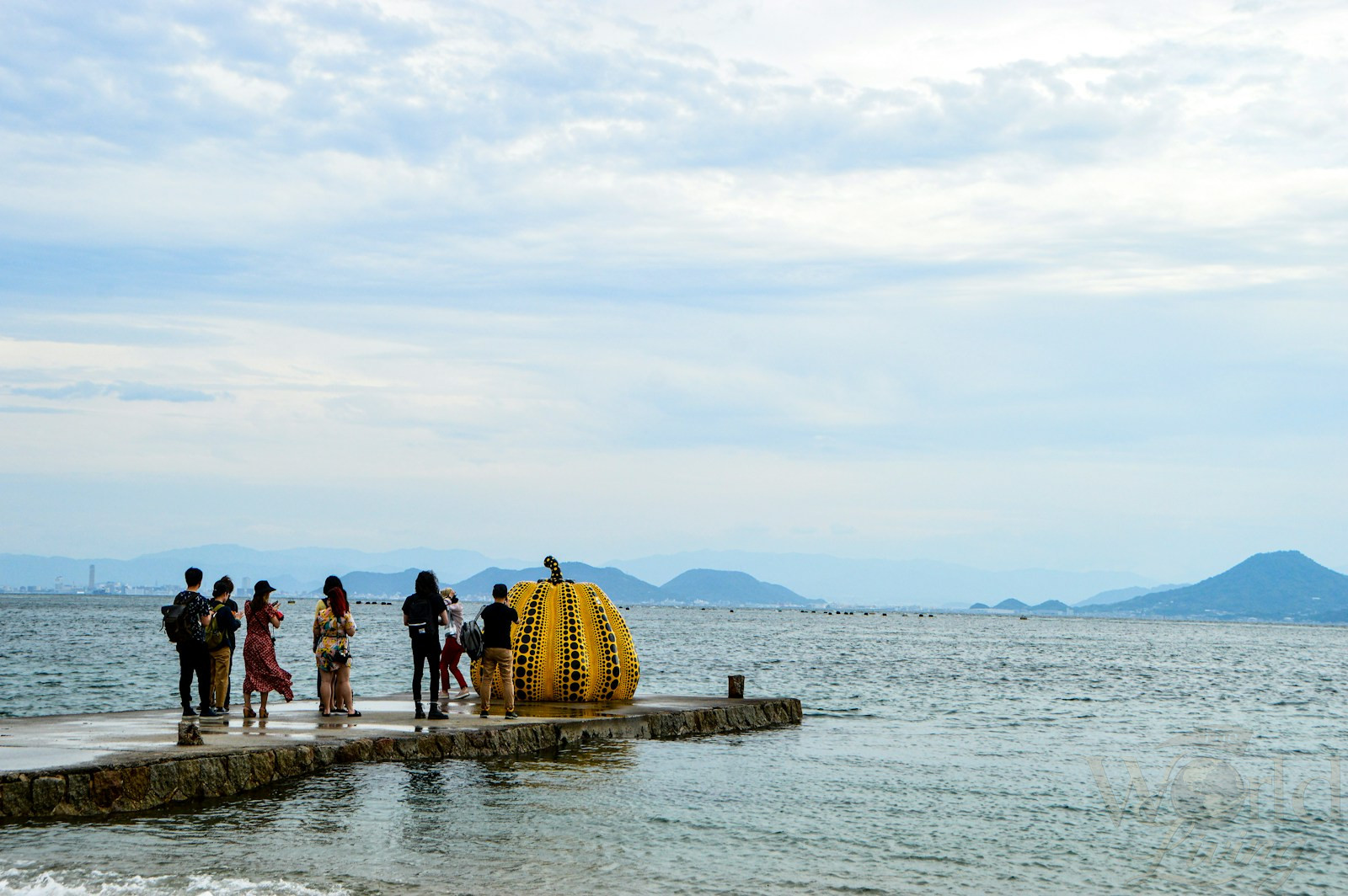
Naoshima, in the Seto Inland Sea, is a mecca for contemporary art lovers. Explore the Benesse House Museum, Chichu Art Museum, and Art House Project, which transforms abandoned houses into art installations. Don’t miss Yayoi Kusama’s iconic yellow pumpkin sculpture.
Budgeting for Your Trip
Traveling beyond Tokyo can be surprisingly affordable, especially if you choose local accommodations and eat at local restaurants. Here’s a rough estimate of daily expenses:
- Budget Traveler: $50-$80 per day (dorm rooms, cheap eats, local transportation)
- Mid-Range Traveler: $100-$150 per day (ryokans/business hotels, mid-range restaurants, JR Pass)
- Luxury Traveler: $200+ per day (luxury hotels, fine dining, private transportation)
These are just estimates, and your actual expenses will vary depending on your travel style and preferences.
Expert Tips for an Unforgettable Experience
- Learn basic Japanese phrases: Even a few simple phrases like