
Must-Try Dishes in Portugal Beyond Custard Tarts

Travelers often fixate on Portugal’s iconic custard tarts, but the country’s culinary scene stretches far beyond that single dessert. If you’re here to explore authentic flavors, you’ll quickly realize that diving into regional specialties is where the real magic happens. From hearty stews to delicate seafood dishes, Portugal offers a vibrant array of must-try foods that reflect its rich history and diverse landscapes. This guide will take you through Must-Try Dishes in Portugal and lesser-known dishes that deserve a spot on your plate, helping you avoid the tourist traps and savor what locals truly love.
Why Custard Tarts Aren’t the Whole Story
It’s easy to get swept up in the charm of Pastéis de Nata, but relying solely on this dessert limits your experience. Portugal’s cuisine is deeply rooted in regional traditions, with each area offering unique twists. For instance, the coastal regions specialize in fresh seafood, while inland areas boast robust meat dishes. By expanding your palate, you’ll encounter flavors that tell a story far richer than a sweet pastry can convey.
Must-Try Dishes in Portugal Beyond Custard Tarts: A Regional Breakdown
To truly appreciate Must-Try Dishes in Portugal Beyond Custard Tarts, you need to explore by region. Start in Lisbon, where you can sample bacalhau à brás, a dish of salted codfish mixed with potatoes and onions. This humble meal is a staple of Portuguese comfort food and showcases the country’s mastery of simple, flavorful ingredients. In Porto, don’t miss tripe stew, a hearty dish made from beef tripe, vegetables, and spices. It’s a testament to Portugal’s love for slow-cooked, comforting meals.
Seafood Lovers, Unite!
Coastal towns like Sagres and Figueira da Foz are havens for seafood enthusiasts. Grilheado de peixe, grilled fish with garlic and olive oil, is a must-try. Fresh catches like snails, clams, and shrimp are often prepared simply to highlight their natural taste. Pair this with a local vinho verde (young green wine) for an authentic dining experience. These dishes are not only delicious but also reflect Portugal’s coastal heritage.
Vegetarian and Vegan Options in Portugal
Contrary to popular belief, Portugal offers plenty of vegetarian and vegan-friendly dishes. Caldo verde, a hearty potato and kale soup, is a classic that’s both nutritious and flavorful. For a vegan twist, try arroz de marisco without the seafood, substituting it with vegetables. Many restaurants now cater to dietary restrictions, making it easier than ever to enjoy traditional flavors without compromising your choices.
Where to Find Authentic Flavors
To experience Must-Try Dishes in Portugal Beyond Custard Tarts, avoid chain restaurants and opt for local tasquinhas (small eateries). These spots often serve home-cooked meals at affordable prices. For example, in Évora, porcheta, a crispy pork dish, is a local favorite. In Madeira, espetada, grilled meat on skewers, is a must. These places prioritize quality over trendiness, ensuring you get a taste of genuine Portuguese cuisine.
Cost Considerations
Eating well in Portugal doesn’t have to break the bank. A meal at a tasquinha typically costs between €10–€15, while high-end restaurants might range from €20–€30. Street food like francesinha (a Porto sandwich) is another budget-friendly option. By choosing local spots and street vendors, you’ll save money while sampling a variety of Must-Try Dishes in Portugal Beyond Custard Tarts.
Pro Tips for Dining in Portugal
- Ask for prato principal (main course) to get the best value.
- Try bica coffee, a strong espresso unique to Portugal.
- Visit markets like Mercado de São Jorge in Lisbon for fresh ingredients and local snacks.
Key Takeaways
- Expand beyond custard tarts to explore regional specialties.
- Prioritize local tasquinhas for authentic, affordable meals.
- Seafood and hearty stews are highlights of Portuguese cuisine.
FAQ: Must-Try Dishes in Portugal Beyond Custard Tarts
What are the best times to visit Portugal for food? Summer (June–August) offers fresh seafood, while winter (December–February) is ideal for hearty stews. Avoid rainy seasons for outdoor dining.
Are there vegetarian options in traditional Portuguese dishes? Yes! Caldo verde and arroz de marisco (without seafood) are popular choices.
How much should I budget for meals? Budget €10–€30 per meal, depending on the restaurant type.
Can I find these dishes outside tourist areas? Absolutely. Local tasquinhas and markets in smaller towns often serve authentic meals.
What’s the most unique dish I haven’t heard of? Try cataplana de marisco, a seafood stew cooked in a special pot, found mainly in coastal regions.
Expert Tips for Food Lovers
Don’t hesitate to ask locals for recommendations. Many Portuguese are proud of their cuisine and happy to share hidden gems. Also, learn a few basic phrases like por favor (please) and grande (big) to enhance your dining experience. Remember, the goal is to immerse yourself in the culture through food, not just to eat.
Final Thoughts
While custard tarts are a delightful introduction to Portugal’s food scene, the real treasures lie in its diverse, region-specific dishes. By exploring Must-Try Dishes in Portugal Beyond Custard Tarts, you’ll gain a deeper appreciation for the country’s culinary heritage. Whether you’re a foodie or a first-time traveler, these flavors will leave a lasting impression. So, step off the beaten path and let your taste buds guide you.
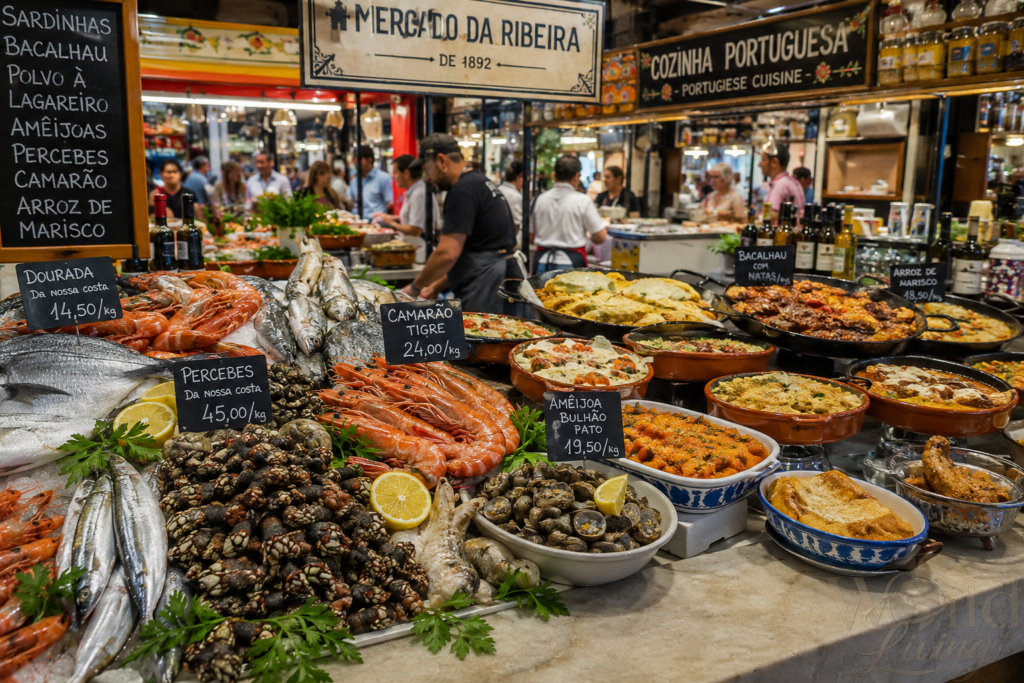
Pro Tips for Capturing Authentic Dining Moments
- Use natural lighting to highlight the textures of dishes like grilled fish.
- Include local ingredients in your photos to emphasize authenticity.
- Avoid overly staged shots; candid moments often tell better stories.
For more travel tips, check out our guide on Planning Your Trip to Portugal. If you’re curious about wine pairings, our article on Top Portuguese Wines to Try is a must-read.