The Best Traditional Dishes You Can Only Try While Traveling
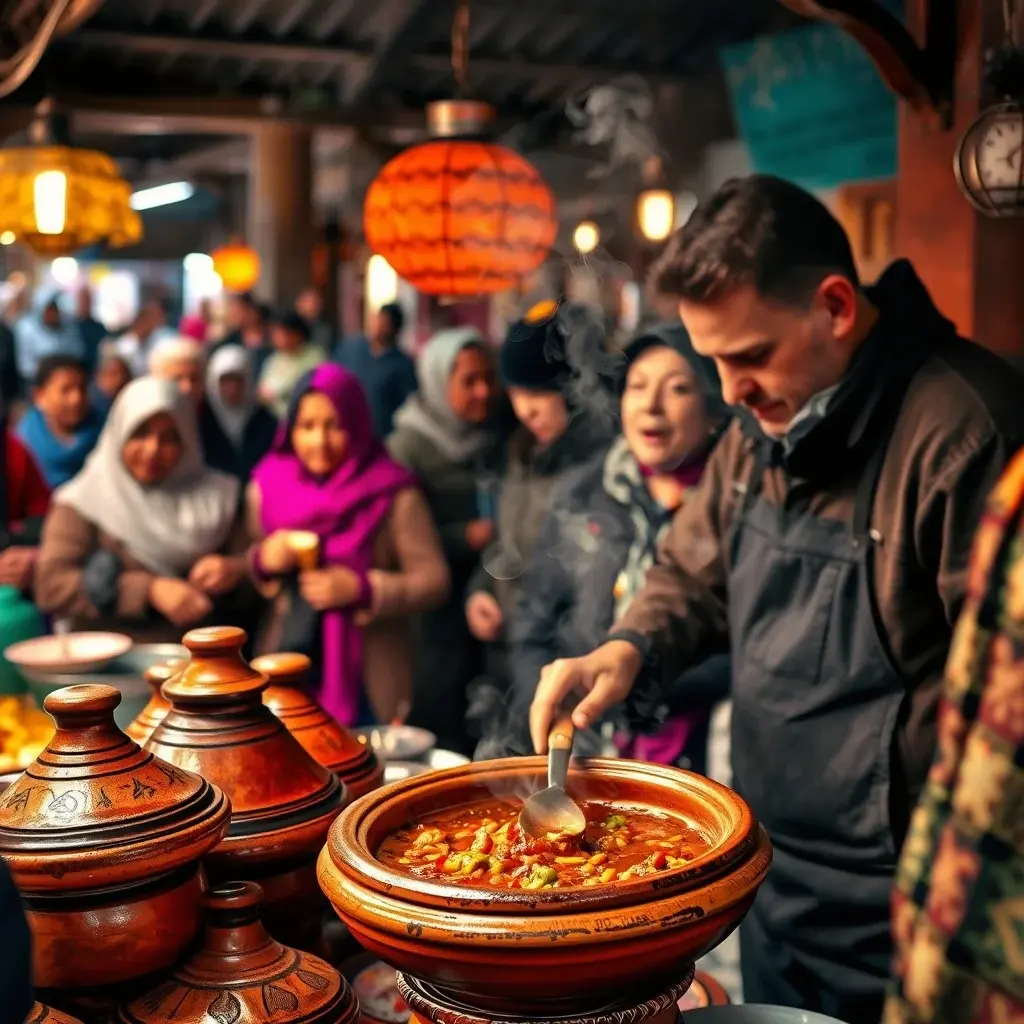
Ever get that feeling of food envy scrolling through Instagram, seeing dishes you’ve never heard of? That’s the magic of truly authentic travel, and discovering the best traditional dishes around the world is a huge part of it. This article will guide you through some incredible culinary experiences you can only have by packing your bags and venturing off the beaten path.
Unforgettable Traditional Dishes: A Culinary Journey
The world is a vast and delicious place, and some of the most incredible food experiences are tied to specific regions and cultures. Forget the tourist traps and generic menus; we’re diving deep into the heart of local cuisine. These traditional dishes aren’t just meals; they’re stories told through flavors, ingredients, and centuries of tradition.
Italy: Ribollita in Tuscany
Move over, pasta! While Italy is famous for its pasta and pizza, Tuscany hides a hearty secret: Ribollita. This isn’t your average soup; it’s a thick, bread-based stew packed with vegetables like cannellini beans, kale, carrots, and cabbage. The name literally means ‘reboiled,’ because it’s traditionally made with leftover bread and vegetables, making it a sustainable and deeply flavorful dish. You can find Ribollita in almost every local restaurant in Tuscany.
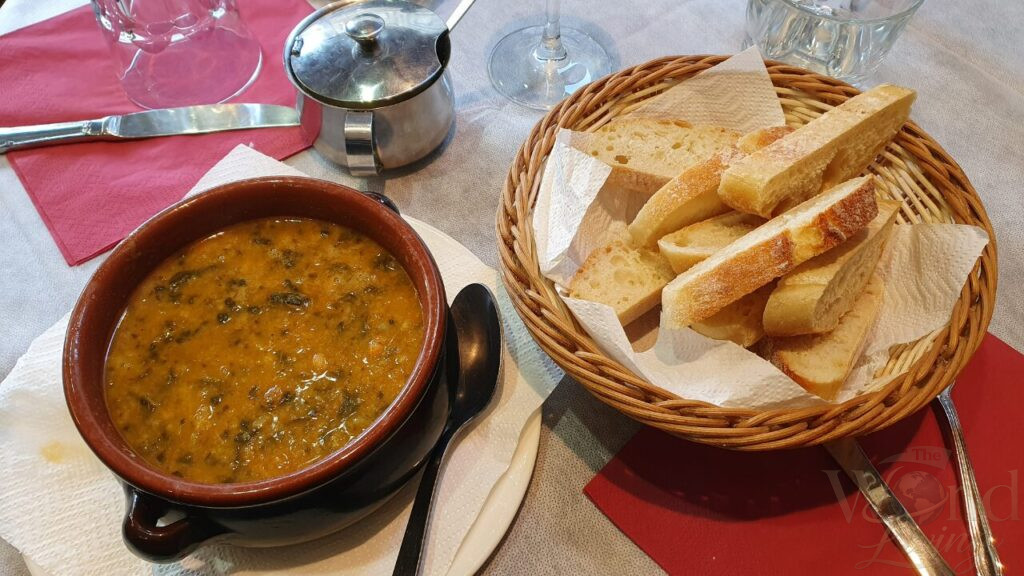
Pro Tip: The best time to enjoy Ribollita is during the colder months, from late autumn to early spring. It’s the perfect comfort food after a day of exploring the Tuscan countryside.
Morocco: Tagine in Marrakech
The aroma of spices hangs heavy in the air of Marrakech, and it’s often the scent of a Tagine simmering away. A Tagine is both the name of the dish and the earthenware pot it’s cooked in. This slow-cooked stew typically features meat (lamb, chicken, or beef), vegetables, and dried fruits like apricots and raisins. The conical lid of the Tagine pot helps to keep the ingredients moist and tender, resulting in a rich and flavorful meal. Trying authentic Moroccan Tagine is essential when visiting Marrakech.
Estimated Cost: A Tagine in Marrakech will generally cost you between $5 and $15 USD, depending on the location and ingredients.
Japan: Kaiseki in Kyoto
Kaiseki is more than just a meal; it’s an art form. Originating in Kyoto, it’s a traditional multi-course Japanese dinner characterized by its meticulous presentation and emphasis on seasonal ingredients. Each dish is carefully crafted to highlight the natural flavors of the ingredients, and the entire experience is a feast for both the eyes and the palate.
Local Tip: Kaiseki restaurants often require reservations, so be sure to book in advance, especially during peak season.
Mexico: Mole Negro in Oaxaca
Oaxaca is known as the land of seven moles, but Mole Negro is arguably the most famous. This complex sauce is made with over 30 ingredients, including chili peppers, chocolate, spices, and nuts. The preparation is a labor of love, often taking days to complete. Mole Negro is typically served with chicken or turkey and is a staple of Oaxacan cuisine. Experiencing the authentic taste of Mole Negro is a must for food lovers traveling through Mexico.
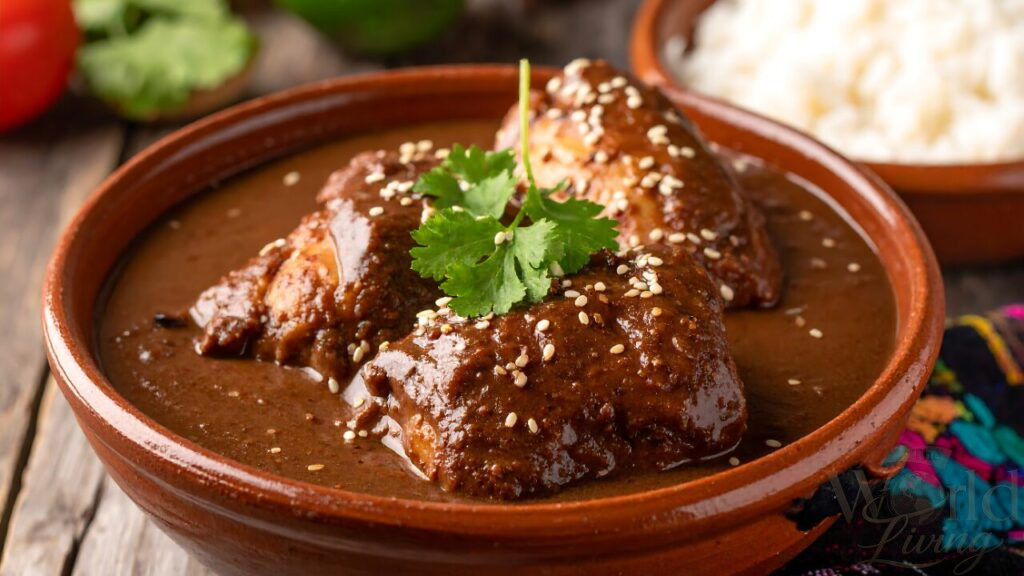
Best Time to Visit: Oaxaca is particularly vibrant during the Day of the Dead (Dia de los Muertos) celebrations in late October and early November, when Mole Negro is often served as part of the festivities.
Thailand: Khao Soi in Chiang Mai
Northern Thailand is home to Khao Soi, a creamy coconut curry noodle soup that’s both comforting and flavorful. This dish features egg noodles in a rich broth made with coconut milk, red curry paste, and meat (usually chicken or beef). It’s typically garnished with crispy fried noodles, pickled mustard greens, shallots, and lime. The combination of textures and flavors makes Khao Soi a truly unique and unforgettable dish. Finding authentic Khao Soi in Chiang Mai is easier than you think!
Georgia: Khachapuri in Tbilisi
Imagine warm, cheese-filled bread, often topped with a runny egg and a knob of butter. That’s Khachapuri, Georgia’s national dish. There are many regional variations, but Adjarian Khachapuri, shaped like a boat with the cheese, egg, and butter in the center, is the most iconic. It’s a delicious and satisfying meal that’s perfect for any time of day. Indulging in Khachapuri in Tbilisi is a must.
Expert Tip: Mix the egg and butter into the cheese while it’s still hot for the ultimate creamy experience.
Why Seek Out Traditional Dishes?
Beyond the sheer pleasure of trying new flavors, seeking out traditional dishes offers a deeper connection to the culture and history of a place. These foods are often prepared using techniques passed down through generations, and the ingredients are sourced locally, supporting local farmers and producers. It’s a way to experience a place in a more authentic and meaningful way.
The Benefits of Culinary Tourism
- Cultural Immersion: Food is a window into the soul of a culture.
- Supporting Local Economies: Eating local supports local businesses and farmers.
- Unique Experiences: Trying traditional dishes creates lasting memories.
- Expanding Your Palate: Discovering new flavors and ingredients broadens your culinary horizons.
Planning Your Culinary Adventure
Ready to embark on a culinary adventure? Here are a few tips to help you plan your trip:
- Do Your Research: Learn about the local cuisine and identify the dishes you want to try.
- Ask Locals for Recommendations: Locals are the best source of information about authentic restaurants and dishes.
- Be Adventurous: Step outside your comfort zone and try new things.
- Don’t Be Afraid to Get Messy: Some of the best food experiences are hands-on.
FAQ About Traditional Dishes
What is the most famous traditional dish in the world?
That’s subjective, but dishes like pizza (Italy), sushi (Japan), and paella (Spain) are globally recognized and loved.
How can I find authentic traditional dishes while traveling?
Seek out local restaurants, food markets, and cooking classes. Ask locals for recommendations and avoid overly touristy areas.
Are traditional dishes always spicy?
No, spice levels vary greatly depending on the region and dish. Many traditional dishes are mild and focus on other flavors.
What are some good resources for learning about traditional dishes?
Websites like TasteAtlas and local tourism boards are great resources. Also, check out food blogs and travel guides.
Why is it important to try traditional dishes when traveling?
Trying traditional dishes offers a deeper connection to the culture and history of a place, creating a more authentic travel experience.
Key Takeaways
- Traditional dishes offer a unique window into a culture.
- Seeking out local cuisine supports local economies.
- Don’t be afraid to be adventurous and try new things.
- Research and ask locals for the best recommendations.
Exploring the world through its food is one of the most rewarding travel experiences you can have. So, next time you plan a trip, remember to venture beyond the familiar and seek out the best traditional dishes the destination has to offer. You might just discover your new favorite meal and a deeper appreciation for the world around you. These traditional dishes are not just a meal, they are a memory.